




Top-rated insulation pros.

Get matched with top insulation pros in Sitka, AK

Enter your zip and get matched with up to 5 pros

Need a pro for your insulation service project in Sitka, AK?

Select your specific project to find the pro for you.

Find Insulation pros in Sitka

Insulation questions, answered by experts

If you need to insulate behind finished walls, the best option will likely be to have an insulation professional install blown-in insulation. The installation requires small holes cut in your wall, after which the installer can blow loose-fill insulation into the void. After the installation, you’ll have minor drywall patching, which shouldn’t cost more than $100. Compared to ripping down the existing drywall, using a different type of insulation, and replacing and finishing the drywall, this should save you hundreds or even thousands, depending on the size of the room you’re insulating.

Water freezes at 32 degrees Fahrenheit, but the actual temperature that can cause frozen pipes can vary. Generally, it takes 12 hours for pipes to freeze at 32 degrees Fahrenheit.

Uninsulated pipes can freeze if it’s 20 degrees Fahrenheit or colder for over three hours. If your pipes are insulated, it can take six hours or longer for pipes to freeze. Note that some pipe types freeze more often than PEX pipes. Copper pipes freeze more often because the copper conducts energy and loses heat quickly.

If you’re using faced insulation with paper, face the paper toward the inside of the room during the installation process. 

A good way to remember this is that the paper should face the “warm side” as it’s the vapor barrier, meaning it should face toward where the heat will be coming from.

Ductwork should be wrapped in insulation in certain locations. This includes unconditioned interior parts of the home, such as attics, crawl spaces, basement ceilings, and between floors. Duct joints should also be insulated since they're more likely to leak air than other parts of your system. Building codes in some areas also require ductwork to be insulated.

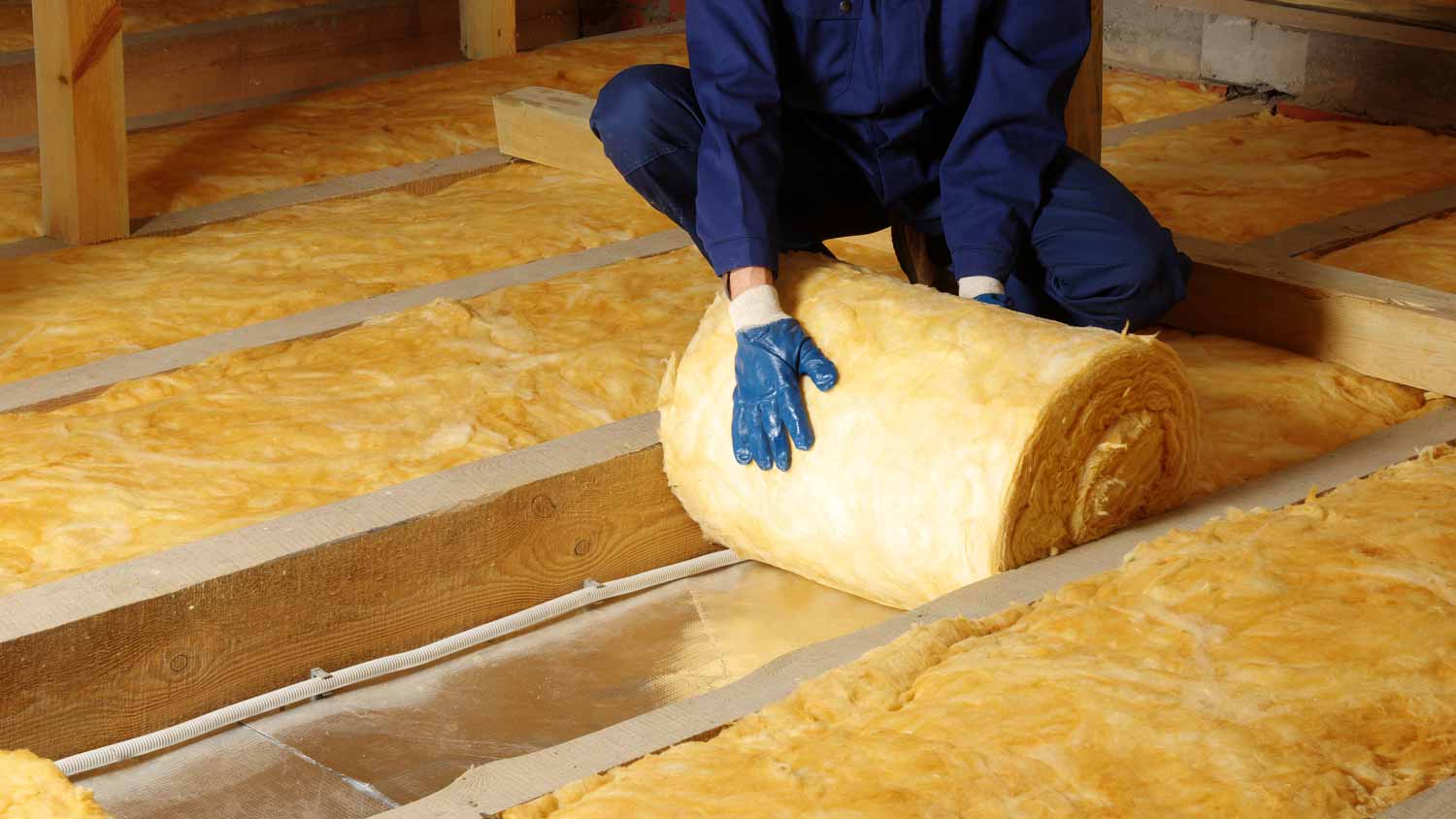
If you have blown-in insulation, using an insulation vacuum will quickly and easily suck up all the insulation. Many come with built-in HEPA filters for added safety. While some people suggest breaking up large batts and feeding them into the vacuum, this can expose you to more fiberglass fibers. With batts and rolls, carefully removing them and placing them into garbage bags is a better process.

The Sitka, AK homeowners’ guide to insulation services

From average costs to expert advice, get all the answers you need to get your job done.