
Get matched with top mold testing and remediation specialists in Kodiak, AK
Enter your zip and get matched with up to 5 pros
Need a pro for your mold testing and remediation project in Kodiak, AK?
Select your specific project to find the pro for you.
TRUSTED BY KODIAK, AK HOMEOWNERS
 5 Average homeowner rating
 10 Verified mold testing and remediation services reviews
Verified Reviews for Mold Testing And Remediation pros in Kodiak, AK
*The Angi rating for Mold Testing And Remediation companies in Kodiak, AK is a rating based on verified reviews from our community of homeowners who have used these pros to meet their Mold Testing And Remediation needs.
*The HomeAdvisor rating for Mold Testing And Remediation companies in Kodiak, AK is a rating based on verified reviews from our community of homeowners who have used these pros to meet their Mold Testing And Remediation needs.
Last update on December 11, 2025
Find Mold testing and remediation specialists in Kodiak
No results for Mold testing and remediation specialist in
Try adjusting your search criteria.Mold Testing and Remediation questions, answered by experts
The Kodiak, AK homeowners’ guide to mold testing and remediation services
From average costs to expert advice, get all the answers you need to get your job done.
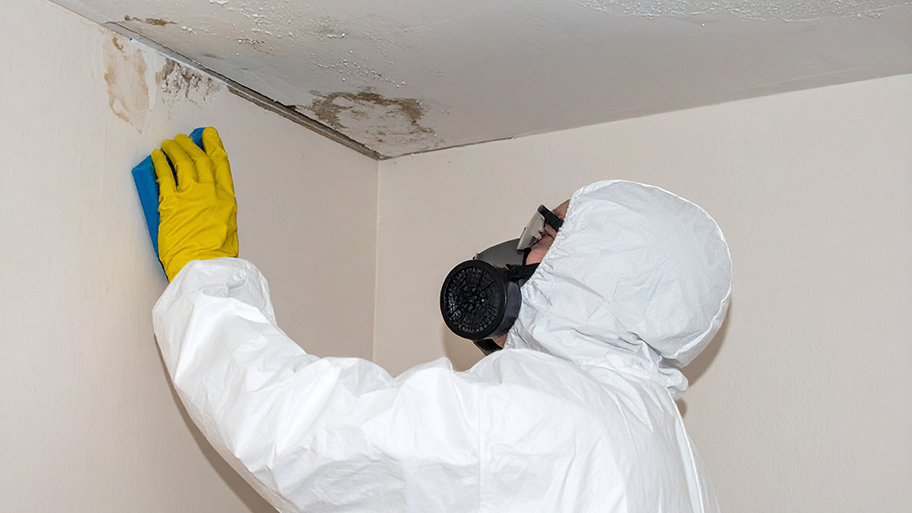
Mold remediation cost can quickly escalate. But if you have mold in your home, the cost for mold remediation is worth it.

The cost of a mold inspection might seem high, but it’s one of the best investments you can make for your health and home. Read on to learn cost-saving tips.

If your house smells musty but there’s no visible mold, check anywhere there’s moisture. Use this guide to help you identify and prevent the smell in your home.

Water damage vs. mold: knowing the difference could help you identify mold as soon as it appears. Keep reading to learn signs of water damage and mold.

Mold poses a constant threat to homeowners as it can grow in many environments. Learn how to identify types of mold to prevent health and structural issues.

A mold inspection is your first line of defense against a mold problem. Here’s what to expect from your visit and how to prepare.