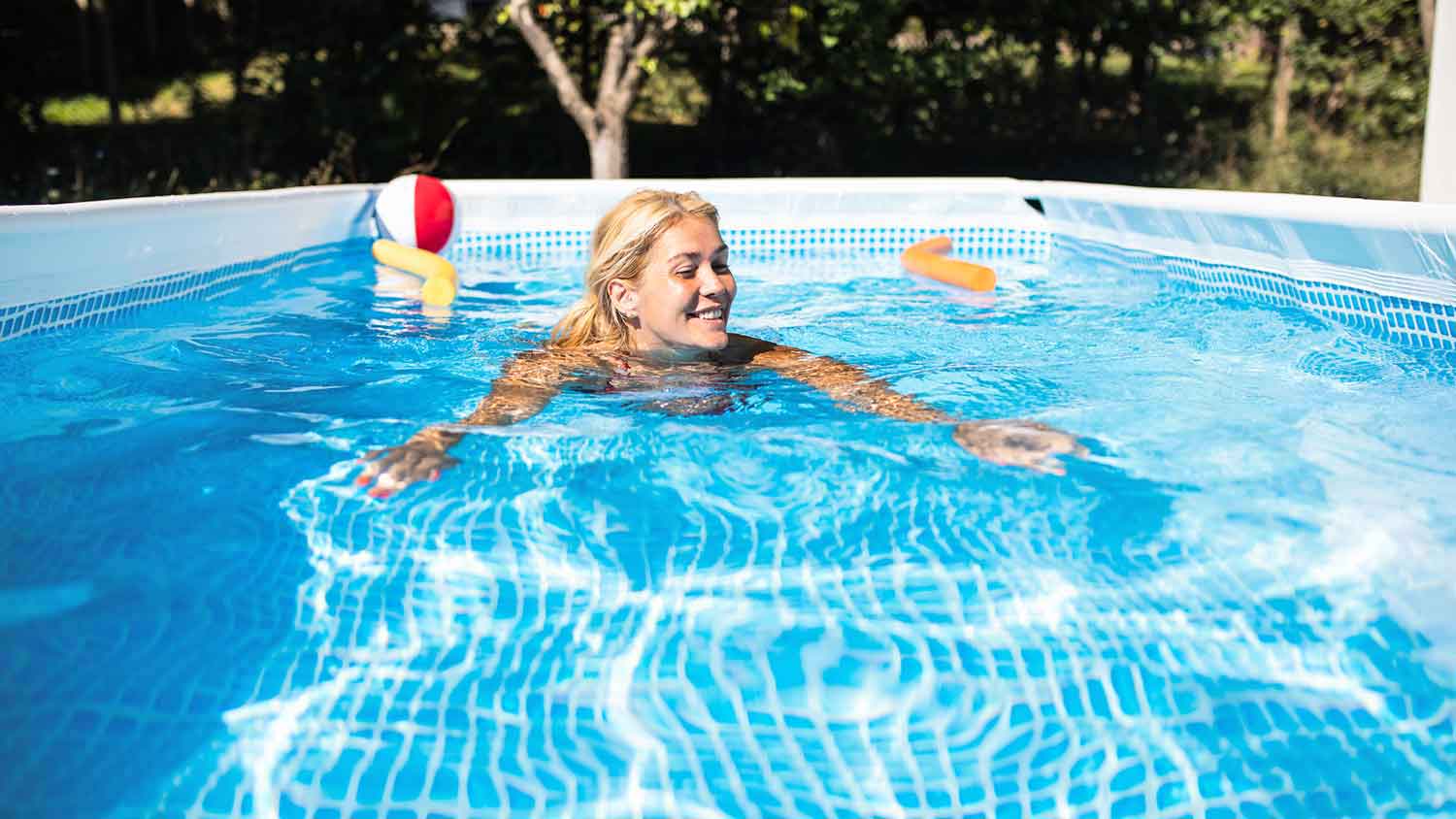
Why is my above-ground pool cloudy? In this guide, we’ll explain four of the most common reasons for murky pool water (and steps for solving each of them).
What lies beneath that murky water

Your pool pump not running for at least eight hours daily is the most common cause of cloudy pool water you'll encounter.
Chemical imbalances like low free chlorine levels, high calcium from hard water, or incorrect pH levels can all make your pool water cloudy.
Test your pool water with a quality kit to identify which chemicals need adjusting, then add what's needed to restore clear water.
Hiring a local pool repair professional provides reliable support with pump issues and filter problems, keeping your pool clear and swim-ready all season.
You don your bathing suit and head to your pool for some much-needed summer lounging, only to find cloudy water that creates more stress than relaxation. A few things can cause a cloudy pool, ranging from algae growth to pump problems. You’ll want to diagnose the problem as soon as possible, which will potentially save you money on labor costs.

Pool pumps help circulate pool water so that chemicals mix properly and so that all of the water passes through the filter. An issue with the pump can lead to cloudy water. If you don’t hear your pump turning on when it should or the water pressure from the jets is lower than usual, a pump issue could be the culprit.
Make sure your pump is set to run at least eight hours a day. If you live in an area where there’s excessive tree debris or pollen, consider increasing that to 12 hours a day. If your pump isn’t working at all, cycles on and off, or seems to create low pressure from the jets, call a local pool repair company to fix the issue.

Even a properly working pump could have trouble if the filter that the water passes through is damaged or clogged. The side effect: cloudy pool water. Filter issues include a clogged filter, an improperly sized filter, or a diatomaceous earth (DE) or sand filter leaking small particles into your water.
Start by cleaning your pool filter. If that doesn’t solve the issue within 24 hours, call a professional. Filter issues can be complicated to diagnose since so many things can go wrong, so if it’s not a simple fix.

Chemical imbalances can lead to cloudy pool water, including low free chlorine levels, high calcium levels from hard water, and low chlorine stabilizer levels. Additionally, a high concentration of shock chemicals immediately after a shock will cause cloudiness.
Use a high-quality pool test kit to identify the levels of chemicals used in your pool. These can vary based on your water and filter type. Add chemicals to bring things back into balance to clear your water, and maintain those levels to avoid cloudiness from returning. You can also hire a pool care company for routine maintenance.

Most pools should have a slightly basic pH of 7.2 to 7.6. A pH outside of this range won’t be the cause of your problem, but it could indicate the underlying issue. A high pH usually means a calcium issue, while a low pH could indicate a low concentration of free chlorine.
Test your pool’s pH using a pool test kit, and use pH Up or pH Down to bring your water back into balance. Make sure you treat the underlying problem, too, either by adding chlorine or adding flocculant and then vacuuming out the calcium deposits.

Dirt, sand, pollen, and tree debris can all make your water appear cloudy. That’s because they can reduce the amount of free chlorine in your water and due to visible particles. Even too much sunscreen can interfere with the clarity of your pool water.
Skim your pool daily to remove debris, and consider using a pool cover to keep errant pieces out of the water. Make sure you bathe before entering your pool as well.

Algae—aquatic, photosynthetic organisms—are a possible threat to clear pools, especially in warmer climates. If your pool water is cloudy and has a greenish tinge, algae growth could be to blame.
Test your pool water and make additions to balance chemicals and pH. This can solve minor problems with algae, but you may need to add an algaecide to treat more severe issues.
Luckily, most issues that cause a cloudy pool involve solutions that are easy to DIY. If you have a pool test kit and the necessary chemicals on hand, you can handle imbalances and treat the problem yourself. If you’re struggling with keeping your pool water clear, though, or you believe the issue is with the pool equipment, call a professional pool repair company near you to take a look.
This service was great. My air conditioner went out during the heat spell that we had. My husband has health issues and they came out that night and at 9:30pm the air conditioner was fixed and running. We are sooo very thankful, this is the company I will be using from now on and would...
 Mr. Mechanical Ohio
I had FabClean 614 clean my apartment, and she did an outstanding job. She was so professional and efficient. My apartment looks absolutely spotless every surface, every corner, all cleaned to perfection. Definitely highly recommend FabClean 614 if you're looking for top-notch cleaning...
 Fab Clean 614
Binion and Alex did such a good job. Fast, fair, efficient. Would def use them again. Best experience Iâ ve had in moving - someone should give them a raise. Will undoubtedly recommend this service.
 All My Sons Moving & Storage
Great customer service. The owner Ilia was wonderful to work with. Would definitely recommend this company.
 Window Depot USA of Central Ohio
I definitely recommend Ramonaâ s cleaning service! I have booked services with her many times and she arrives on time, ready to work and provides a great service.
 Your Cleaning Solutions LLC
Excellent experience! Left my place looking great. Friendly customer service too. Would recommend!
The service was excellent! They gave me a quote, and had it done 4 days later. My driveway looks amazing, very professional! I would definitely recommend their service to anyone. I have had neighbors stop by and ask for their information as well.
 All Star Paving and Sealing
Webb â s was priced well, flexible on scheduling, great with communication, and detailed in their work. Iâ ll definitely use their services again.
 Webbs Pressure and Paint LLC
They’ve been great to work with. All of my clients that have used them have nothing but good things to say about the experience. Quick responses and fast service. They’re a trustworthy team!
 Total Home Roofing
Mary Cleaning Service is fantastic! The entire team is professional and pay a great deal of attention to detail. They do such a thorough job of cleaning my house. I would definitely recommend!
From average costs to expert advice, get all the answers you need to get your job done.
Why is my above-ground pool cloudy? In this guide, we’ll explain four of the most common reasons for murky pool water (and steps for solving each of them).
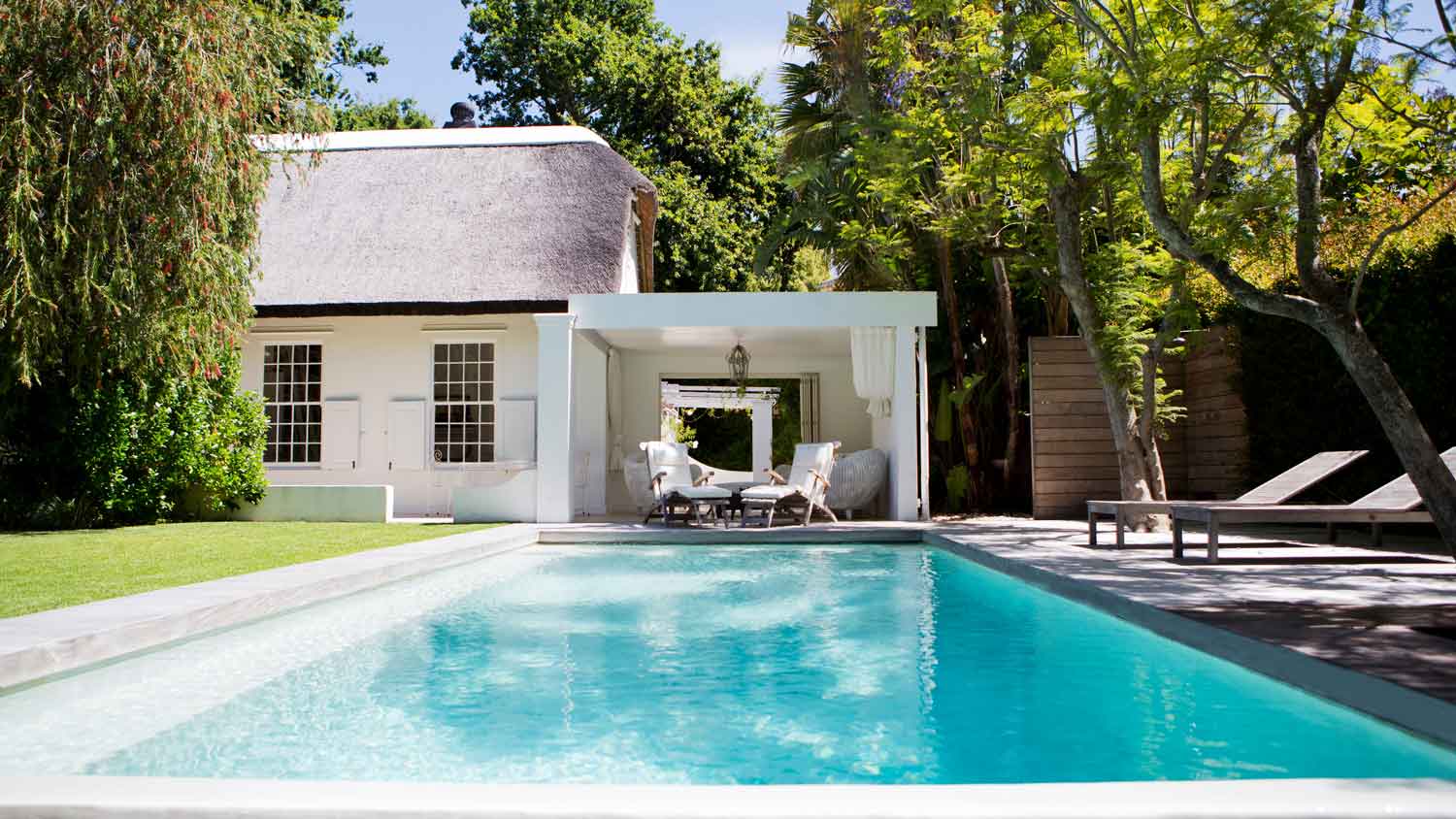
When a murky mess interrupts your morning laps, you need to know how to clear cloudy pool water fast. These top cloudy water fixes will keep you afloat.
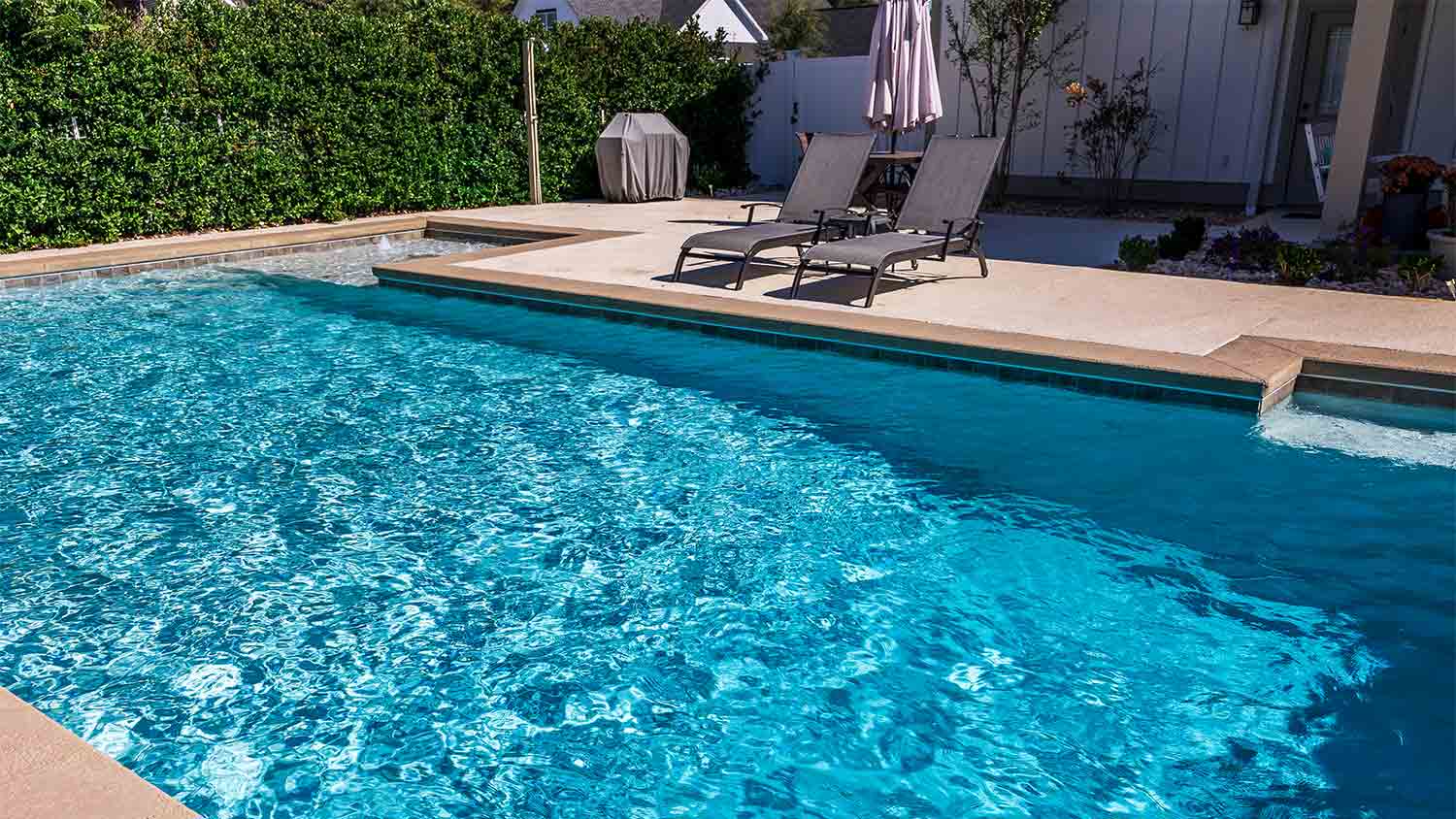
What does baking soda do for a pool? Learn how to balance pH levels using this kitchen staple as part of your pool maintenance routine.
The key to maintaining an aboveground pool is using the right tools and chemicals for the job. Use this guide to learn how to clean an aboveground pool.
Swimming pool issues like algae or a clogged filter can happen to anyone. Learn more about common pool problems and how to fix them quickly and easily.
Shocking a pool destroys contaminants, algae, and bacteria and helps pools stay cleaner. Here are four types of pool shock to sanitize your home pool.