

Faulty AC drip pans can lead to pesky leaks and improper home cooling. Find out how much AC drip pan replacement costs for your cooling system.
Get a little nosey to help you find the root issue

A skunk smell from your air conditioner signals a gas leak, turn off your gas supply, evacuate immediately, and contact your utility company.
AC repair costs range from $450 to $2,000, and duct sealing costs $500 to $4,000, helping stop air smells linked to leaks.
Musty smells coming from your air conditioner point to moisture problems like clogged drain lines, frozen coils, or leaking ducts, so act fast.
Hiring a local air conditioning repair professional provides reliable help with drain line cleaning and refrigerant leak diagnosis, keeping your home safe and comfortable.
Your AC should bring you relief, not strange odors. If you're wondering why your AC smells, you're not alone. Your AC can smell for several reasons, and each indicates the potential problem. The culprit could be anything from a dirty air filter to a leaking duct. Breathing in mold spores or gas from a leak can be a health hazard, so fixing your AC is a matter of both comfort and safety. Learn why your AC smells and what to do next.
Sudden musty odors and increasing respiratory issues could be signs of mold in your air ducts. Check your vent covers and drip pans for mold. If you see any, call in a mold remediation specialist ASAP.


Musty odors are common and often indicate moisture problems. Moisture can cause mold and mildew in your AC, affecting several parts of your system. Check for the following issues.
As an AC unit removes humid air, the excess water needs to drain. When drip pans wear or condensate lines clog, the drip pan can collect standing water and get moldy. A local HVAC technician can replace your drip pan and clean your AC drain line.
Dirt and debris buildup on air filters blocks airflow and traps moisture. The excess moisture can freeze on cold evaporator coils. If you don’t clean and thaw the coils when needed, you’ll have to call a professional to replace the evaporator coils. Clean your air filters consistently to prevent the coils from freezing.
Moisture can also build up in ductwork, causing mildew or mold. Most ducts are hidden, but you may see water dripping from your AC vents, walls, and ceilings. Even if you replace your filters, your ducts must be cleaned or repaired.
Incorrect sizing is another potential cause of musty smells. If your AC system is too large, air will cycle too quickly to remove humidity. A system that's too small is one of many causes of an AC running constantly, which can strain the system and cause it to fail. If you think this could be your problem, it’s time to call a pro. A trained HVAC service technician can evaluate your system to determine whether it's the correct size or needs replacing.
One reason your house smells like rotten eggs may be a dead animal in your AC system. Birds, rodents, insects, lizards, and other critters may try to nest or take shelter in your ducts. They often get trapped and die, creating a distinct smell that you’ll want to eliminate sooner rather than later.
If there’s a dead animal in your vent or in an accessible duct, you may be able to remove the animal and clean the area yourself. However, we suggest calling in a pro to deal with this issue. Most homeowners don’t fancy dealing with dead animals, and doing so can come with health risks. If you decide to get rid of the animal yourself, use thick, sturdy gloves and seal the critter in a hefty plastic bag.
Whether you DIY this fix or not, it’s a good idea to hire an AC technician to check your ductwork afterward and seal any entry points to prevent the problem from happening again. Sealing ductwork costs $500 to $4,000 on average.
You may have an AC refrigerant leak if you smell something like gasoline or car engine exhaust fumes in your home. Since refrigerants can leak hazardous chemicals into the air, this is a big problem, but it’s not difficult for a pro to fix.
Refrigerant chemicals are dangerous and should always be investigated and handled by a professional, not a DIYer. While you wait for your technician to arrive, turn off your AC at your thermostat, crack open your home's windows, and run fans to circulate air.
“Why does my AC smell like it’s burning?” is one of the most common questions homeowners ask about their AC during the late fall and winter months. If you haven't used your AC in a while, you may burn off some dust when turning it on, which is normal.
However, you could also have more significant problems if the smell of smoke, gunpowder, or burning plastic in your home lingers for more than a few minutes. Short circuits can ignite the electrical parts of your AC system. When this happens, letting your AC run can increase your risk of a house fire.
If you suspect some part of your AC system may be burning, turn it off at the thermostat and immediately call an HVAC technician.
The natural gas used to power certain home appliances is invisible and odorless. Utility companies add another gas called methyl mercaptan to natural gas for safety, and it is not odorless. This compound gives the gas a distinct skunk smell (some have also compared the odor to rotten cabbage), allowing anyone in the home to detect issues quickly.
If you smell this gas when running your AC unit, you likely have a gas leak in your ductwork. Immediately turn off your gas supply, evacuate your home, and contact your utility company to fix the leak.
If you notice a vinegar smell coming from your AC, it's likely due to mold or mildew. Your AC system should remove humidity from your home, but if it's not working properly, moisture builds up, creating a breeding ground for mildew and mold. The culprit could be improperly sealed ducts, a blockage in the drain line, or a dirty air filter. Check your air filter (often located between the return duct and the air handler), and clean or replace it if it’s dirty. If the issue isn’t your air filter, turn off your AC at the thermostat and hire an HVAC pro as soon as you can. Breathing mold spores for long periods can cause health issues.
A final culprit of a vinegar smell could be an old air conditioner made before 2010 that uses a liquid coolant that produces chlorine. The coolant could damage the motor and produce more ozone than usual, which is a health hazard. Call a local HVAC tech if you suspect this is the issue.
A cigarette smell from your AC often means the condenser coil and air filter absorbed cigarette smoke at some point. It could be from a previous owner if you recently bought the home. If you’re a heavy smoker, schedule regular HVAC maintenance to prevent smoke residue in the coils. Dirt and debris inside the coils or housing can also cause a smoke smell, as the heat can burn debris. A thorough coil cleaning and air filter replacement can help.
Another culprit of a cigarette smell could be overheating within the AC’s wiring, motor, or fan. Excess heat can burn the insulation on the wiring, leaving a cigarette-like smell. Motors and fans can overheat due to poor maintenance, lack of lubrication, or scorching temperatures outside. It’s best to have an HVAC pro check out your unit for these issues.

No matter what the scent is, you shouldn't have odors coming from your AC vents. To combat a noticeable odor from your air conditioner, take a few essential steps for a fresher indoor environment. By performing these routine maintenance tasks, you can ensure a clean and odor-free air conditioning system, promoting healthier indoor air quality.
Begin by inspecting the drain pan. If it's filled with water, empty it and thoroughly clean it with soap and water to eliminate any mold buildup that could be causing a musty smell.
Clean or replace your air conditioner filters every one to three months. The filters naturally capture dirt, dust, and debris from the air, but when they get clogged, they create an environment where mold can flourish in the surrounding vents and ducts.
While you can investigate the potential source of AC smells, you should call an air conditioning repair company near you for help in resolving the root issue. A pro will evaluate your system and safely handle the job so you can avoid DIY AC repair mistakes. Electrical components and moisture make AC repairs dangerous and not DIYable.
Never ignore smells coming from your HVAC system. Getting problems handled early can help you avoid costly repairs or total replacement of your AC system.
Nick P. Cellucci and Veronica Sparks contributed to this article.
I have used Columbus Worthington Air for years and recommend them whenever I have a chance. The staff is quick, courteous, and well-trained.
 ARS Columbus Worthington Air
If you’re good people wanting to do business with good people, hire Matt. He is a consummate professional and utterly competent. He installed a water heater in my home at a price that beat competitors by hundreds of dollars with a promise to support the unit for its life (even after its 6 yr...
 Greene's Plumbing Services
Corey Carr was great. I had damage from a recent storm and needed to have my mast and other components replaced. The project entailed coordinating with AEP, and Corey helped make a stressful situation a lot less stressful. I really appreciated his dedication to service and the job very well done.
 Mr. Electric of Columbus
This service was great. My air conditioner went out during the heat spell that we had. My husband has health issues and they came out that night and at 9:30pm the air conditioner was fixed and running. We are sooo very thankful, this is the company I will be using from now on and would...
 Mr. Mechanical Ohio
Great company! Price was competitive, technician showed up on time and completed the job (exterior electric Radon fan replacement) quickly. Would hire them again.
 MaGen Property Inspections and Radon Mitigation
Raven and crew does absolutely fantastic job. They are very professional if any concerns were to occur with any of her work she always took responsibility and finished out with a great job. I have worked with her business for a year and have always been satisfied. Very trusted business and...
 Creations of Transformation LLC
I would recommend this company to anyone! He showed up on time, was friendly, completed a very difficult repair on our dryer vent cover, was responsive, and pricing was extremely fair and competitive. I would have him back to do any of our repairs or cleanings without hesitation!
 U.S.A. Dryer Vent, LLC
Ace Fireplace Services' chimney sweep service is truly exceptional. They used advanced technology to ensure a thorough cleaning process, and my chimney has never looked better. I highly recommend their services.
 Ace Fireplace Services
The technician was very professional and friendly. He answered all my questions and was very thorough. He left the fireplace area very clean . He inspected from the roof and advised me as to other work that might need to be done. There was no pressure there. I was very satisfied with the...
 Supreme brick & chimney
On time, clean and finished fast. Windows seem sturdy and the finish is good. Caulking was done with no smudges. Would recommend.
 Window Depot USA of Central Ohio
From average costs to expert advice, get all the answers you need to get your job done.
Faulty AC drip pans can lead to pesky leaks and improper home cooling. Find out how much AC drip pan replacement costs for your cooling system.

Explore how much an AC compressor costs to install based on cost factors like it’s type, brand, size, and local labor rates.

The cost of a new AC unit depends on the size and type. Our guide breaks down AC replacement cost factors so you can decide which option matches your budget.

If the odor of rotten eggs or metal is coming out of your faucet, you’re probably wondering why your faucet smells. We have some answers.
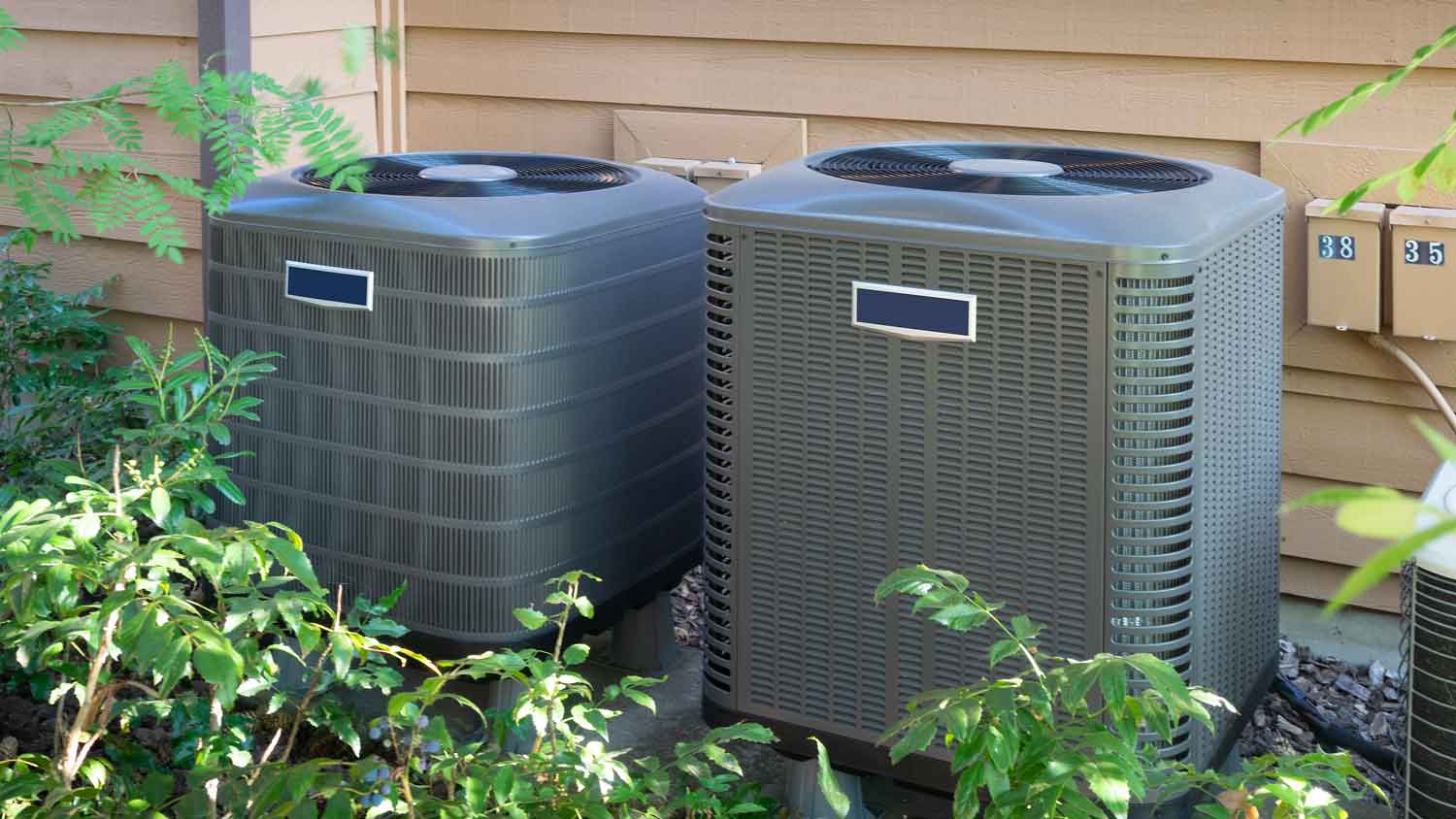
Wondering how long AC units last? Check out this helpful guide with common signs it’s time to replace your AC unit.

After turning on your furnace, you may wonder, “Why does my heater smell burnt?” Here are seven culprits, ranging from minor issues to major concerns.