
Need to repoint brick in your home to make your home look fresh and new? Use this guide to repointing brick cost to price out your project before starting.
Brick tuckpointing calls for a specialized masonry pro


Crumbling mortar joints in your brickwork weaken structural integrity and let moisture seep in, causing freeze-thaw damage that accelerates deterioration.
Expect to pay $500 to $2,500 for chimney tuckpointing, with average costs around $1,200 depending on your chimney's height and mortar condition.
Professional tuckpointing services near me restore your brick by removing damaged mortar, packing color-matched material tightly, and tooling joints to match original profiles.
Hiring a local masonry professional provides reliable support with mortar removal, joint packing, and finishing work that protects your brickwork and prevents larger structural issues.
This article was created using automation technology and thoroughly fact-checked and edited by an Angi Editor in accordance with our AI policy.
If you’re asking who to hire to tuckpoint brick, look to a masonry contractor or tuckpointing specialist. These pros inspect joints, remove weakened mortar, mix a color-matched blend, apply it carefully, and allow proper curing. Choose licensed and insured contractors with masonry training. Chimneys and high walls require safe access and proven experience working at heights.
Professional masons renew weakened joints to restore strength and stop water from sneaking into your brickwork. They match mortar color and joint profile for a seamless look that preserves your home’s character. With the right tools and efficient methods, early repairs prevent larger structural issues. Quality tuckpointing protects the structure and enhances curb appeal.
Assess hidden cracks, weak spots, and underlying masonry issues
Use specialized tools to remove deteriorated mortar without damaging bricks
Pack joints properly to prevent air pockets and weak bonds
Tool and finish joints to match original profiles for a clean look
Improve moisture resistance and reduce freeze–thaw damage risk
Complete labor-intensive work safely on walls, chimneys, and high areas
Follow a curing process that supports long-term stability
Help preserve historic character with accurate materials and finishes
Save money long-term by preventing larger repairs
Some general contractors have masonry divisions or subcontract specialized crews, which works well when tuckpointing is part of a larger renovation with one project manager. For a tuckpointing-only job, hiring a masonry contractor near you directly is more focused and efficient. For chimney-specific needs, chimney specialists are the appropriate choice given the unique requirements. No matter who coordinates, the core skill set comes from experienced masonry professionals.
Professionals follow a defined process to renew mortar joints while protecting surrounding brickwork.
The mason inspects joints and overall condition.
They prepare the area and set up safe access.
The pro removes deteriorated mortar to the proper depth.
They clean joints to promote strong adhesion.
The mason mixes mortar to match color and composition.
They pack fresh mortar tightly into joints.
The pro tools and finishes joints to the original profile.
They allow curing, then verify uniform adhesion.
The cost to tuckpoint a chimney averages $1,200. Most homeowners spend $500 to $2,500, with small repairs at $300, while complex, tall, or ornate chimneys exceed $40,000. Pros charge $50 to $100 per hour, or $10 to $25 per square foot. Final pricing depends on the extent of mortar damage, chimney accessibility, and project complexity, including setup and safe access requirements.
1 tree was cut down and 5 others including a large willow tree were trimmed. The Grant Tree Service men were professional and cleaned up afterwards. The cost of the 6 trees were affordable. I am very happy with the results. I would hire them again.
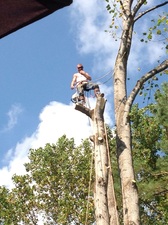 Grants Tree Service
Joseph did a great job with the staircase and trim. Timely and efficient, clear communication about the work, very fair pricing. For the stairs in particular, done very skillfully in an old house (1893) in a tight spiral, and very creative with how to do the handrail. Did a nice job with...
 Vouis Trim Carpentry L.L.C.
Finished Basements Plus was wonderful from beginning to end! First, they came out quickly for an estimate. I had 4 estimates and theirs was by far the best. (2 of the estimates were more than $20K higher than for the exact same work). Beyond their fair pricing, the work was excellent. They...
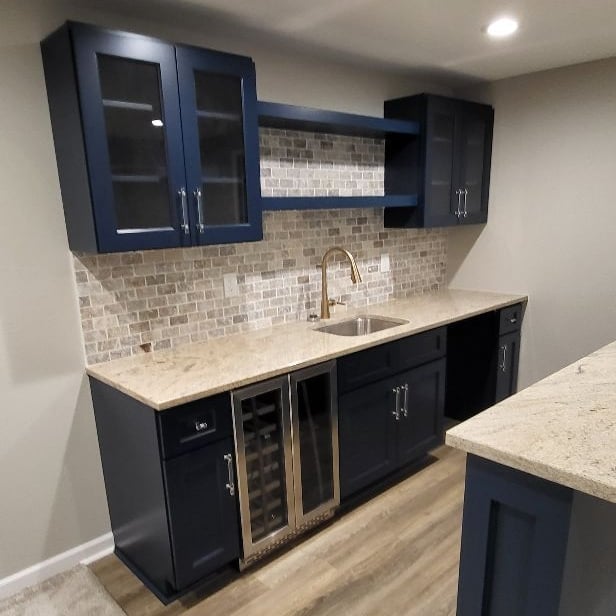 Finished Basements Plus Inc.
I'm a repeat customer of All Star Paving & Sealing and I appreciate the service that all start paving has done for me in the past. I just recently had them out for an estimate and things couldn't have gone better. The staff that they send out to do the estimates are very knowledgeable. The...
 All Star Paving and Sealing
Ace Fireplace Services came to the rescue for my chimney repair. They were quick to pinpoint the issue and worked their magic to fix it. My chimney is now in excellent shape, and I'm a satisfied customer.
 Ace Fireplace Services
Supreme Brick & Chimney did an excellent job restoring the brick and mortar joints on my home. Their team was professional, knowledgeable, and completed the work on time. I highly recommend them and will hire them again in the future! Thanks!
 Supreme brick & chimney
Custom Paint Jobs LLCs custom murals brought life to our childrens rooms. They love it!
 Custom Paint Jobs, LLC
Window Depot did an amazing job on my deck. I wasnt sure what I wanted to do, but their composite decking was affordable and will last a long time. I am excited to have family over, and I am no longer embarrassed by my backyard. Jeff and the ground crew were polite, respectful, and caring for...
 Window Depot USA of Central Ohio
Storms Mobile Welding was great to work with. They were prompt, professional and did an overall excellent job on the project. I highly recommend.
Beginning with the estimate, Larry and Peyton were super helpful in getting my new condo's interior re-painted. Not only was the job well done, but also done in a super timely manner as promised.
 Five Star Painting of Plain City and Powell
From average costs to expert advice, get all the answers you need to get your job done.
Need to repoint brick in your home to make your home look fresh and new? Use this guide to repointing brick cost to price out your project before starting.
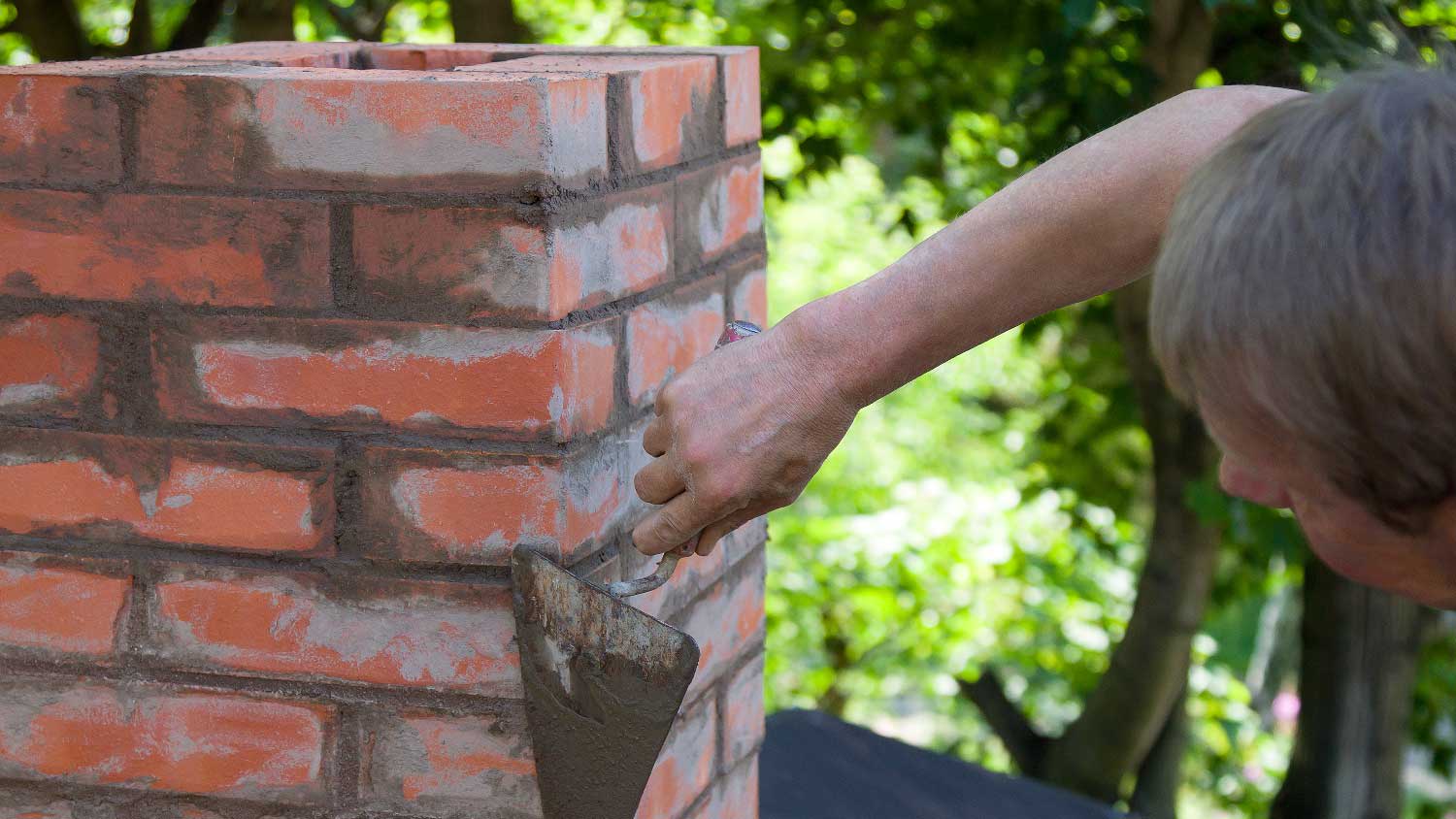
Discover the average chimney tuckpointing cost, key price factors, and expert tips to help you budget and save on your next chimney repair project.
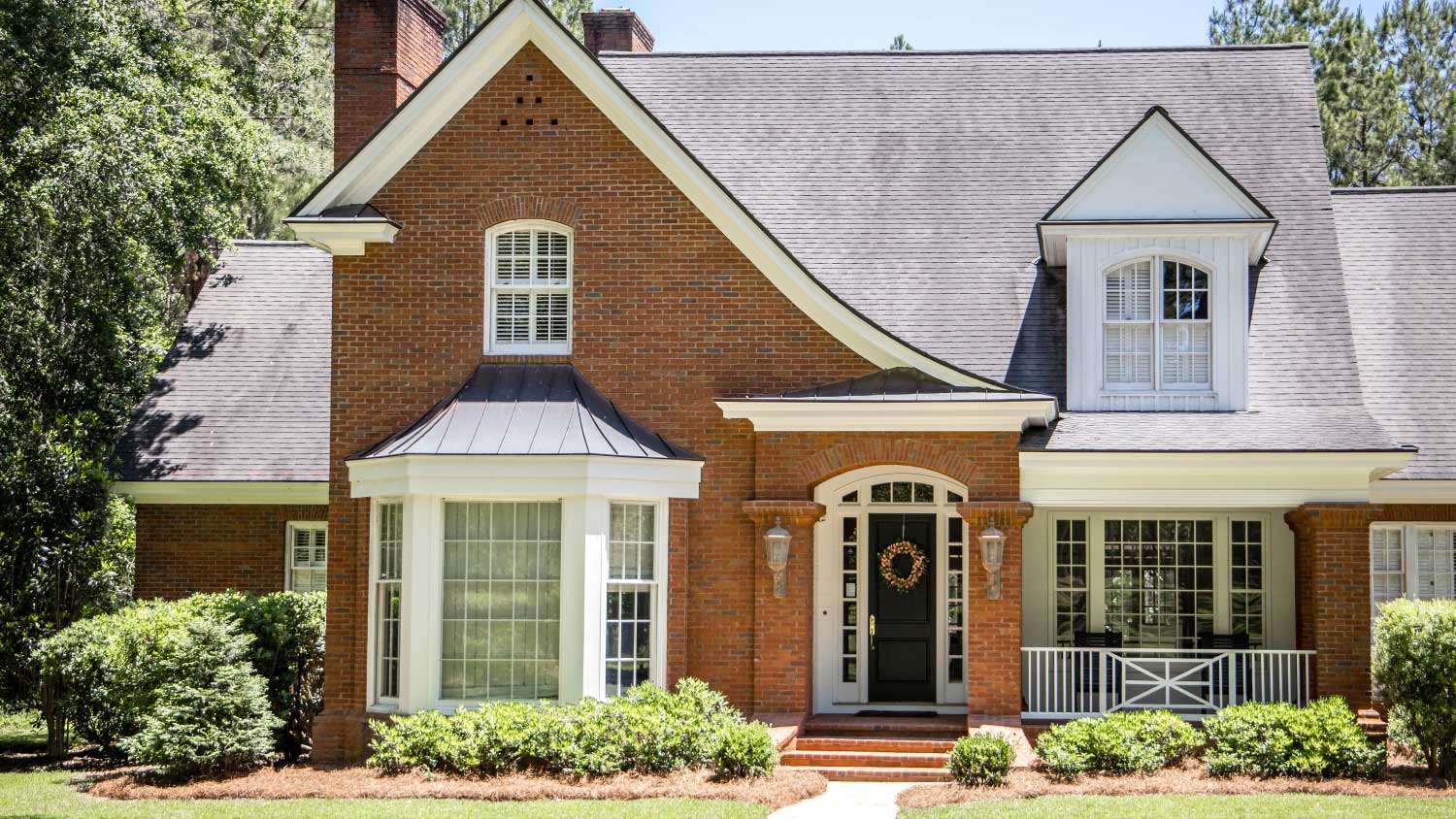
The cost to replace brick front steps depends on the type of brick, square footage, pattern, and more. Learn how much you may spend on this project.
Learn how to hire a qualified tuckpointing pro for your masonry project. Find the right contractor, ask essential questions, and protect your home.
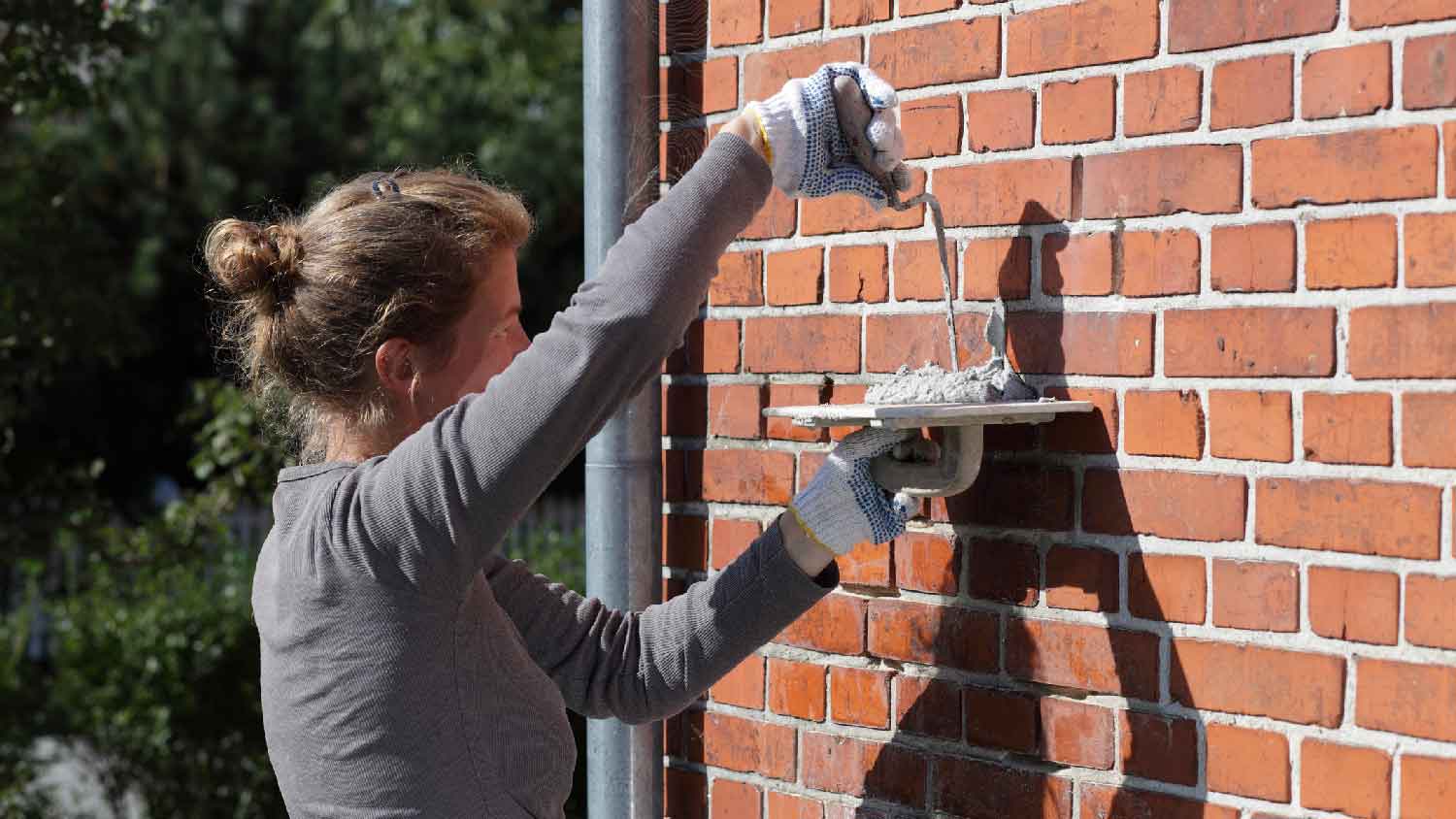
You can hire a professional to fix a decaying brick wall, or you can save money and do it yourself by learning how to tuckpoint brick using the steps below.
Are you noticing crumbling mortar or loose bricks? Learn about tuckpointing costs, warning signs of masonry damage, and how to hire the right local pro.