
•
Find out the average berber carpet installation cost, key price factors, and expert tips to help you budget for your new carpet project.
Make your damp basement un-floor-gettable

Basement carpets need moisture resistance and mold protection, so synthetic materials like nylon, polyester, olefin, Triexta, and Berber work best for damp conditions.
Expect to pay $1 to $8 per square foot for basement carpet materials, with nylon and Triexta on the higher end and polyester offering budget-friendly options.
Your choice depends on traffic patterns and household needs, with Berber handling heavy use and Triexta resisting stains from kids and pets.
Hiring a local carpet installation professional helps you select the right material for your basement conditions and ensures proper installation over potentially damp floors.
The right carpet can make your basement more livable and comfortable. However, unlike other parts of your home, basements often experience occasional dampness. So, the best carpet for your basement must stand up to the elements beautifully—and the ones that do it best are made of synthetic materials. Here's what to know about adding something soft underfoot.

Nylon carpet is an excellent choice for high-traffic areas, including busy basements. It is moisture-resistant and easy to clean. Unlike natural fibers like wool, which are not suited for damp areas in your home, nylon is less prone to water damage and mold, though it’s not quite as soft. Nylon is also a budget-friendly material, with carpet installation costs between $2 and $5 per square foot.
Homeowners will find plenty of stylish options in nylon carpets, but it’s worth noting that nylon isn’t the most eco-friendly choice. It may off-gas initially—causing an unpleasant and irritating odor that will dissipate over time. It can also generate static, leading to the occasional shock. Additionally, the material may fade over time with sunlight exposure. However, despite its drawbacks, it is still a solid solution for many households.
| Pros | Cons |
|---|---|
| Durable | Prone to fading |
| Moisture-resistant | Not eco-friendly |
| Mold- and mildew-resistant | Can feel stiff |
| Easy to clean | Off-gassing |
Best for: High-traffic basements that lack natural light

Polyester carpet is a practical, affordable choice that adds color to any space. It costs less than nylon, around $1 and $3 per square foot. Plus, it is moisture-resistant and comes in a broader range of vibrant colors, which many stylish homeowners find appealing.
Consider options made from recycled plastic bottles if you want an eco-friendly carpet. Another eco-pro is that you can recycle this type of polyester carpet when it's time to update it. However, remember that it tends to be less durable, so it's best suited for lower-traffic areas.
Regular cleaning is not just a chore but a key responsibility in extending the carpet's life span. It will help prevent the carpet from matting, which this material tends to do. While polyester is stain-resistant, messes that aren't promptly addressed can stain. And attention all smokers: The carpet tends to retain foul odors, so it may not be the option for your abode.
| Pros | Cons |
|---|---|
| Affordable | Less durable than nylon |
| Moisture-resistant | Can stain |
| Vibrant colors | Prone to matting |
| Eco-friendly options | Retains foul odors |
Best for: Best for non-smokers who have low-traffic basements
If you have an outdoor rug, it's likely made of Olefin, also known as polypropylene. Olefin is one of the least expensive carpet fibers, hovering in the $1 to $3 per square foot range. It is prized for its non-water-absorbing characteristic, making it well-suited for basements that tend to get damp or experience high humidity.
Additionally, it's highly resistant to mold, mildew, and even fading, so it maintains its look in spaces flooded by sunlight. While Olefin is made of plastic, you will find eco-friendly options made from 100% recyclable plastic bottles.
However, Olefin is not as soft as other carpets on this list. While it stands up to water, it is less durable than nylon and polyester, so it is not recommended for high-traffic areas. For instance, friction from heavy objects like rolling chairs, furniture, or toys can cause matting. Lastly, the fibers do not resist oily stains, so avoid installing this type of carpet in workspaces like basement kitchens.
| Pros | Cons |
|---|---|
| Affordable | Less resilient |
| Won’t absorb water | Prone to matting |
| Mold- and mildew-resistant | Least soft |
| Won’t fade | Can stain |
Best for: Low-traffic basements where high humidity is an issue

Triexta carpet may be the basements' top choice, especially in active households. The material is made from a renewable corn-based polymer, making it eco-friendly and exceptionally soft compared to polyester, nylon, and Olefin. Triexta's water, mold, and mildew resistance make it well-suited to basements where dampness is a concern. Additionally, homeowners with kids, pets, or both will be happy to know it is highly stain-resistant, so there are no worries about pet accidents, spills, or other messes.
Every good thing has a few cons. Some homeowners may find the carpet challenging to vacuum and clean because of its thick fibers. The material is relatively new to the market, so there is little data to say how durable it is over time. Lastly, budget-minded folks should know it's more expensive than most synthetic carpets, in the $3 to $8 per square foot range, but still costs less than wool.
| Pros | Cons |
|---|---|
| Eco-friendly | Higher cost |
| Soft and comfortable | Tough to clean |
| Water- and mold-resistant | Static electricity |
| Pet and kid-proof | New to the market |
Best for: Active basements in homes with kids and pets
The first thing homeowners need to know about Berber carpet is that it refers not to a specific material but to a unique loop-pile weave once done by hand by the Berben people. These days, Berber carpet is machine-made.
The weave consists of tight loops, creating a speckled appearance. This type of construction makes these carpets highly durable, moisture resistant, and best suited for high-traffic areas like busy basements. However, the loops can snag, so avoid pulling because repairing this carpet is expensive. Lastly, Berber is also not known for creating the softest experience underfoot.
When shopping for a Berber carpet for your basement, look for options in materials shared here, like nylon, Triexta, or Olefin, as these synthetic fibers perform best in damp conditions. A local carpet installation service can help you with your choice and handle the installation.
| Pros | Cons |
|---|---|
| Durable loop design | Loops can snag |
| Moisture-resistant | Limited softness |
| Great for high-traffic | Hard to repair |
| Budget-friendly options | Life span depends on the material |
Best for: Many basements, depending on the synthetic material selected
Showed up on time and cleaned carpets well, but didn?t move furniture.
 Voda Cleaning & Restoration of Columbus
Carpet repair done well. Scheduling was easy. Showed up on time.
 BR Flooring Installation
Joseph did a great job with the staircase and trim. Timely and efficient, clear communication about the work, very fair pricing. For the stairs in particular, done very skillfully in an old house (1893) in a tight spiral, and very creative with how to do the handrail. Did a nice job with...
 Vouis Trim Carpentry L.L.C.
This company does it right. Firstly, I want to say that Landan was a joy to work with. He was so kind, transparent, and had everything under control. His entire team showed up ready to work and they were all very respectful of the fact that we were in an office space. A little backstory – we...
 Krumlauf Floors
Very professional, knowledgeable and helpful! Completed the install on time and as expected.
 Ward's Services
Excellent, Prompt, Courteous Service!!! They were super friendly and quite personable. I felt very comfortable with the gentlemen that did the installation. They installed it exactly where I asked them to and they did an excellent job!! I loved their service so much.
 Tether House
I hired windows depot USA of central to install new windows in house in Oshawa. Ilya was very professional from the start, not only did he offered a great price, he also made sure the installation was on time. I am very satisfied with final outcome. The windows look great and the overall...
 Window Depot USA of Central Ohio
AFS was excellent from start to finish. Jess, the sales associate, was fantastic...very knowledgeable and very professional. The installation crew was excellent. I couldn't be more pleased with the process. Best of all, my new floor looks fantastic!
 America's Floor Source
We were having 2”x 2” tile installed . There was a small installation error and the new additional replacement tile was from a different lot and the colors didn’t match. Joe assured us that he would rectify everything , which he did without hesitation. We decided to go with the 18” x 36” tile...
 CarifaTile
Great experience all together. Dog friendly, courteous, great results and honest with recommendations. Will certainly be using Cardinal in the future for any carpet repairs
 Cardinal Carpet Care & Repair
From average costs to expert advice, get all the answers you need to get your job done.
Find out the average berber carpet installation cost, key price factors, and expert tips to help you budget for your new carpet project.
Learn the pros and cons of Berber carpet and discover if this durable, budget-friendly flooring is right for your home.
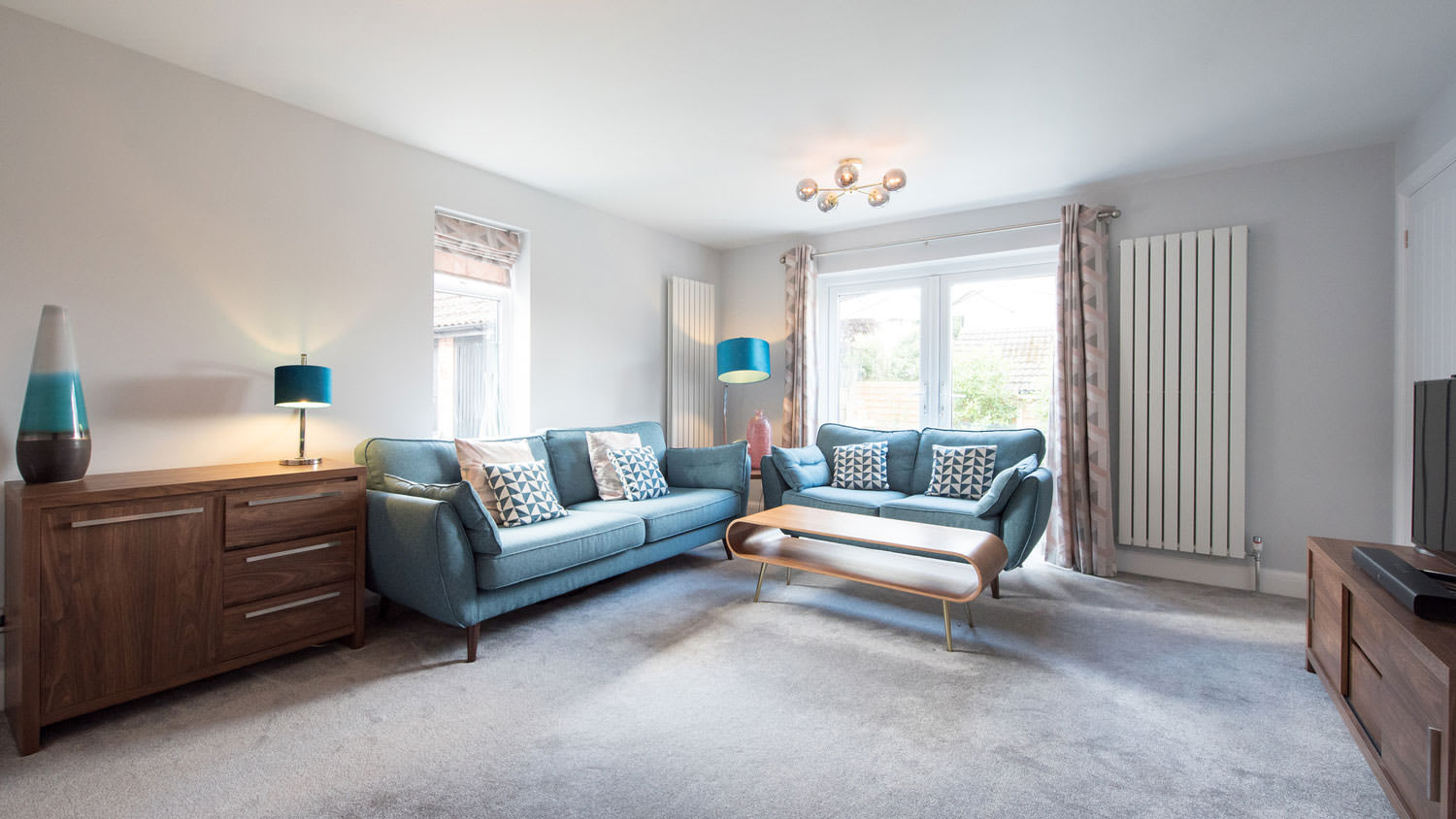
To choose the best carpet for your living room, consider factors like durability and maintenance in addition to color and pile type.
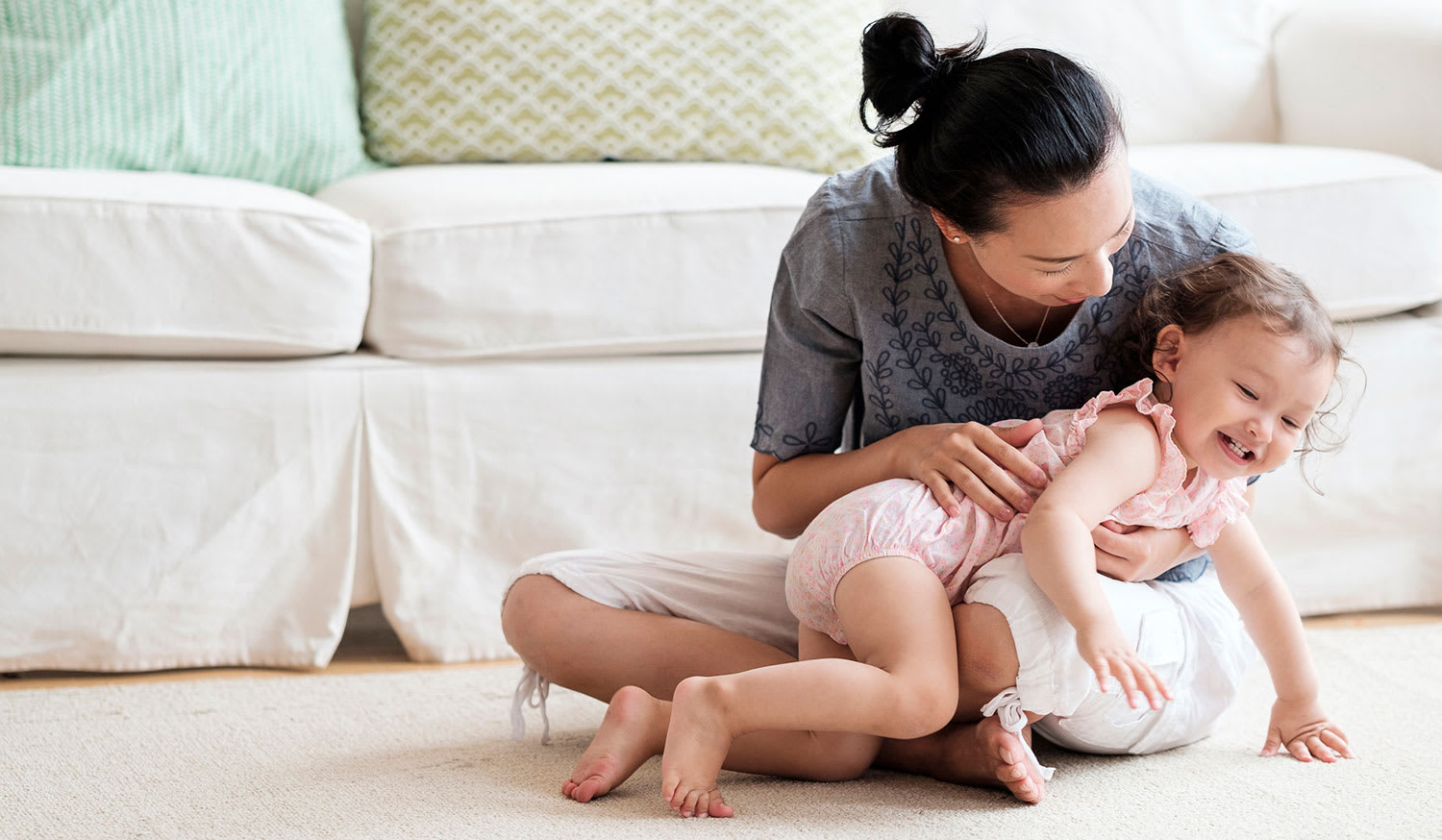
The best carpet for high-traffic areas, like hallways and staircases, will be able to stand up to wear and tear and look good while doing it. Find out which carpet fibers and styles are equipped to handle such a demanding job.
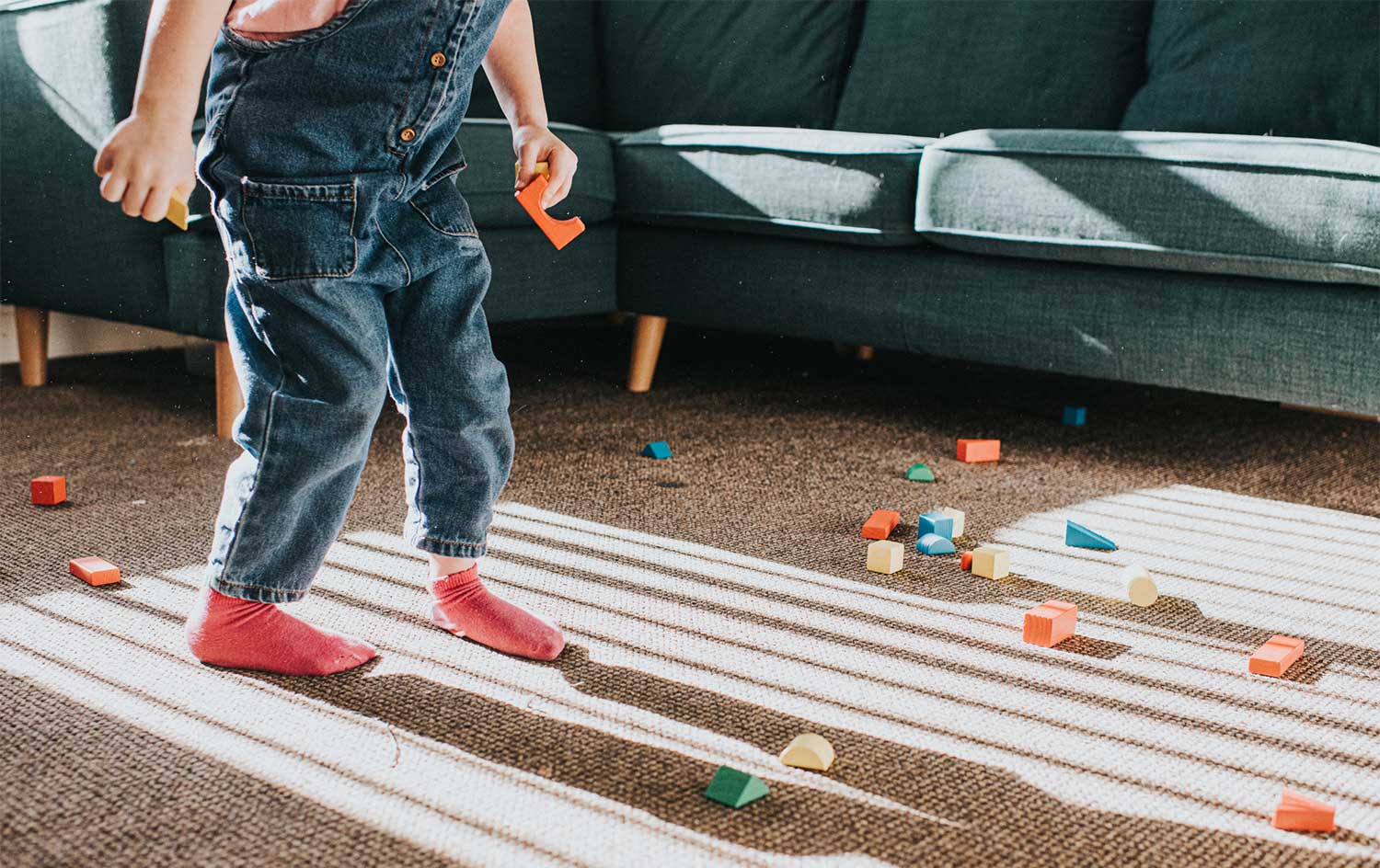
Help your Berber carpet stay in tip-top shape by learning how to fix five common problems, including loop and burn damage.
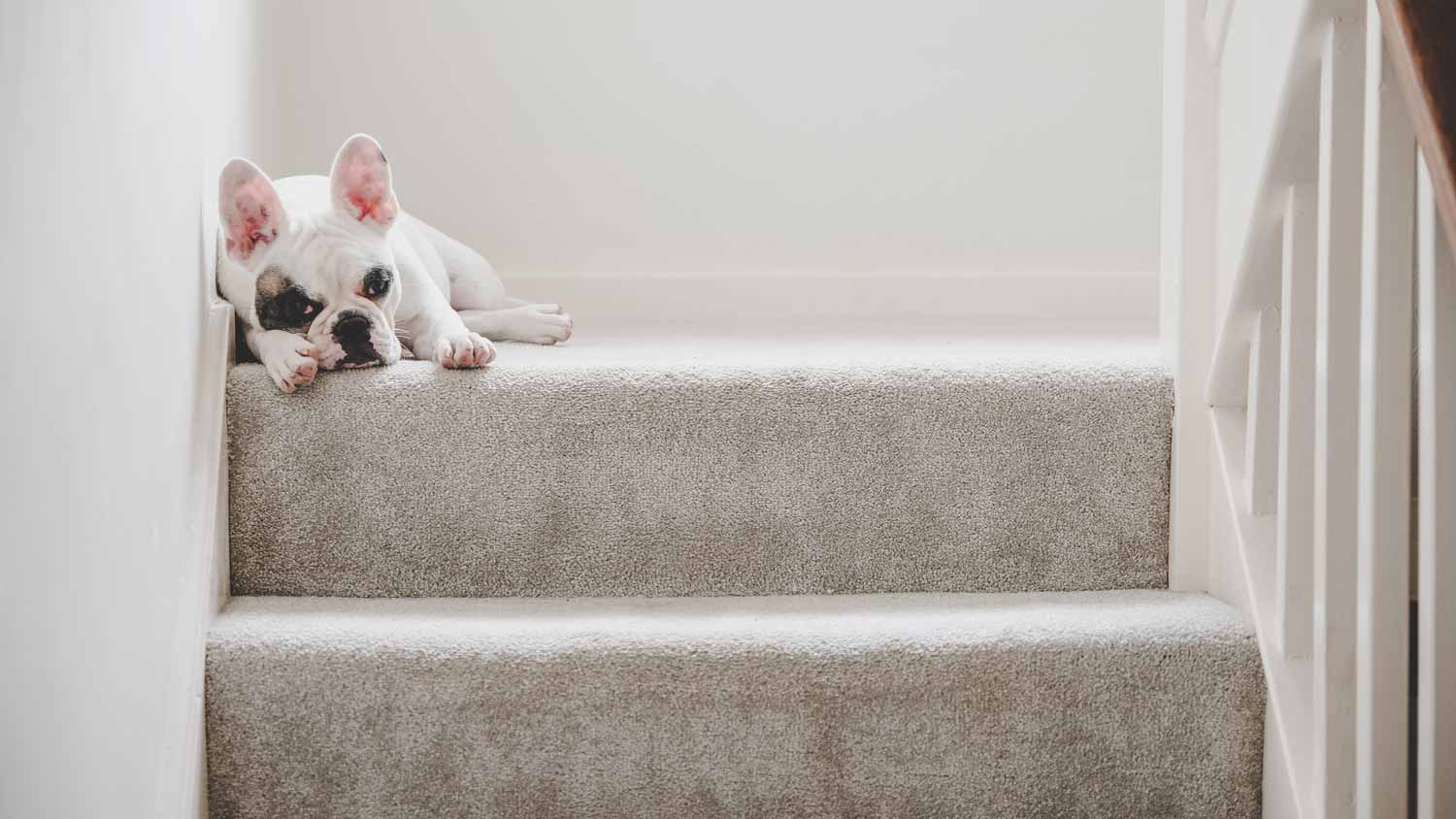
The best carpet for stairs is durable and suited for high-traffic environments. However, they aren’t as soft and can be more expensive. Read on to learn more.