
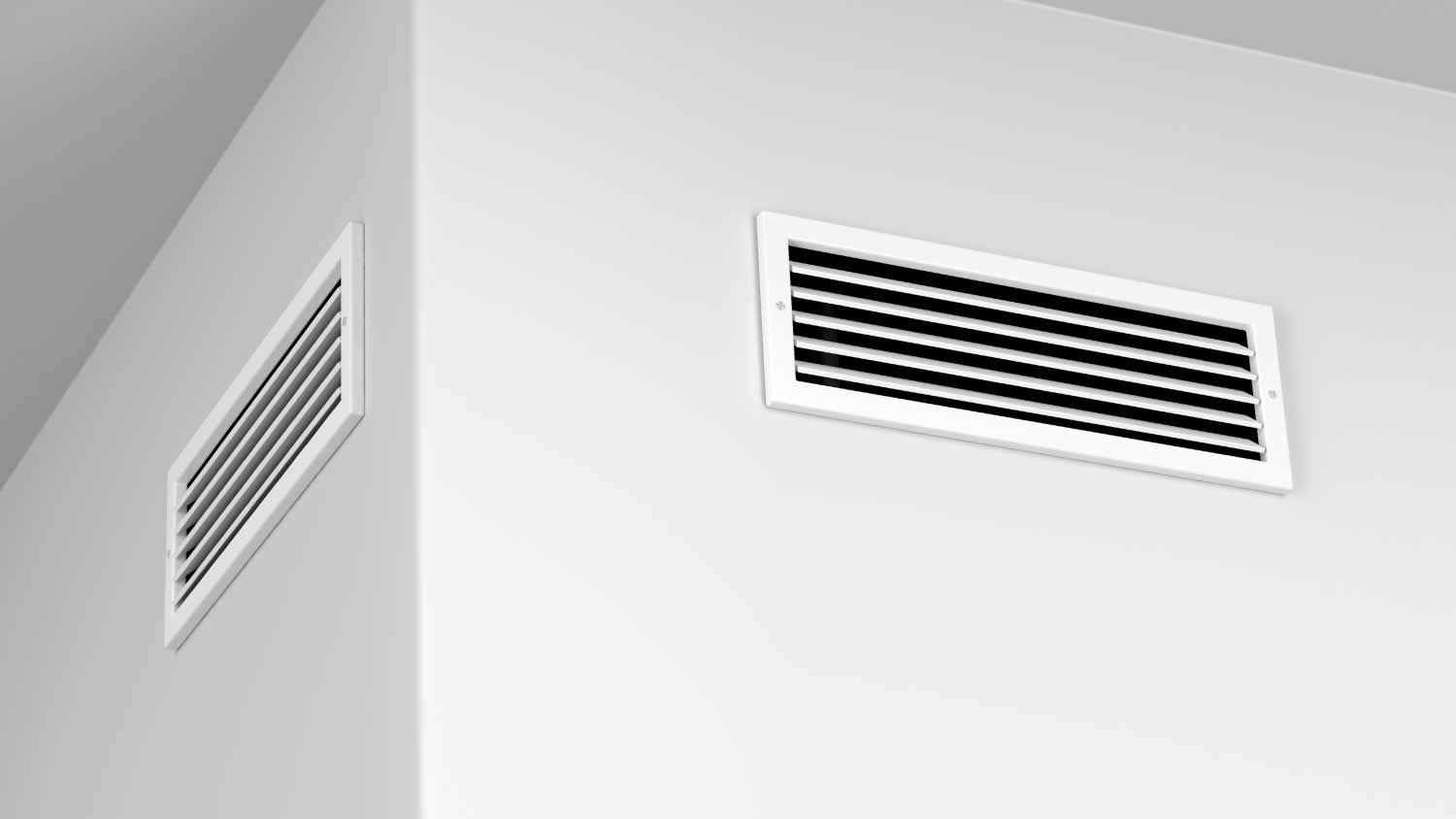
Curious about how much it will cost to add a return air vent? Our guide will help you discover the cost factors and ways to save on this project.
You can easily have lower energy bills and cleaner air

Insulation in air ducts prevents heat loss or gain, keeping your conditioned air at the right temperature as it travels through your home.
Expect to pay $1,000 to $2,700 for duct insulation, with average costs around $2,500 depending on material and R-value choices.
Your ducts need insulation when they run through unconditioned spaces like attics or crawl spaces, where temperature swings affect HVAC efficiency.
Hiring a local duct installing professional ensures proper insulation application and helps you avoid safety hazards from incorrect installation or material choices.
Air duct insulation is a crucial aspect of maintaining a comfortable indoor environment and an energy-efficient home. But when is insulation required on air ducts, and what are the benefits? Whether you’ve recently purchased your home and discovered uninsulated ducts or you’re just noticing some problems in your HVAC system, understanding air duct insulation is important. Let’s discuss whether insulating your air ducts should be your next home improvement project.
Duct insulation refers to the practice of adding insulation material to the walls of air ducts. This insulation acts as a barrier, preventing heat transfer between the ducts and the surrounding environment. In simpler terms, it keeps your conditioned air at the desired temperature as it travels through the ductwork. This ensures that the air reaches its destination without losing its thermal properties.

The R-value is a critical factor when it comes to choosing the right insulation for your air ducts. This term refers to the measurement of a material's thermal resistance and indicates how effective it is at inhibiting heat flow.
So, what is R-value in the context of duct insulation? Basically, a higher R-value means better insulation performance. Choosing the right R-value ensures that your ducts can maintain the desired temperature efficiently.

If you’re wondering whether it’s necessary to insulate your air ducts, you need to understand all the amazing benefits that come along with this project. While there is certainly an upfront cost of air duct insulation, these benefits mean the insulation will pay for itself in time.
One of the primary advantages of insulating your air ducts is improved energy efficiency. Insulated ducts minimize heat loss or gain during the distribution of conditioned air, which can lead to significant energy savings over time.
Insulation also helps in reducing moisture buildup within the ducts. Moisture can lead to mold growth, which not only affects indoor air quality but also poses health risks. Proper insulation acts as a moisture barrier, preventing mold from growing inside your ducts.
Similar to inviting mold growth, uninsulated ducts can also be an entry point for insects and rodents. Pest infestation in your air ducts can cause a whole host of problems, including damage to your HVAC system as well as health hazards from waste and carcasses.
Insulation adds an extra layer of protection, making it more challenging for unwanted visitors to find their way into your ductwork.
HVAC systems naturally generate some noise, which can be disruptive to your home. When you insulate your ducts, it can help reduce noise transmission from the heating and cooling system, creating a quieter and more peaceful indoor environment.
Uninsulated air ducts can contribute to poor indoor air quality by allowing dust, contaminants, and moisture to enter the ductwork. Without insulation, these elements can accumulate and circulate throughout the living spaces, potentially leading to health issues, allergen exposure, and less comfortable living space.
Duct insulation can contribute to better indoor air quality by preventing these irritants and pollutants from entering the ducts and circulating throughout your living spaces.
When air ducts are uninsulated, they can strain HVAC systems as they fail to maintain the desired indoor temperature efficiently. In extreme temperatures, these ducts allow heat loss or gain, causing the HVAC system to work harder and consume more energy. This increased workload can lead to premature wear and tear and reduced overall system performance.
Efficiently insulated ducts, on the other hand, ensure that your HVAC system doesn't have to work as hard to maintain the desired temperature, extending its lifespan and reducing HVAC maintenance costs.
There are certainly a host of benefits when it comes to insulating your air ducts, but there are some situations in which insulation is required by law. However, air duct insulation requirements can vary significantly from one state or local area to another.
To determine the specific requirements in your region, you should contact your local building codes or energy efficiency programs. You can also consult with local HVAC professionals or visit government websites for information on insulation standards and recommendations tailored to your location.
In general, there are a few situations in which insulation is commonly required on air ducts.
In regions with very cold winters or high humidity, air duct insulation becomes crucial. It helps maintain the desired temperature of conditioned air and prevents condensation on air vents, which can lead to mold growth and other problems, as we mentioned earlier.
When air ducts are located in unconditioned spaces—such as attics or crawl spaces—they often require insulation to protect them from extreme temperature fluctuations.
There are a lot of different types of air duct materials and some are more energy efficient than others. For example, sheet metal air ducts are among the most energy-efficient air ducts, while flexible air ducts tend to lose more energy due to frequent tears and damage.
If your ducts are made of materials with low energy efficiency, like thin flexible ducts, insulation is essential to compensate for their inadequacy.
Leaking or damaged ducts should be repaired or replaced as soon as possible since they can result in energy waste, pest infiltration, and decreased system performance. Insulating them can help mitigate these issues temporarily.
While older ductwork doesn’t necessarily need to be replaced immediately, it may not have been designed with energy efficiency in mind. Insulating older ducts can significantly improve the overall performance of your HVAC system.

Duct insulation costs $1,000 to $2,700, but most homeowners spend around $2,500. Costs vary based on the material, with fiberglass blankets costing around $1 to $4 per square foot compared to spray foam costing $8 to $13 per square foot. As with all insulation projects, expect to pay more for thicker insulation with a higher R-value.
While it's possible to take on this DIY project if you know how to insulate ductwork, it's often recommended to hire the pros. They have the expertise to ensure that the insulation is applied correctly and that the job is done efficiently and safely.
If you’re not confident in your ability to insulate your air ducts in a way that will ensure a safe, efficient, and damage-free installation, enlist the help of a local duct installer for this task.
I have used Columbus Worthington Air for years and recommend them whenever I have a chance. The staff is quick, courteous, and well-trained.
 ARS Columbus Worthington Air
If you’re good people wanting to do business with good people, hire Matt. He is a consummate professional and utterly competent. He installed a water heater in my home at a price that beat competitors by hundreds of dollars with a promise to support the unit for its life (even after its 6 yr...
 Greene's Plumbing Services
Corey Carr was great. I had damage from a recent storm and needed to have my mast and other components replaced. The project entailed coordinating with AEP, and Corey helped make a stressful situation a lot less stressful. I really appreciated his dedication to service and the job very well done.
 Mr. Electric of Columbus
This service was great. My air conditioner went out during the heat spell that we had. My husband has health issues and they came out that night and at 9:30pm the air conditioner was fixed and running. We are sooo very thankful, this is the company I will be using from now on and would...
 Mr. Mechanical Ohio
Great company! Price was competitive, technician showed up on time and completed the job (exterior electric Radon fan replacement) quickly. Would hire them again.
 MaGen Property Inspections and Radon Mitigation
Raven and crew does absolutely fantastic job. They are very professional if any concerns were to occur with any of her work she always took responsibility and finished out with a great job. I have worked with her business for a year and have always been satisfied. Very trusted business and...
 Creations of Transformation LLC
I would recommend this company to anyone! He showed up on time, was friendly, completed a very difficult repair on our dryer vent cover, was responsive, and pricing was extremely fair and competitive. I would have him back to do any of our repairs or cleanings without hesitation!
 U.S.A. Dryer Vent, LLC
Ace Fireplace Services' chimney sweep service is truly exceptional. They used advanced technology to ensure a thorough cleaning process, and my chimney has never looked better. I highly recommend their services.
 Ace Fireplace Services
The technician was very professional and friendly. He answered all my questions and was very thorough. He left the fireplace area very clean . He inspected from the roof and advised me as to other work that might need to be done. There was no pressure there. I was very satisfied with the...
 Supreme brick & chimney
On time, clean and finished fast. Windows seem sturdy and the finish is good. Caulking was done with no smudges. Would recommend.
 Window Depot USA of Central Ohio
From average costs to expert advice, get all the answers you need to get your job done.
Curious about how much it will cost to add a return air vent? Our guide will help you discover the cost factors and ways to save on this project.

Whether your energy bills are out of control or you can’t keep your home comfortable, it’s good to know what costs to expect before you pay to insulate your ductwork.
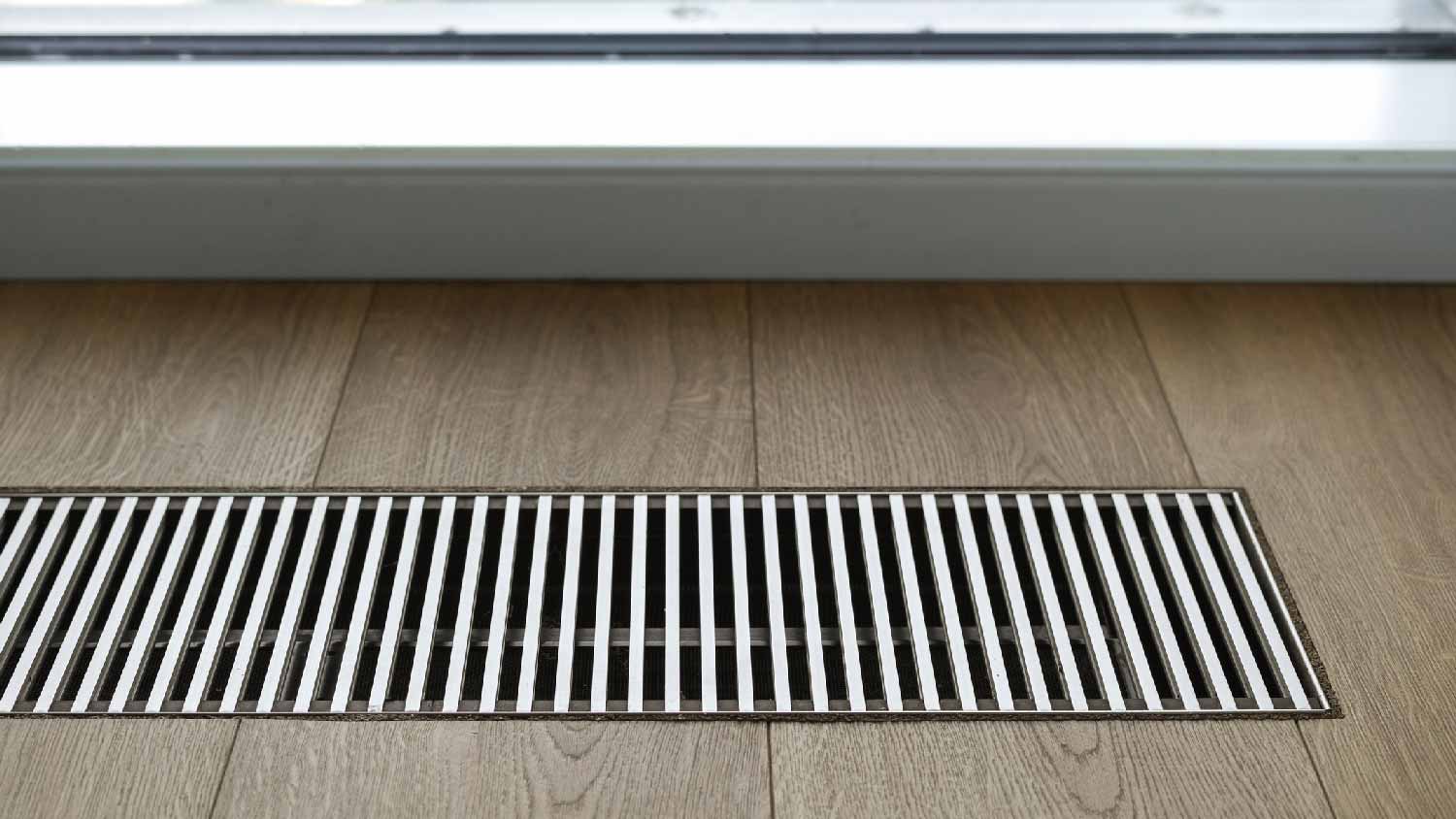
Air duct inspections ensure your ductwork is in tip-top shape. Learn all the air duct inspection cost factors that impact what you’ll pay.
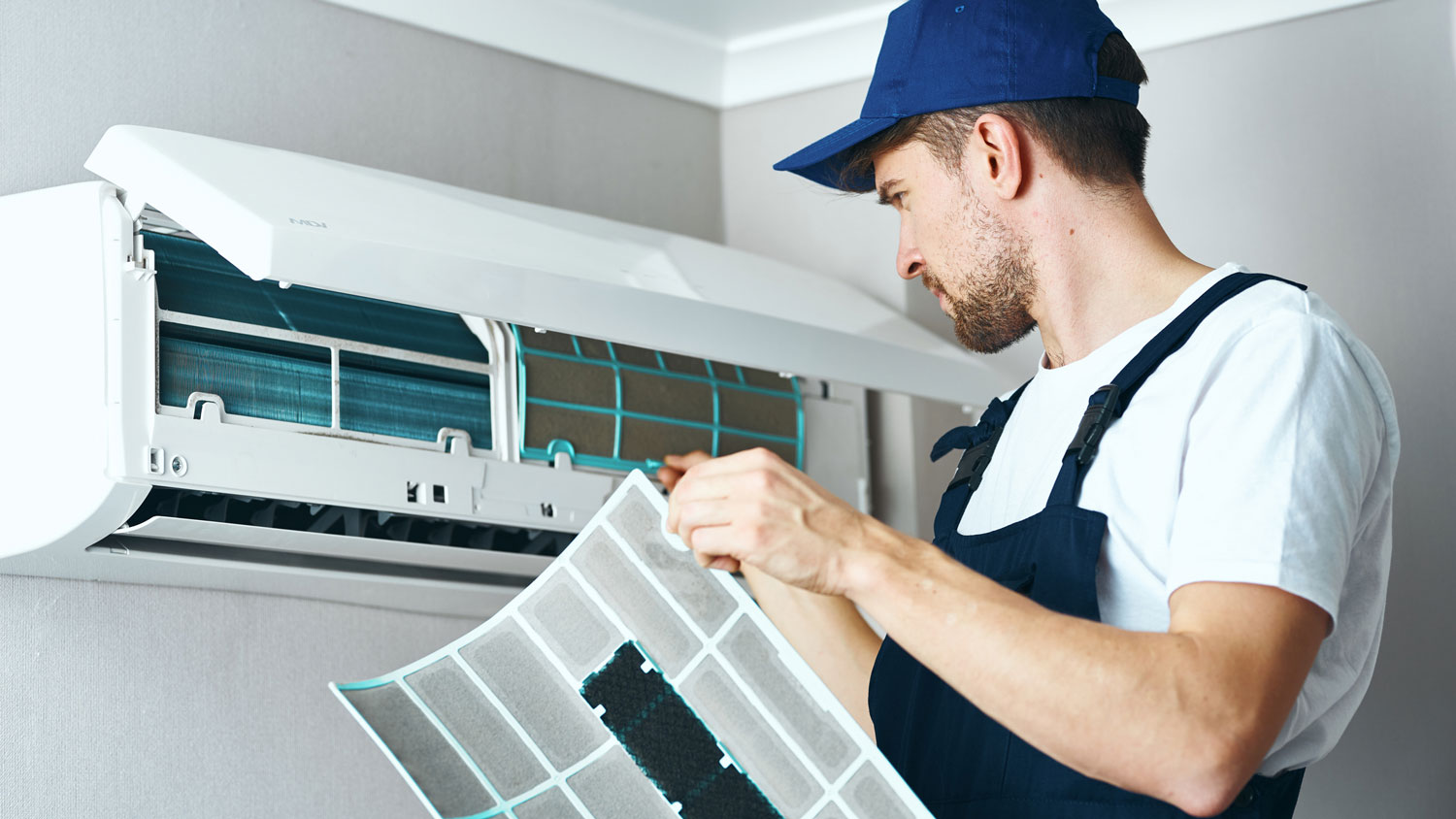
Thinking about getting your air ducts cleaned to improve energy efficiency? Read these duct cleaning guidelines all homeowners should know before they do.
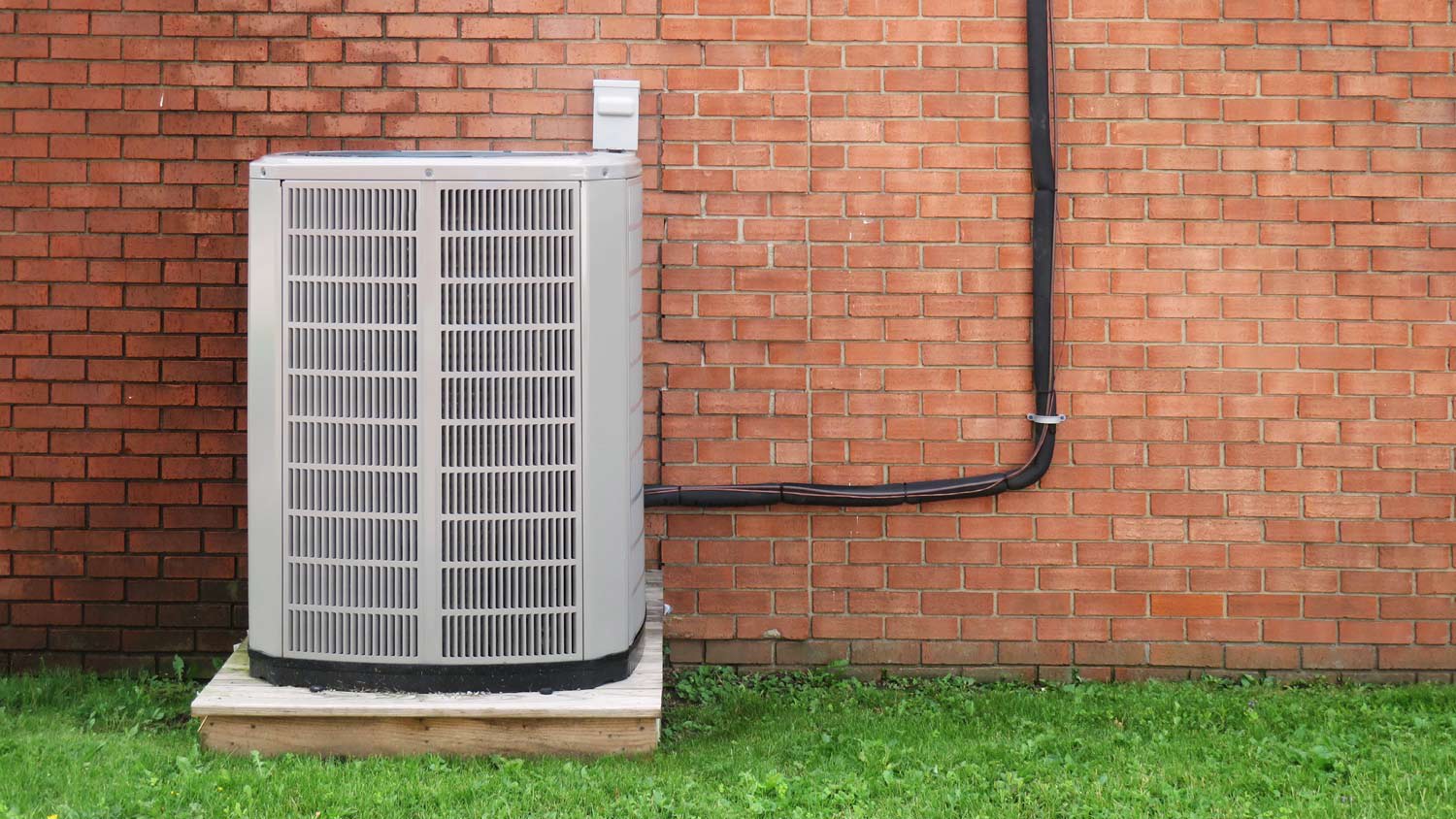
Properly maintained air ducts are essential to keep up the air quality of a home. However, it can be tough to know when to professionally clean an air duct, when to repair it, and when to chuck it and buy a new one.

Follow this step-by-step guide to insulate air ducts in crawl space with duct wraps and maintain your HVAC efficiency. This is a low-cost DIY project.