
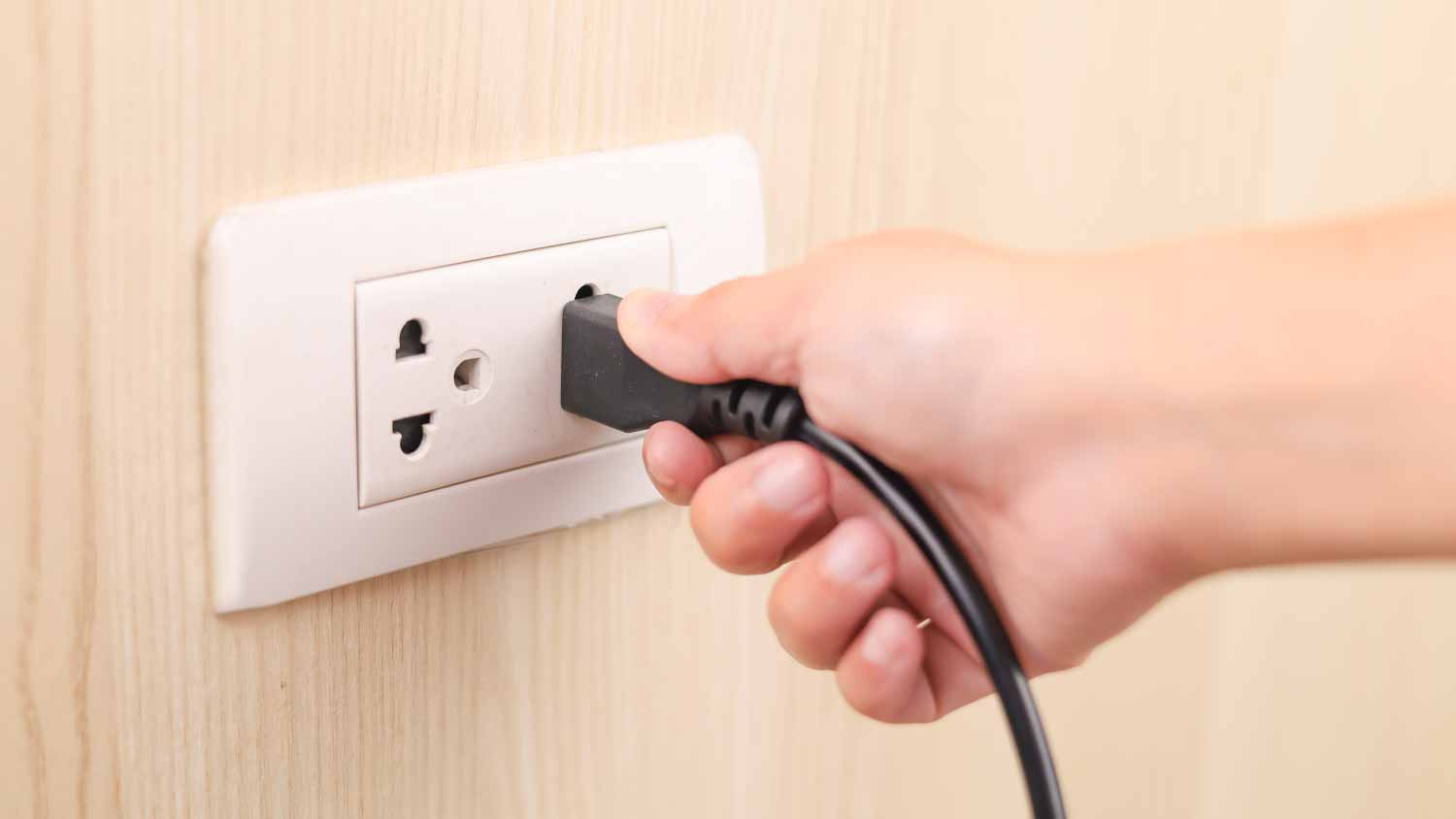
A ground fault is the accidental connection of live electricity to the ground. Learn more about the common causes of a ground fault.
This important safety feature protects you from an electric shock

Electrical grounding creates a safe backup path for electricity to reach the ground, protecting you from shocks and preventing fires during electrical failures.
Expect to pay $100 to $300 for a ground rod installation and up to $4,000 for complete grounding work, including new wiring throughout your home.
Your home's grounding system relies on a third wire connected to a ground rod, which redirects dangerous electrical surges away from your circuits.
Hiring a local electrical professional provides reliable support for grounding installations and testing, keeping your home safe from electrical hazards and code violations.
When your home’s electricity works properly, you probably don’t give it much thought. But if you understand the basics about how your house is wired, you’ll be better prepared to deal with any issues. One home electrical concept that’s worth familiarizing yourself with is grounding. A ground circuit ensures that the electrical circuit in a building safely completes if neutral wiring fails—without going right through your body to do it. If you’ve ever wondered, “What is a ground circuit, anyway?,” our guide will take you through how this vital feature works.

Broadly speaking, ground is simply a point in an electrical circuit where voltage is neutral compared to the electrical current in other parts of the system. In other words, ground is part of the circuit, but it’s not doing much by design, so it can act as an emergency circuit when necessary.
In a typical residential home, the grounding system takes the form of a third wire in addition to the live and neutral wires. This wire runs down to a rod that’s, well, in the ground. Take a look at modern outlet receptacles or light switches, and you can probably find a dedicated screw for that grounding wire.
The ground circuit exists specifically as a failsafe if something goes drastically wrong. Consider how lightning always connects along a path of least resistance to a tree, peak, or tall building. All electrical currents work on the same principle: They try to find the easiest way to get to the ground. If an electrical system needs to get rid of a huge amount of electricity quickly, the ground wire provides a safe pathway for the current. You might blow a fuse, but it’s a far better alternative than the current finding an exit point via flammable materials—or through a human body.
A ground circuit isn’t always necessary, but it's a vital feature when dealing with large amounts of electrical power. This includes the electrical circuits in our homes and vehicles.
Ground and neutral wires have similar functions in a home’s electrical system, but some key differences exist.
The purpose of a neutral wire is to safely complete the electrical circuit to ground so the current flows properly. In that sense, a neutral wire is like a ground wire—except it’s always active. And because the neutral wire always carries a lot of current, it can overheat if damaged, possibly leading to shorts or other problems and dangerous shocks.
A ground wire functions separately and acts as a backup in case the neutral connection fails and the circuit needs to be completed by other means. In other words, it does the same job as the neutral wire, but only in emergencies.

You can come across a few different types of grounding in electrical systems. But most residential homes usually use the following:
Grounding rods: Grounding rods are the most common method to ground home electrical systems. They are driven directly into the ground, and the primary ground line is attached to the top of the rod. These rods are standardized to be installed at least eight feet deep and are typically made of copper or copper-plated steel.
Grounding to water pipes: Some buildings are grounded with connections to water pipes that lead underground. This is no longer common—water pipe grounding is difficult to test and less reliable—but can still be found on some older buildings. Where water pipes are used to ground, they have additional requirements, including electrically continuous joints, at least ten feet of pipe directly contacting the earth, and avoiding water meters.
The National Electric Code (NEC) and other standards typically require that household electrical systems include grounding. However, that wasn’t always the case, so not all older homes are grounded.
It’s easy to see if an electrical outlet was designed for grounding. Grounded receptacles have spaces for three-pronged plugs, with the third prong serving as the ground connection, while outlets without grounding will only support two-pronged plugs. You can also check light switches by unscrewing the faceplate and seeing if the receptacle has a terminal for a ground wire and if it’s attached.
If there are no grounding wires, your home may not have a grounding circuit available. This is usually only an issue in homes at least 60-70 years old. A licensed electrician near you can walk you through your options for electrical upgrades. Until then, adding GFCI (ground fault circuit interrupter) outlets can help provide valuable protection as well.
During electrical work, you may have to test an electrical system to find out if it’s grounded properly. A tool like a multimeter can show whether or not a system is successfully grounded. A hot wire will show low resistance if a multimeter’s probe is making a ground connection, meaning that the current is finding an easy way out.
Installing a home ground rod typically costs $100 to $300. However, grounding an old system also requires extensive wiring work and grounding wire can cost up to $8 per linear foot. This is why the total cost for a grounding project can easily climb to $4,000 or more.
DIY electrical repairs can be dangerous, especially for those without proper training. Improper electrical repairs can create dangerous conditions in a home, such as an increased risk of electrocution and house fires. The National Fire Protection Association reports that wiring and equipment-related fires are the deadliest type of electrical home fire.
We recommend hiring a licensed electrician rather than attempting to ground your electrical system yourself. A trained professional will know the safety codes and requirements for your home and local area.
I recently had Mosby Electric perform an electrical installation on 8-14-2026, and I couldn’t be more satisfied with the service. From the moment I called, their team demonstrated fast arrival and professionalism. The electricians were highly knowledgeable, completing the installation...
 Mosby Electric
Great company! Price was competitive, technician showed up on time and completed the job (exterior electric Radon fan replacement) quickly. Would hire them again.
 MaGen Property Inspections and Radon Mitigation
I conferred with 2 other contractors before Armstrong Electric. Nick and his crew showed me that the project was not as convoluted as the other contractors made it appear to be. They completed the entire project on time. They were professional, friendly and cleaned up after at completion. I...
 ARMSTRONG ELECTRIC, LLC
The techs on my project, Shawn and Cliff, were great. They were prompt, courteous, and efficient. I am very happy with the results and would definitely contact Mr. Electric for any future electrical projects.
 Mr. Electric of Columbus
Victor was wonderful. He was on time, professional, and explained everything he was doing. He was thorough and figured out that the problem was electrical instead of with my HVAC system. Very knowledgeable. I will be using this company in the future for any HVAC needs. Thanks!
 Hubbs Heating & Air LLC
They were excellent. They did a great job. I was totally satisfied. They put tremendous effort in making sure the work was completed. They were great. They provided immediate response to any inquires I made. I would hire them again. I would recommend them to anyone who needs electrical work....
 JCB & Associates, LLC DBA Property-Tech Industries
Initially, the repairman could not find the problem. Apparently, there was some electrical shortage, but he could not find the definite problem. He left, but called back later to say he had a new idea. He returned and replaced the light switches on the doors. The refrigerator seemed to return...
 Appliance Pro LLC
The initial quoted price from a walk-through seemed high, but we discussed that the quote represented worst case scenario (re-wiring to two floors) and we were excited about the opportunity to have the work done in a timely manner with closing for fire safety reasons, etc. When the job was...
I have to tell you I am all about customer service - I will go out of my way and even pay more for it if you give me great customer service. <br> <br>In a world where this is hard to find, these guys were awesome! I can not sing their praises enough. They were prompt, personable, funny, got...
 Waibel Electric
When I challenged the markup on the generator, Bruder Electric withdrew its bid. They only want naïve customers.
From average costs to expert advice, get all the answers you need to get your job done.
A ground fault is the accidental connection of live electricity to the ground. Learn more about the common causes of a ground fault.

A short circuit can cause electrical fires if you don’t take steps to prevent one. Here’s what you need to know about what a short circuit is.
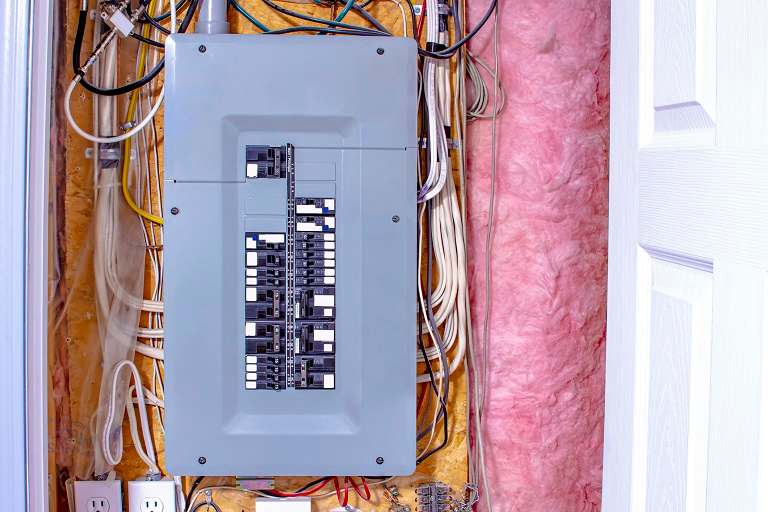
When you need to figure out how to find what is tripping your circuit breaker, our guide can walk you through the possible causes and how to identify them.

What does a ground wire do? During a power surge, the ground wire lets excess energy safely exit your home and go into the ground, keeping you safe.

Circuit breakers and surge protectors protect your home electronics and wiring, but they work in different ways. Here’s what you should know about these vital components.

If your circuit breaker keeps tripping when you use the toaster or coffee maker, learn why it’s happening and how to fix it.