
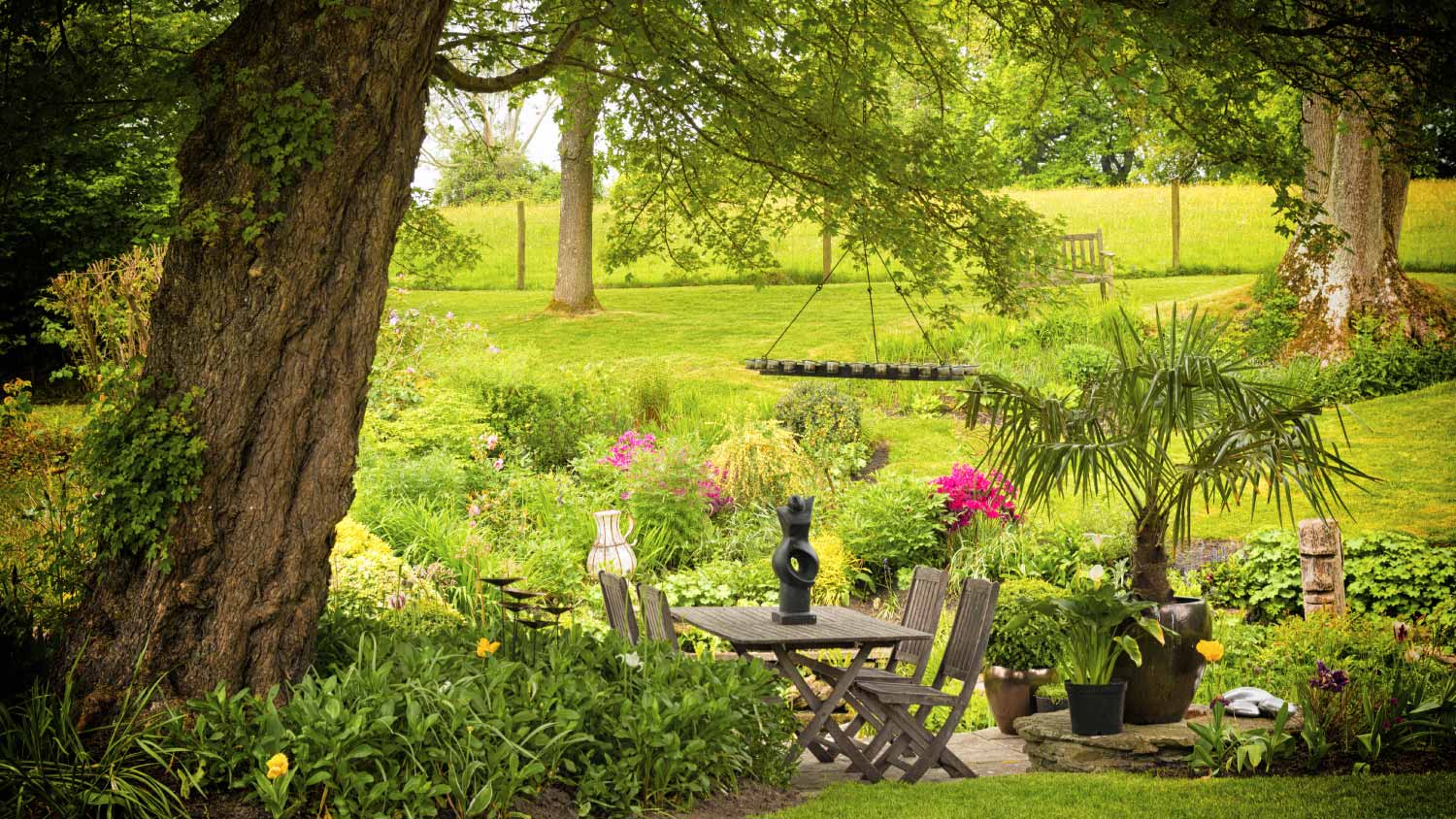
Learn the ways in which you can gently help your tree after its bark has been damaged, whether by woodpeckers or a lawnmower.
Chew on these tips for managing tree-boring insects

Tree-boring insects lay eggs inside your tree bark, and larvae chew through inner bark until they emerge as adults.
Sawdust-like frass around your tree base and small oval or round holes in the bark signal an active tree borer infestation.
Pesticide applications, strategic pruning, or careful manual methods like inserting stiff wire in holes can reduce damage, but wear gloves and eye protection.
Hiring a local tree maintenance professional provides expert diagnosis and targeted treatment plans, helping save your tree before the damage becomes irreversible.
Tree-boring insects are a likely culprit when wondering what is eating your tree trunk. Many varieties of these pests exist, and nearly any type of tree can fall victim if the circumstances are right. Learn how to deal with tree-boring critters, discover tree-saving methods, and prevent insects' return.

Tree borers are highly destructive to trees and shrubs. Their larvae do most of the damage after adult insects start the process. Wood-boring insect species lay eggs inside the tree, and when the young are born, they eat the tree fibers under its bark until they emerge as adults.
Tree borers are destructive because they tend to destroy the most crucial part of the tree directly under the bark. Another reason is their activity can go unnoticed until it's too late to save the tree or repair the damaged tree trunk.
Dozens of insect species qualify as wood borers, and it often takes an expert to discern which precise type is infecting your tree. Here are a few of the most common types.
Round-headed wood borers also go by the name of long-horned beetles and typically attack trees already suffering from other stressors. The larvae of these beetles do damage by consuming the inner bark of limbs, trunks, and roots.
Flat-headed borers are similar to round-headed relatives in that their larvae consume the tree's flesh directly underneath the bark. Flat-headed species often have an iridescent appearance, giving them their alternate name, metallic wood borers.
Clear-winged moths that look like wasps and other moth varieties are wood borers that generally attack specific types of trees in various conditions depending on the species. While the adults are harmless to trees, the larvae cause damage quickly.
As the name implies, wood wasps are simply wasps that develop nests under the bark or into the flesh of distressed trees, from which their larvae consume the delicate fibers for up to two years before emerging as adults.
Carpenter ants are somewhat different from other wood borers. While destructive when they attack cut wood in homes, finding carpenter ants in a living tree isn't always cause for alarm. Ants don't eat wood. Instead, they remove dead portions of it to make room for nests. Carpenter ants won't harm healthy tree parts. Their only interest is getting dead tree material out of their way.

Identifying tree borer activity is quite different from diagnosing tree fungus types. Instead of looking for evidence in the leaves and dying branches, discovering tree borer presence is a matter of noticing signs in and around the tree's trunk.
Adult insects must make their way deep into the tree's bark. This activity can create small amounts of sawdust-like material around the tree's base. Another word for the sawdust-like stuff is frass, which can serve as a first sign of trouble. The next signs of infestation are finding small oval or round holes where larvae emerge from after doing their damage and becoming adults. These holes may leak sap or oozing substances.
Success in eliminating tree borers can depend on how soon you discover the situation. If the tree isn't too far gone, there are several steps you can take to save the tree.
Several types of pesticides exist that can treat or eliminate wood borers in the early stages of infestation. However, the use of some of these chemicals is highly regulated and only available to professional exterminators or arborists. Pesticides can be effective by applying them to the tree or surrounding soil, but you’ll need to hire a professional exterminator to do so.
In some cases, tree-boring insects may primarily attack tree branches. If that's the case with your tree, strategic tree pruning and trimming can reduce or eliminate the pests, slowing or stopping the damage. Be sure to consult a tree trimming specialist about the best pruning methods to use to avoid further damage or disturbances to the tree.
In some infestations, especially with moths that create relatively large holes for laying their eggs, you can insert a stiff wire into each hole made by an adult and kill the larvae hidden within. While tedious, this method avoids the use of chemicals or tree cutting.
All too often, by the time tree-borer infestations make themselves known, the damage is too much for the tree to handle. Homeowners must frequently kill the tree and remove it if its death is imminent.
While there are several ways to manage tree borers, prevention is the best method of protecting your trees. Try these prevention methods to help keep these destructive insects away.
Mulch and fertilize around tees and maintain proper seasonal watering schedules for the species.
Consider regular preventative chemical treatments.
Avoid pruning or trimming your trees when adult wood-boring insects are active and breeding.
Maintain healthy trees and protect them from injuries.
Controlling or getting rid of wood borers once your tree suffers an infestation is difficult at best. While DIY options for managing or eliminating the problem are available in the form of pesticides or manual removal, an expert's touch is almost always necessary.
Your local tree maintenance professional can identify the infesting insects to develop and implement a plan to give your tree the best survival chance. Your professional can also offer other services that are tricky to DIY, such as straightening a leaning tree or providing a tree removal cost estimate if that becomes necessary.
This service was great. My air conditioner went out during the heat spell that we had. My husband has health issues and they came out that night and at 9:30pm the air conditioner was fixed and running. We are sooo very thankful, this is the company I will be using from now on and would...
 Mr. Mechanical Ohio
One of my old tall evergreen trees was suddenly leaning toward the busy street in front of my house. I submitted a request for an emergency tree inspection, and Alejandro, owner of Cajete Tree Service, contacted me immediately and arrived to look at it just 20 minutes later. We agreed the...
 Cajete Tree Service LLC
1 tree was cut down and 5 others including a large willow tree were trimmed. The Grant Tree Service men were professional and cleaned up afterwards. The cost of the 6 trees were affordable. I am very happy with the results. I would hire them again.
 Grants Tree Service
D1 Roofing delivers outstanding service from beginning to end, backed by a strong warranty and expert teams. I highly recommend them for their excellence in meeting and surpassing expectations with unmatched communication. Choosing D1 Roofing was flawless decision
 Division 1 Roofing LLC
Promptly arrived for quoting! Demonstrated superb customer service, affordable pricing, and completed service swiftly! Looking forward to the spring for our service!
 All Star Paving and Sealing
Seth was very professional, prompt in responding to queries about the work required , gave sincere advice as to what would be best for tree trimming and did the job timely.
Ace Fireplace Services' chimney sweep service is truly exceptional. They used advanced technology to ensure a thorough cleaning process, and my chimney has never looked better. I highly recommend their services.
 Ace Fireplace Services
I definitely recommend Ramonaâ s cleaning service! I have booked services with her many times and she arrives on time, ready to work and provides a great service.
 Your Cleaning Solutions LLC
Webb â s was priced well, flexible on scheduling, great with communication, and detailed in their work. Iâ ll definitely use their services again.
 Webbs Pressure and Paint LLC
Great tree company, very professional and honest. Glad we found them, they had the best pricing
From average costs to expert advice, get all the answers you need to get your job done.
Learn the ways in which you can gently help your tree after its bark has been damaged, whether by woodpeckers or a lawnmower.

Holes in trees aren’t always a bad thing, but there could be an underlying cause that’s killing your landscaping. Here’s what to do to help your trees.

Find out how to tell if a tree is dying and what you can do about it in this guide. The sooner you catch the problem, the higher your chance of saving your tree.
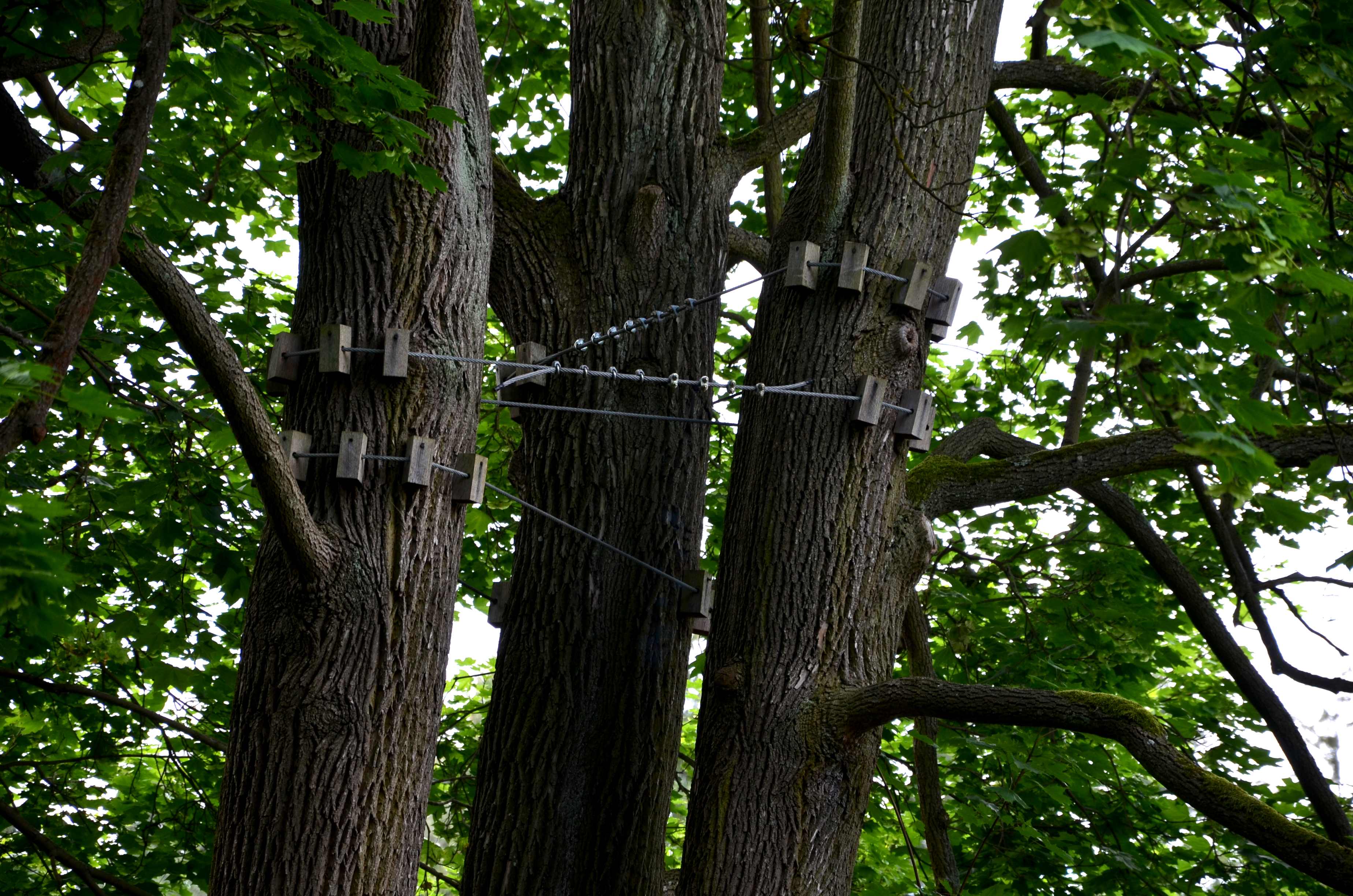
Cabling and bracing trees may help to increase longevity and prevent limbs from falling when trees are showing certain signs of distress.
What should you do after a tree hits your house? Here's what you need to know to be safe when tree damage strikes.
Ready to learn how to cut down a tree in your yard? Follow this DIY guide to find out how to safely fell a tree with a chainsaw.