
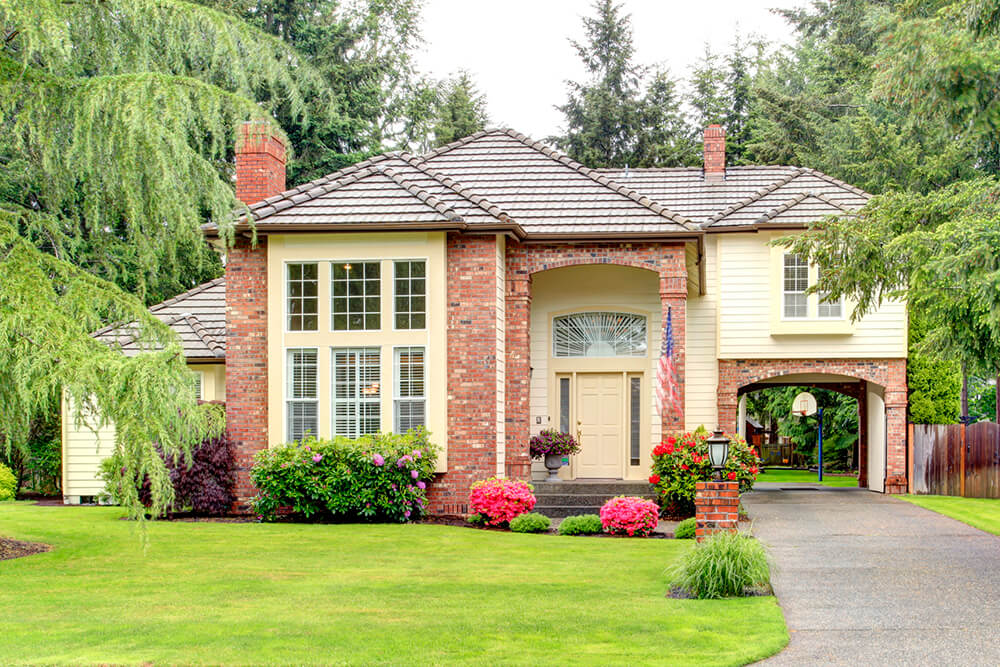
Brick veneer is a popular siding material that can boost your curb appeal. Learn all about how much this siding material costs based on factors like location and type.
Learn the secrets of this versatile and durable siding alternative

Brick veneer siding is a single decorative layer covering exterior walls, adding protection against moisture and damage while offering your home a classic brick look.
Material and installation costs range from $6.50 to $30.50 per square foot, with thin brick veneer strips costing $3 to $10 per square foot for materials alone.
You can choose from face brick, thin brick strips, faux brick veneer, or faux brick panels, each offering different installation methods and aesthetic options for your exterior.
Hiring a local siding professional provides expert guidance on material selection and installation, helping you avoid hidden moisture problems and ensuring proper cladding techniques for lasting protection.
At well over 9,000 years old, brick is one of the world's oldest construction materials. In fact, we still build solid brick buildings from time to time. However, the material also provides a more aesthetic function as a siding material in the form of brick veneer. So, what is brick veneer siding? Here's what you need to know about the available types and features of this versatile and durable ancient building block and how to incorporate it into your home.
Brick veneer siding is a single layer of bricks, strips of bricks, or synthetic bricks to cover a wall and offer the appearance of a solid brick home without the higher cost.
Brick veneer siding is a type of house siding that serves as an overlay for hiding structures or adding appeal to the wall unit behind it. Other veneers include stone veneers, which may consist of actual rocks or a synthetic replication of them.
In the case of brick veneer, the overlay may be standard full-sized bricks, slices of brick, or a synthetic material that looks like brick installed on the side of a building or home. The veneer may reach the full height of an exterior wall or only a lower portion, typically on the front of the house or building.
While the construction of a solid brick building consists of several layers, or wythes, of brick, a brick veneer is limited to the thickness of the veneer material, which can be the width of traditional brick or a thinner version.
Adding a layer of brick veneer to an existing home's exterior has multiple benefits beyond its stylish aesthetics. Brick veneer falls into the category of cladding, meaning that it sits atop multiple layers of siding that encourage airflow, water resistance, and insulation. Here are some of the pros related to adding brick veneer:
Brick veneer offers additional protection against moisture, leaks, and damage from mold.
The additional layer increases the insulation, or R-value, or exterior walls.
Brick veneer will not fade or warp like wood, vinyl, or other similar siding options.
The veneer can last up to 100 years when properly maintained.
Homeowners can increase their home's curb appeal without the cost of brick masonry.
At the end of the day, brick veneer is not brick masonry; it will never have the same strength and longevity as a solid brick. Consult a local siding contractor to determine whether the brick veneer pros outweigh the cons for your home project. Here are some things to keep in mind when considering adding brick veneer to your home:
Repairing cladding and veneer can be more complex and more expensive than masonry walls. Accessing the damaged layer takes time and specialized expertise.
Brick veneer can mask underlying pest, moisture, or mold problems below.
Homeowners in earthquake-prone areas are more likely to experience cracks in the mortar.
Brick veneer is more costly than other siding varieties but for the materials and installation.
Since brick and brick veneer holds moisture, water damage and rot can occur without property moisture barriers.

Just as there are many types and styles of bricks, there are also several types, styles, and price points for brick veneer. All of them are highly durable and have unique aesthetic appeal. Often, choosing one comes down to labor and brick siding prices, appearance, and your budget for the cost of siding replacement.
Face brick veneer siding closely resembles a solid brick wall in that it uses whole, standard-sized bricks installed as if it were simply the outer wythe of a brick wall. Face brick siding is highly durable, and its thickness dramatically alters the overall thickness of the exterior wall.
It's common to find face brick siding covering lower wall portions or continuing up the building's side to cover an entire wall surface. The material costs between $4 and $8 per square foot, plus labor and installation materials.
Thin brick veneer strips are real bricks, just thinner. Thin brick veneer strips come as individual pieces that share similar features to wall tile. Installation involves a process similar to that of tile as well. However, finishing the look uses the same mortar for adhesive and as grout between pieces. Thin brick veneer materials cost between $3 and $10 per square foot.
Faux brick veneer can be a natural or synthetic product that resembles real brick in appearance but installs quite differently. Most commonly, this type of siding comes from high-density polyurethane—a lightweight polymer. Costing between $4 and $10 per square foot, faux brick veneer is typically available in strips that attach to the wall with mortar that also acts as grout between each strip of material.
Faux brick panel siding is just what you'd expect from the name and costs $6 to $10 per square foot for material. Consisting of polyurethane or other materials, faux brick panels come in sheets that adhere to the wall with adhesive and typically don't require grout as the panel edges create a seamless appearance. While faux brick panel siding generally has a higher material cost, labor costs are often less than other types because of the speed of installation.

While a wall containing brick veneer siding can look quite similar to a solid brick wall, the differences outweigh the similarities when comparing brick veneer vs. brick.
Brick is a poor insulating material. A solid brick wall will allow more heat transfer than a well-insulated stick-framed wall with a brick veneer.
Structurally, brick veneer offers no significant value to the strength of the building, while a brick wall is one of the strongest types of walls available.
Brick wall materials are generally inexpensive. However, the labor to build a brick wall is far more intense and costly than that of installing a brick veneer.
Brick walls don’t encourage insects because of their solid build. On the other hand, a brick veneer can hide an infestation in a wood-framed wall behind it for a long time.
As an outer covering only, a brick veneer does little to reduce the overall flammability of the wall materials it covers. A solid brick structure is far less affected by flames and high heat.
You can often distinguish brick veneer siding from a solid brick wall from a distance, especially when the veneer doesn't cover every exterior wall surface.
Depending on the type of veneer, learning how to install a brick veneer is possible in a relatively short time, while masons spend years learning how to build flawless brick walls.
Brick veneer adds one wythe—or a single layer of brick—as opposed to solid brick walls that include multiple wythes for strength. The single brick layer sits atop the home's stick or stone frame for added protection and enhanced look.
Brick veneer siding is a low-maintenance siding that stands up to the elements well. However, that's not to say you can install and forget it. Keeping brick veneer siding looking and performing its best requires occasional cleaning and sealing with a brick-and-mortar sealer and infrequent inspections and repairs by a nearby stone and brick veneer company.
Protect your brick veneer siding by keeping sidewalk and driveway deicing salts and agents away from the wall, diverting rainwater from the brick with gutters and downspouts, and avoiding using a pressure washer when cleaning the material.

When it comes to choosing a siding for your home, the sky’s the limit. You have your fair share of brick veneer siding alternatives that can offer you the perfect style, ease of installation, and budget. Here are some of your options:
Aluminum siding: This affordable alternative to brick veneer siding is a type of metal siding that’s easy to install, weather-resistant, pest-resistant, lightweight, and offers a modern aesthetic.
Engineered wood siding: For homeowners who want the appearance of real wood without the intense upkeep, engineered wood uses layers of plywood and a wooden exterior to give homes a natural woodsy look without the weight or maintenance.
Fiber cement siding: Another durable siding material, fiber cement siding comes from a combination of sand, cement, water, cellulose, and other materials and can resemble other natural materials.
Stone siding: Natural stone siding is available in materials like slate, granite, or basalt and offers a long life span and high ROI.
Stucco siding: Stucco siding is a traditional plaster made with materials like cement, sand, and water, which are applied to your home for a siding that can last up to 100 years.
Wood siding: Wood siding is one of the most eco-friendly materials, depending on which type of wood you choose for your home. This siding is very versatile and can give your home a contemporary look when paired with strong accents and natural stone.
Vinyl siding: For a low-maintenance siding material, vinyl siding is a budget-friendly option that comes from a plastic polymer that can mimic the appearance of wood or stone.
The guys at PaveWay are top notch. From the estimate to the job being completed,all was done in a timely and professional manner. I myself was a DOT Engineer Inspector(know what to look for) and got to talking with Cameron and he himself was a Contract inspector for a few years,same job as...
 All Star Paving and Sealing
I highly recommend KTM construction! I will look no where else for anything that needs to be done, in or out side of our property. The level of craftsmanship is 5 star service across the board! The level of detail, knowledge and professionalism is 5 star service across the board! Ken is a...
 KTM Construction, LLC
I purchased the "Big Deal": $199.00 for exterior pressure-washing of one- or two-story home up to 2,000 square feet. They cleaned the siding only. I wasn't aware when I bought the Big Deal that they would not do any other surfaces other than the siding (i.e. sides of the gutters or stucco). I...
 Complete Home Services
This brownstone is historical and the carpentry work is very detailed. I was very happy to secure a company in NY and living in OH to complete the request. Wood work on this brownstone has been existing since approximately 1888 and West side did a GREAT JOB. I will not be able to...
 Westside Home Improvement
Nice group of workers, very friendly. Day 1 covered everything before starting, seemed very organized. Things seemed to be going great. Day 2 they didn't show up until around 10:00a.m. and work crew was cut in half, was told they had another job. Day 3 they didn't show up until around...
 CertaPro Painters of Columbus
The work went great! Couldn't ask for better. Joel set a work start date. About the time of the storms that may have been associated with Sandy. He was half a day late. They set up on a Thursday. On Friday they had a full crew at work. By Monday they were finishing up. Now, the best...
 NJW Construction
A few months ago, a tree branch fell across my car, leaving a series of dents across the hood and driver's side fender. I took it to Rife's after reading the Angie's List reviews. Rife's did a great job! My car looks like new. And they made the process as easy as possible. When I came in...
 Rife's Autobody Inc
I received an email from Angie's List offering Car Detailing 4 U's services for $99. Coming from Angie's List, I expected this to be a highly dependable and qualified company that was known for doing exceptional work. I set the appointment for them to come to my home. They were arrive at...
We first had Mark fix the back patio and liked his work so much we had him make a brick patio on the side of the house. When we decided to change our concrete walkway to brick, we wanted Mark to do the job because his prices were fair and he did such good work on t he other two projects.
 Mark Monnette Masonry
I was very pleased with the cost and end result. I truly expected this job to cost me 50% more than it did. When you factor quality and cost, I would highly recommend Mark's services and plan to use him in the future. The best part was, I asked Mark to match the paint color in one section...
 Fresh Touch Custom Painting Inc.
From average costs to expert advice, get all the answers you need to get your job done.
Brick veneer is a popular siding material that can boost your curb appeal. Learn all about how much this siding material costs based on factors like location and type.
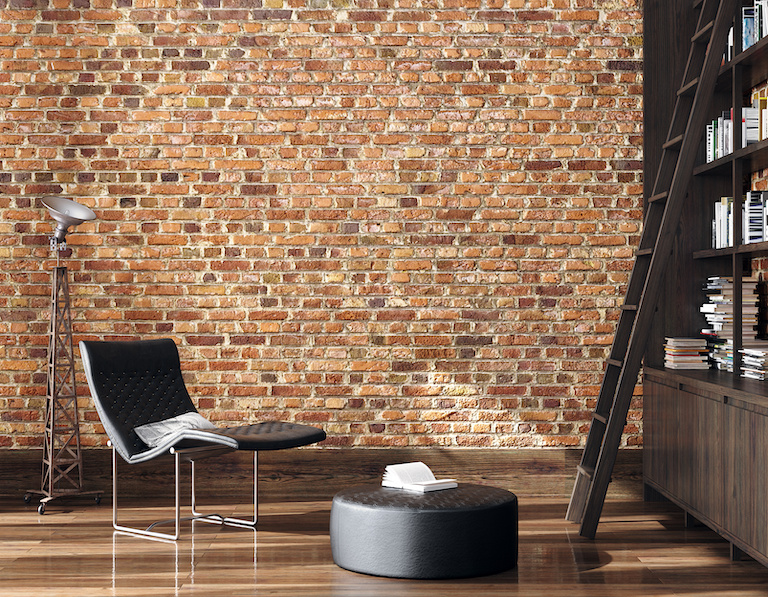
Brick walls can add character and elegance to interior and exterior spaces. Use this brick wall cost guide to see the price range for adding one to your home.
The cost to brick a house depends on several factors, like labor costs, home size, and brick types. Use our guide to estimate your bricking costs.
Trying to decide between brick veneer vs brick for your new home build? Keep reading to learn the differences between these two materials.
Which type of veneer is best for your home: stone vs. brick siding? We’ll explore the pros and cons of both.
Problems in your brick veneer can range from minor, cosmetic cracks to extensive, structural issues. Find out who to call to repair brick.