
The cost to install a bathroom fan will vary based on multiple factors, including the bathroom size, how many fans you need, the type of fan, and more.
Improving indoor air quality one fan blade at a time

An exhaust fan is a mechanical device that removes stale air, moisture, odors, and pollutants from your home by expelling indoor air outside or into a designated exhaust system.
Expect to pay $240 to $565 for bathroom exhaust fan installation and $650 to $2,500 for kitchen range hood installation, depending on your fan type and ventilation setup.
Your exhaust fan needs regular cleaning to maintain airflow, filter replacement in kitchen hoods, and periodic checks of ductwork connections to prevent moisture buildup and ensure efficient ventilation.
Hiring a local duct installing professional provides reliable support with proper venting, electrical connections, and ductwork modifications, keeping your home's air quality and ventilation system working efficiently.
Invisible yet indispensable, exhaust fans are unsung heroes in our homes, quietly ensuring the air we breathe is fresh and healthy. Whether found in kitchens, bathrooms, or even concealed within attic spaces, exhaust fans play a crucial role in maintaining indoor air quality and protecting living environments. Read on for an in-depth explanation of what an exhaust fan is, and learn how it contributes to the comfort, health, and energy efficiency of your home.
An exhaust fan is a mechanical ventilation device designed to remove stale air, moisture, odors, and airborne pollutants from an enclosed area. It operates by drawing in indoor air and expelling it outdoors or into a designated exhaust system, helping to improve air quality, regulate temperature and humidity, and prevent the buildup of harmful substances. Its use is essential for maintaining a healthy and comfortable indoor environment.
To ensure a healthy and comfortable living environment, you need exhaust fans in your home. Removing moisture from high-humidity areas like kitchens and bathrooms prevents the growth of mold and mildew, which can cause structural damage and pose health risks to you, your family, and visitors. Exhaust fans are also adept at eliminating cooking odors, smoke, and airborne grease particles, improving indoor air quality and reducing indoor pollutants. This creates a pleasant and hygienic atmosphere within the home.
Energy efficiency is also a key benefit of exhaust fans. Attic exhaust fans, for instance, regulate temperature by expelling excess heat from the attic space, reducing the workload on air conditioning systems and decreasing energy consumption. Functioning exhaust fans in all areas of the home help control moisture, which can prolong the life span of building materials and lower the risk of structural damage.

Exhaust fans are beneficial for many different areas throughout homes, each boasting their own valuable properties.
Bathroom: Exhaust fans are most commonly associated with bathrooms, working to remove moisture (from all those toasty showers), odors, and pollutants from the air. This helps prevent mold and mildew growth and improves indoor air quality.
Kitchen: Another common home exhaust fan is the kitchen range hood. These are used to remove cooking odors, smoke, and grease particles from the air.
Garage: These exhaust fans are used to remove fumes, odors, and pollutants from the garage space to help prevent the spread of toxic gasses into the home and improve air quality in the garage.
Attic: A bit more uncommon, you may be wondering, “What is an attic exhaust fan?” These fans function a bit differently by helping to reduce cooling costs in hot climates. Similar to other exhaust fan uses, attic fans also regulate the temperature and humidity to prevent moisture buildup, mold, and heat-related issues.
Crawl space: For homes without full basements, exhaust fans work in crawl spaces for similar reasons as their use in attics.
Basement: Usually installed as ceiling-mounted exhaust fans, basements require fans to help remove stale air and moisture.
Laundry room: Similar to basements, laundry rooms often have poor ventilation and benefit from ceiling-mounted exhaust fans to maintain better indoor air quality.
Whole-house: Designed to exchange indoor air with outdoor air, whole-house ventilation systems help to improve indoor air quality. They can include exhaust fans and fresh air intake systems. Whole-house fan costs range between $900 and $2,500 on average.
Maintaining your exhaust fans is essential to ensure they function efficiently and effectively. Proper maintenance not only prolongs the life span of these devices but also contributes to better indoor air quality and energy efficiency. The frequency of maintenance depends on factors such as the type of fan, usage patterns, and environmental conditions. It's essential to refer to the manufacturer's instructions for specific maintenance guidelines and to establish a regular maintenance schedule to ensure your exhaust fans operate at their best.
Regular cleaning is a fundamental aspect of exhaust fan maintenance. Dust, dirt, and debris can accumulate on the fan blades and housing, impeding airflow and reducing performance. Depending on the fan type, you may need to remove the grille or disassemble the fan for thorough cleaning. A vacuum cleaner or a damp cloth can help remove accumulated dirt and particles. Pay special attention to the blades, which are critical for moving air effectively.
In some exhaust fans, particularly those in kitchen range hoods, filters play a critical role in trapping grease and airborne particles. These filters should be regularly cleaned or replaced per the manufacturer's recommendations to ensure the fan's continued efficiency. Clogged or dirty filters can restrict airflow and reduce the fan's ability to remove pollutants from the air.
If your exhaust fan has a motor that requires lubrication, it's crucial to keep it well-oiled. This helps maintain smooth and quiet operation. Refer to the manufacturer's guidelines for the type of oil to use and the recommended maintenance schedule.
Periodically inspect the fan assembly for loose screws, nuts, and bolts. Tighten them as needed to prevent vibrations and noise. Inspect the wiring and electrical connections to ensure they are secure and free from damage. Faulty wiring or connections can pose safety hazards and hinder the fan's operation.
If your exhaust fan is located in areas prone to hazards, like garages or near combustible materials, ensure it remains unobstructed and free from grease or flammable debris that could pose a fire risk.
Examine the exhaust ductwork connected to the fan for any obstructions, damage, or leaks. Ensure the ducts are properly sealed to prevent energy loss and ensure efficient ventilation. This might be a better task for a duct pro.
For more complex or hard-to-reach exhaust fans or if you are unsure about maintenance tasks, consider hiring a professional duct installer to service and maintain your exhaust fans. The cost will vary based on the services required. For example, air duct cleaning costs between $270 and $500 on average.
Exhaust fans are ideal for removing cooking odors and humid or stale air from bathrooms and kitchens, ultimately helping to avoid mold growth and foul smells. Conversely, ventilation fans circulate fresh air throughout your home, balancing airflow while boosting indoor air quality.
Simply put, exhaust fans are all about air removal, and ventilation fans ensure continuous air exchange. Deciding what's best for you depends on your specific needs.
Homeowners can expect the cost of an exhaust fan installation for a bathroom to range from $240 to $565, depending on the fan type, installation complexity, and any necessary ductwork. More powerful or feature-rich models may push costs higher.
The average installation cost for a kitchen range hood with an exhaust fan is around $1,750, though prices can range from $650 to $2,500 based on the hood style, ventilation setup, and labor requirements. High-end or custom installations will be on the higher end of the spectrum.
Whether you should install an exhaust fan DIY or hire a professional depends on the job's complexity.
For a bathroom exhaust fan, experienced DIYers comfortable with electrical work and minor duct modifications can complete the project. However, if new wiring or venting through the roof or an exterior wall is required, a professional ensures proper installation and prevents issues like leaks or inadequate ventilation.
Hire a pro for a kitchen range hood with an exhaust fan because these installations require electrical and ductwork. Some projects also require modifications to existing cabinetry or walls. Remember, no matter the project, hiring a pro saves time and reduces the risk of costly mistakes.
I have used Columbus Worthington Air for years and recommend them whenever I have a chance. The staff is quick, courteous, and well-trained.
 ARS Columbus Worthington Air
If you’re good people wanting to do business with good people, hire Matt. He is a consummate professional and utterly competent. He installed a water heater in my home at a price that beat competitors by hundreds of dollars with a promise to support the unit for its life (even after its 6 yr...
 Greene's Plumbing Services
Corey Carr was great. I had damage from a recent storm and needed to have my mast and other components replaced. The project entailed coordinating with AEP, and Corey helped make a stressful situation a lot less stressful. I really appreciated his dedication to service and the job very well done.
 Mr. Electric of Columbus
This service was great. My air conditioner went out during the heat spell that we had. My husband has health issues and they came out that night and at 9:30pm the air conditioner was fixed and running. We are sooo very thankful, this is the company I will be using from now on and would...
 Mr. Mechanical Ohio
Great company! Price was competitive, technician showed up on time and completed the job (exterior electric Radon fan replacement) quickly. Would hire them again.
 MaGen Property Inspections and Radon Mitigation
Raven and crew does absolutely fantastic job. They are very professional if any concerns were to occur with any of her work she always took responsibility and finished out with a great job. I have worked with her business for a year and have always been satisfied. Very trusted business and...
 Creations of Transformation LLC
I would recommend this company to anyone! He showed up on time, was friendly, completed a very difficult repair on our dryer vent cover, was responsive, and pricing was extremely fair and competitive. I would have him back to do any of our repairs or cleanings without hesitation!
 U.S.A. Dryer Vent, LLC
Ace Fireplace Services' chimney sweep service is truly exceptional. They used advanced technology to ensure a thorough cleaning process, and my chimney has never looked better. I highly recommend their services.
 Ace Fireplace Services
The technician was very professional and friendly. He answered all my questions and was very thorough. He left the fireplace area very clean . He inspected from the roof and advised me as to other work that might need to be done. There was no pressure there. I was very satisfied with the...
 Supreme brick & chimney
On time, clean and finished fast. Windows seem sturdy and the finish is good. Caulking was done with no smudges. Would recommend.
 Window Depot USA of Central Ohio
From average costs to expert advice, get all the answers you need to get your job done.
The cost to install a bathroom fan will vary based on multiple factors, including the bathroom size, how many fans you need, the type of fan, and more.
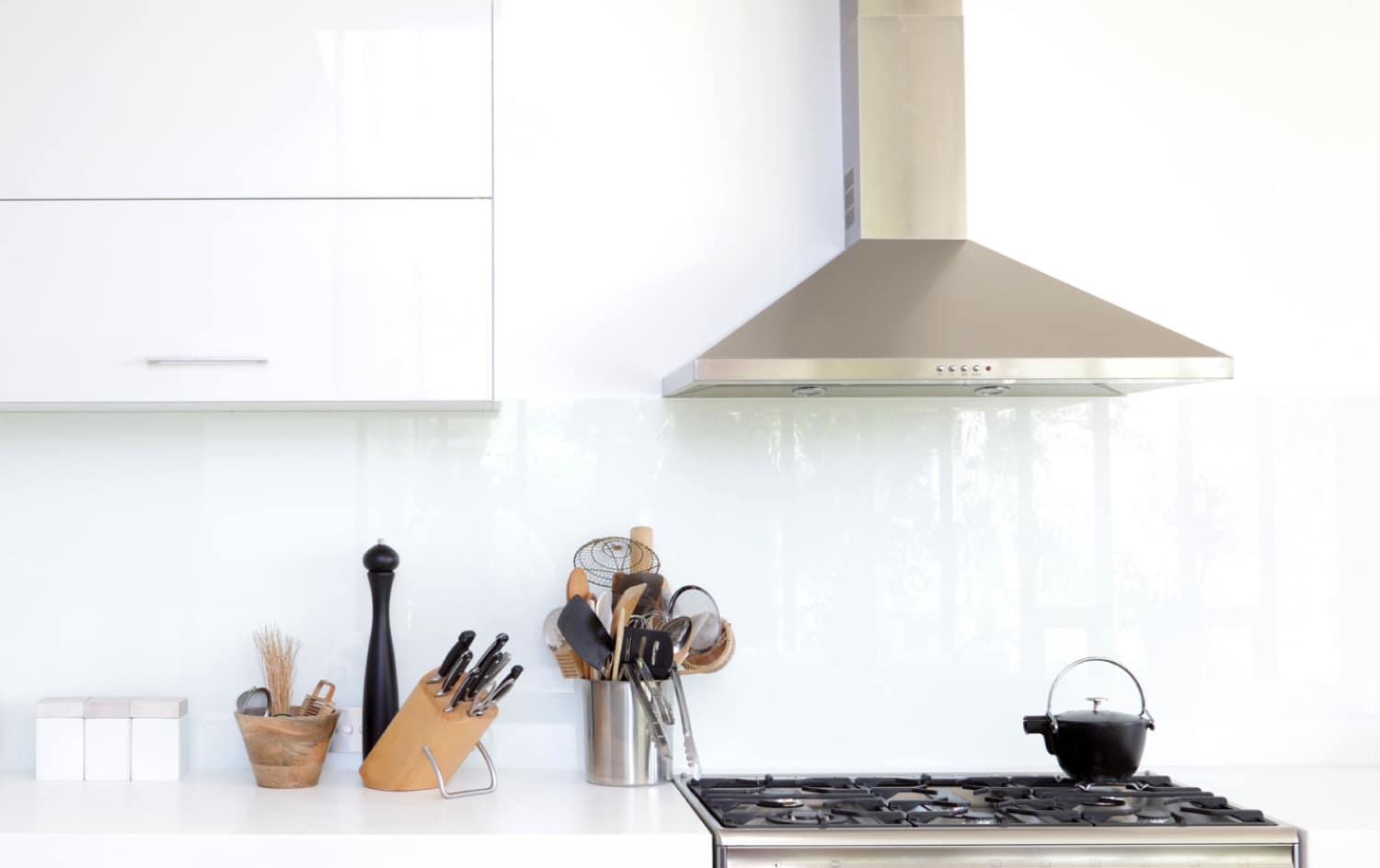
Kitchen exhaust fans improve indoor air quality. Learn more about how these ducted and ductless motorized devices work and why your kitchen should have one.
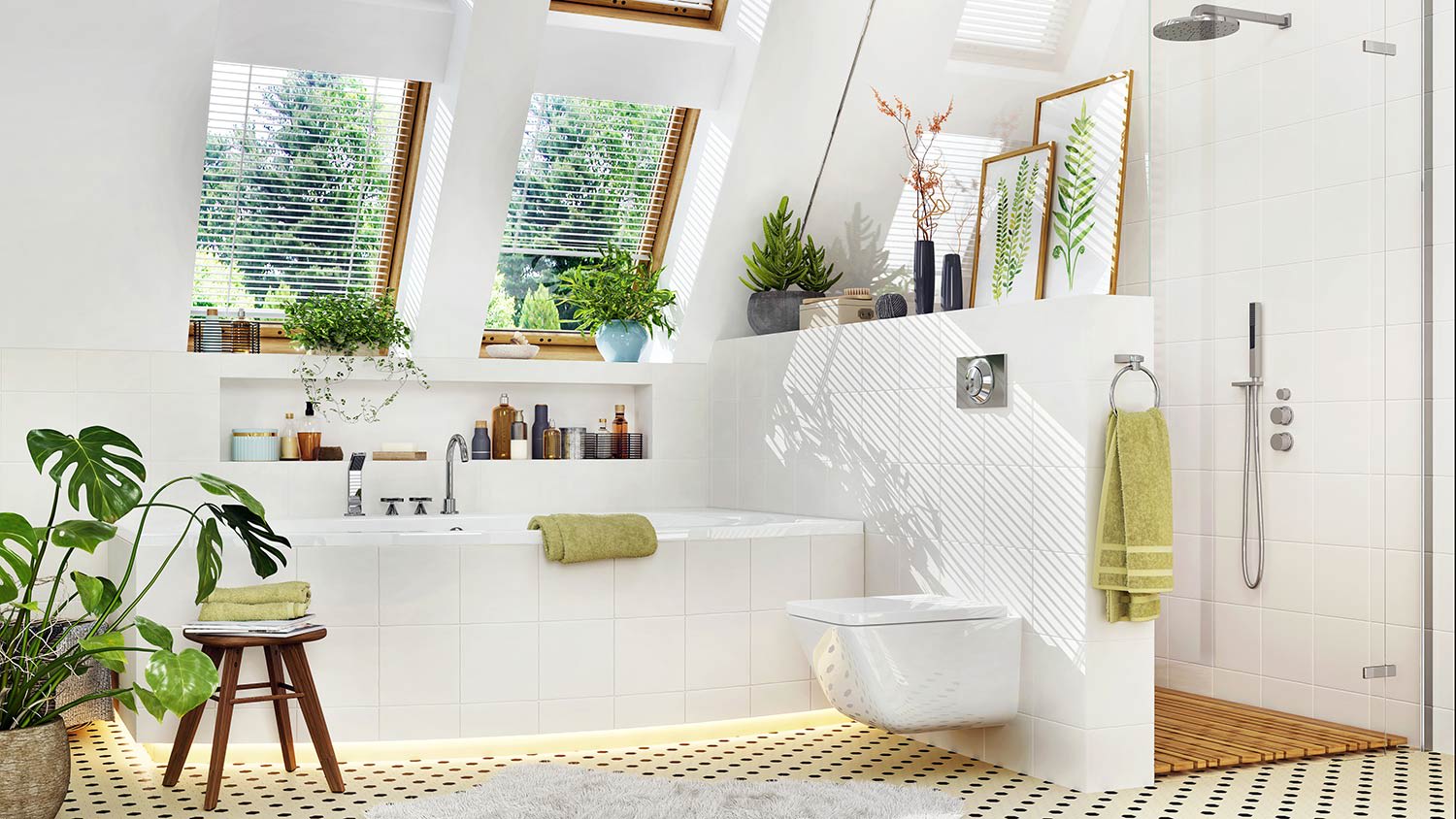
Exhaust fans push moisture and humidity from your bathroom while keeping the air fresh. There are a variety of fans to choose from with extras to make them more useful. To understand how to choose a bathroom fan, check out our helpful guide.
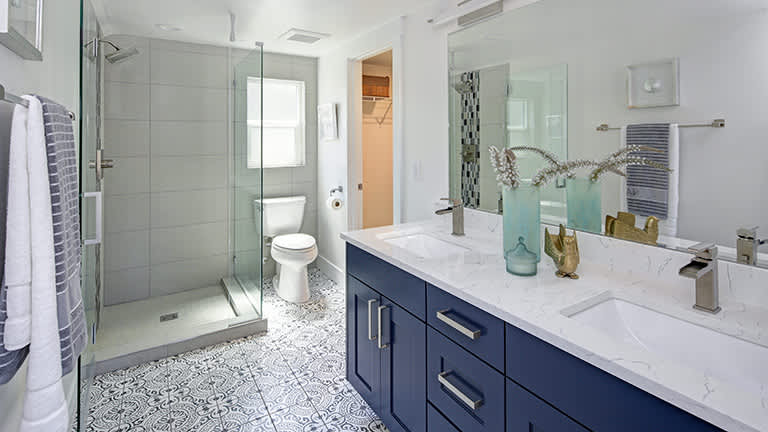
You may be wondering, who installs bathroom exhaust fans when they’re on their last leg. Using this guide, you’ll understand how an electrician or journeyperson will help you out and how to hire the one that gets the job done timely and right.

If you’re wondering who installs bathroom exhaust fans, you can call several different types of pros, or do it yourself, depending on your needs.
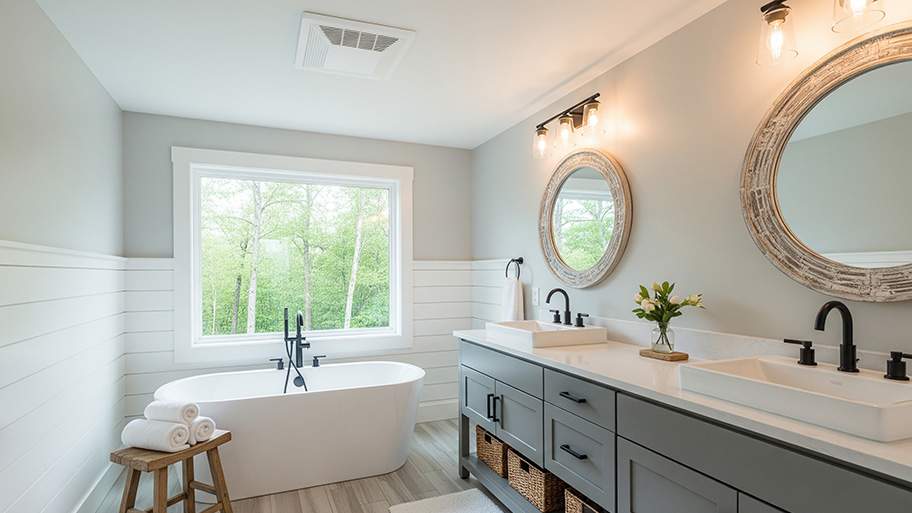
The best bathroom exhaust fan venting option exits through your roof. However, other choices exist if a roof vent installation is not possible.