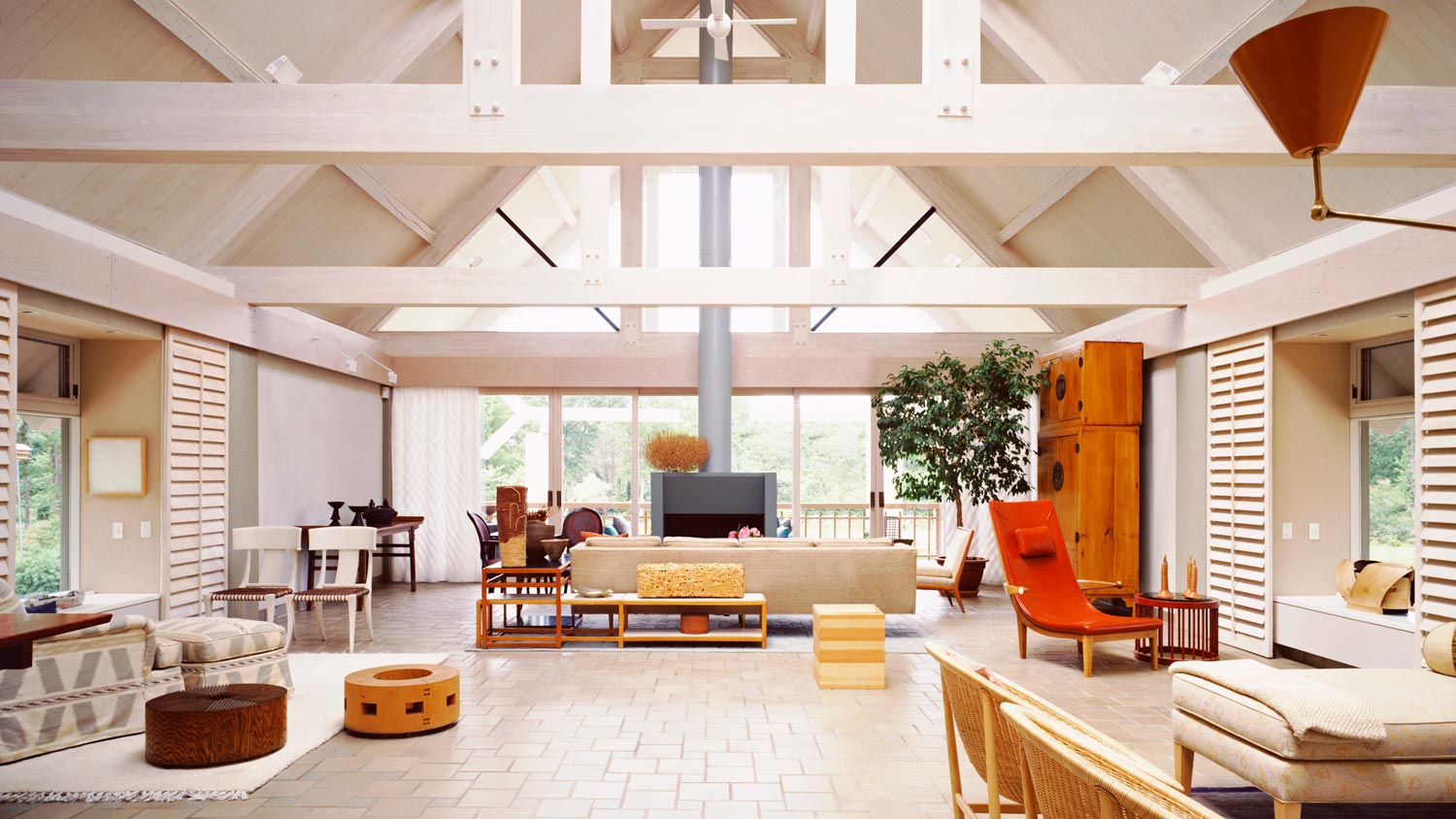
In addition to the appearance, there are many reasons that make this style so sought-after. But it is important to keep in mind that the A-frame comes with more than gorgeous views of trees or a cozy corner fireplace; there are also some sacrifices to make in choosing it over a more conventional house shape.
Benefits of an A-Frame Home
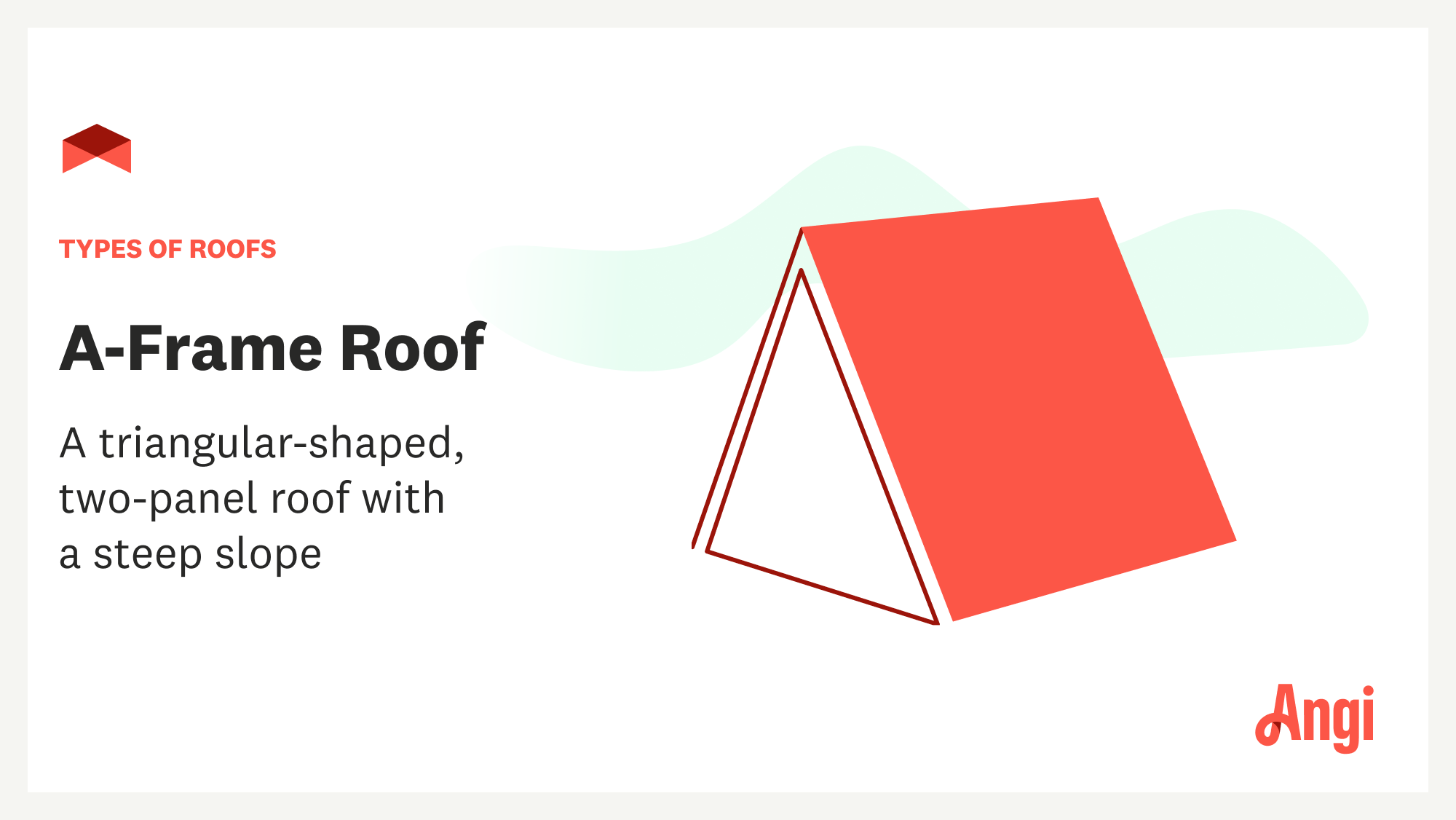
A-frame homes are practical, especially in snowy or windy locations. The steep roofs effortlessly shed snow and rain and block heavy winds, so these homes are as durable in a midwestern forest as they are in a seaside village.
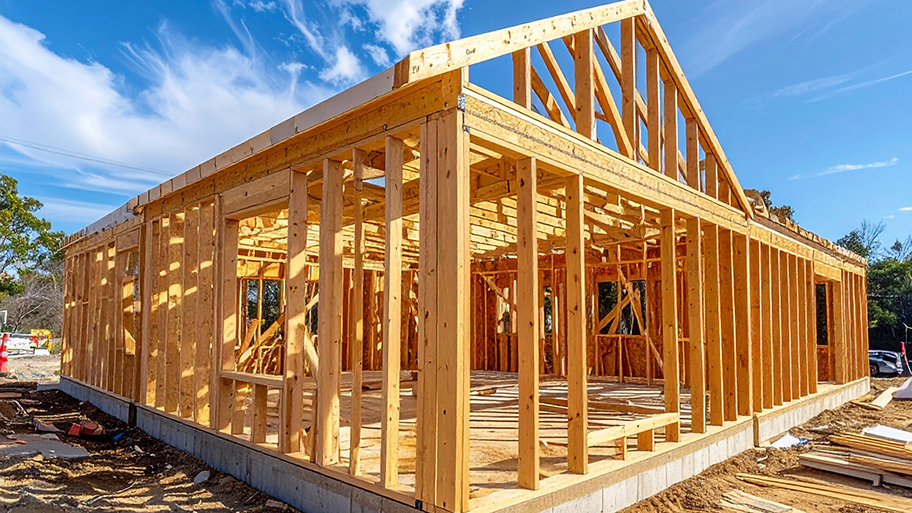
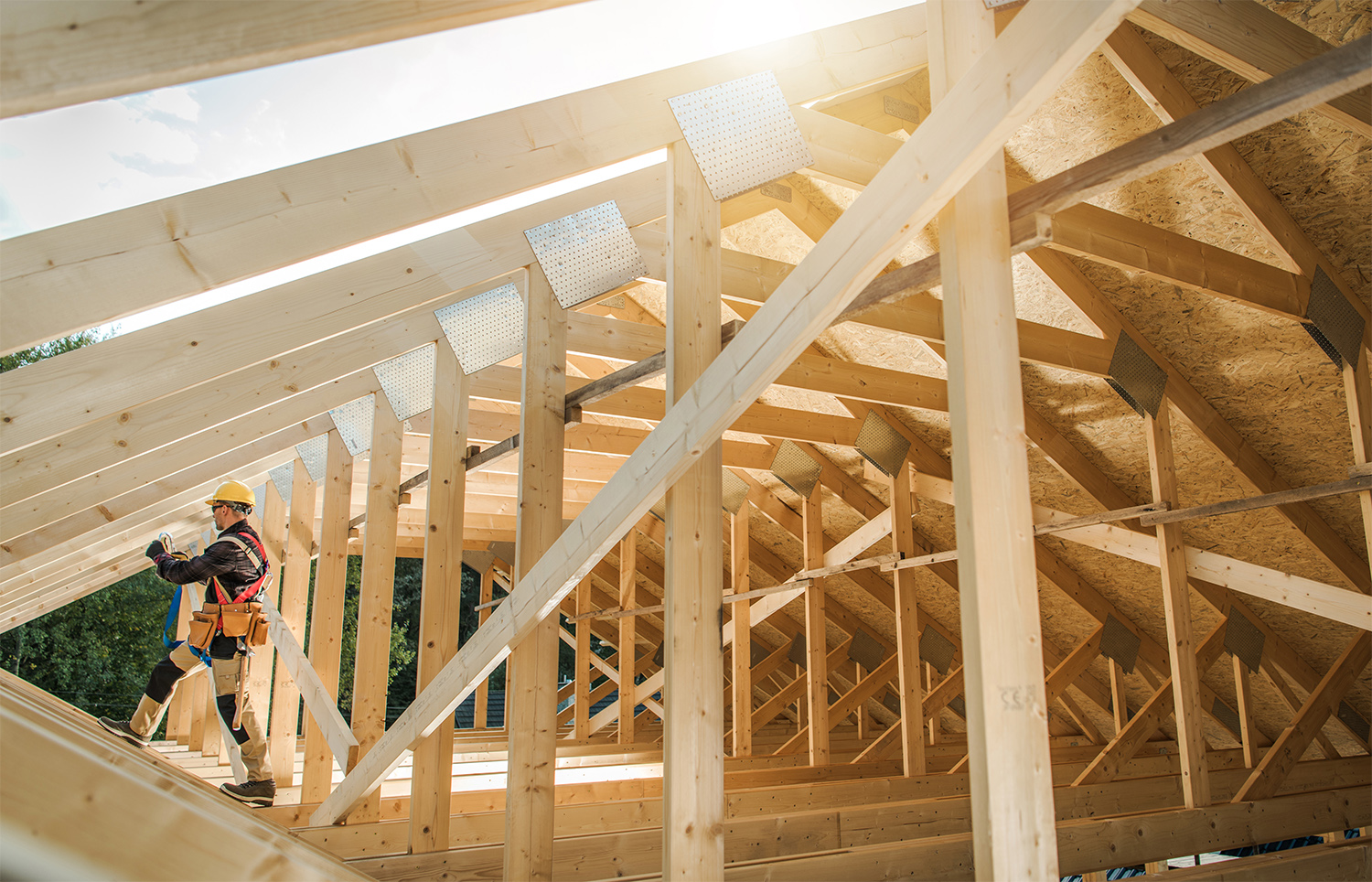
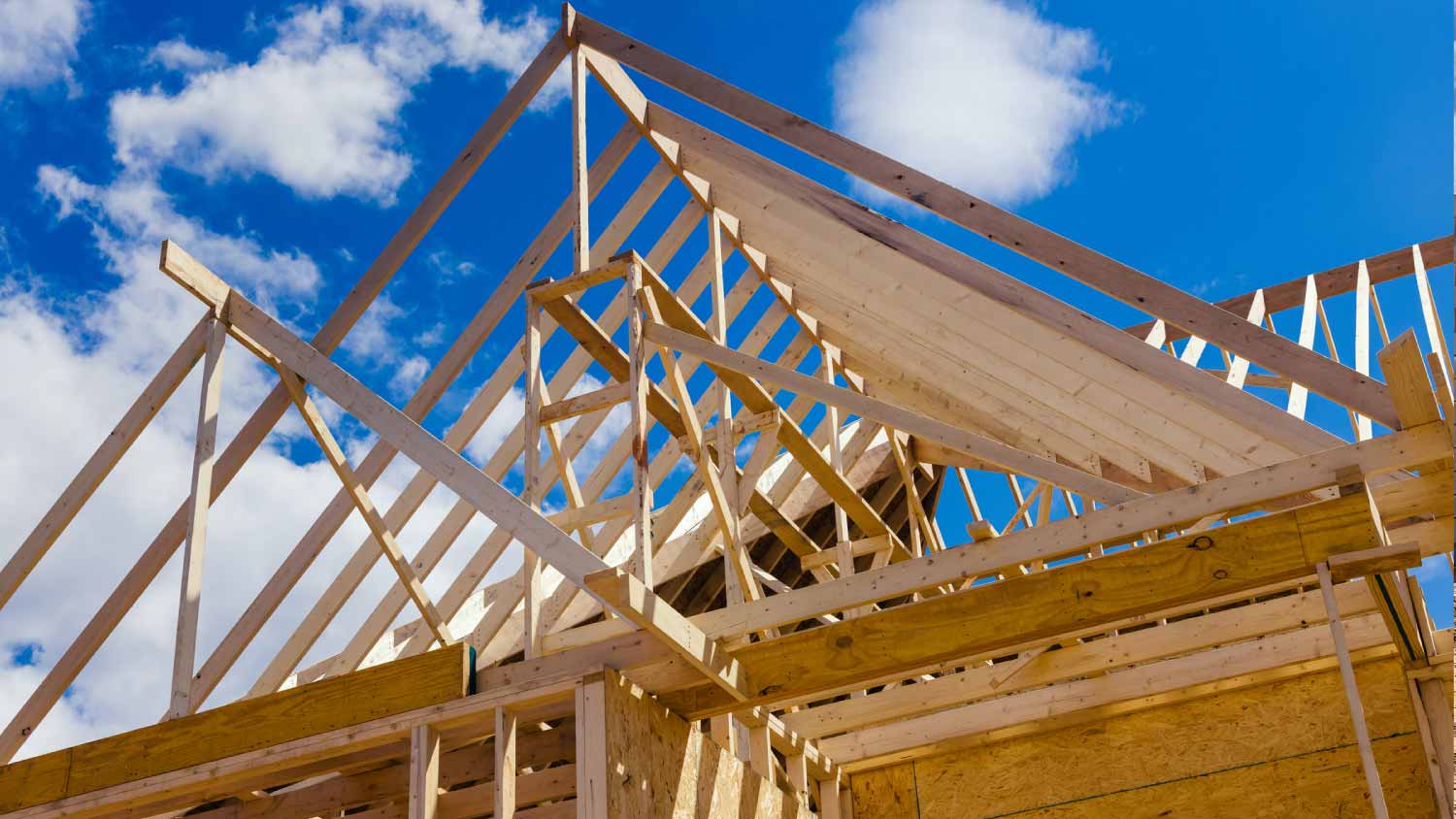
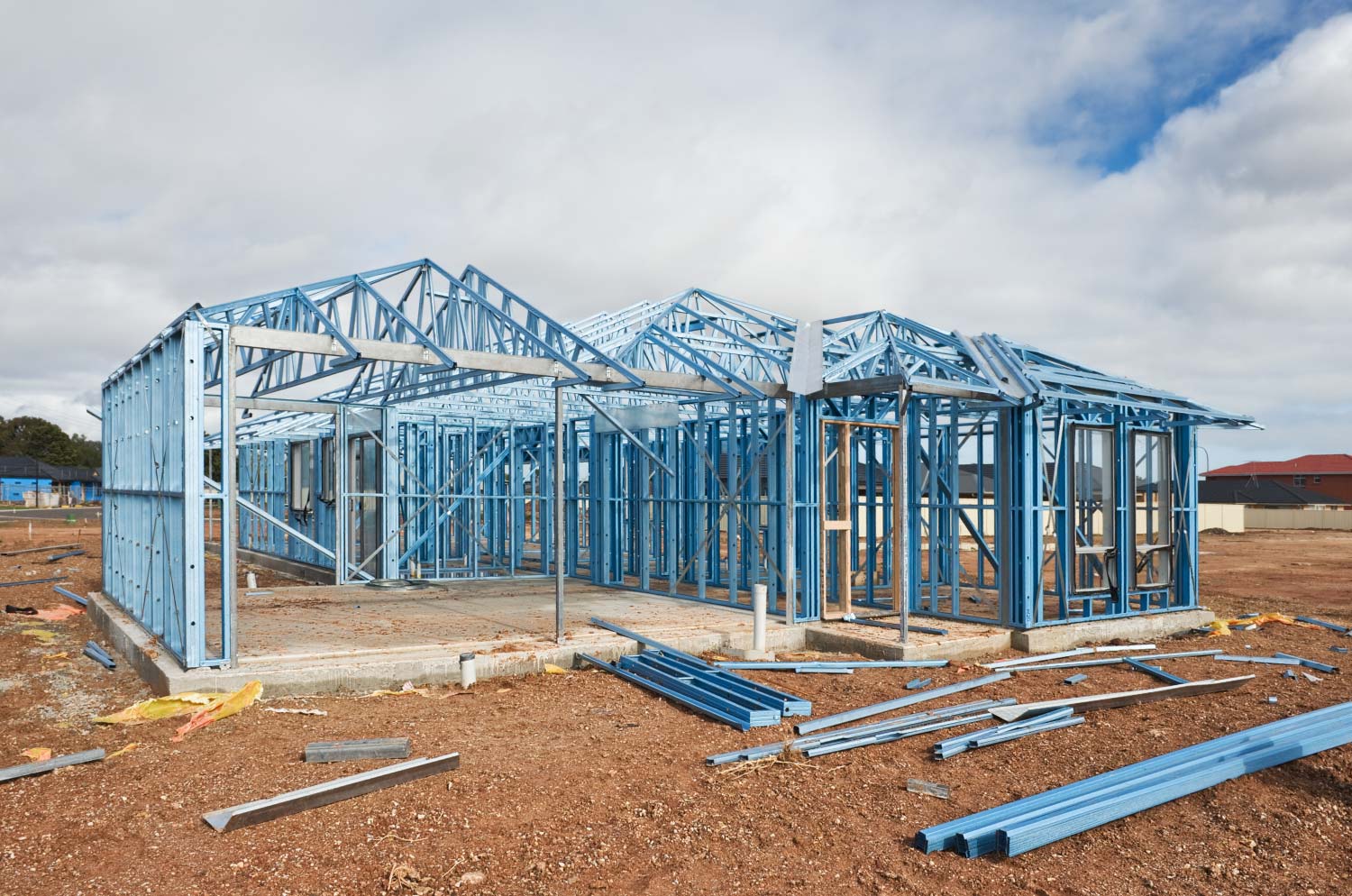
Another benefit of A-frame homes is their simple form, which two people can easily build. Building out the frame is straightforward, although keep in mind that it is still best to consult with an architect or a local custom home builder if you want to add special features or make the most efficient use of the interior space. Plus, you will need to work with plumbers and electricians to get the house ready for occupancy, especially if you have decided to build in a less developed location.
Drawbacks of an A-Frame Home
An A-frame home has less interior space than a similarly sized conventional home because the exterior walls are steeply sloped. That can leave some awkward, unused space toward the top of the house; however, many homeowners have converted these upper spaces into lofts or storage areas.
Because the side walls are actually the steep roof, it is difficult to climb onto an A-frame roof to fix a few shingles or patch a leak. Consequently, many homeowners opt for a more durable metal roof instead. The massive amount of roof space is another downfall. This style of home tends to have about 20% more exterior surfaces, and if they are not well insulated, the resulting energy bills may be higher.