
Leveling your yard can help with drainage and prevent damage to your home. Learn the cost to level a yard and what factors can affect the price.
Mulch and topsoil service costs depend on your project and location. Check with a local pro for your specific job.


Fill dirt costs range from $344 to $1,339, and your total depends on project size and delivery fees.
Your fill dirt type and quality shape your budget, with screened and structural fill best for stronger bases.
Your site prep includes clearing and grading, and you should budget permit fees of $150 to $200.
Hiring a local soil delivery professional ensures proper spreading and compaction, preventing settling and drainage problems that lead to expensive repairs.
This article was created using automation technology and thoroughly fact-checked and edited by an Angi Editor in accordance with our AI policy.
In 2026, the national average cost for fill dirt is $842, based on 4,281 verified projects from Angi Pros. Most homeowners pay between $344 and $1,339, with project size, dirt type, and delivery fees driving the spread. Costs can run as low as $125 or as high as $3,000 for larger yards, and they’re typically calculated per cubic yard or per truckload.
Several elements influence what you'll pay for fill dirt, from the type of material you choose to the size and complexity of your project. The most important factors include soil type, total required volume, material quality, labor, and site preparation. Understanding each one helps you build a realistic budget before work begins.
The type of fill dirt you choose is one of the primary cost drivers, with options ranging from basic unscreened fill ($8 to $15 per cubic yard) to engineered structural fill ($15 to $25 per cubic yard). Screened fill is sifted to remove debris and works best for landscaping and smooth finishes, while unscreened fill suits basic raising or filling where precision isn't critical. Structural fill is engineered for compaction and stability, making it the right choice under foundations or roads. Specialty blends may include additives for drainage or compaction and sit at the higher end of the price range.
The table below breaks down the average cost of fill dirt based on type:
| Fill Dirt Type | Description | Average Cost (Per Cu. Yd.) in 2026 |
|---|---|---|
| Screened | Sifted for debris; smoother texture | $12–$20 |
| Unscreened | Contains rocks and debris; basic fill | $8–$15 |
| Structural | Engineered for compaction and stability | $15–$25 |
| Specialty blends | Custom mix for drainage or specific needs | $18–$25 |
The total volume of fill dirt you need is one of the biggest factors in your overall cost. Fill dirt is measured in cubic yards, and suppliers often set minimum order requirements that can affect pricing for smaller jobs. Buying in bulk often lowers the per-cubic-yard rate, making larger projects more cost-effective. The table below breaks down average fill costs based on the project size in cubic yards:
| Project Size (Cu. Yd.) | Typical Use Case | Cost Range in 2026 |
|---|---|---|
| 5 | Small garden or hole filling | $40–$125 |
| 20 | Leveling a yard or patio base | $160–$500 |
| 60 | Large grading or new construction | $480–$1,500 |
To estimate your needs, multiply the area's length, width, and depth (in feet), then divide by 27 to get the number of cubic yards. Always round up to ensure enough coverage.
Material quality and composition directly affect both the price and the performance of your fill dirt. Clean fill is free of contaminants and organic matter, making it a stable choice for building applications at $10 to $18 per cubic yard. Mixed fill costs less ($8 to $13 per cubic yard) but contains debris or organic material that can cause unpredictable settling over time. Engineered fill is certified for structural uses and comes at a premium ($16 to $25 per cubic yard), but it's the right call when compaction standards and regulatory compliance matter.
The table below shows the average cost of fill dirt based on material type:
| Material Type | Key Features | Average Cost (Per Cu. Yd.) in 2026 |
|---|---|---|
| Clean fill | No contaminants; stable base | $10–$18 |
| Mixed fill | May contain rocks or organics | $8–$13 |
| Engineered fill | Tested for compaction and drainage | $16–$25 |
Requesting certified or tested fill dirt ensures safety and compliance, especially for structural or regulatory projects, but increases costs.
Labor for fill dirt projects involves excavation contractors, landscapers, or grading specialists, with rates ranging from $50 to $150 per hour, depending on your region and project complexity. Some pros charge by the cubic yard or by the project rather than by the hour, especially for larger jobs. Labor costs rise when a site has difficult access, steep slopes, or large volumes that demand more time, skill, and equipment. Always clarify what's included in your contractor's estimate, since spreading and compacting with heavy machinery may be billed separately.
Site preparation is a critical step in any fill dirt project, with costs ranging from $200 to $800 depending on site size and condition. Prep includes clearing vegetation, grading, minor excavation, leveling or clearing your yard, and debris removal. If a skid steer or compactor is needed, budget an additional $100 to $300 per day unless that equipment is already included in your contractor's fee. Proper prep prevents future settling and drainage problems, making it a sound investment for long-term stability.
For delivery drivers or laborers handling heavy loads and equipment, a tip of $20 to $50 per person is a reasonable gesture for efficient and courteous service. Tipping isn't required for fill dirt projects, but it's a common and appreciated practice in the industry. Tipping is most expected when the crew navigates tight spaces, manages last-minute changes, or otherwise goes above and beyond on a larger job.
Several additional costs can affect your total fill dirt budget beyond materials and labor. Permit fees, inspection charges, cleanup, and erosion control are all worth factoring in before your project begins:
Permits: These may be required for large projects or work near property lines and can cost $50 to $200.
Inspection costs: If mandated by local authorities, plan for $100 to $300.
Post-installation cleanup: Hauling away debris or smoothing the final surface may add $50 to $200.
Erosion control and retaining walls: These features range widely, from $100 for landscaping fabric to several thousand for engineered solutions.
Specialty add-ons: Adding a topsoil layer, sod, or landscaping fabric can raise the final bill, but may be necessary for certain projects.
Fill dirt projects don't always end at installation—ongoing maintenance and occasional repairs are part of the long-term picture. Understanding these costs upfront helps you plan your budget beyond the initial project and avoid surprises down the road.
Fill dirt can settle or shift over time, creating uneven surfaces or low spots that need attention. Regular maintenance—including regrading, compacting, and adding more fill— costs $50 to $200 per visit, depending on the area and the amount of dirt required. Catching and addressing issues early prevents them from becoming larger, more expensive problems down the road.
Periodic adjustments to fill dirt often require equipment rental, with a skid steer or compactor running $100 to $300 per day. For new installations, watering or stabilizing the dirt may be necessary to help it settle properly, with water costs varying by region. Erosion control measures such as blankets or netting cost $1 to $3 per square foot but help protect your investment over time.
Common fill dirt repair needs include fixing erosion, washouts, or unevenly settled areas. Minor repairs—such as adding a few cubic yards of fill and regrading—cost $100 to $500. Larger problems, such as major washouts or failed compaction, may require professional help and cost $1,000 or more. Addressing repairs promptly prevents further damage and keeps your landscape safe and stable.
Deciding between DIY and professional installation affects both cost and outcome. Here's what you need to know about each approach. DIY fill dirt projects require you to purchase materials, arrange delivery, and rent or borrow equipment such as wheelbarrows, shovels, or skid steers. Material costs remain the same, but you'll save on labor. Equipment rental can add $100 to $300 per day, and you'll need to factor in your own time and effort.
Hiring a local pro bundles labor, equipment, and expertise into one price. Pros handle site prep, delivery, spreading, and compaction—reducing the risk of settling or drainage problems. While professional installation costs more upfront, it can save money in the long run by preventing costly mistakes. DIY is best for small, accessible projects and confident homeowners. For larger or more complex jobs, we recommend hiring a professional for peace of mind and lasting results.
Fill dirt projects often include extra features that improve function, appearance, or long-term stability. These add-ons each carry their own costs and may be necessary depending on your site conditions and goals:
Topsoil overlay: $10 to $50 per cubic yard (improves soil quality for planting and landscaping)
Sod or seed installation: $0.35 to $0.80 per square foot (creates an instant lawn over new fill)
Retaining wall construction: $3,000 to $8,000 (stabilizes slopes and prevents erosion)
Erosion control blankets or netting: $1 to $3 per square foot (protects against water runoff and soil loss)
Gravel or decorative stone topping: $20 to $100 per ton (adds drainage and visual appeal)
Drainage system installation: $1,000 to $5,000 (manages water flow and prevents pooling)
Weed barrier fabric: $0.40 to $1 per square foot (blocks unwanted growth and stabilizes fill)
These add-ons improve the longevity and usefulness of your fill dirt project, but each comes with its own cost considerations.
There are several ways to keep your fill dirt installation project wallet-friendly without sacrificing quality. Taking these steps can help you save money and complete your project with confidence:
Obtain multiple quotes from local contractors to compare pricing and services.
Choose budget-friendly options with proven durability for your home's location and needs.
Prepare the site yourself to save on labor and reduce overall budget costs.
Bundle your fill dirt project with other foundation upgrades to take advantage of package discounts.
Reuse excavated soil from your own property if suitable.
Home is the most important place on earth, which is why Angi has helped more than 150 million homeowners transform their houses into homes they adore. To help homeowners with their next project, Angi provides readers with the most accurate cost data and upholds strict editorial standards. We survey real Angi customers about their project costs to develop the pricing data you see, so you can make the best decisions for you and your home. We pair this data with research from reputable sources, including the U.S. Bureau of Labor Statistics, academic journals, market studies, and interviews with industry experts—all to ensure our prices reflect real-world projects.
Want to help us improve our cost data? Send us a recent project quote to [email protected]. Quotes and personal information will not be shared publicly.
Amazing job. Efficient and quick without compromising quality. Basement feels brand new. Would use them again in a heartbeat.
 AffordaPro Restoration
This company went above and beyond with their work, chimney sweeps are usually pretty messy, but the clean up was spot on.!! Josh explained every thing that he was doing, and the things that he was checking to make sure the chimney was safe for me and my family. He was very professional,...
 Supreme brick & chimney
Flawless finish and exceptional service. Custom Paint Jobs LLC is the only choice for me.
 Custom Paint Jobs, LLC
Window Depot did an amazing job on my deck. I wasnt sure what I wanted to do, but their composite decking was affordable and will last a long time. I am excited to have family over, and I am no longer embarrassed by my backyard. Jeff and the ground crew were polite, respectful, and caring for...
 Window Depot USA of Central Ohio
Wonderful company to work with. Very easy to get in touch with and communicate with. The cleaners do an excellent job and pay close attention to detail. Fair pricing, always dependable which I truly appreciate. They show up when they say they will, and my home is immaculate when they finish....
 Sparkle Machine Clean Co.
Great job...edging and pre clean up went well with a great job with seal coat. Friendly, efficient and professional.
 All Star Paving and Sealing
Good workers and they do a good job.
 Mira Construction
Fantastic! Top Line was early for the appointment and very knowledgeable and took time to explain everything they had found during the home inspection. The report included clearly defined issues and what they recommended to remedy the same. The report also included many pictures to help...
 Top Line Home Inspections, LLC
Mary Cleaning Service is amazing! The entire staff is very professional and they pay a great deal of attention to detail. I would definitely recommend!
They cleaned my very dirty basement. They were prompts, quick, thorough and their price was fair.
 JDE House Cleaning LLC
From average costs to expert advice, get all the answers you need to get your job done.
Leveling your yard can help with drainage and prevent damage to your home. Learn the cost to level a yard and what factors can affect the price.
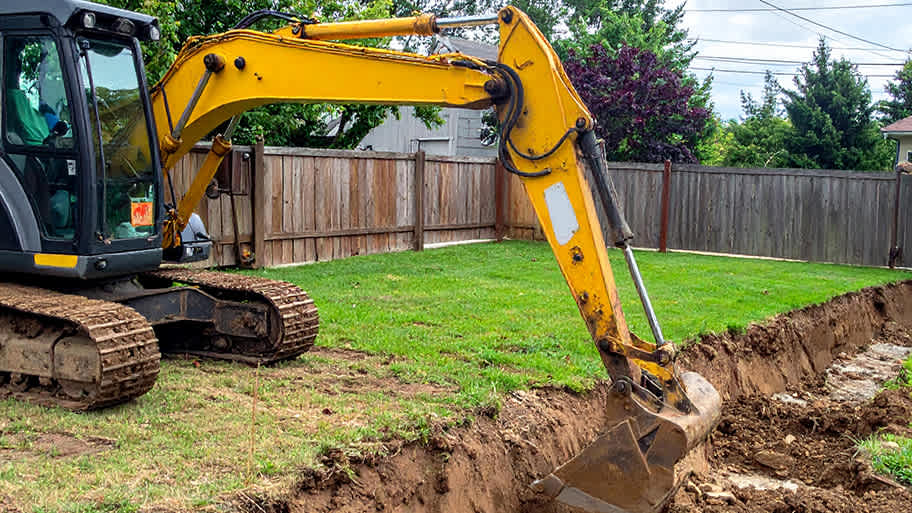
Digging a trench is usually the first step in a larger home project. Our trenching cost calculator breaks down the factors that affect the price tag of this job.

Junk removal costs depend on the volume and type of waste you need removed, but paying a professional saves you time and energy over hauling it yourself.
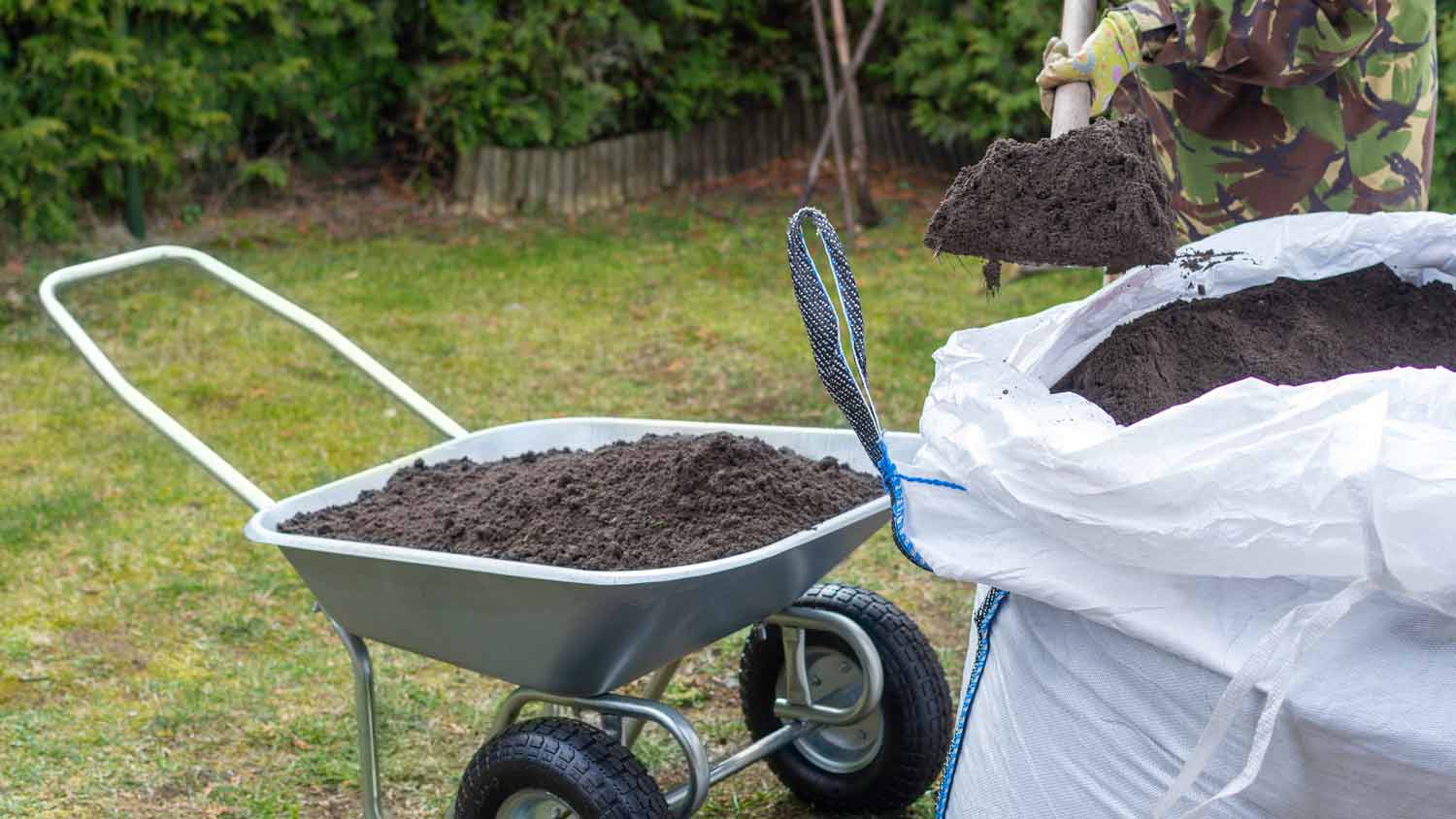
After construction or a yard project, you may wonder how to dispose of dirt. Luckily, this article gives quick and convenient ways to get rid of all that dirt.
Need a dump truck for your project but not sure how big it should be? Use this guide on dump truck sizes and sizing to get the right size for your needs.

Packing a moving truck doesn’t have to feel overwhelming. If you’re planning to move soon, these seven tips will help you pack your truck like a pro.