
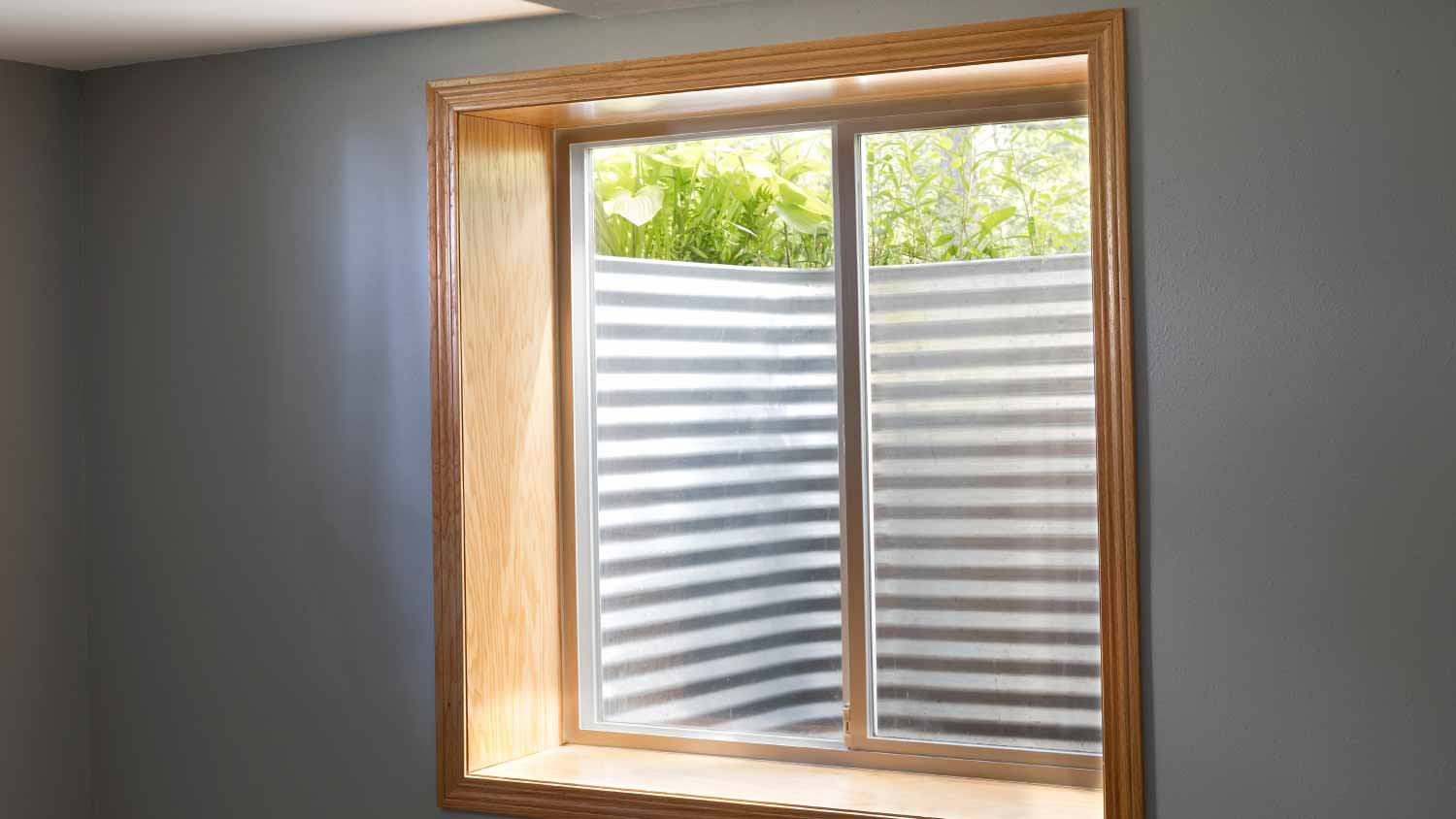
Find out the egress window dimensions required for bedrooms, basements, and attics, according to International Building and Residential Codes.
Low-e windows are an energy-efficient alternative to regular windows

Low emissivity windows reflect heat instead of absorbing it, keeping your home warmer in winter and cooler in summer while letting natural light through.
Expect to pay $300 to $1,000 per window for low emissivity windows, which cost 10% to 15% more than standard windows but reduce energy loss significantly.
You can test your existing windows for low emissivity coating by holding a match or pen light to the glass and checking for different colored reflections.
Hiring a local window and door professional provides reliable guidance on choosing the right low emissivity coating type for your climate and completing proper installation.
Cutting down on home heating and cooling costs can make a big difference in both your energy bill and your environmental footprint. And buying energy-efficient windows, like low emissivity (low-E) windows, is one way to save money and energy. But what are low-E windows? In short, they reflect, rather than absorb, heat, keeping your home cooler in the summer and warmer in the winter—a win-win when it comes to comfort and efficiency.
Low-E, or low emissivity, windows are windows made with a non-toxic, invisible coating that aids in thermal efficiency.
These unique windows are a potential solution for people wondering how to make their windows, and therefore their entire home, more energy efficient. With roughly 30% of your home’s heating energy escaping through your windows, low-E windows can help you save money on home heating and cooling costs.
By reflecting rather than absorbing heat, low-E windows keep heat in your home during the winter and keep it out in the summer. They do this by blocking ultraviolet and infrared light, which are responsible for fading furniture and raising the temperature inside your house. Even better, low-E windows don’t compromise visible light; in fact, low-E coatings are mostly transparent and allow natural light to shine through.
There are two types of low-E coatings: passive and solar control. The two types of coatings are used for different purposes:
Passive low-E coatings: Windows with a passive low-E coating allow some heat to pass through, warming the home and reducing heating costs. This type of coating is ideal for cold climates.
Solar control low-E coating: Windows with a solar control low-E coating prevent heat from passing through, keeping the home cool and reducing cooling costs. This type of coating is ideal for warmer climates.
Low-E windows can also vary by U-value, which tells you how much heat loss a window allows. U-values range anywhere from .20 to 1.20, with a lower U-value indicating less heat loss. Talk with a local window contractor about the best type of low-E windows for your home based on your local climate and the positioning of your house.
Wondering if low-E windows are the best choice for your home? There are plenty of advantages to low-E windows, but there are a couple of downsides, too. Take time to weigh the pros and cons before making the investment.
Reduce your home’s energy loss by up to 50%, according to the U.S. Department of Energy
Provide “invisible” window treatment
Repel condensation, water, dirt, and sand
Durable
Help you save money on heating and cooling costs
Keep your home warmer in the winter and cooler during the summer
Provide UV protection for your upholstery, floors, and walls
Don’t block much visible light from coming through
Cost more than regular windows—typically 10% to 15% more, according to the U.S. Department of Energy
Block a small amount of light, which in some circumstances can give them a hazy look
Can’t replace individual windows without sacrificing a uniform look
Have to replace all windows to get the most energy savings
Not a good DIY project (but some alternatives can be)
There may be an alternative to low-E windows that’s better for you and your home. For example, if you have brand new windows and don’t want to replace them, you can treat the windows with blinds or window film to help improve efficiency. Consider your budget, your local climate, and whether or not you want a DIY solution when weighing all of the alternatives.
Triple-pane windows: Triple-pane windows provide added insulation to your house, which can have a similar effect to low-E windows. But they aren’t necessarily more affordable—triple-pane windows cost between $300 and $3,000 per window.
Window film: If you have well-fitting windows you don’t want to replace, applying a window film can be an effective and much more affordable alternative to low-E windows. Window film runs anywhere from $6 to $14 per square foot and can be applied to as few or as many windows as you want. But it won’t make much difference if your existing windows are drafty.
Awnings, blinds, and draperies: If you live in a warm, sunny climate, blocking sunlight from shining through your windows can help keep your home cool. These projects vary widely in cost, ranging from a couple hundred dollars to several thousand dollars.
Caulk and weatherstripping: Heat doesn’t just escape through your windows; it can also escape through the gaps between the glass and window frame. Replacing the caulk and weatherstripping can help reduce this energy loss by up to 10%. Caulking windows costs anywhere from $50 to $70 per window, and weatherstripping costs about $100 per window.
Whether or not low-E windows are worth it depends on your circumstances, preferences, and budget. First of all, installing low-E windows isn’t a DIY project. You should be prepared to pay the upfront cost and hire a contractor. And keep in mind that it’s not a low-cost investment. Low-E windows can cost between $300 and $1,000 per window and cost more to install than traditional windows.
You’ll also want to replace all the windows at once to avoid a home with mismatching glass. And if you’re concerned about having the brightest, most natural-looking light, be sure you’re happy with the lighting low-E windows provide.
Finally, if saving money on heating and cooling or lowering your home’s energy footprint is important to you, low-E windows might be the way to go. But if you’re looking to do so with a smaller upfront investment, an alternative—like low-E window film, window treatments, or weatherstripping—may be a better solution, at least for now.
We have used Window Warriors many times with no issues. They arrived on time and were very professional . We have pets and Window Warrior team treated them very well, well trusted team.
 Window Warrior of Columbus, Inc.
I am highly satisfied with the window replacement service I received; the professionals from Savvy Exteriors were punctual and did an amazing job that exceeded my expectations.
 Savvy Exteriors
I hired windows depot USA of central to install new windows in house in Oshawa. Ilya was very professional from the start, not only did he offered a great price, he also made sure the installation was on time. I am very satisfied with final outcome. The windows look great and the overall...
 Window Depot USA of Central Ohio
The team is awesome!! I can generally pick up and clean throughout the week, but they CLEAN! Windows, stair rails, microwave. All the things I can’t ever seem to get to regularly. The house looks and smells great after they leave.
Description says they handle window repair including rotten hardwood - they called me back right away but didnâ t leave a voicemail. I followed up 3 days later and they said they donâ t do that kind of work.
 Window-Gurus
We had a gutter blockage that was causing water to sheet down the side of the house and ultimately it started to come in at a window (need mortar people next). Called around 7:30am, and he responded by 8am. He was able to come out the same morning and do a look over and clean out. He also...
From average costs to expert advice, get all the answers you need to get your job done.
Find out the egress window dimensions required for bedrooms, basements, and attics, according to International Building and Residential Codes.
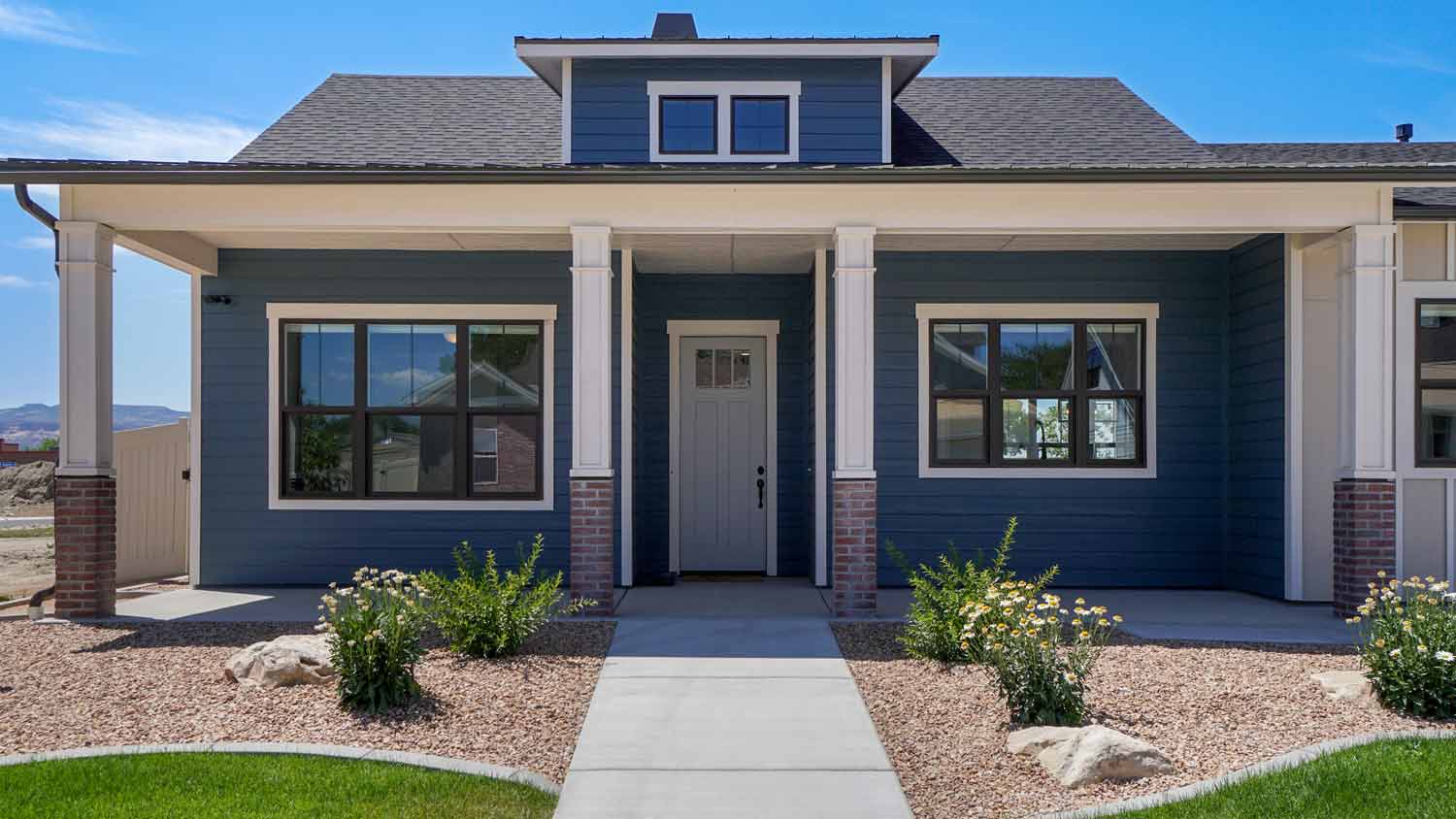
Window tints can increase your home's privacy, efficiency, and comfort. Here are eight types of window tints and the pros and cons of each.
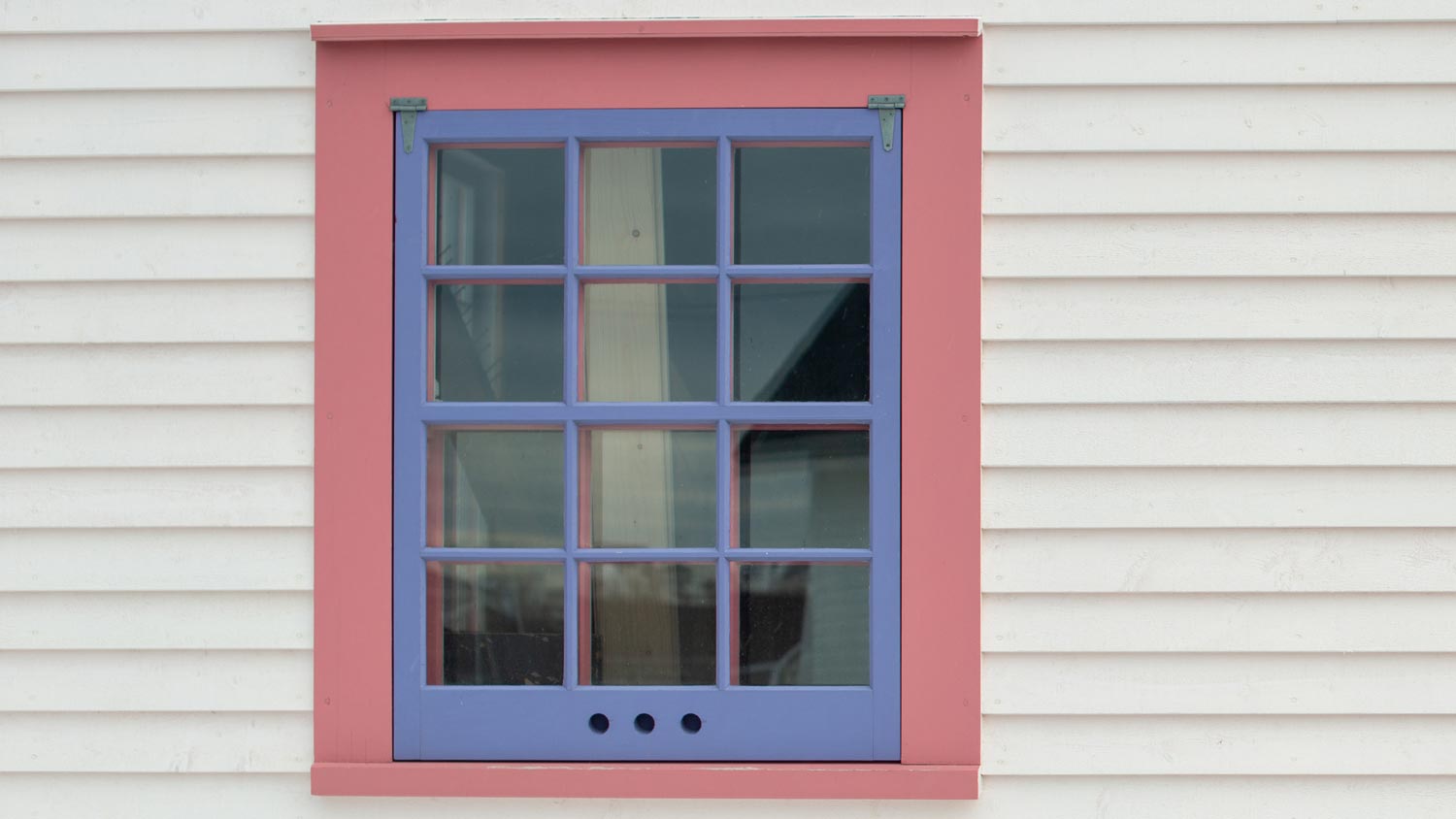
What is a storm window? An indoor or outdoor storm window adds protection against the elements and can provide insulation and soundproofing to your home.
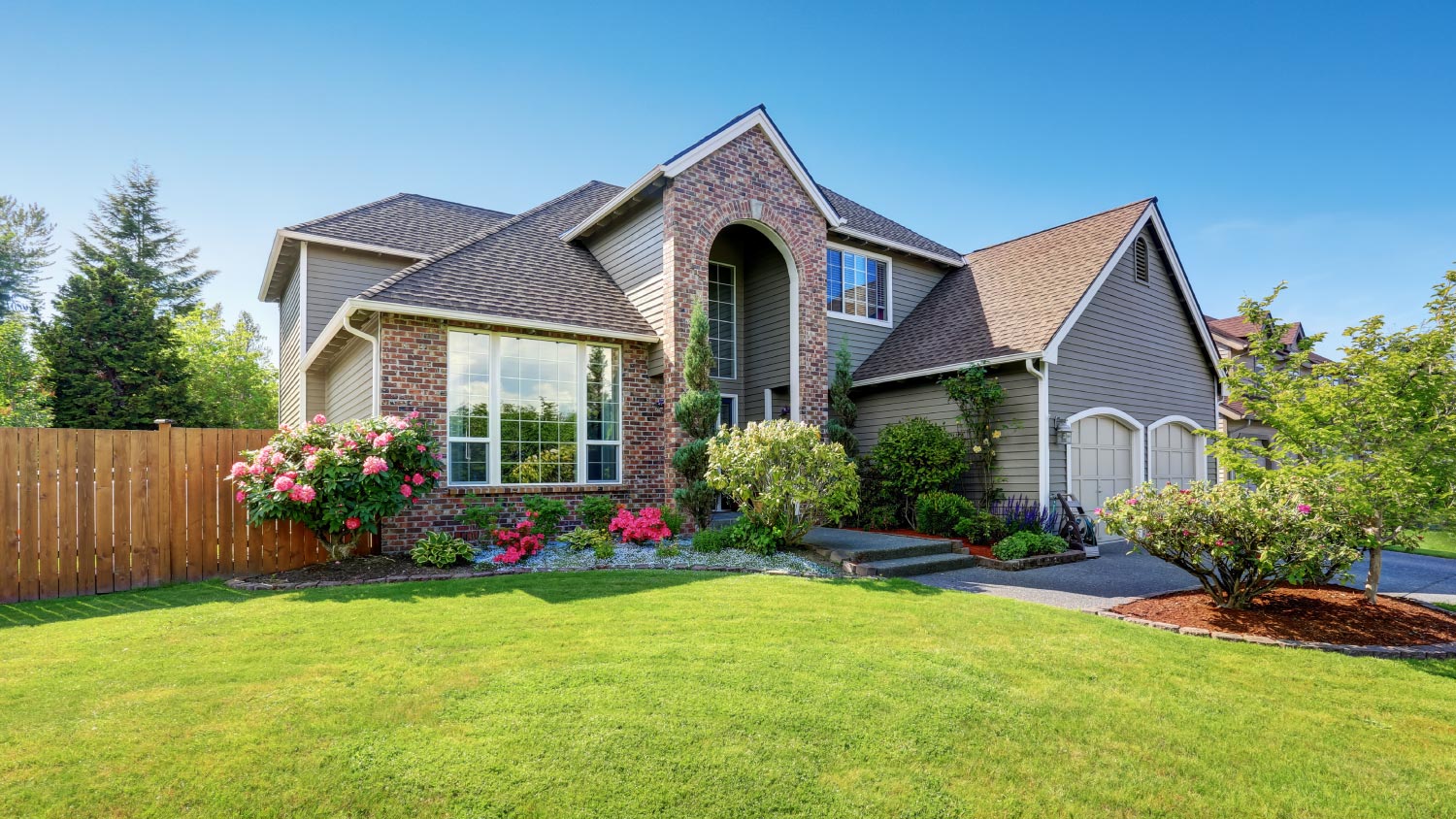
Can I tint my house windows? Home window tinting is a small upgrade that can yield major benefits. Here’s everything you need to know before taking the plunge.
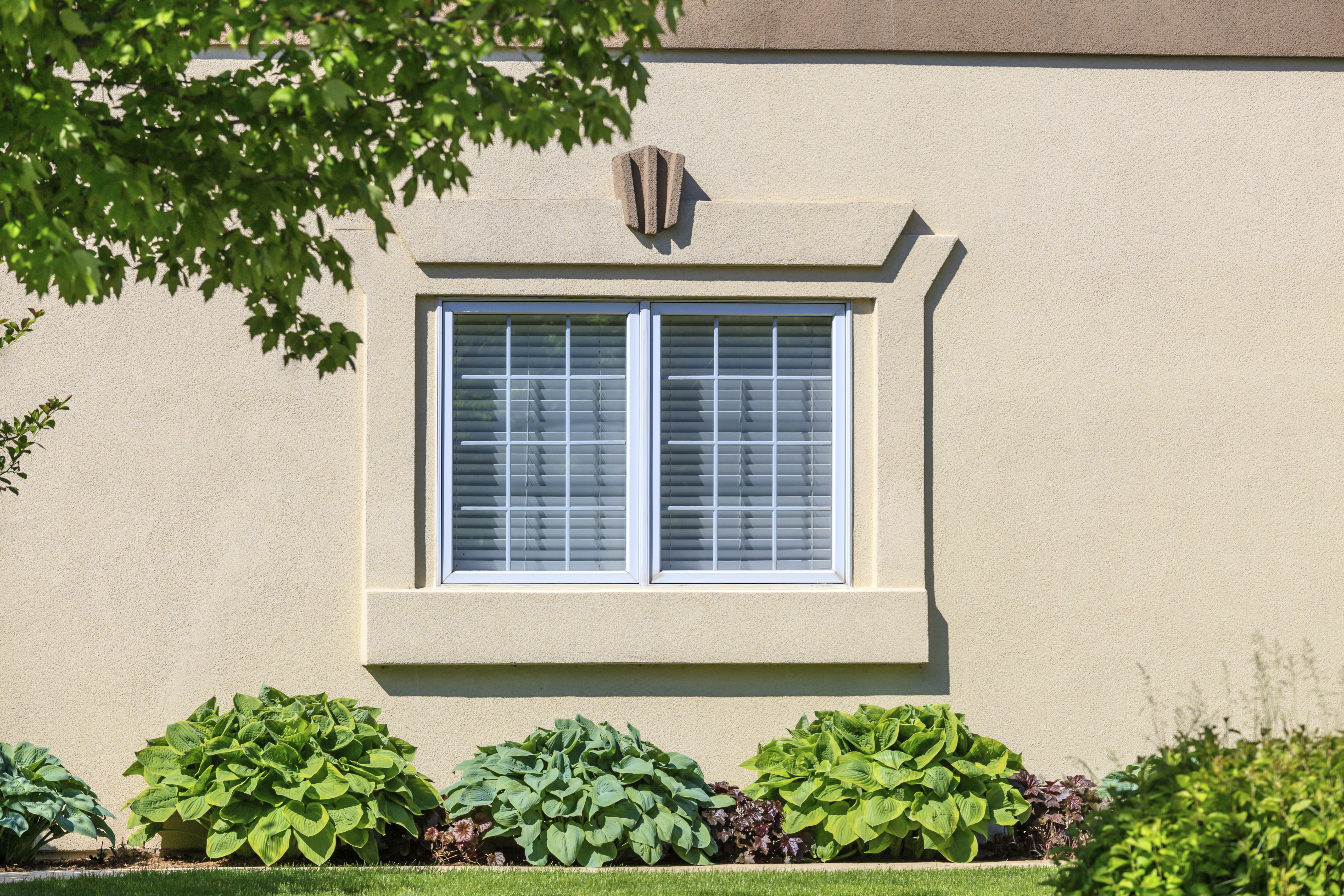
Replacing or switching windows leaves homeowners with a choice: casement or double-hung? This article lays out their pros, cons, and differences.
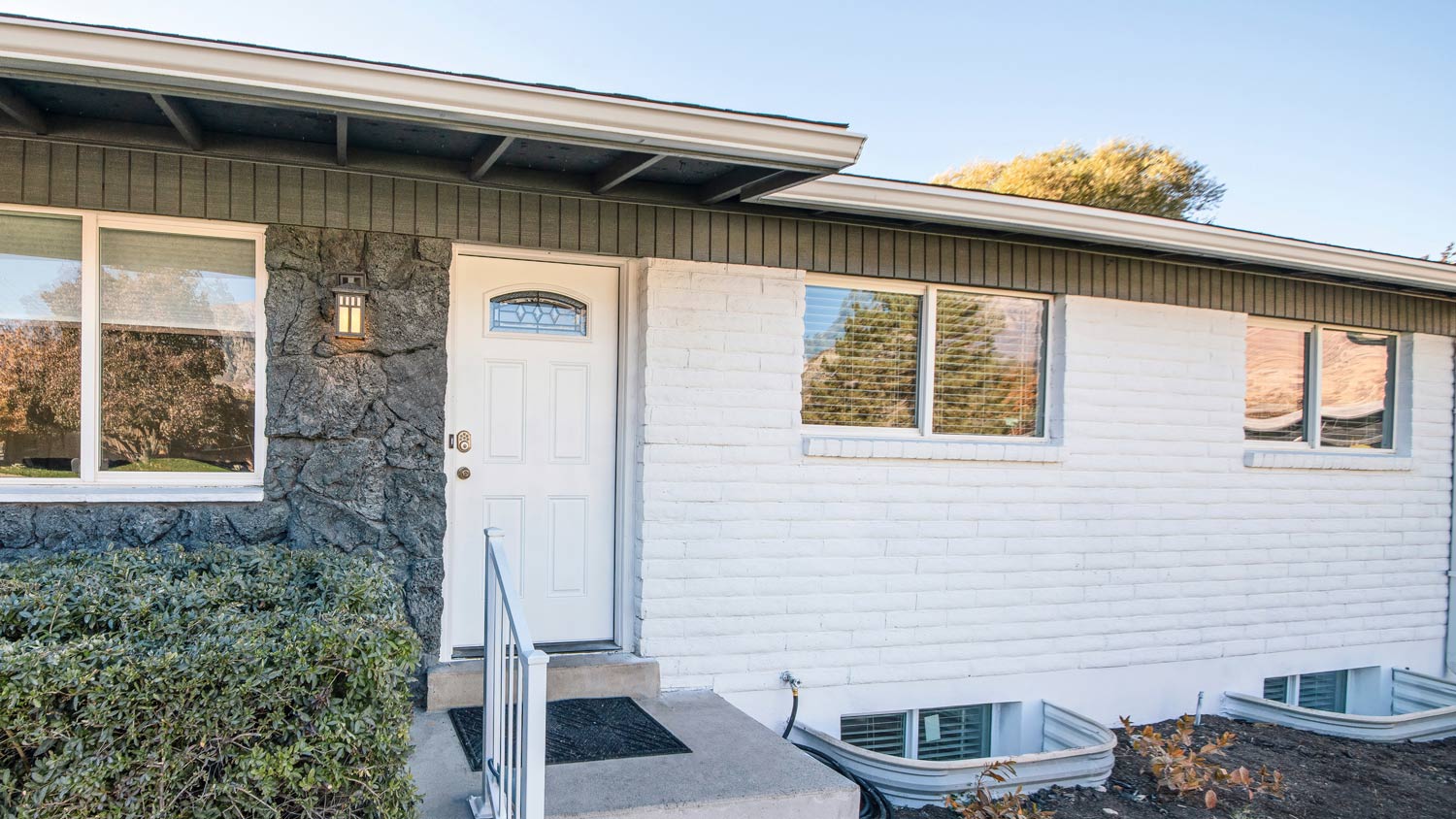
Window wells allow for safe emergency egress from basement windows. Discover what a window well is and if your home needs one.