
•
Get transparent landscape lighting repair cost info. Learn what impacts price, compare repair vs. replacement, and find ways to save on your project.
A little light can make a big difference

Wafer lights and can lights both provide recessed lighting, but wafer lights mount flush while can lights require a cylindrical housing in your ceiling.
Wafer lights cost $15 to $130 per fixture, while can lights range from $100 to $480 per fixture, excluding installation labor.
Your choice depends on ceiling space, installation complexity, bulb preferences, and whether you want replaceable bulbs or simpler LED installation for your home.
Hiring a local light fixture installation professional keeps your ceiling wiring safe and ensures proper fixture fit, especially when cutting ceiling openings or working with tight spaces.
Say goodbye to bumping your head on hanging lighting fixtures: Recessed lighting fixtures have quickly become one of the most popular types of lighting for interior decor. For many years, the most common type was can lights, where the bulb is housed in a can that goes up into your ceiling. But more recently, LED wafer lights (sometimes called canless lights), have presented a lower-profile option. So, it comes down to wafer lights versus can lights, which of these two fixtures is the right one for you? Let’s break it down.
While can lights and wafer lights generally serve the same purpose, they also have distinct differences that might make one more suitable for you than the other. Here’s a breakdown of can vs. canless recessed lighting at a glance:
| Type of Difference | Wafer Lights | Can Lights |
|---|---|---|
| Common Sizes | 3”, 4”, 5”, 6” | 4”, 5”, 6” |
| Installation Process | Simpler | More complex |
| Bulb Types | LED | Any |
| Cost Per Fixture | $15 – $130 | $100 – $480 |
| Replacement Cost | $15 – $130 | Cost of a new bulb |
| Average Life Span | 30,000 – 50,000 hrs. | Depends on bulb type |
In the debate between these two types of recessed lighting, there are many factors to consider. One important difference is appearance, which is naturally a big concern when it comes to lighting your space.
Canned lights are most commonly seen with an internal diameter of 4-inch, 5-inch, or 6-inch. This means that the fixtures are fairly wide and will be somewhat noticeable, especially when you compare them to the smaller available sizes of LED wafer lights. Canless wafer lights require less hardware in general, so it’s common to see them as small as 3 inches across. Wafer lighting fixtures are also available in sizes 4-inch, 5-inch, and 6-inch.
Wafer lights diffuse more light, making for more even lighting coverage across an entire room. Can lights (especially if using CLF, halogen, or incandescent bulbs) tend to offer more direct light, almost creating a soft spotlight effect on whatever they’re pointed at.

Whether you’re planning to learn how to install recessed lights yourself or hire a lighting professional, it’s worth considering the differences in installing these two types of light fixtures.
Can lights are housed within, you guessed it, a can. This cylindrical container protects the bulb from damage and creates a low-profile look. However, it’s a bit more involved to install a can light—you’ll need to cut the right-sized hole in your ceiling and install the can (which is several inches tall) before you can hook up the electricals and finally screw in a bulb. So, it might be a good idea to hire a local lighting installer for this job.
Conversely, it’s quite simple to learn how to install canless recessed lights. You only need a couple of inches of space in the ceiling to fit a small box above the main housing. Once this is installed, it’s just a matter of clipping the light itself in and wiring everything up.
Because of their compact size, wafer lights are only compatible with LED lights. Canned lights, on the other hand, can accept any kind of light bulb, including compact fluorescent lamps (CFLs) and old-fashioned incandescent bulbs. If you’re particular about what kind of bulb you use in your home, a canned light might be the right choice for you.
One major downside of LED wafer lights is the fact that you can’t change only the bulb when it burns out. While LEDs have a very long life span, that doesn’t change the fact that you’ll need to replace the entire fixture when that life span ends. As for can lights, you can thankfully unscrew the burnt-out bulb and replace it as normal, without having to learn how to remove can lights just to get the job done.

Whether you’re simply redoing the lights at home or are in the midst of a full build or renovation, cost is a huge factor to consider. Here are the top factors of recessed lighting installation cost:
Because of their simple design, LED wafer lights tend to be quite inexpensive as far as upfront costs go. You can expect to pay between $15 and $130 per wafer light fixture, depending on the aesthetics, light quality, and life span that you’re looking for. Can lights tend to be a fair bit pricier, with costs ranging from $100 to $480 per fixture.
Initial costs aren’t everything—you should also look at the life span of each fixture and factor that into your budget. Wafer lights use LED, which can have a life span of 30,000 to 50,000 hours of use. This translates to about 4 to 6 years of continuous use.
Can light fixtures should last indefinitely, though you’ll have to deal with the life span of whatever bulb you choose to use. Old-school incandescent bulbs only last for about 1,000 hours, and CFL bulbs last about 10,000 to 15,000 hours.
One major advantage of can lights over LED wafer lights lies in replacement costs. As we mentioned, a burnt-out LED wafer light means you’ll need to pull the entire fixture out and replace it. This is an additional cost of $15 to $130 per fixture you need to change. Granted, it will be a long time before your LEDs burn out, but you’ll still need to deal with this cost eventually.
Conversely, can light bulb replacement is quite inexpensive, depending on the bulbs you’re using. Incandescent bulbs can be as cheap as $1.25, while LED standalone bulbs only cost around $2.50 each. This might make up for the higher up front costs of installing the can light fixture itself.
Installing wafer lights yourself can be cost-effective and easier to do, primarily because they are surface-mounted. However, for less experienced DIYers, proper wiring and avoiding ceiling damage can be challenging.
On the other hand, can lights, or recessed lights, require more expertise. These lights are often installed before the ceiling drywall is up, and if not, they require some skill to cut into the ceiling accurately and adequately.
In either case, hiring a professional ensures correct installation, compliance with electrical codes, and safety. Pros can handle complex tasks like wiring and fitting in tight spaces, reducing the risk of errors. While DIY saves money, hiring a pro offers assurance and a polished finish.
Custom Paint Jobs LLC gave our office a fresh new look. Clients love it!
 Custom Paint Jobs, LLC
Best painters in the Greater Columbus, Ohio area. Quality of work second to none and customer service is head above shoulders than everyone else. I cant wait to work on another project with Silvio and Team!
The Mosby team went above and beyond for my project. They not only installed my light fixture; they also worked through an old, wonky, and as it turns out incorrect wiring issue from the work of prior contractors. Professional, thorough, conscientious, and kind. Five star experience. Thank you!
 Mosby Electric
We had a 20+ year old landscape lighting system that needed replacement. Midwest Lightscapes worked with us to design a much improved lighting system, lighting the exterior of the house and the back yard. Installation of the 45 light system took one and one-half days, and went very smoothly....
 Midwest Lightscapes
Jeff was a consummate professional. Responsive, courteous, and focused on meeting our needs. I had a small project of installing and replacing two ceiling light fixtures. He responded to my Home Advisory inquiry within 24 hours and in a span of two weeks our light fixtures were installed. ...
For several months I was looking for somebody to tile a wall in my master bath and move lighting fixtures, and could not find anybody who was responsive. I contacted Rowe through Home Advisor and within days they came by to assess the job and provide an estimate. The cost was very...
 Rowe House Development
A team of 2 spent 5 hours, cleaning top to bottom (removed all light fixture and cleaned.... impressive!!!)
 Luzia's Cleaning
It went very well. I was able to select the color blocks I wanted and where they would be placed in the window. All of the employees were very pleasant and patient. The guys who installed the window arrived promptly, did their job, and there was nothing for me to clean up. The window looks...
 Innovate Home Org - Columbus Glass Block
The initial quoted price from a walk-through seemed high, but we discussed that the quote represented worst case scenario (re-wiring to two floors) and we were excited about the opportunity to have the work done in a timely manner with closing for fire safety reasons, etc. When the job was...
Charlie recommended a separate fan with new lighting to clear steam from the room better. Several weeks ago I contacted Charlie via email to ask about pricing and scheduling, after one follow up he did reply with cost and said it would be about two weeks before he could do the work. I replied...
 Settle Muter Electric
From average costs to expert advice, get all the answers you need to get your job done.
Get transparent landscape lighting repair cost info. Learn what impacts price, compare repair vs. replacement, and find ways to save on your project.
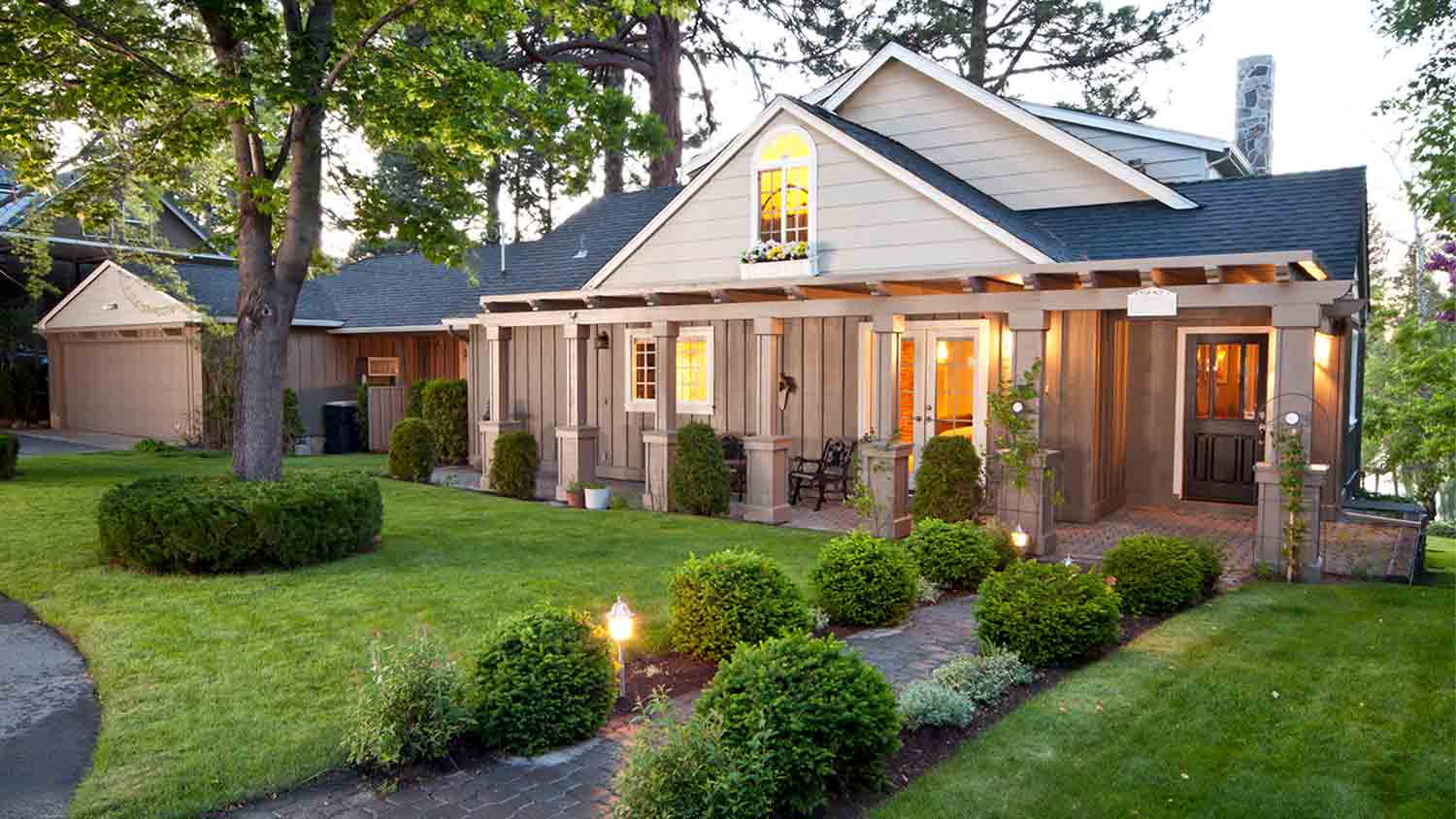
Discover the cost to install landscape lighting. Learn about average prices, key cost factors, and ways to save on your outdoor lighting project.
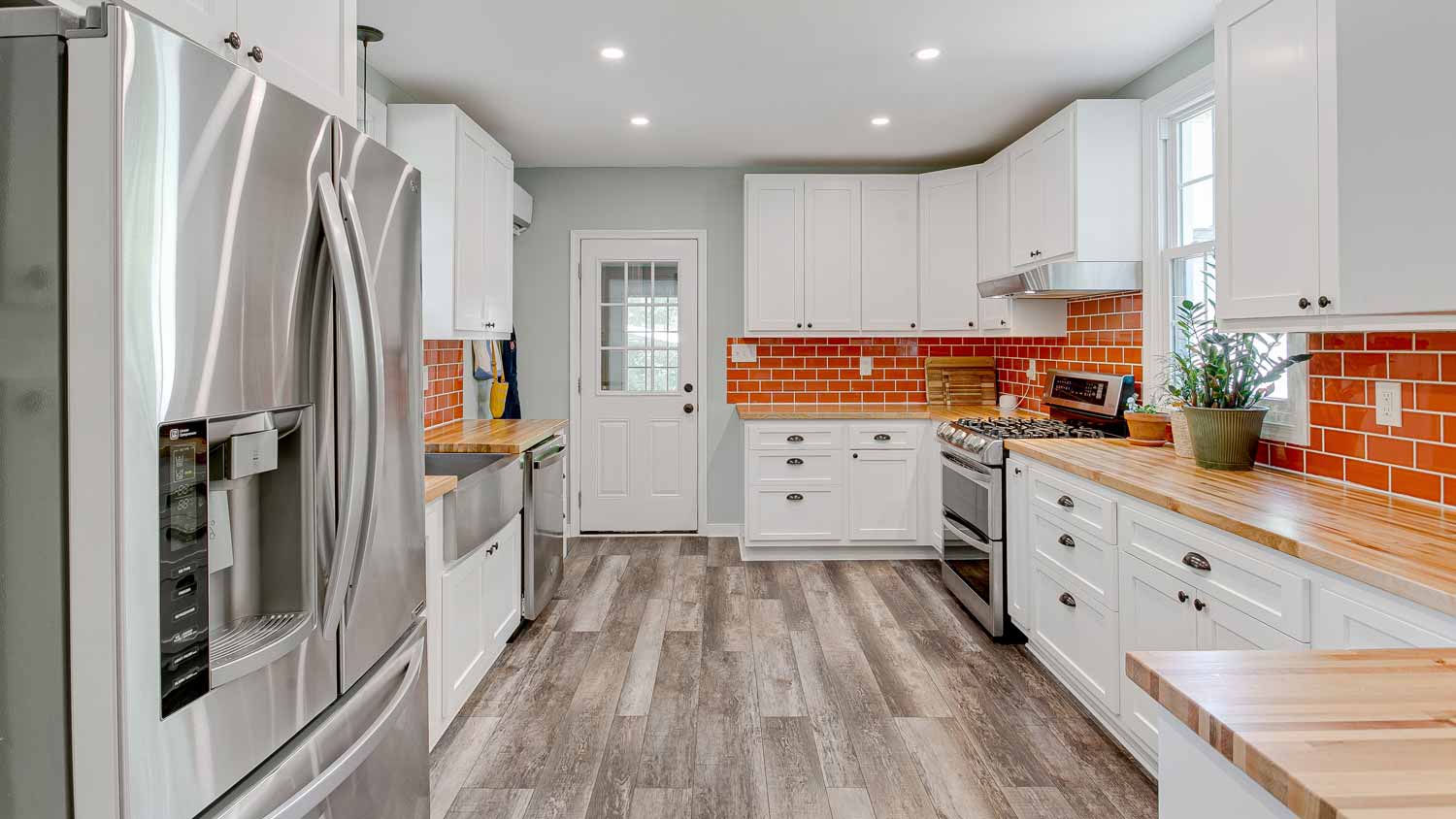
When looking to light your space, you may be stuck on a choice between can lights vs. recessed lights. Find out their differences and which is best.
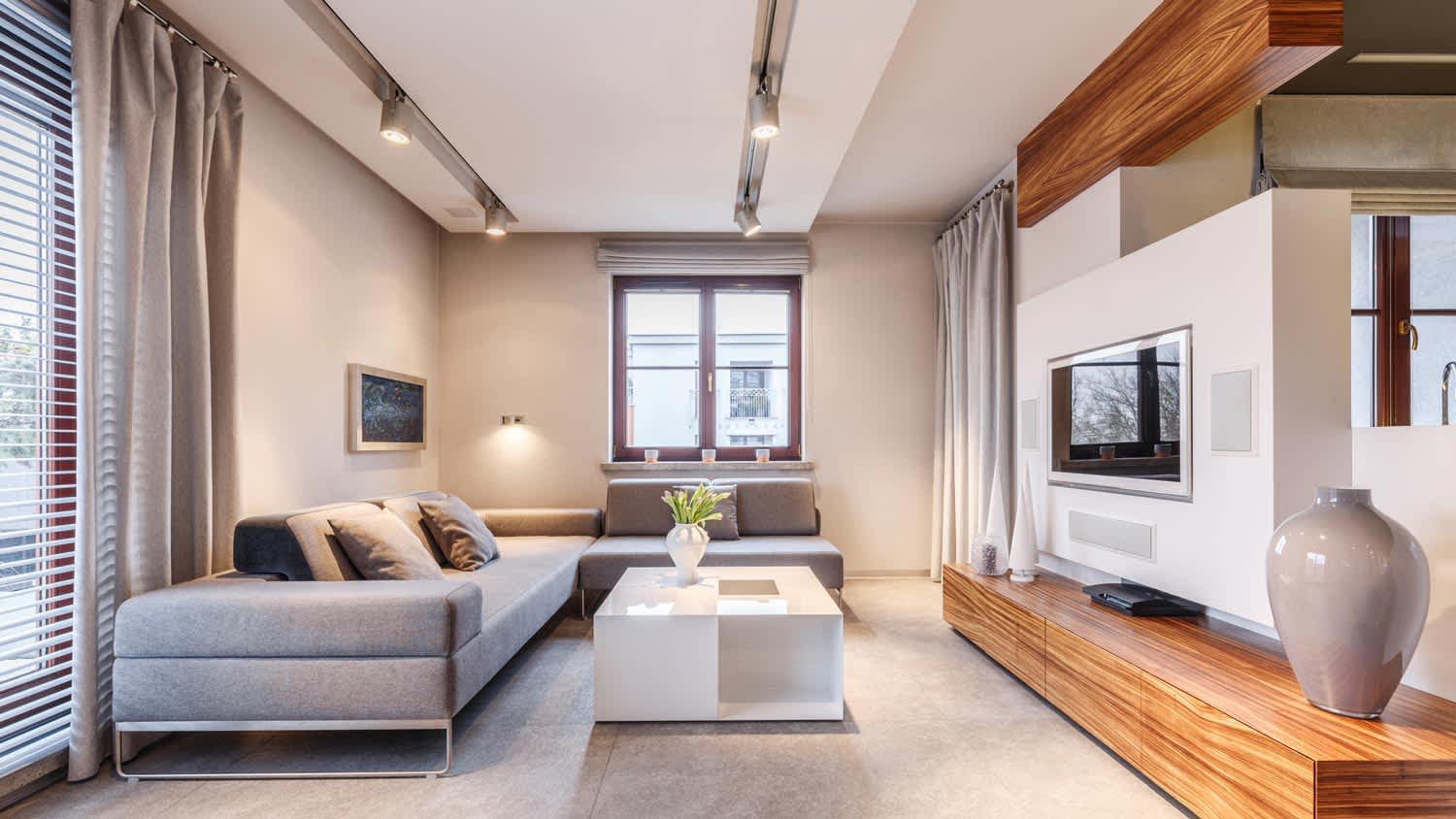
Drop ceiling lighting may seem retro, but it’s actually far from it. Find out more and discover the best types of lighting for drop ceilings.
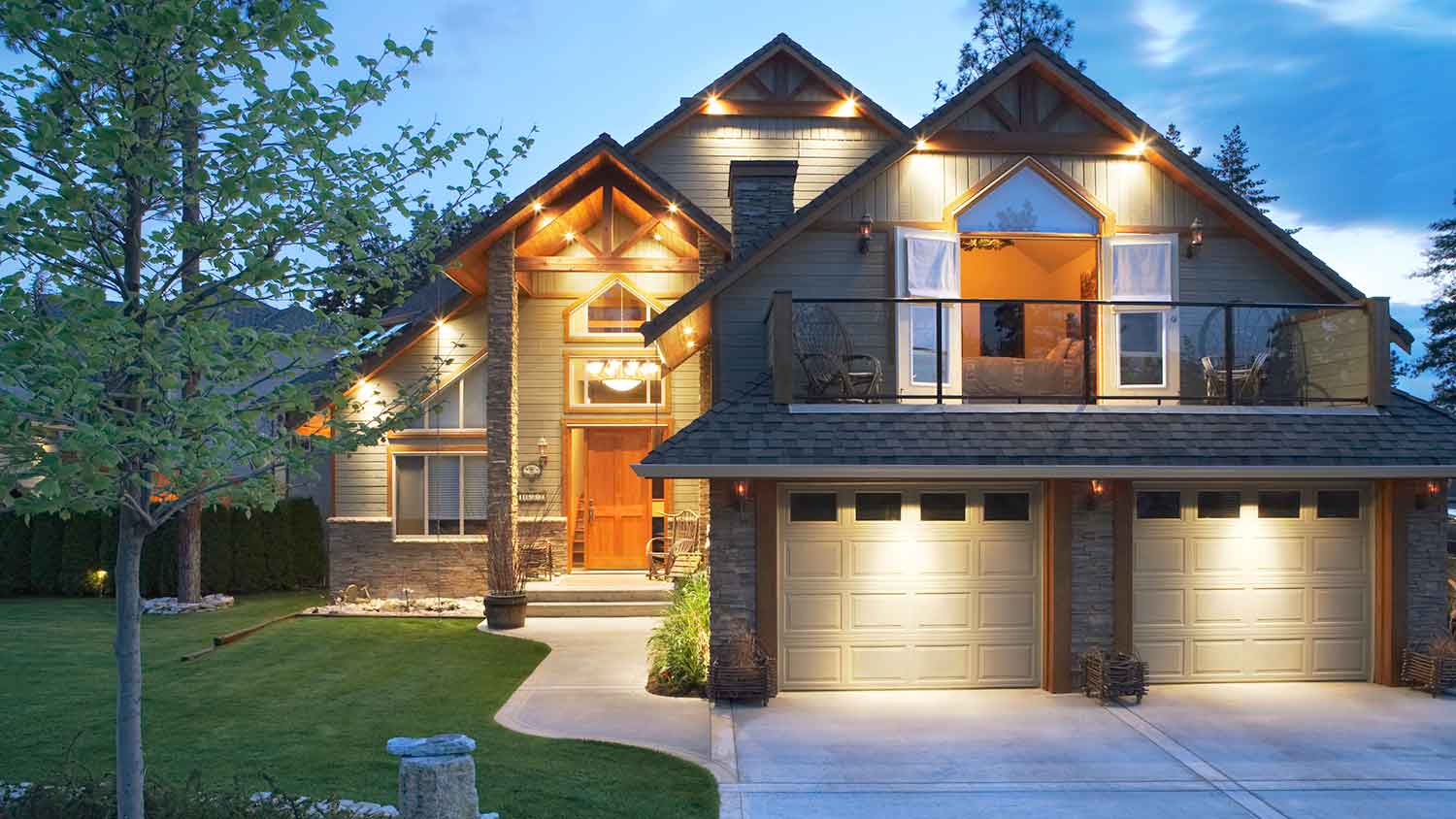
When you want to light up a specific area, flood lights and spotlights are go-tos. Learn the key differences between flood vs. spot lights.
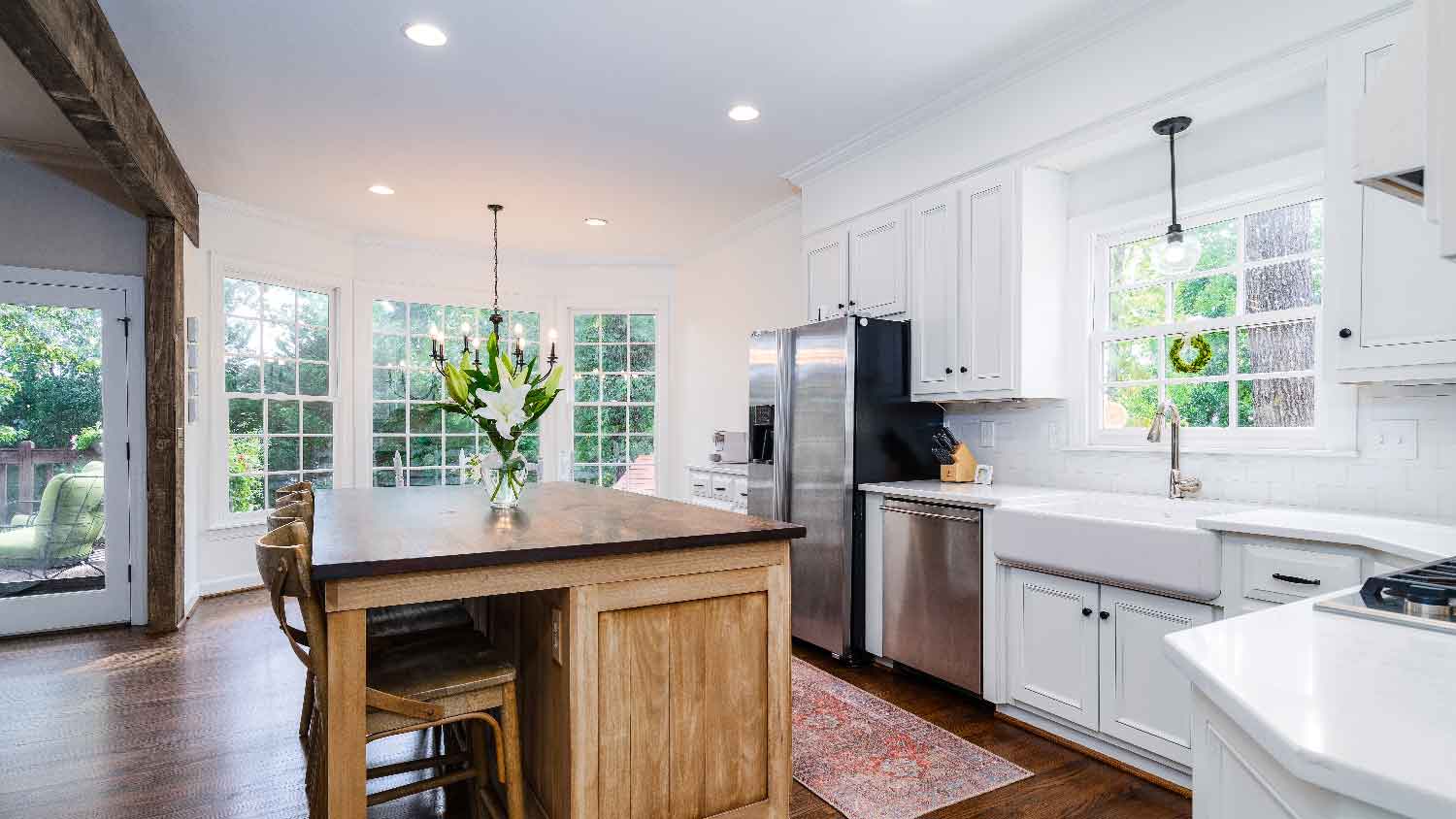
Choosing the best recessed lighting for your home depends on a variety of factors. This guide explores if canned vs. canless recessed lighting is right for you.