

Sustainable, durable, and affordable—these are a few of the benefits of bamboo floors. Here’s a breakdown of bamboo flooring costs to consider.
Panda food makes shockingly strong and beautiful floors

Bamboo flooring types include horizontal grain for a natural look, vertical grain for a hardwood feel, and strand-woven for maximum durability and strength.
Horizontal and vertical grain bamboo flooring are more affordable than strand-woven options, but strand-woven flooring offers the strongest and most durable surface for your home.
Tongue-and-groove bamboo planks fit together with grooves and tongues, while click-locking planks snap into place without glue for faster and easier installation.
Hiring a local flooring company provides expert guidance on grain types and fit options, ensuring your bamboo flooring installation matches your home's needs and style.
Homeowners everywhere adore bamboo for its beauty, sustainability, and versatility. It’s technically a grass (not wood) that’s surprisingly harder than most wood, making it a popular flooring option. Bamboo offers nearly endless combinations of grains, fit types, and finishes to choose from. Let’s explore the different types of bamboo flooring so that you can find the best one for your home.

The grain of your flooring refers to the direction or pattern the fibers in your flooring have. Grain is an aesthetic element of flooring that’s heavily impacted by the manufacturing process. There are three primary types of grains for bamboo flooring.
Also called flat-grain bamboo flooring, horizontal-grain floors are made of bamboo planks. These planks are made by cutting large pieces of dried bamboo into tiny pieces and then gluing and pressing them together. Manufacturers use non-toxic glue to bind the planks together so that they form one cohesive grain with a look that’s similar to traditional hardwood floors.
Because horizontal bamboo flooring has minimal processing compared to the other types, it has a more natural, rugged appearance that shows the bamboo's bumps, nodes, and rings. While it’s very eco-friendly flooring, horizontal grain can limit your options for finishes. Horizontal-grain planks can also be carbonized to achieve a darker color, and many homeowners love the naturalistic and tropical feel this type of bamboo flooring offers.
| Pros | Cons |
|---|---|
| Sustainable and affordable | Fewer options for finishes |
| Comes in different colors | Not as hard as other grains |
| Natural appearance | Visible nodes and gnarls |
Best for: Minimalist homes where it can contrast simpler walls and colors
Vertical-grain bamboo flooring is processed and constructed very similarly to horizontal grain but with one key difference. Normally, the tiny bamboo strips cut from the large ones are glued in a horizontal pattern that retains the bamboo stalk's natural appearance.
Unsurprisingly, manufacturers glue vertical-grain planks vertically so that the bamboo nodes and gnarls aren't visible, making it resemble standard hardwood more closely than horizontal grain does. Because there are no nodes, all types of finishes can be used.
| Pros | Cons |
|---|---|
| Sustainable and affordable | Not as hard as other grains |
| Natural look | Lacks distinctive bamboo look |
| Several options for finishes | Limited fit types |
Best for: Modern homes with colorful and loud interiors that need a neutral floor for contrast
Strand-woven bamboo flooring is the toughest and most versatile grain option. Strand-woven planks are created by shredding bamboo into tiny strands that are nearly the same thickness as human hair. When these strands dry, manufacturers use machines to press them together under high heat to make woven planks.
These planks are harder than traditional hardwood floors and stronger than horizontal- and vertical-grain bamboo flooring. Strand-woven flooring is also the best type of bamboo flooring for radiant floor heating. The grain pattern for strand-woven flooring is completely random. Even with this randomness, the final product has a rich, dark structure that looks like traditional hardwood.
| Pros | Cons |
|---|---|
| Strongest and most durable option | More expensive |
| Can be used with all fit types | Fewer color options |
| Highly versatile | Extremely heavy |
Best for: People with traditional interiors seeking a modern twist
Your flooring’s “fit type” is how the planks fit together to ultimately form your entire floor. The fit type can make or break installation, so you may want to reach out to a local flooring pro for some advice on fit types if you plan to DIY the installation. There are two commonly used fit types for bamboo planks.

Tongue-and-groove is the most common fit type, and you can find it on all three grains. Each bamboo plank has two long sides and two short sides. If your bamboo flooring is tongue-and-groove, one short and one long side has grooves. The other short side has a tongue, and all you need to do is fit them together.
Because bamboo floors are so versatile, planks with this fit type can float over an underlay or be fixed to the subfloor. You can glue the tongues and grooves together if the planks float, and you can use flexible flooring adhesive or nails to attach them to the subfloor.
| Pros | Cons |
|---|---|
| Easy installation | Longer installation |
| More affordable than other fit types | Repairs are more difficult |
| Better moisture resistance | Requires glue |
Best for: Low to mid-traffic areas of your home

Click-locking floors can only be made from strand-woven bamboo. As the name implies, the bamboo planks are designed to click and lock into place with greater security than tongue-and-groove planks. This means they don’t require an adhesive for the plank-to-plank connection. Like tongue and groove planks, click-fitting bamboo floors can float over an underlay or be glued or nailed to the subfloor.
While they are extremely durable, floating click-lock bamboo floors aren’t suited for high-humidity environments. This can make click-lock bamboo flooring risky to install in areas exceeding 15 feet by 25 feet unless your HVAC system can keep humidity levels low and stable year-round.
| Pros | Cons |
|---|---|
| Very durable | More expensive |
| Easy installation | Subfloors have to be in perfect condition |
| Easy to repair | Not great for larger homes |
Best for: Smaller homes in areas with low humidity
If you’re good people wanting to do business with good people, hire Matt. He is a consummate professional and utterly competent. He installed a water heater in my home at a price that beat competitors by hundreds of dollars with a promise to support the unit for its life (even after its 6 yr...
 Greene's Plumbing Services
Joseph did a great job with the staircase and trim. Timely and efficient, clear communication about the work, very fair pricing. For the stairs in particular, done very skillfully in an old house (1893) in a tight spiral, and very creative with how to do the handrail. Did a nice job with...
 Vouis Trim Carpentry L.L.C.
This company does it right. Firstly, I want to say that Landan was a joy to work with. He was so kind, transparent, and had everything under control. His entire team showed up ready to work and they were all very respectful of the fact that we were in an office space. A little backstory – we...
 Krumlauf Floors
Finished Basements Plus was wonderful from beginning to end! First, they came out quickly for an estimate. I had 4 estimates and theirs was by far the best. (2 of the estimates were more than $20K higher than for the exact same work). Beyond their fair pricing, the work was excellent. They...
 Finished Basements Plus Inc.
Very professional, knowledgeable and helpful! Completed the install on time and as expected.
 Ward's Services
Cole has been handling plumbing and general contracting for our four properties over the past three years, and he’s always done a great job. Most recently, he installed a sink and countertop in our retail store where none existed before, and it turned out exactly how we needed. He’s...
 ANB Renovations LLC
Excellent, Prompt, Courteous Service!!! They were super friendly and quite personable. I felt very comfortable with the gentlemen that did the installation. They installed it exactly where I asked them to and they did an excellent job!! I loved their service so much.
 Tether House
Window Depot did an amazing job installing the windows in my basement! The process from start to finish was by far more than what I expected. I would highly recommend Window Depot if you want professionalism from the the consultation to the installation. Dont settle for mediocre when you can...
 Window Depot USA of Central Ohio
AFS was excellent from start to finish. Jess, the sales associate, was fantastic...very knowledgeable and very professional. The installation crew was excellent. I couldn't be more pleased with the process. Best of all, my new floor looks fantastic!
 America's Floor Source
We were having 2”x 2” tile installed . There was a small installation error and the new additional replacement tile was from a different lot and the colors didn’t match. Joe assured us that he would rectify everything , which he did without hesitation. We decided to go with the 18” x 36” tile...
 CarifaTile
From average costs to expert advice, get all the answers you need to get your job done.
Sustainable, durable, and affordable—these are a few of the benefits of bamboo floors. Here’s a breakdown of bamboo flooring costs to consider.

Discover the cost of bamboo decking. Learn about installation prices, key cost factors, and ways to save on your bamboo deck project.

Bamboo is becoming a popular alternative to hardwood floors. Consider these bamboo flooring pros and cons before installing new flooring in your home.
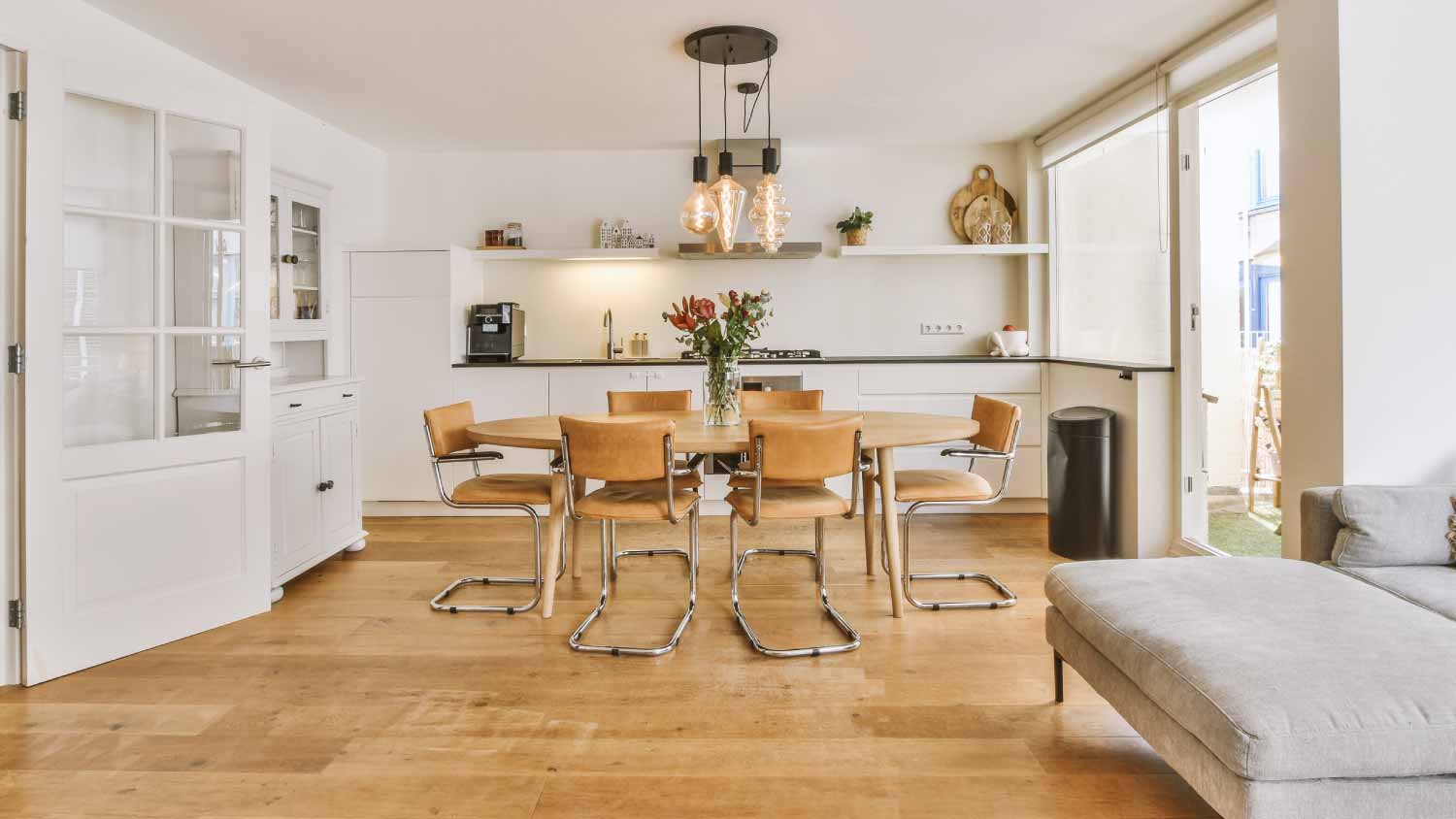
What type of flooring is best for your home? Let's get into the differences between bamboo flooring versus laminate and learn about the pros and cons of both.
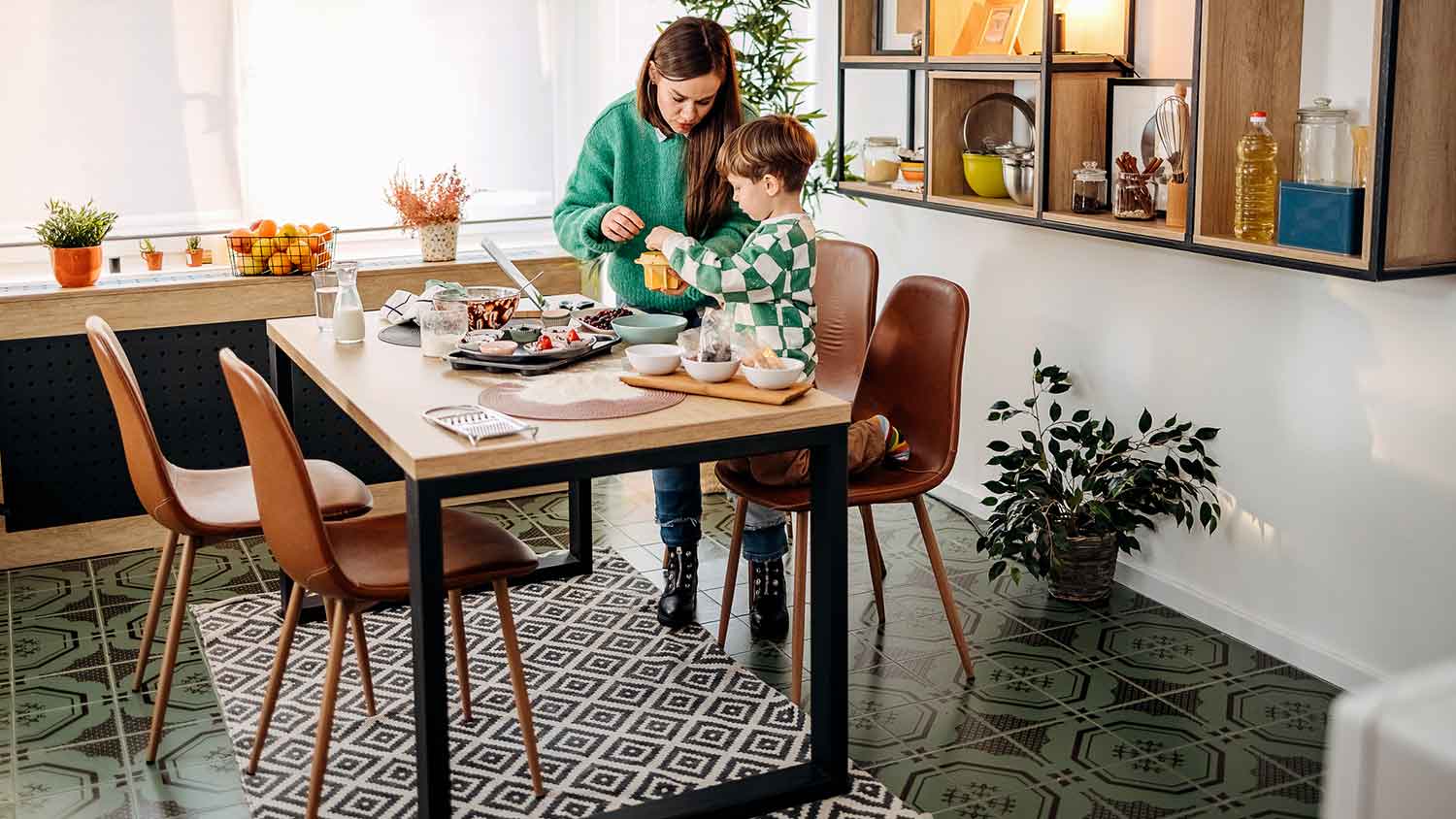
There are many material options for your new floor, so how can you choose the right one? We compare solid bamboo flooring vs. tile to help you make the right choice.
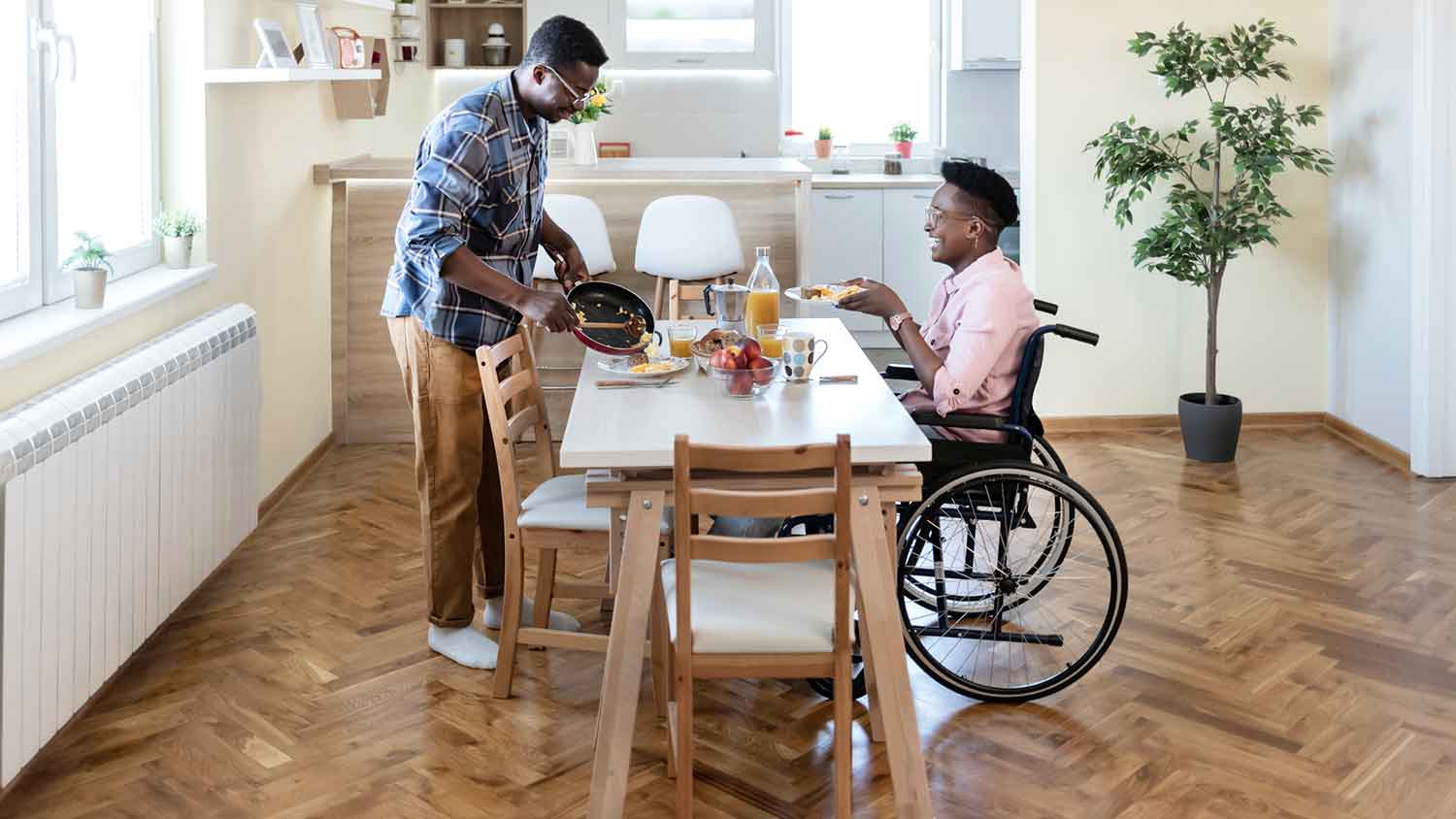
Discover the best types of hardwood floors for your home. From solid hardwood to engineered wood, explore options, pros, cons, and ideal applications.