
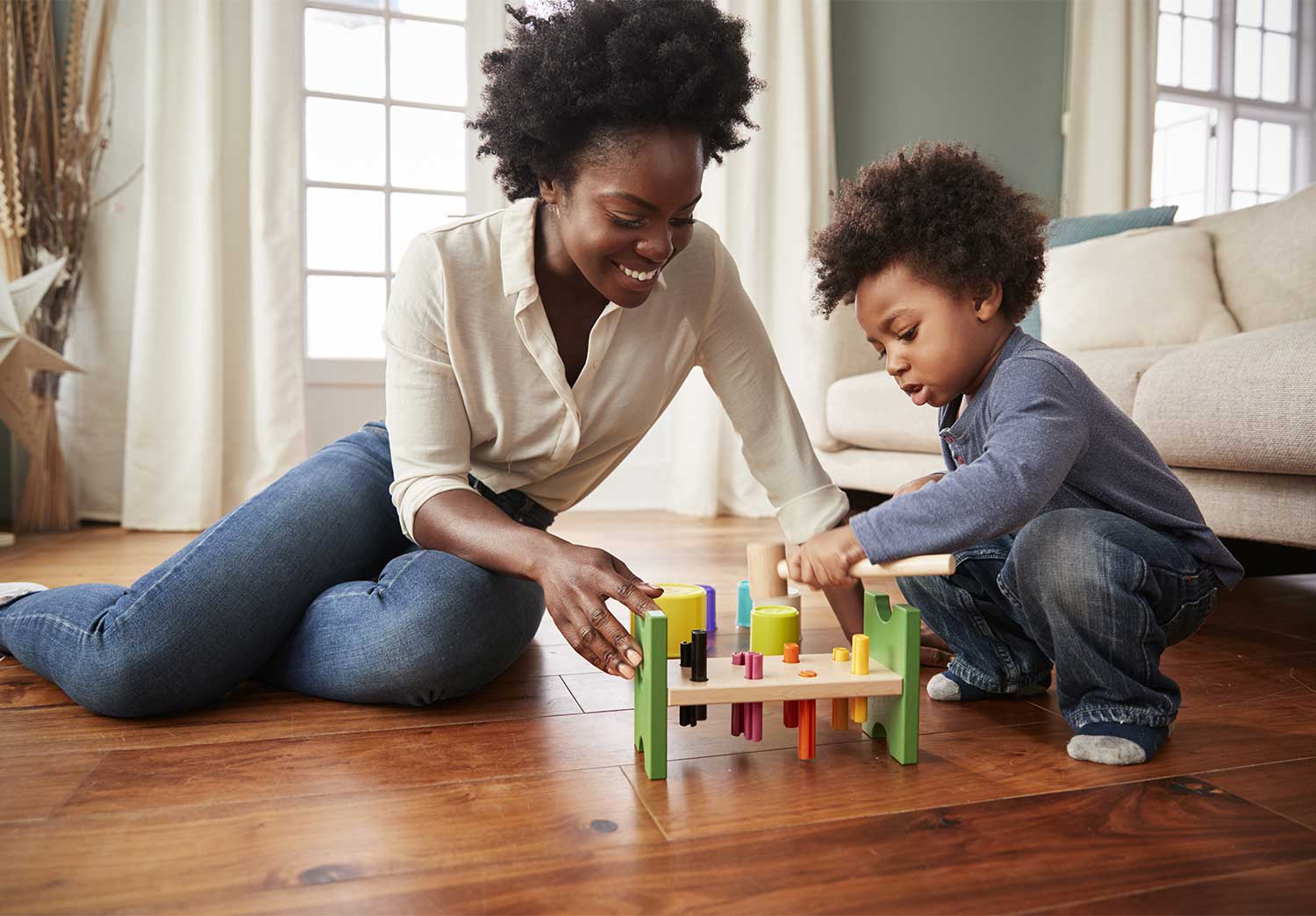
Sustainable, durable, and affordable—these are a few of the benefits of bamboo floors. Here’s a breakdown of bamboo flooring costs to consider.
You’ll be floored by all the benefits of both of these materials

Bamboo flooring costs $2 to $20 per square foot for materials and labor, while hardwood costs $6 to $25 per square foot.
Bamboo flooring lasts about 25 years on average, while hardwood floors can last over 100 years with proper care and maintenance.
Your choice between bamboo and hardwood depends on your budget, desired longevity, style preferences, and commitment to sustainable materials for your home.
Hiring a local flooring company keeps installation smooth and professional, handling acclimation, subflooring prep, and precise plank placement for lasting results.
Wood (or wood-like) flooring is a popular choice for high-traffic areas, like living rooms or primary bedrooms, because it offers strength and durability you might not get with laminate or carpet. But you have to choose from a variety of options, including classic hardwood and eco-friendly bamboo. Before you purchase your new floor, consider all the perks and drawbacks of bamboo flooring versus hardwood.

While they both look like types of wood flooring, bamboo is actually a grassy plant that grows rapidly. This rapid growth means bamboo is considered a more sustainable material that often comes at a lower cost compared to hardwood.
Another major difference between these two flooring types is their life spans. While both are hard and durable, bamboo tends to last years or even decades less than hardwood. One of hardwood’s other biggest perks is that it comes in such a large range of appearance options.

Bamboo flooring is, unsurprisingly, made from bamboo: a dense, fast-growing grass commonly found in tropical climates. Bamboo can grow up to 1.5 inches per hour, making it a sustainable and renewable resource. This hardy grass is cut at the stems and processed into planks, which is why bamboo flooring can often resemble the look of hardwood. From there, it can be carbonized for a darker color.
| Pros | Cons |
|---|---|
| Eco-friendly | Fewer visual options |
| Lower price | Shorter life span |
| Strong and durable | Sensitive to moisture |
Best for:
Areas with low humidity and low risk of water spillage
Homes with kids and pets
Households prioritizing sustainable materials
Because bamboo is a fast-growing plant, it’s more sustainable to grow and harvest and an eco-friendly flooring option. The fast growth rate also helps lower the cost of bamboo flooring because the supply can regrow quickly.
Despite being a type of grass, bamboo is impressively strong. It’s harder than some types of hardwoods, such as oak or cherry. It has a strength similar to steel, so it can stand up well to dents, scratches, and wear and tear.
Although the price and durability are major perks, bamboo flooring isn’t without its drawbacks. This material doesn’t offer as many customizations or options for colors and textures compared to hardwoods, so you may find it doesn’t quite match the vision you had in mind for your living space.
Despite its durability, bamboo isn’t moisture-resistant. So, if you spill anything on a bamboo floor, you need to wipe it up quickly. This also means that bamboo flooring may not be the best option for humid rooms, like a bathroom. Keep in mind that bamboo lasts 25 years on average, while hardwood floors can last over 100 years.

Hardwood flooring is made from any species of hardwood trees, such as oak, maple, cherry, walnut, and beech. Hardwood trees may take 20 to 150 years to mature enough for harvest, after which a manufacturer will process them into planks for flooring. Hardwood flooring has been around since the 1600s, becoming more widespread in the late 1800s to early 1900s, and it’s a durable material that can last over 100 years with proper care.
| Pros | Cons |
|---|---|
| Long life span | Less sustainable |
| Wider variety of appearances | More expensive |
| Reliable grading and ratings | Not pest-resistant |
Best for:
Homeowners who want to achieve a specific look in a room
Homeowners who don’t want to replace the flooring again for many decades
High-traffic areas
Hardwood flooring is one of the most popular floor choices for good reasons. When they’re well-maintained, hardwood floors can last for multiple generations. Because it’s been around for a long time, hardwood also has a more robust grading and rating system compared to bamboo, so you can more easily find the highest quality hardwood for your projects.
Another benefit of hardwood is that it has more choices in terms of appearance. You can find many different colors based on what type of hardwood you choose, from warm-toned cherry or red oak to cool-toned ash or white oak. There are even varying grain patterns in each wood for a truly one-of-a-kind look.
Hardwood is a renewable material, but growing and harvesting hardwood trees is a much slower process than for bamboo. This also means hardwood flooring tends to come at a higher cost when compared to fast-growing bamboo.
Another thing to consider when shopping for flooring is that while bamboo is naturally pest-resistant, hardwood flooring can end up as a home for pests like termites, carpenter ants, or powderpost beetles.

Choosing between bamboo flooring versus hardwood may seem difficult since each material has its own unique benefits and weak points. Fortunately, no matter which you choose, both bamboo and hardwood are great options for upgrading your home with a durable, long-lasting material. Here’s how these two popular flooring options compare:
Hardwood comes in so many natural color and texture variations since it can be sourced from a wide variety of tree species. Not only that, but you can also opt for a range of finishes, including different stains, that change the look of your hardwood floors. No matter what room or style you’re renovating, there’s a hardwood to suit your preferences. Bamboo can be a stunning material, but it naturally comes in a lighter shade that may not work with all spaces.
When considering whether to buy bamboo flooring versus hardwood, make sure to check the hardness of the specific flooring product you buy. Bamboo is pretty strong, and it’s harder than some popular hardwood floors, like oak. However, there are also hardwood flooring types that are stronger than bamboo, including red walnut and Brazilian teak. No matter which flooring material you choose, you can rest assured that the floor will be pretty hardy and stand up against dents and other damage.
Because of how quickly it regrows, bamboo costs less than hardwood flooring. Bamboo flooring costs $2 to $20 per square foot for materials and labor, while hardwood flooring costs $6 to $25 per square foot.
Installing bamboo or hardwood flooring requires acclimating the material by letting it sit open in the room for 48 hours, inspecting and repairing or installing new subflooring, and using glue, nails, or click-and-lock planks to install the floors into place. While a savvy DIYer may be able to tackle installing bamboo or hardwood flooring, you’ll get better results by hiring a local flooring company for this home improvement project.
Both hardwood and bamboo require similar levels of care. Sweeping or vacuuming the floors weekly, cleaning up spills immediately, and rubbing away scuffs as needed are important for maintaining the look of both hardwood and bamboo floors. Both materials also need refinishing from time to time when they begin looking especially worn from scratches.
You’ve settled into your forever home, and now you’re looking to make sure it looks as good 50 years from now as it does today. If you want a material with better longevity, opt for hardwood. Hardwood lasts anywhere from 30 years to over 100 years. Although bamboo flooring has a longer life span (about 25 years) than vinyl or carpet, it doesn’t last as long as hardwood.
Bamboo is more sustainable because it’s a fast-growing plant. Hardwood, on the other hand, can take decades to grow to maturity. While bamboo is more sustainable for its rapid growth, keep in mind that it requires more energy to manufacture bamboo into flooring compared to hardwood, so it isn’t perfect. Still, it’s a good flooring option for eco-conscious homeowners.
If you’re good people wanting to do business with good people, hire Matt. He is a consummate professional and utterly competent. He installed a water heater in my home at a price that beat competitors by hundreds of dollars with a promise to support the unit for its life (even after its 6 yr...
 Greene's Plumbing Services
Joseph did a great job with the staircase and trim. Timely and efficient, clear communication about the work, very fair pricing. For the stairs in particular, done very skillfully in an old house (1893) in a tight spiral, and very creative with how to do the handrail. Did a nice job with...
 Vouis Trim Carpentry L.L.C.
This company does it right. Firstly, I want to say that Landan was a joy to work with. He was so kind, transparent, and had everything under control. His entire team showed up ready to work and they were all very respectful of the fact that we were in an office space. A little backstory – we...
 Krumlauf Floors
Finished Basements Plus was wonderful from beginning to end! First, they came out quickly for an estimate. I had 4 estimates and theirs was by far the best. (2 of the estimates were more than $20K higher than for the exact same work). Beyond their fair pricing, the work was excellent. They...
 Finished Basements Plus Inc.
Very professional, knowledgeable and helpful! Completed the install on time and as expected.
 Ward's Services
Cole has been handling plumbing and general contracting for our four properties over the past three years, and he’s always done a great job. Most recently, he installed a sink and countertop in our retail store where none existed before, and it turned out exactly how we needed. He’s...
 ANB Renovations LLC
Excellent, Prompt, Courteous Service!!! They were super friendly and quite personable. I felt very comfortable with the gentlemen that did the installation. They installed it exactly where I asked them to and they did an excellent job!! I loved their service so much.
 Tether House
Window Depot did an amazing job installing the windows in my basement! The process from start to finish was by far more than what I expected. I would highly recommend Window Depot if you want professionalism from the the consultation to the installation. Dont settle for mediocre when you can...
 Window Depot USA of Central Ohio
AFS was excellent from start to finish. Jess, the sales associate, was fantastic...very knowledgeable and very professional. The installation crew was excellent. I couldn't be more pleased with the process. Best of all, my new floor looks fantastic!
 America's Floor Source
We were having 2”x 2” tile installed . There was a small installation error and the new additional replacement tile was from a different lot and the colors didn’t match. Joe assured us that he would rectify everything , which he did without hesitation. We decided to go with the 18” x 36” tile...
 CarifaTile
From average costs to expert advice, get all the answers you need to get your job done.
Sustainable, durable, and affordable—these are a few of the benefits of bamboo floors. Here’s a breakdown of bamboo flooring costs to consider.
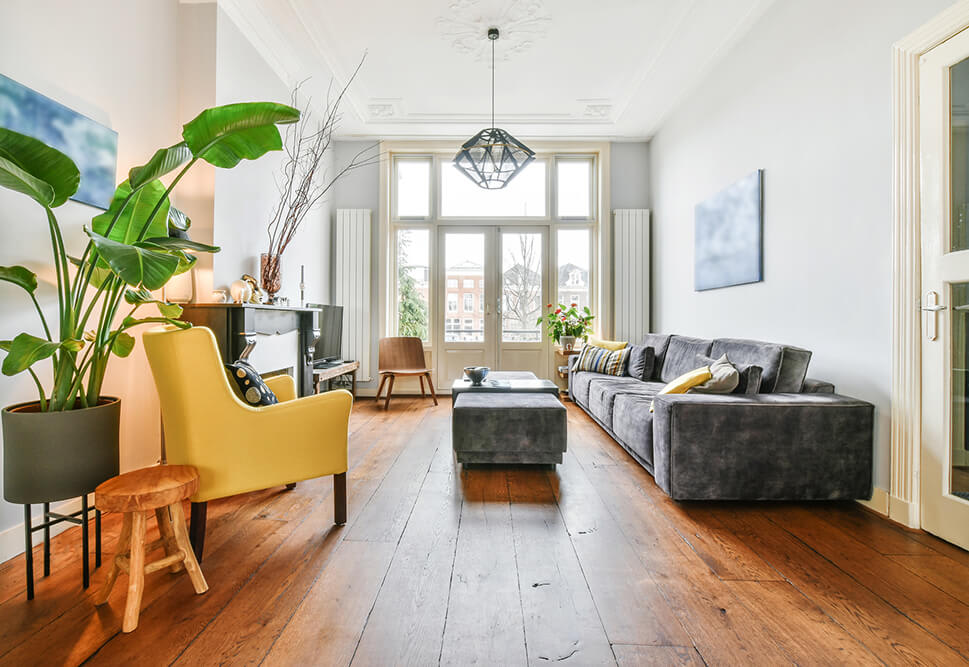
Both materials and labor determine hardwood floor installation costs. This guide breaks down all the prices you need to know before starting your new flooring project.
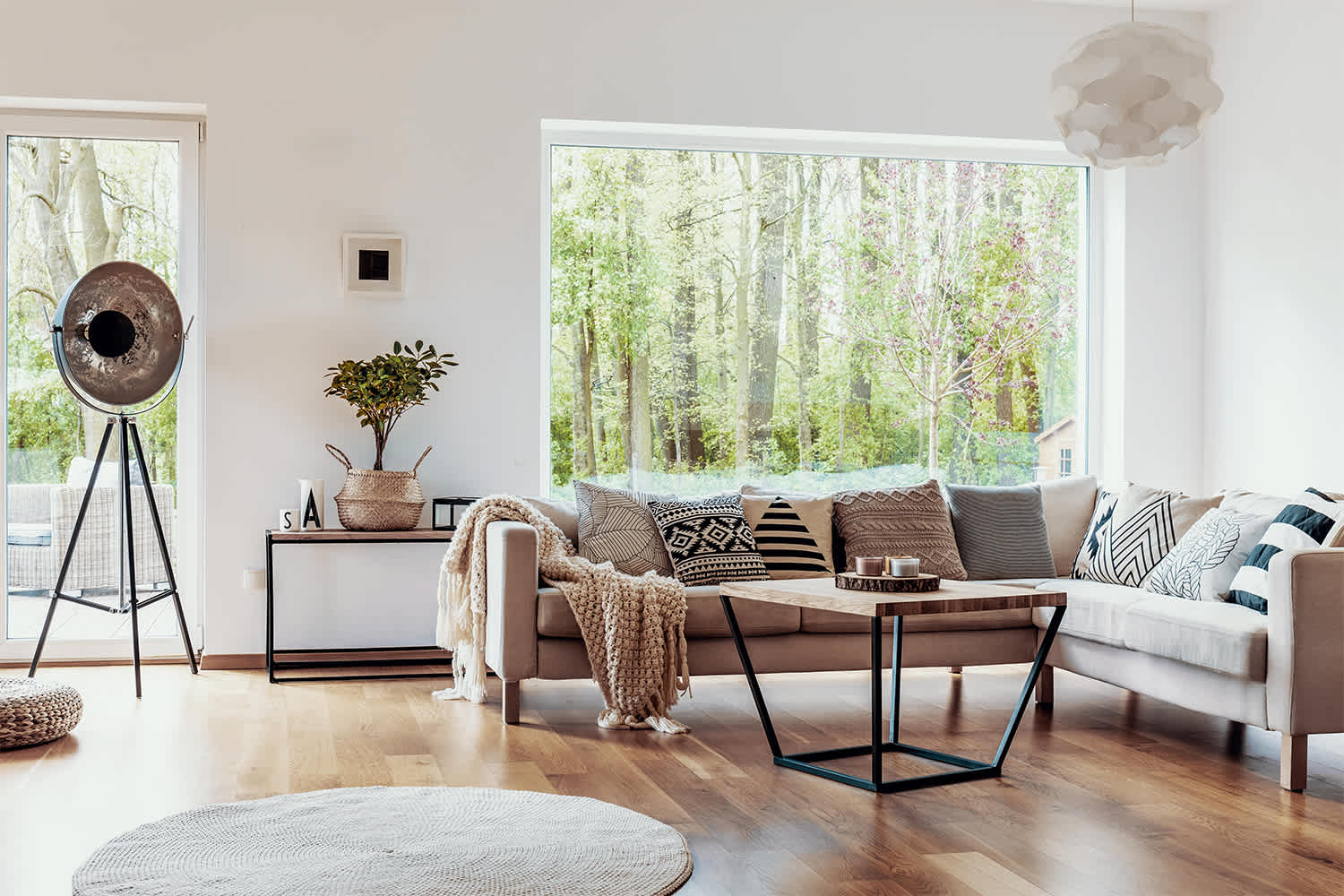
It’s impossible to keep floors damage-free over the years. Thankfully, the cost to refinish hardwood floors is far less than the price tag to replace them altogether.

Bamboo is becoming a popular alternative to hardwood floors. Consider these bamboo flooring pros and cons before installing new flooring in your home.
What type of flooring is best for your home? Let's get into the differences between bamboo flooring versus laminate and learn about the pros and cons of both.
Discover the best types of hardwood floors for your home. From solid hardwood to engineered wood, explore options, pros, cons, and ideal applications.