
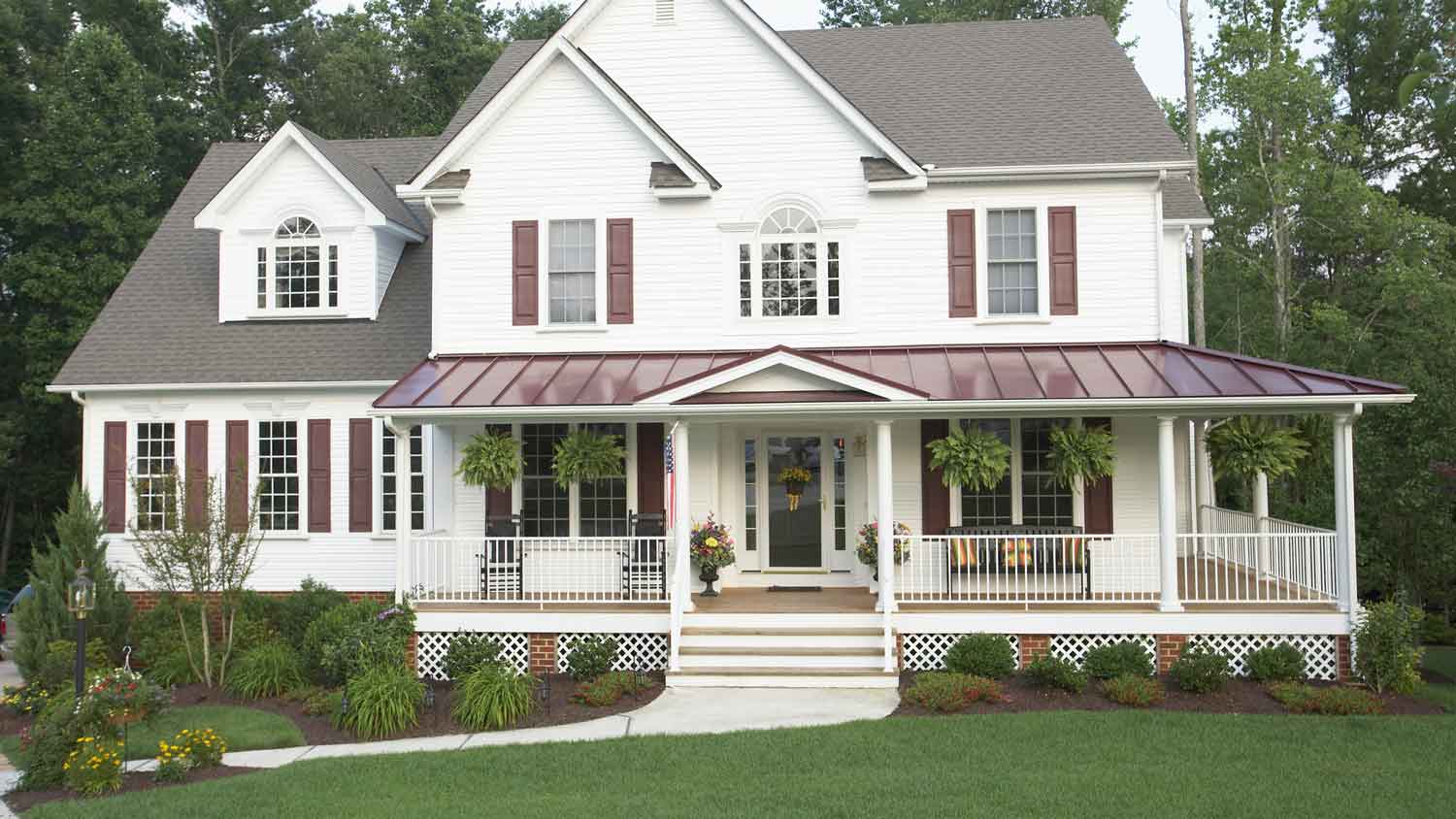
Discover eight home foundation types for home construction, their functions, benefits and drawbacks, and how to identify each kind.
The glue that holds it all together

Type N mortar and Type S mortar both bond masonry materials, but Type S delivers higher compressive strength for your structural and below-grade projects.
Type N mortar works better for your softer brick and stone because it's more flexible, while Type S mortar can crack delicate masonry with its rigid strength.
Your choice between Type N mortar and Type S mortar depends on application location, load-bearing needs, material hardness, and moisture exposure in your project.
Hiring a local masonry repair professional keeps your mortar selection and application on track, ensuring proper mixing and joint work for lasting results.
Choosing the right mortar is just as important as selecting the right materials when working with brick, stone, or block. Type N and Type S mortars are two of the most common masonry materials. While they look similar, their differences in strength, durability, and workability can significantly impact appearance and longevity if not used for the right application. Breaking down the differences between Type N versus Type S mortar can help you decide the best fit for your next masonry project.
Type N and Type S mortars feature different strengths that are suited for specific uses. Type N mortar is a medium-strength mix used for above-grade, exterior walls and soft stone or brickwork. It's more flexible and better suited to withstand minor movement or weather exposure. Type S mortar is stronger and more durable and is best suited for load-bearing walls, retaining walls, foundations, and other below-grade applications where higher compressive strength is needed.
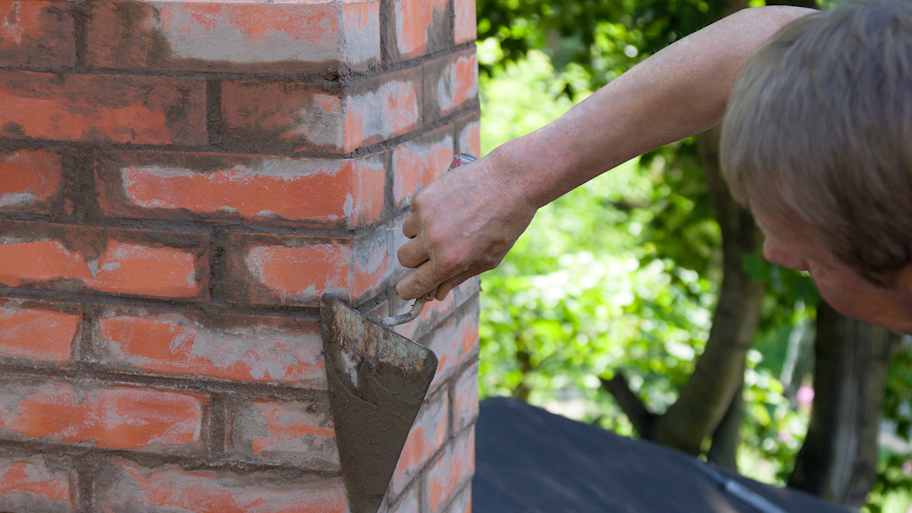
Type N mortar is a medium-strength, general-purpose mortar made by combining one part cement, one part lime, and six parts sand. It’s used in residential construction on exterior walls, chimneys, and interior load-bearing installations. The mortar is a popular choice for brick, block, and stone masonry in standard building conditions.
| Pros | Cons |
|---|---|
| Suitable for above-grade, exterior, and interior uses | Not strong enough for heavy structural or below-grade applications |
| Easy to work with and apply | Lower compressive strength than Type S |
| Ideal for soft stone and older brick | Less resistant to soil pressure |
| Widely available | May deteriorate faster in high-moisture areas |
Best for:
Exterior brick walls
Chimneys
Interior load-bearing installations
Type N mortar is strong enough to handle most standard load-bearing walls and has enough give to tolerate minor shifts or changes in temperature without cracking. The mortar is a solid option for exterior walls, chimneys, and stone veneers. The mix of cement, lime, and sand creates a strong bond while staying easy to work with, which is great for DIY projects. When learning how to fix brick mortar, Type N is suitable for DIY repairs.
Type N mortar pairs well with softer materials like old brick or natural stone. Because it isn’t overly rigid, it won’t damage more delicate masonry units over time. This makes it particularly useful for historic restorations or projects where aesthetic preservation is important. Its widespread availability and reliability make it a go-to mortar for many above-grade applications in new builds and repairs.
Type N mortar is strong enough to handle certain uses, but it has a lower compressive strength than S mortar. The material isn’t suitable for below-grade applications like foundations, retaining walls, or areas subject to significant weight or soil pressure. Premature cracking or structural failure can occur if Type N mortar is used in those situations.
Type N mortar can degrade faster than stronger alternatives in harsher environments such as frequent freeze-thaw cycles or high moisture exposure. It’s not as resistant to the stress that comes from shifting soil, water infiltration, or heavy loads. So while it excels in moderate conditions, it’s not the best choice when durability and strength are critical.
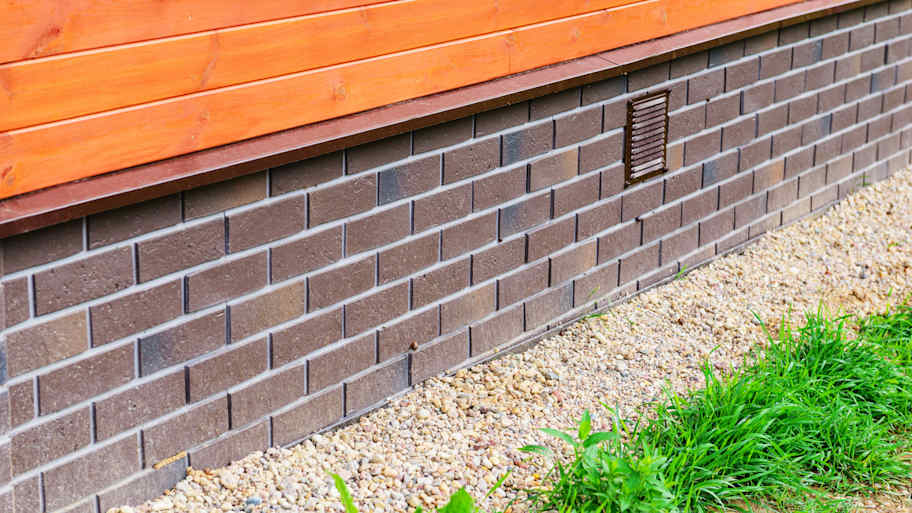
Type S is a high-strength mortar mix made with two parts cement, one part lime, and nine parts sand. It's designed for structural applications and in projects that require greater load-bearing capacity. Type S mortar is popular in below-grade construction, such as foundations, retaining walls, and masonry that comes into contact with soil.
| Pros | Cons |
|---|---|
| Suitable for below-grade use, including foundations and retaining walls | Harder to work with compared to Type N |
| Holds up well under soil pressure and lateral loads | Risk of cracking with softer masonry materials |
| Resistant to harsh weather and freeze-thaw cycles | Less forgiving during application |
| Versatile for indoor and outdoor use | May not be ideal for historic restorations or delicate stonework |
Best for:
Exterior load-bearing walls
Foundations
Retaining walls and masonry patios
Type S mortar has high compressive strength, which makes it ideal for heavy-duty structural applications. It’s commonly used in foundations, retaining walls, and other below-grade projects where soil pressure, moisture, and weight are constant challenges. Type S mortar improves a building's durability with a strong, lasting bond between masonry units.
Resistant to extreme weather conditions, Type S mortar holds up against freeze-thaw cycles, wind, and moisture exposure. The mortar is especially useful in outdoor settings and climates with harsh winters. Type Sr’s durability helps ensure the integrity and safety of the build whether it’s supporting a patio, a load-bearing wall, or a structure in a high-wind or seismic zone.
Type S mortar can be challenging to work with because of its thick consistency and high bonding power. If not mixed or applied properly, it can set too quickly or create uneven joints, which can impact the final result. The mortar isn't ideal for materials that expand and contract or for older brick and stone that could crack under pressure, because the increased strength means it’s less flexible.
Not every project calls for such high strength, so using Type S can be overkill. Using Type S for softer or more decorative masonry elements can lead to increased material costs and reduced compatibility. For non-structural projects or restorations, a flexible mortar like Type N avoids damage while maintaining the building's intended look and function.
Type N mortar is easier to work with for DIY projects because of its smooth texture and long working time. Type S mortar is more challenging to mix and apply due to its thicker consistency and faster setting time. It's best to hire a local masonry company for projects that require Type S mortar rather than DIYing it.
Type N mortar finishes smoothly and is easier to tool, making it popular for decorative brickwork and veneers. Its softer texture delivers cleaner joints and a more polished look. Type S mortar may not provide a refined finish because it's harder to work with.
Type N mortar offers more colors and finishes to provide a better fit for aesthetic applications like facades and decorative stonework. Its workability allows for more precise joint styling and easier mixing with tints or additives. Type S is more function-driven, so while it can be customized, it’s chosen for strength over appearance.
Type S mortar is more durable than Type N, thanks to its higher compressive strength and resistance to soil pressure, moisture, and harsh weather. It’s built to handle structural loads and below-grade conditions. Type N is still durable for general use, but doesn’t hold up as well under heavy stress or in extreme conditions.
Depending on how much mortar you need, Type N mortar is more affordable than Type S in terms of material cost and ease of application. It’s less labor-intensive, which can help reduce overall project expenses. Type S mortar is more expensive due to the higher compressive strength.
1 tree was cut down and 5 others including a large willow tree were trimmed. The Grant Tree Service men were professional and cleaned up afterwards. The cost of the 6 trees were affordable. I am very happy with the results. I would hire them again.
 Grants Tree Service
Joseph did a great job with the staircase and trim. Timely and efficient, clear communication about the work, very fair pricing. For the stairs in particular, done very skillfully in an old house (1893) in a tight spiral, and very creative with how to do the handrail. Did a nice job with...
 Vouis Trim Carpentry L.L.C.
Finished Basements Plus was wonderful from beginning to end! First, they came out quickly for an estimate. I had 4 estimates and theirs was by far the best. (2 of the estimates were more than $20K higher than for the exact same work). Beyond their fair pricing, the work was excellent. They...
 Finished Basements Plus Inc.
I'm a repeat customer of All Star Paving & Sealing and I appreciate the service that all start paving has done for me in the past. I just recently had them out for an estimate and things couldn't have gone better. The staff that they send out to do the estimates are very knowledgeable. The...
 All Star Paving and Sealing
Ace Fireplace Services came to the rescue for my chimney repair. They were quick to pinpoint the issue and worked their magic to fix it. My chimney is now in excellent shape, and I'm a satisfied customer.
 Ace Fireplace Services
Supreme Brick & Chimney did an excellent job restoring the brick and mortar joints on my home. Their team was professional, knowledgeable, and completed the work on time. I highly recommend them and will hire them again in the future! Thanks!
 Supreme brick & chimney
Custom Paint Jobs LLCs custom murals brought life to our childrens rooms. They love it!
 Custom Paint Jobs, LLC
Window Depot did an amazing job on my deck. I wasnt sure what I wanted to do, but their composite decking was affordable and will last a long time. I am excited to have family over, and I am no longer embarrassed by my backyard. Jeff and the ground crew were polite, respectful, and caring for...
 Window Depot USA of Central Ohio
Storms Mobile Welding was great to work with. They were prompt, professional and did an overall excellent job on the project. I highly recommend.
Beginning with the estimate, Larry and Peyton were super helpful in getting my new condo's interior re-painted. Not only was the job well done, but also done in a super timely manner as promised.
 Five Star Painting of Plain City and Powell
From average costs to expert advice, get all the answers you need to get your job done.
Discover eight home foundation types for home construction, their functions, benefits and drawbacks, and how to identify each kind.
Choosing the right asphalt is key to a long-lasting surface. Find out which mix works best for roads, driveways, and heavy-traffic areas.

From crackling wood-burning to electric, homeowners have several types of fireplace inserts to choose from. But how do you decide which is right for you?
Here’s a closer look at the key differences between tuckpointing vs. repointing so you can decide which masonry repair technique is right for you.

While mortar and concrete look like similar composites, they serve very different roles around the house. Here’s how they differ in application, cost, and more.
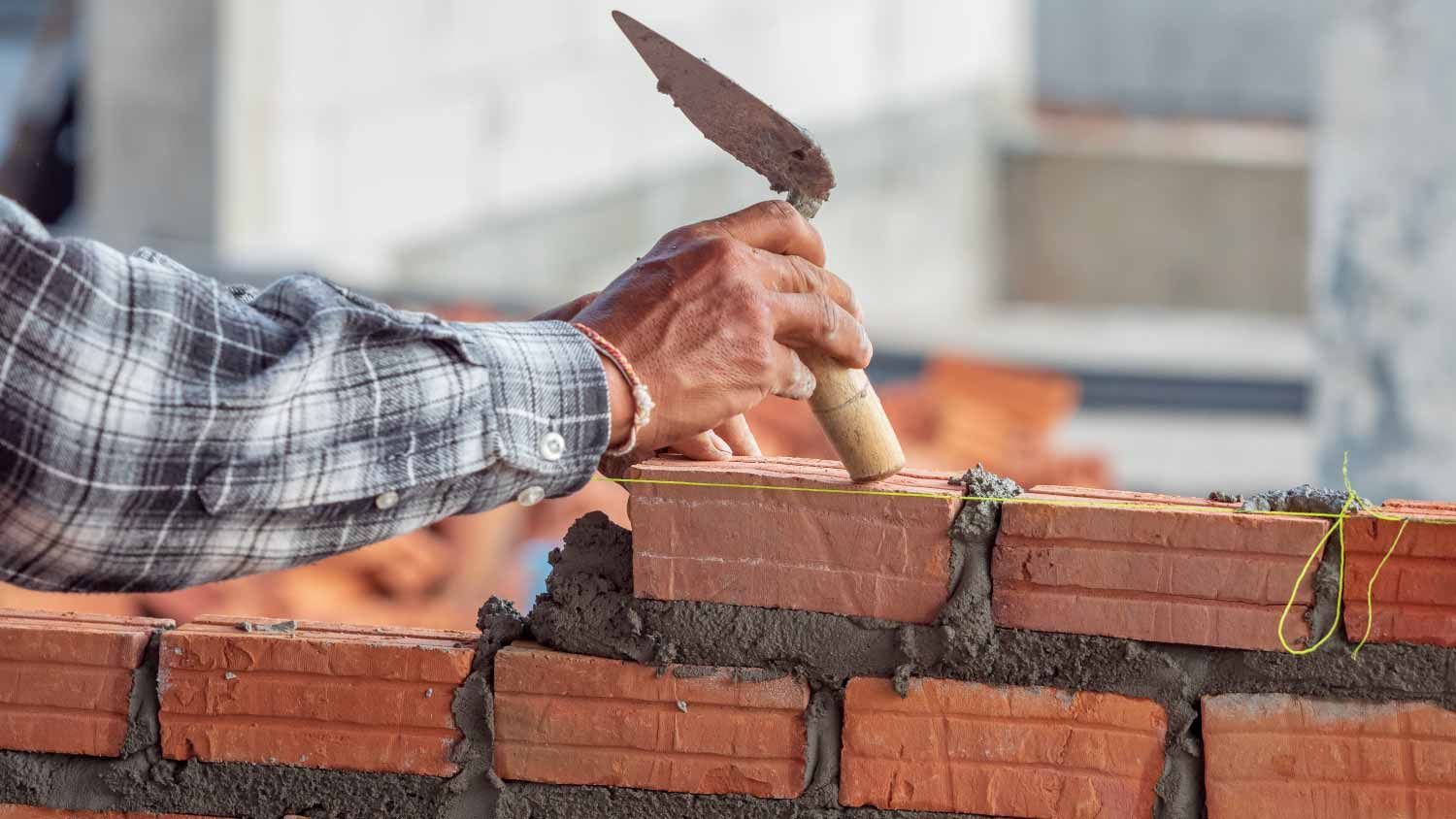
Burnt clay bricks are the most popular option in modern construction, but there are others to consider as well. Here’s a look at seven common types of bricks.