
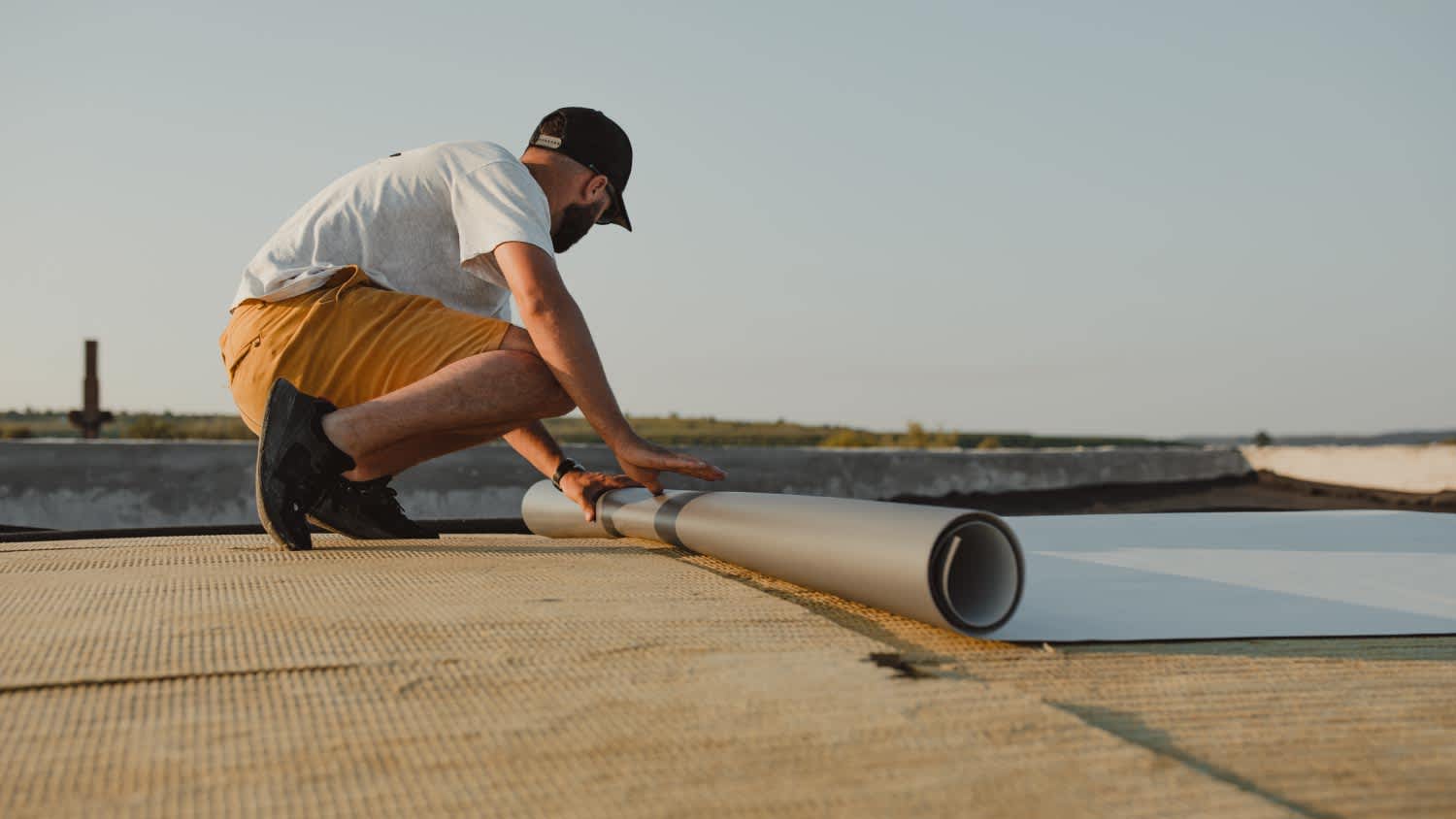
TPO roofing is a newer option for flat roofs. Find out how much TPO roofing costs and what factors can affect the price.
With similar pricing, the choice comes down mostly to your climate

TPO versus EPDM roofing comes down to climate needs, as TPO reflects sunlight to reduce cooling costs while EPDM absorbs heat for warmth.
Both TPO and EPDM roofing materials cost $4 to $12 per square foot to install, making them similar investments for your flat roof.
EPDM roofing lasts 25 years or longer with proper care, while TPO roofs last 7 to 20 years, affecting your long-term value.
Hiring a local roofing professional keeps installation and repairs on track, helping you choose the right material and maintain your roof confidently.
TPO and EPDM roofing are both solid options for flat or low-sloped roofs, and the best option for your building depends on the climate in your area. They both cost about the same to install, but long-term costs will vary based on weather conditions. In this guide, we’ll explain all the differences between these two flat roof materials to help you decide which suits your project best.
TPO roofing is usually white, which makes it more energy-efficient in hotter climates, and it stands up better to impact from hail and blown debris. EPDM roofing tends to fare better in extreme temperatures, can last about twice as long, and is easier to repair, making it a better option for value in most cases.

TPO roofing is a single-ply roofing material that is usually white and comes in a sheet. It’s made of rubber and filler material and is an increasingly popular option for flat and low-sloped roof types. A professional will either use adhesives or mechanical fasteners to install it, and the light color can help reduce cooling costs in hotter temperatures.
| Pros | Cons |
|---|---|
| Keeps building cool | Shorter life span |
| Resists impacts | Worse in cold climates |
| Better appearance | Lower fire resistance |
Best for:
Reducing cooling bills in hotter climates
Roofs that could see impact damage from hail or blown debris
A more aesthetically pleasing roof
The standard TPO roofing color is white, which means it reflects sunlight and helps reduce heat transfer to your building. As such, it can help reduce cooling costs in hotter climates. Many building owners also prefer the appearance of the white, reflective surface of TPO roofing over the standard black color of EPDM roofing.
TPO roofing stands up better to impacts than EPDM, which punctures more easily. That means TPO is the preferred roofing material in areas with frequent hail or where roofs could be subject to debris from severe weather and strong winds.
TPO roofs have better resistance to chemicals, so they’re usually preferred in areas with higher air pollution and in industrial and some commercial areas.
The white color of TPO roofing is ideal for reducing cooling costs in hotter climates, but it’s not ideal in colder climates where solar heat gain would be beneficial.
Both roofing materials cost about the same to install, but TPO roofing can have half the life span of EPDM roofing, and it’s more expensive and challenging to repair. As such, the value you’ll see from a TPO roof will be lower over time.
Finally, TPO roofing is reasonably fire-resistant, but it doesn’t match the resiliency of EPDM roofing.

EPDM roofing is another single-ply roofing material that’s usually black in color and comes in sheets. The dark color absorbs sunlight and more readily transfers heat to the building below, making it ideal in colder climates. It’s also made of rubber, and its primary use is on flat or low-sloped roofs. EPDM roofing comes with three installation options: ballasted, mechanically fastened, and fully adhered.
| Pros | Cons |
|---|---|
| Best in cold climates | Less visual appeal |
| Longer life span | Low impact resistance |
| Easier to repair | Low chemical resistance |
Best for:
Buildings in colder climates, where solar heat gain would reduce cooling costs
Long-term value and affordability
Ease of maintenance
EPDM roofing is usually black, which means it absorbs sunlight and can transfer the heat to your building. This makes it a better option in colder climates, as the heat gain can help reduce heating costs. EPDM roofing is more flexible, so while it’s ideal in colder climates, it can resist more extreme temperature changes without sustaining damage.
EPDM roofing lasts for up to 15 to 25 years and even longer with proper maintenance and repairs. This is two to three times longer than TPO, meaning it provides greater value over time. It’s also easier and more affordable to repair, adding to the overall value and ROI.
Finally, EPDM is more fire-resistant than TPO, making it a better option in areas where wildfires are a concern.
The biggest drawback of EPDM roofing is that it’s not nearly as puncture-resistant as TPO roofing. It may not be the best option if you live in an area that sees frequent hail or where the roof is at risk of impact from blown debris during strong winds.
EPDM roofing’s black coloring is considered less visually appealing than the standard white color of TPO roofing. You can purchase white EPDM roofing, but the added reflective layer drives up material costs.
Finally, EPDM roofing can degrade more quickly in the presence of chemicals, so the life span can be a bit shorter than expected if your building is in an area with heavy air pollution, like an industrial park or a predominately commercial area.
There are a few important differences between TPO and EPDM roofing to consider before deciding which is best for your property and your climate.
The appearance preference for roofing is subjective, but building owners tend to prefer the look of TPO roofing. TPO roofing is typically white and reflective, which provides a cleaner look than the usual black coloring of EPDM roofing.
EPDM roofing can last 25 years or longer with proper maintenance, and some building owners see 30 or more years of useful life from the material. TPO roofing’s life span falls between 7 and 20 years in most cases, meaning EPDM can last two to three times longer.
EPDM roofing is often the preferred option where heavy rainfall and snowfall are common because it’s easier and more affordable to repair. While both options resist water well, dealing with leaks is a bit more challenging with TPO roofing.
While EPDM is best for heavy rain and snow, TPO is more resistant to punctures and damage from hail and blown debris. As such, TPO is preferred in areas prone to hurricanes, tropical storms, and other extreme weather. The option that works best for you depends on the weather in your area.
EPDM roofing can hold up for around 30 years, while TPO can last for between 7 and 25 years. Weather plays a role in the overall durability of each material, but EPDM edges out TPO in terms of resilience, especially since it’s easier to repair.
Repairs for EPDM roofing are easier and more affordable than what you’d see with TPO roofing. If you’re concerned with the long-term cost of maintaining your roofing material, EPDM is likely the better option. Make sure you hire a reliable roofing company to carry out repairs, as mistakes can be costly.
Both EPDM and TPO roofing costs between $4 and $12 per square foot to install, so in most cases, the total will be similar.
TPO roofing is more energy-efficient in hotter temperatures because the surface is white and reflective, which the Department of Energy classifies as a “cool roof.” TPO roofing reflects more sunlight and prevents solar heat gain inside your building, making it a more efficient option in hot, sunny climates.
EPDM is usually black, which means it absorbs more heat from the sun and transfers more to your building. This makes EPDM a more efficient option in colder climates, where solar heat gain can help reduce heating costs.
Both EPDM and TPO roofs will need regular roof maintenance, including clearing roof drains and keeping up with repairs to prevent roof leaks. Maintenance for EPDM roofs tends to be more affordable, but you might need maintenance more often, as the material is more susceptible to tears and punctures.
Maintenance and repairs for both are challenging for DIYers, so your best option is to call a local roofing company to have the work done by a professional.
Both EPDM and TPO roofing use materials derived from petroleum and natural gas, so the manufacturing process is about equally as sustainable. Both materials are also recyclable.
Mitchell and the crew were top tier i am so happy with my new roof
 Home Genius Exteriors
D1 Roofing delivers outstanding service from beginning to end, backed by a strong warranty and expert teams. I highly recommend them for their excellence in meeting and surpassing expectations with unmatched communication. Choosing D1 Roofing was flawless decision
 Division 1 Roofing LLC
This place took $25,000 for a flat roof job with a five-year warranty and never returned to fix the leaks that were caused by their work. These people are not professionals and should not be doing this type of work. They incorrectly changed the pitch of the roof, and caused more damage than...
The technician was very professional and friendly. He answered all my questions and was very thorough. He left the fireplace area very clean . He inspected from the roof and advised me as to other work that might need to be done. There was no pressure there. I was very satisfied with the...
 Supreme brick & chimney
I am really impressed with their timeliness and turnaround. Mitchell came out, and we decided to move forward with their pricing. Our roof was on within a week, and we could not be happier with their team! Amazing company, great prices and honest, dependable craftsmanship. I highly recommend...
 Window Depot USA of Central Ohio
Manuel Calvillo is the best option in the area for roofing and you won't be disappointed.
They damaged multiple items on my property, including a marble slab used as a table top, tried to hide it, and refused to pay or replace. Arrived day one without a ladder to access roof & delayed a day. Left a mess in back yard; didn't wear face masks; no show by owner to property to see damages
 Grants Tree Service
I've hired Gary/Cherokee Roofing for two different homes, work quality, responsiveness, and completion have been great both times. And the prices quoted were very competitive. I would definitely hire again.
Lyle did a great job removing asbestos shingles from our front porch roof. They worked together with our roofer to make sure that the new roof was able to be installed on the same day that Lyle removed the asbestos shingles.
 Lyle Environmental
Bradley Builders did a good job replacing the roof on our front porch. They color-matched the existing shingles on the rest of the house and installed a metal ridge roll since we live in a historical neighborhood. They did the job while we were out of town. When we got back, everything was...
 Bradley Builders, Inc.
From average costs to expert advice, get all the answers you need to get your job done.
TPO roofing is a newer option for flat roofs. Find out how much TPO roofing costs and what factors can affect the price.
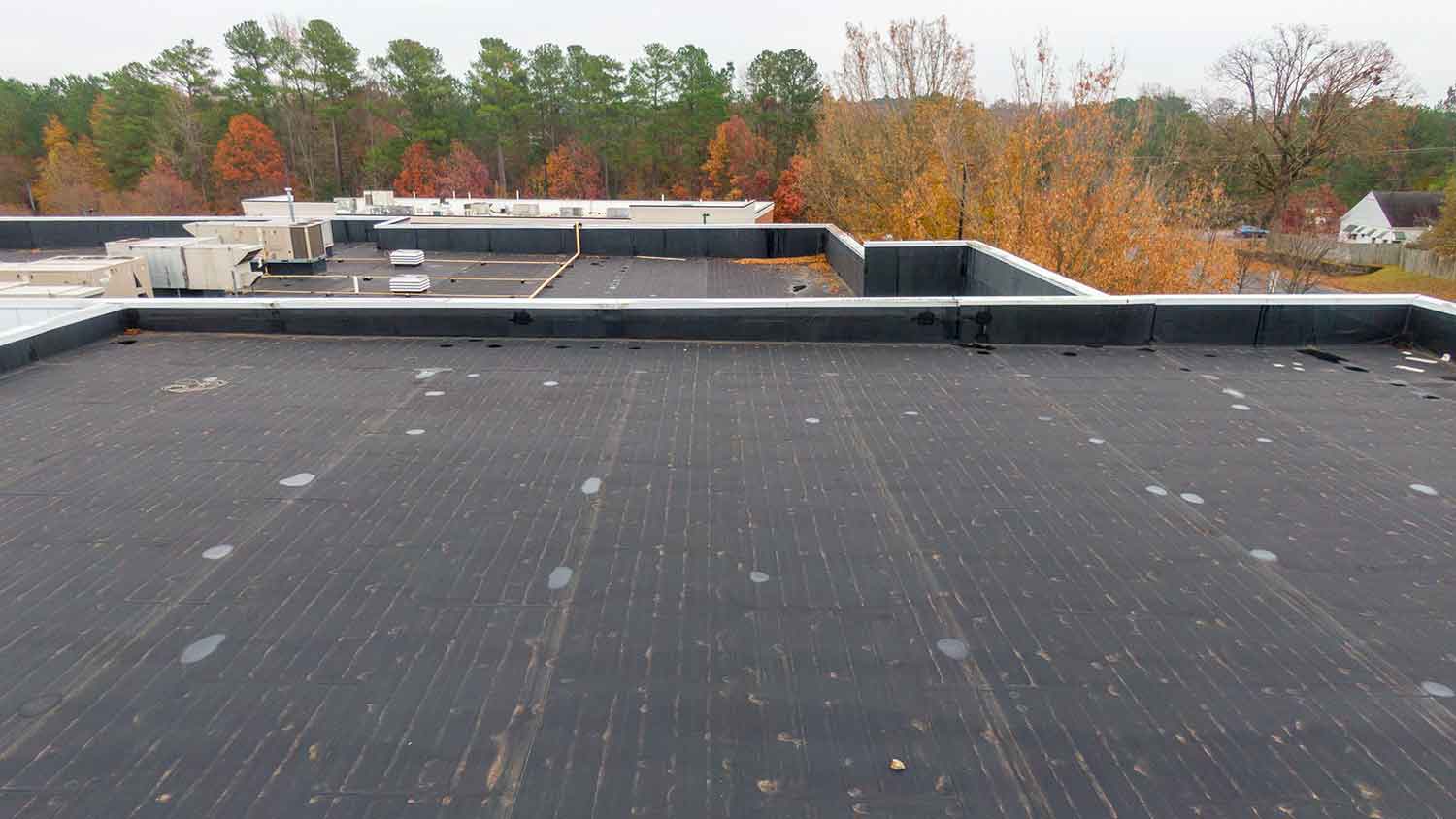
EPDM roofing is an acronym describing essentially a rubber-type material that is installed on flat roofs. Read on to learn why it isn’t just the roof size that determines EPDM roofing cost.
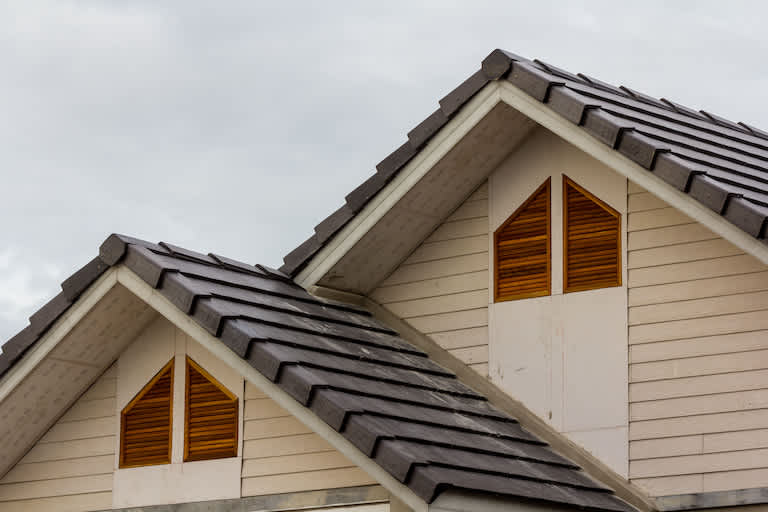
Rubber roof costs vary considerably for each project. Learn how factors other than roof size and labor contribute to the total cost.
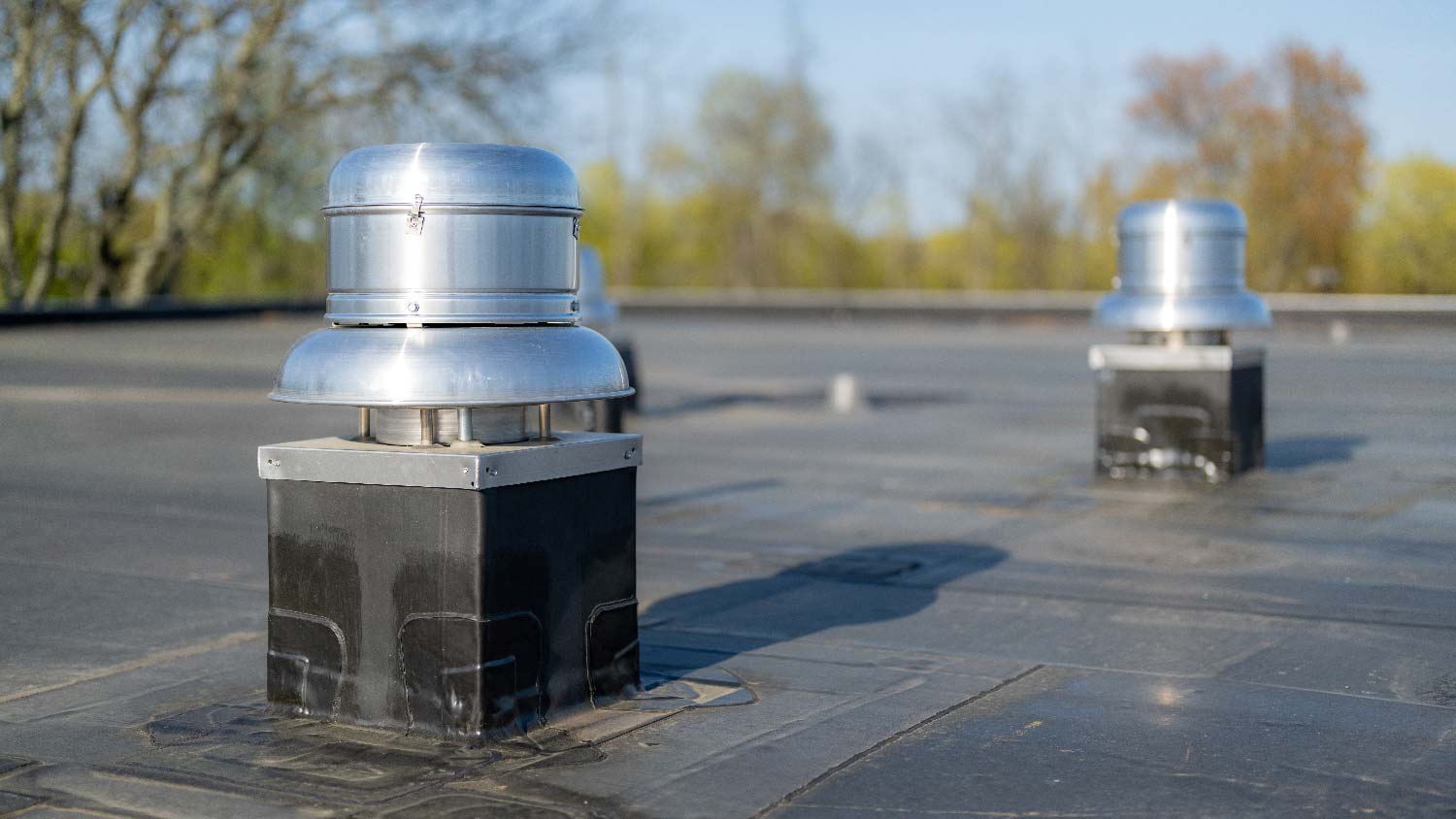
EPDM roofing is one of many options for flat or low-sloped roofs. Learn about the pros and cons of EPDM roofing and whether it’s the right option for you.
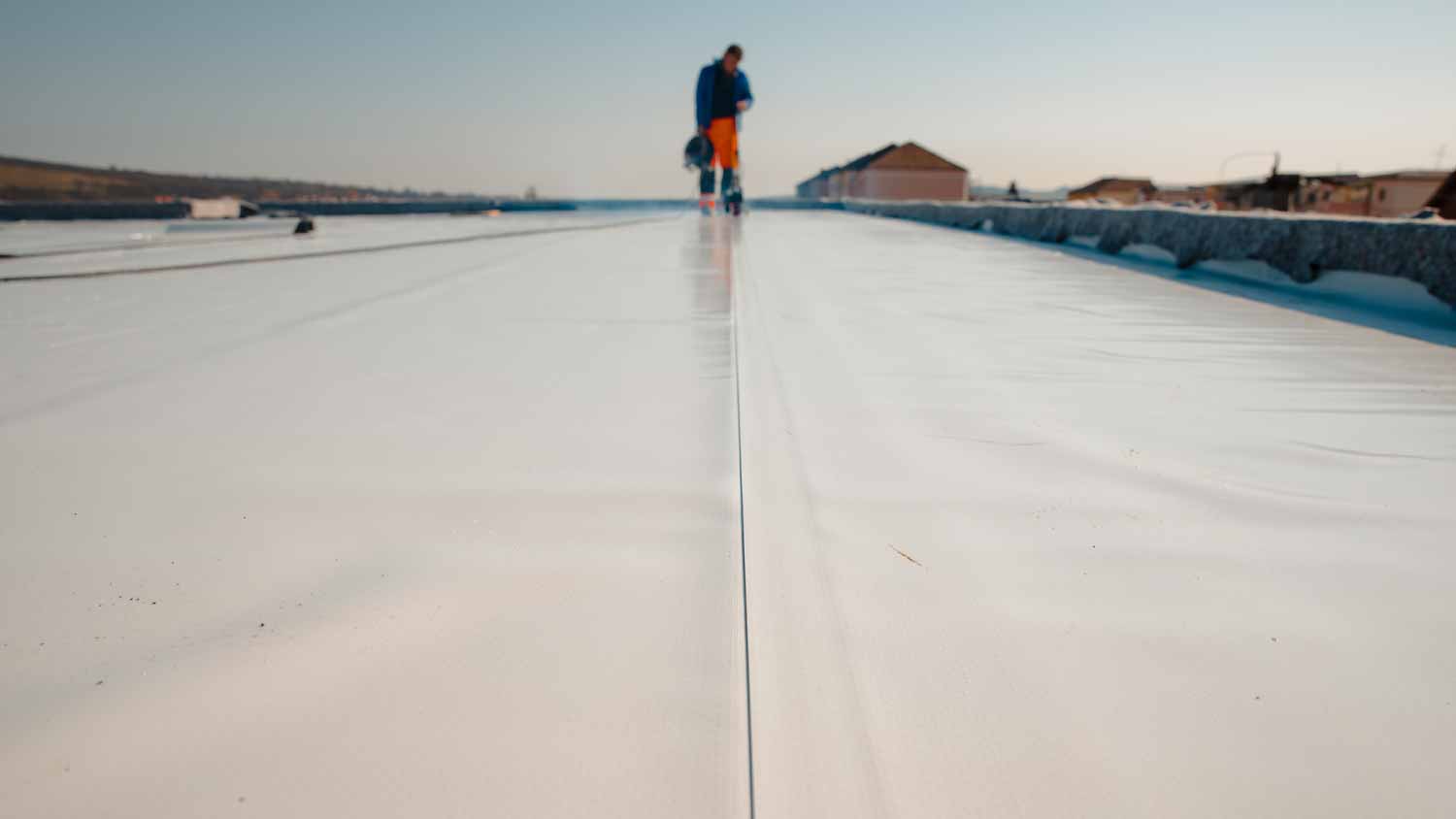
Can’t decide between TPO versus PVC roofing? Learn about the differences and how to choose the best option for your climate and budget.
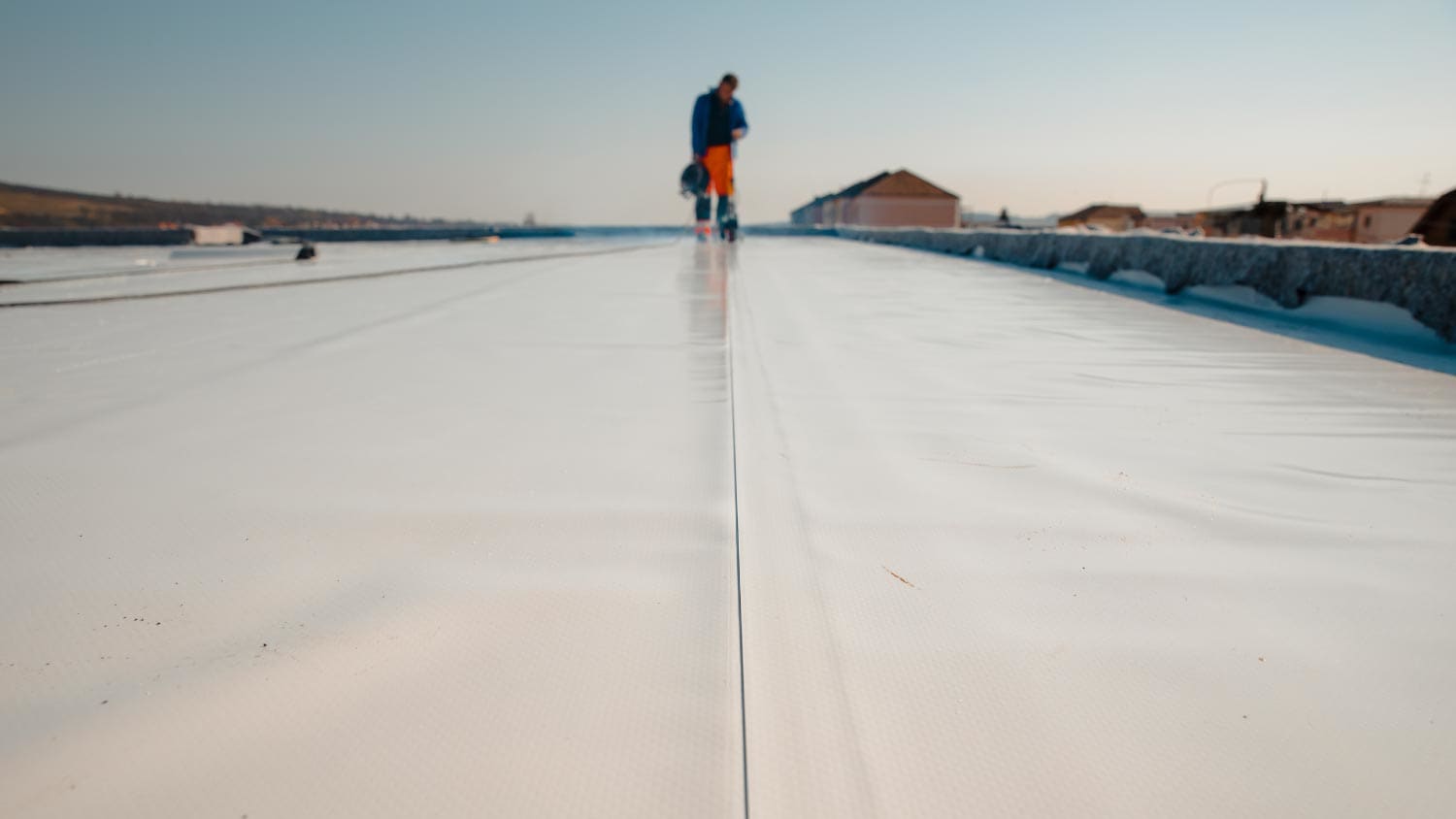
Thermoplastic Polyolefin (TPO) roofing is a reflective membrane that can help save on your energy bills on hot and sunny days. Read this to see if a TPO roof is right for you.