
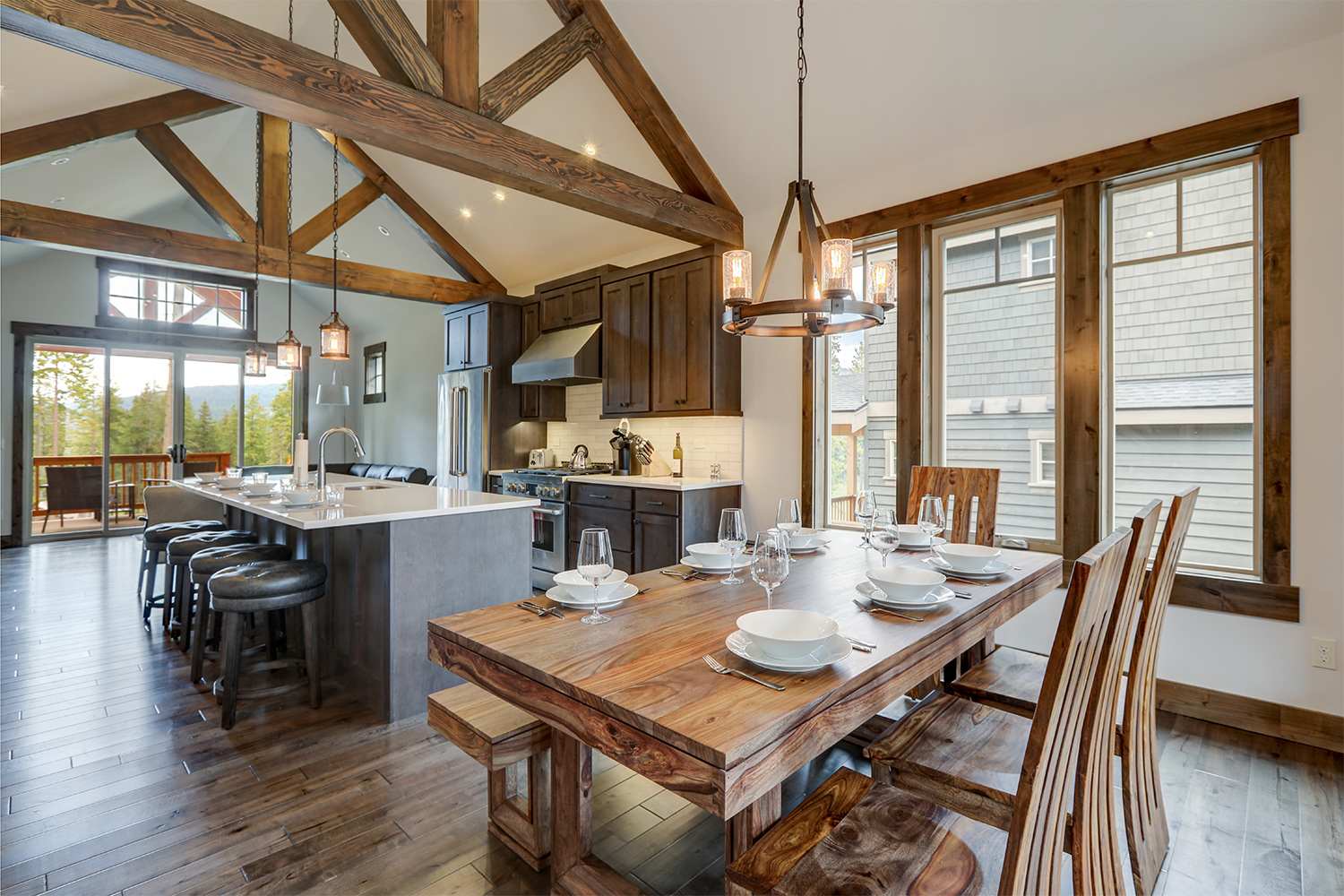
A damaged main support beam can cause serious structural damage to your house. Learn how much it costs to replace a main house support beam.
Basement support beams help distribute the load of your first floor to your foundation

Basement support beams distribute your first floor's weight through floor joists to the foundation below, with vertical support posts preventing sagging along the beam's length.
Moisture damage, insect activity, or foundation settlement can weaken your support beams and cause sagging floors, sticking doors, or cracks in your first-floor drywall.
Upgrading from wooden support beams to steel I-beams lets you space vertical posts up to 12 feet apart instead of every 6 to 8 feet.
Hiring a local foundation repair professional keeps your home structurally sound with proper beam replacement, support post installation, and temporary jacking during the work.
Homeowners with basements often wonder what the vertical posts are in the underhome space and why they’re necessary. They can get in the way of furniture and an open living space, but they provide crucial stability to the basement support beam that sits on top of them, which provides structural support for your entire home. In this guide, we’ll explain what support beams in the basement are, how they work, when to replace them, and more.
Support beams in the basement are a part of your flooring system for the floor above, and they distribute the weight of your entire structure via the floor joists that attach to them to the foundation below via vertical support posts. The beam usually runs from one end of the home to the other, right down the middle of the structure in a typical home.
“Beam” usually refers to horizontal, load-bearing pieces of your home’s construction, but in a pier and beam foundation, the term often refers to the vertical support that sits on top of each concrete pier. Basements also have vertical supports, but these are called support posts rather than beams.
The beam itself will only be visible if the ceiling in your basement is unfinished. But even if it’s finished, you can usually see where the beam runs because the ceiling will be lower where the beam sits, and you’ll see support posts stretching from the beam to the floor.
Support beams attach to your foundation at the ends to transfer the load they receive to the concrete below. There are a few ways support beams can attach to your foundation:
Simply supported: Supported from underneath at both ends
Fixed beam: Butted up against the foundation on either end and fixed in place
Continuous beam: Supported from underneath at both ends and along the length of the beam; the most common option in basements
The floor joists in your home stretch between two beams, usually the one that runs through the center of your home and one of the basement support beams running along the edge of your structure, sometimes sitting on the foundation wall. The floor joists distribute the weight of the structure above to the beams, making the beams the most crucial part of the flooring system.

Basement support beams are either made of wood, often in the form of two 2-by-12-inch boards attached to one another face-to-face, or steel, in the case of a steel I-beam.
Wood support beams are strong enough to support a home, but they require multiple vertical support posts in the basement space to prevent the middle of the beam from sagging. Steel I-beams are much stronger and require fewer supports, so they’re a popular option for homeowners looking for wide-open basement spaces with few interruptions.
You should prioritize replacing support beams in your basement if you ever notice any damage or issues with the beams. There are a few signs you can look for that might indicate the beams need replacement.
Insect damage: If you find damage on wooden support beams in the basement from wood-destroying insects, the beam could be weak and require repair or replacement to restore its strength.
Mold growth: Mold growth on your beams suggests moisture, which can gradually weaken wooden beams. Mold itself can also eat away at wooden building materials and weaken it.
Rot: Moisture and water intrusion can cause your wooden support beams to rot and lose strength. This kind of damage is more common with pier and beam foundation repair, but it’s still possible in basements.
Foundation settlement: If the beam loses support from underneath because of foundation settlement, it can sag and cause a whole host of structural issues.
Cracking: If your support beams develop large cracks, even if they’re from natural home settlement, the beam could lose its integrity and need replacement.
Issues with support: Some signs of a compromised beam include uneven flooring on the first floor, sagging floors, unusually squeaky floorboards, cracks in the first-floor drywall around wall openings, and windows and doors sticking.
It’s possible to replace basement support beams if the ones you have in place lose their integrity or if you want to swap out wooden beams for more supportive steel ones.
The process is straightforward, although we strongly recommend you leave the work to a foundation repair company near you. Support beams hold up your entire structure, so any mistakes made during the process can be catastrophic and put even experienced DIYers in danger.
The contractor will first install temporary supports, usually in the form of support jacks. These sit along the length of the beam and take the load from the floor joists off of the beam itself.
Next, the repair specialist will remove the support posts and the old beam.
The contractor will then install the new beam and connect the existing floor joists to it to provide support.
The foundation repair technician will then install a new beam and the necessary number of vertical support posts.
Once the tech has confirmed that the load from the structure is transferred to the beam evenly, they will take out the temporary supports.
Since this replacement process leaves you with an exposed beam and supports, you may want to hire another contractor to refinish the area with drywall and decorative support covers.
It is possible to move basement support beams, but the process for doing so is involved and may not leave you with the desired basement layout. Support beams require even support from underneath, so you’ll always have constraints when it comes to how far apart the vertical supports underneath are.
Keep reading to learn a few things you can do to make the vertical supports less obtrusive.
Steel beams are much stronger than wooden ones, so they still require vertical supports. But you can space them further apart. With a wooden double beam, you’ll likely need supports every 6 to 8 feet. With a steel beam, you can go up to 12 feet, although 10 feet is usually a safer bet.
If you remove your wooden beam and replace it with a steel one, you might be able to move your supports far enough apart that they don’t interrupt the living space. Steel beam installation costs can be quite high, and they will almost always be more expensive than wood beams.
Laminated veneer lumber (LVL) beams are another option, and these are stronger than traditional lumber and more affordable than steel beams. Since they’re stronger than standard wood beams, they could allow you more distance between support posts.
It might be possible to move a support out of the way of your basement living area if you install compensatory supports on either side. Doing so could allow you to spread the posts to the full 8 feet and possibly more. You’d need a structural engineer to help you decide what would be appropriate and safe for your basement.
Another option that doesn’t actually involve moving posts is to repurpose them so they complement your space so you don’t feel you need to move them. You can install a decorative covering over them to make the post blend in, install shelving around the post for decor, or leave the raw supports without a covering if you just want to minimize how much space they take up.
Positive experience. As previously stated, the replacement/repair could not be completed (no fault of the plumbing tech) b/c misinformation was rec?d by property management maintenance. Thanks to the plumbing tech for your efforts. Appreciate you!
 The Waterworks
Carpet repair done well. Scheduling was easy. Showed up on time.
 BR Flooring Installation
I would recommend this company to anyone! He showed up on time, was friendly, completed a very difficult repair on our dryer vent cover, was responsive, and pricing was extremely fair and competitive. I would have him back to do any of our repairs or cleanings without hesitation!
 U.S.A. Dryer Vent, LLC
Everything from initial contact to completion was absolutely top notch. We contacted the business during off hours to leave a message, and the owner still reached out to feel out the issue within minutes. We were scheduled and repaired within 48 hours. I cannot say enough about the...
 Supreme brick & chimney
Ace Fireplace Services came to the rescue for my chimney repair. They were quick to pinpoint the issue and worked their magic to fix it. My chimney is now in excellent shape, and I'm a satisfied customer.
 Ace Fireplace Services
On Sunday 2/26 I requested quotes via Angi from 4 refrigerator repair businesses. Northwest Appliance responded to me Monday morning (2/27) and my refrigerator was repaired by noon the same day. Great communication, they did everything they said they would. The technician had the parts on...
Great experience all together. Dog friendly, courteous, great results and honest with recommendations. Will certainly be using Cardinal in the future for any carpet repairs
 Cardinal Carpet Care & Repair
Description says they handle window repair including rotten hardwood - they called me back right away but didnâ t leave a voicemail. I followed up 3 days later and they said they donâ t do that kind of work.
 Window-Gurus
Chaz, the owner, was very responsive and he communicated with us throughout the entire process. The overall cost was in the middle compared to the three estimates we received. The installation crew was very professional. Chaz was considerate enough to send a crew back to our home to repair...
 Unique Hardwood Floor LLC
Great guys. Spend a lot of time repairing and prepping our walls before doing the new paint. Home looks great now.
From average costs to expert advice, get all the answers you need to get your job done.
A damaged main support beam can cause serious structural damage to your house. Learn how much it costs to replace a main house support beam.

Beam installation costs are an important consideration if you’re building a home or doing renovations. Learn about average costs and factors in this guide.
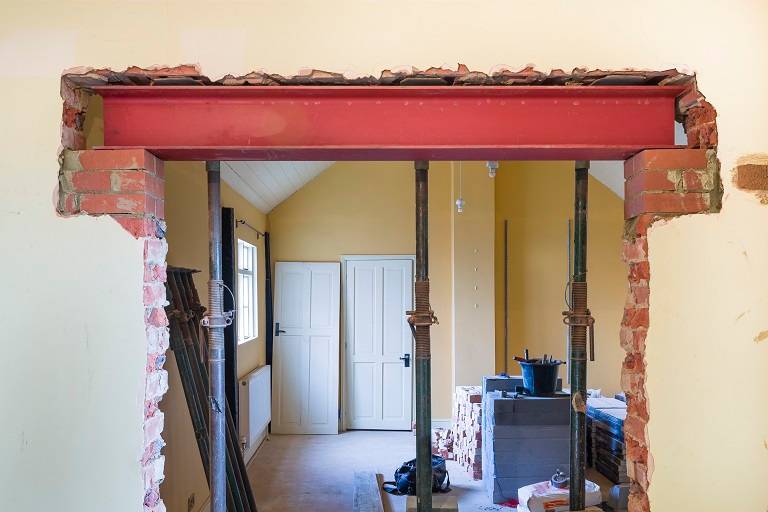
A new steel I-beam is more durable than a wooden one. Learn what factors can affect steel I-beam installation costs and how to budget for this project.
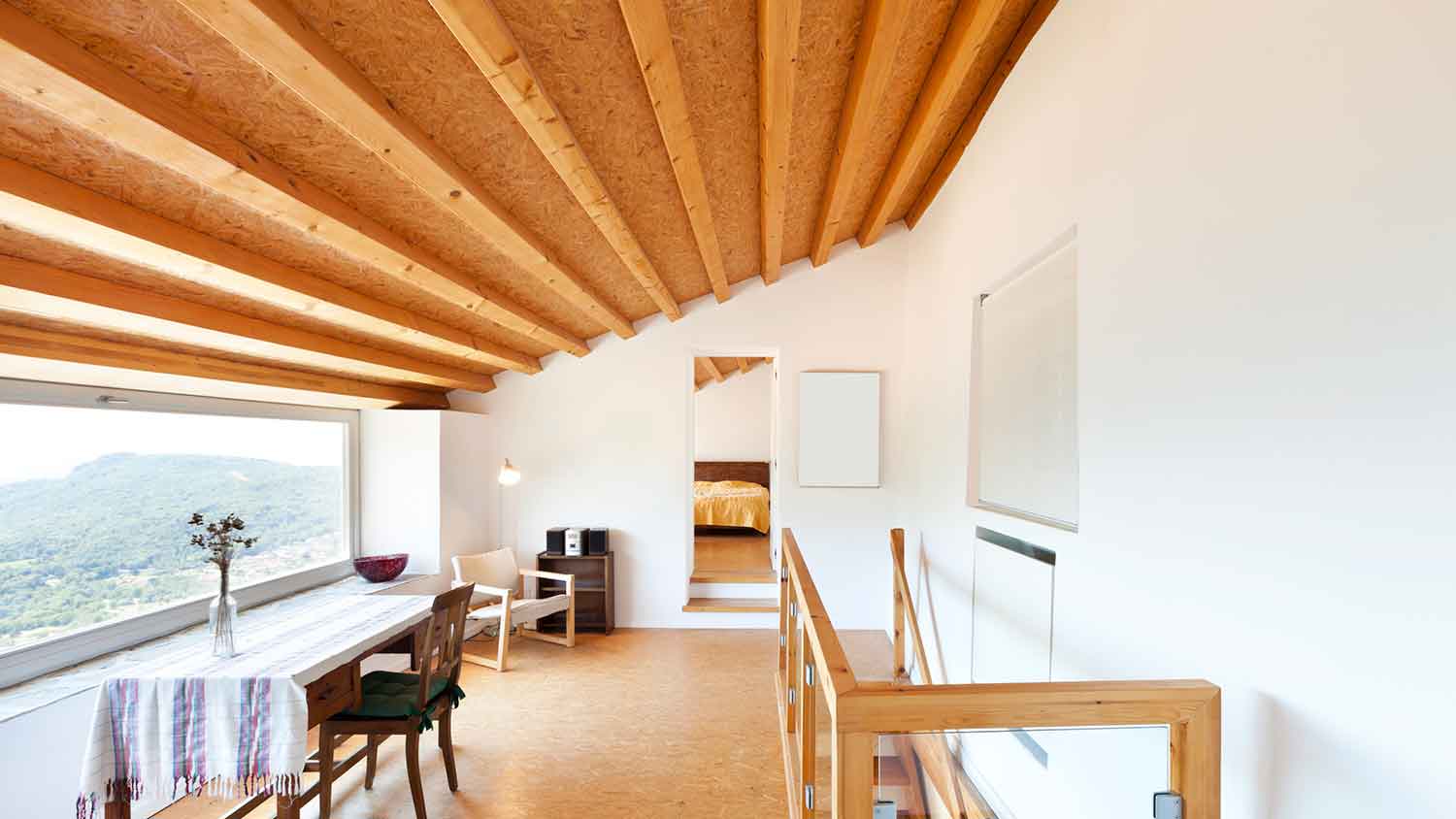
Curious about the difference between joists vs. beams? Learn how to identify these components and how they work together to provide support for your home.
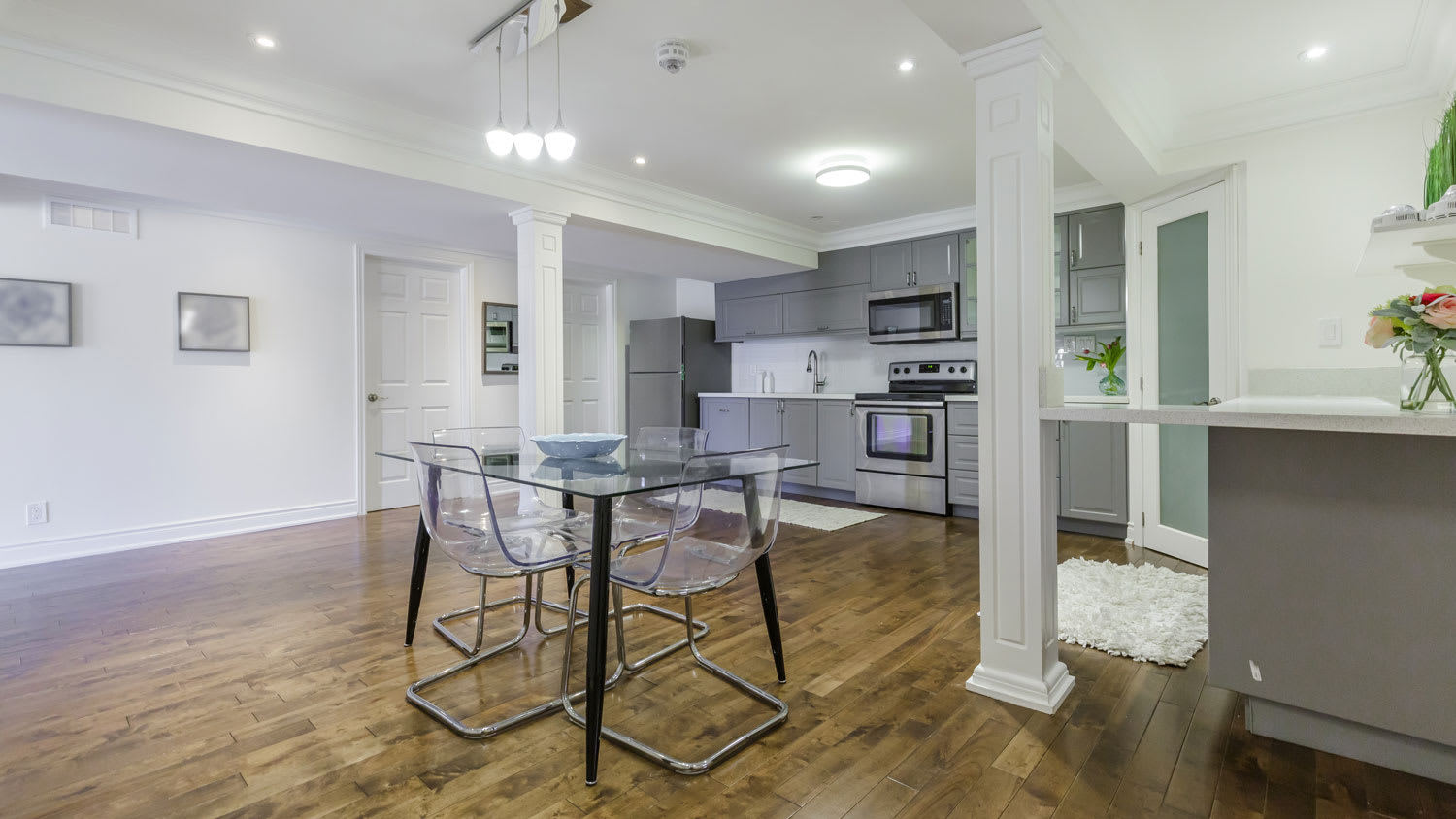
If you notice a rusty column, it may be time to call a contractor. Learn more about replacing a rusted support beam in your basement and how to keep the rust at bay.
Wondering what a lally column is? Learn what it is, how it works, when you need one, and the pros and cons in this simple guide.