
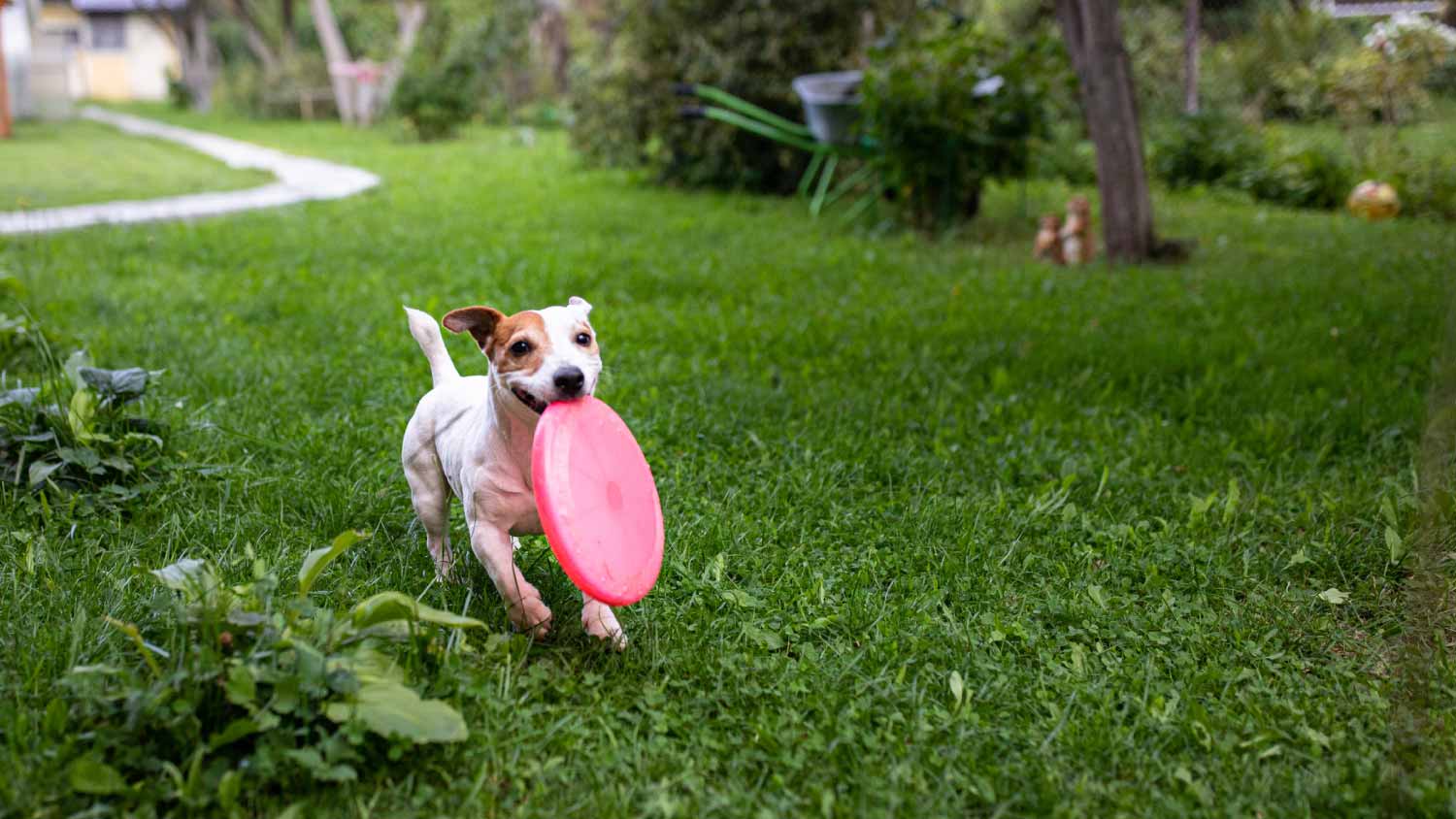
Your yard is the perfect chill spot for the furry friends in your life, but what is the best grass for dogs to run around on? Keep reading to find out.
When lush becomes overly soft, it’s time to look closer

Poor drainage is the most common cause of squishy grass, as soil that can't drain water fast enough turns muddy and soft beneath your lawn.
Overwatering your yard creates the same spongy ground problem as poor drainage, leaving soil saturated and soft after your sprinklers shut off.
Lawn aeration loosens compacted soil to improve drainage, and you can also grade your yard or install a French drain system to pull moisture out.
Hiring a local lawn care professional provides reliable support with aeration and drainage solutions, helping you restore firm ground beneath your grass.
If you step out on your lawn and immediately experience a sinking feeling—both literally and figuratively—you might ask yourself, “Why is my yard so soft?” Excess moisture in your soil is usually the underlying cause, but there are a few things that can lead to moisture build-up. Use this guide to diagnose the problem and get your yard firmed up again.
The most common cause of a soft yard is poor drainage. If your soil can’t drain water quickly enough, it will turn to mud just below the grass level and create a soft yard. If you notice that your yard is extra squishy following rainfall or melting snow, this is likely your problem.
Lawn aeration is a good first step, as this will penetrate and loosen the soil to help with drainage. If that doesn’t work, you may need to grade your yard to promote drainage or install a French drain system to pull moisture out of the soil in problem areas.

Overwatering is another common cause of a soft yard. Much like rain or snowmelt, water from sprinklers can accumulate under the surface if the soil can’t drain it quickly enough. If you notice that your yard is softest after the sprinklers shut off, this is probably the issue.
The solution here is simple: water your yard less. You can change the automatic timers if you have a sprinkler system to run every other day or even every three days to help avoid the problem. You can also upgrade to a sprinkler control system that connects to Wi-Fi and avoids watering if there’s rain in the forecast.
Thatch is a layer of organic material like grass roots, dead grass, and leaves that can easily get matted in your yard. The thatch layer sits just below the layer of grass, so it’s not clearly visible. If you haven’t gotten your yard dethatched in over a year and have never experienced a soft yard in the past, this could be the problem.
Hire a local lawn care company to dethatch your yard. They’ll use special equipment to scrape out the dead material, which will improve drainage and can also promote overall grass health.
Certain types of soil with high amounts of clay will drain less readily than sandy or loamy soils. Clay soil compacts more easily, too, which decreases drainage even further. This issue can be hard to diagnose, but if you’re also noticing patches of grass dying off, soil composition and compaction could be causing a soft lawn.
Aeration is the best way to loosen the soil and reduce compaction. It’s not realistic to replace the soil in your yard, so scheduling aeration every two or three years is a good long-term solution, too.
In rarer cases, the abundance of moisture causing the sponginess in your yard could be coming from underground rather than rain, snow, or sprinklers. A water main or sewer line leak could saturate your soil and cause squishiness. If you notice unusually high water bills or unusually green patches of grass, an underground leak could be the culprit.
Hire a local plumber to inspect your main water line and scan your yard for water main leaks. The fix may be costly, but since leaks can cause structural damage to your home, it’s worth it.

In extreme cases, underground pests could be causing a soft yard. Excessive grub and earthworm activity can deteriorate the soil structure under your grass, leading to softness. If you notice that your yard seems dry but still compresses under foot traffic, this could be the issue.
Hire a lawn care company near you to treat your yard for pests.
If you see signs of overwatering and suspect it’s the problem, you can easily adjust your watering schedule to fix the problem. You could also rent a dethatcher to remove thick thatch layers yourself. In all other cases, though, it’s a good idea to hire a professional. A lawn care specialist or plumber will be able to confirm the root cause of the problem and implement a solution to get your yard back to its original condition.
D1 Roofing delivers outstanding service from beginning to end, backed by a strong warranty and expert teams. I highly recommend them for their excellence in meeting and surpassing expectations with unmatched communication. Choosing D1 Roofing was flawless decision
 Division 1 Roofing LLC
We had our houses windows and back door replace this summer by Window Depot USA of Central. He gave us grate advise and saved my family lots money. The team did a fantastic job with installation. If you need help, they sure get job done right!
 Window Depot USA of Central Ohio
Wonderful. I am going to have them remove and replace my driveway in the spring.
 All Star Paving and Sealing
We were having 2”x 2” tile installed . There was a small installation error and the new additional replacement tile was from a different lot and the colors didn’t match. Joe assured us that he would rectify everything , which he did without hesitation. We decided to go with the 18” x 36” tile...
 CarifaTile
We had a 20+ year old landscape lighting system that needed replacement. Midwest Lightscapes worked with us to design a much improved lighting system, lighting the exterior of the house and the back yard. Installation of the 45 light system took one and one-half days, and went very smoothly....
 Midwest Lightscapes
Did an amazing job transforming my yard. Also installed sod in places, would recommend to everyone.
 Cardinal Landscaping & Construction LLC
They show up and they did take us on as a client which seems to be a problem with other lawn care providers. We have multiple properties and this one was located close to downtown and no one really wants to mess with it.
The worker came out when he was supposed to come. He informed me he would honor the Angie's List deal, but would not do any more work for me since my son in law owns lawn care company as well, even though they do not do the same type of work. He said he did not feel comfortable giving me...
 Bello Giardino LLC
E & L Lawn Care was super. They were very responsive before and after service. They were efficient and were able to complete the job within 1 day. I have had concern about one section of sod - the owner was pro-active and did a visit to evaluate. I have no doubt they will stand behind...
 E&L lawn care
From average costs to expert advice, get all the answers you need to get your job done.
Your yard is the perfect chill spot for the furry friends in your life, but what is the best grass for dogs to run around on? Keep reading to find out.
What is foxtail grass and why should you remove it from your yard? Learn the common types of foxtail and why this fuzzy grass needs to go.
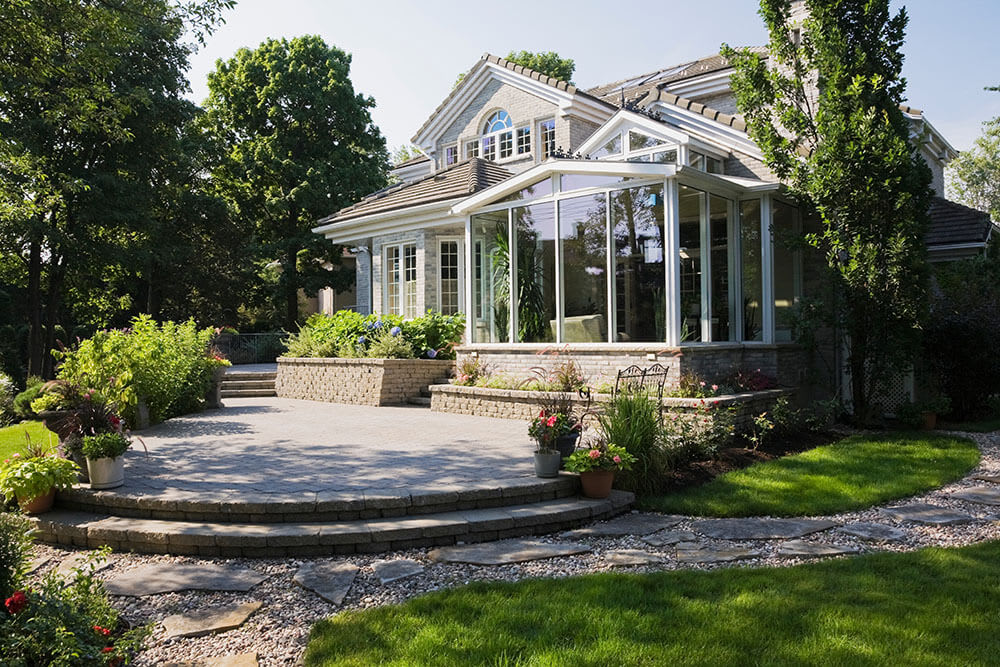
Follow these yard maintenance tips for homeowners and renters to have a beautiful, healthy lawn and garden. Learn how to do yard maintenance the right way, build healthy soil, inspect, clean, and more with our expert tips.
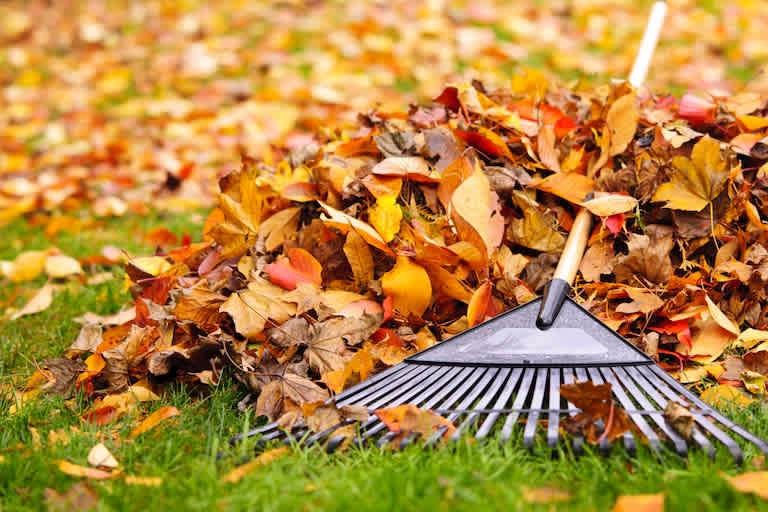
Overwhelmed by leaves and overgrown brush? Learn about yard cleanup costs, signs of urgency, and how to hire a local landscaping pro to restore your property.
If you’re tired of all the upkeep required with grass, consider these grass alternatives. Learn the pros and cons of each.
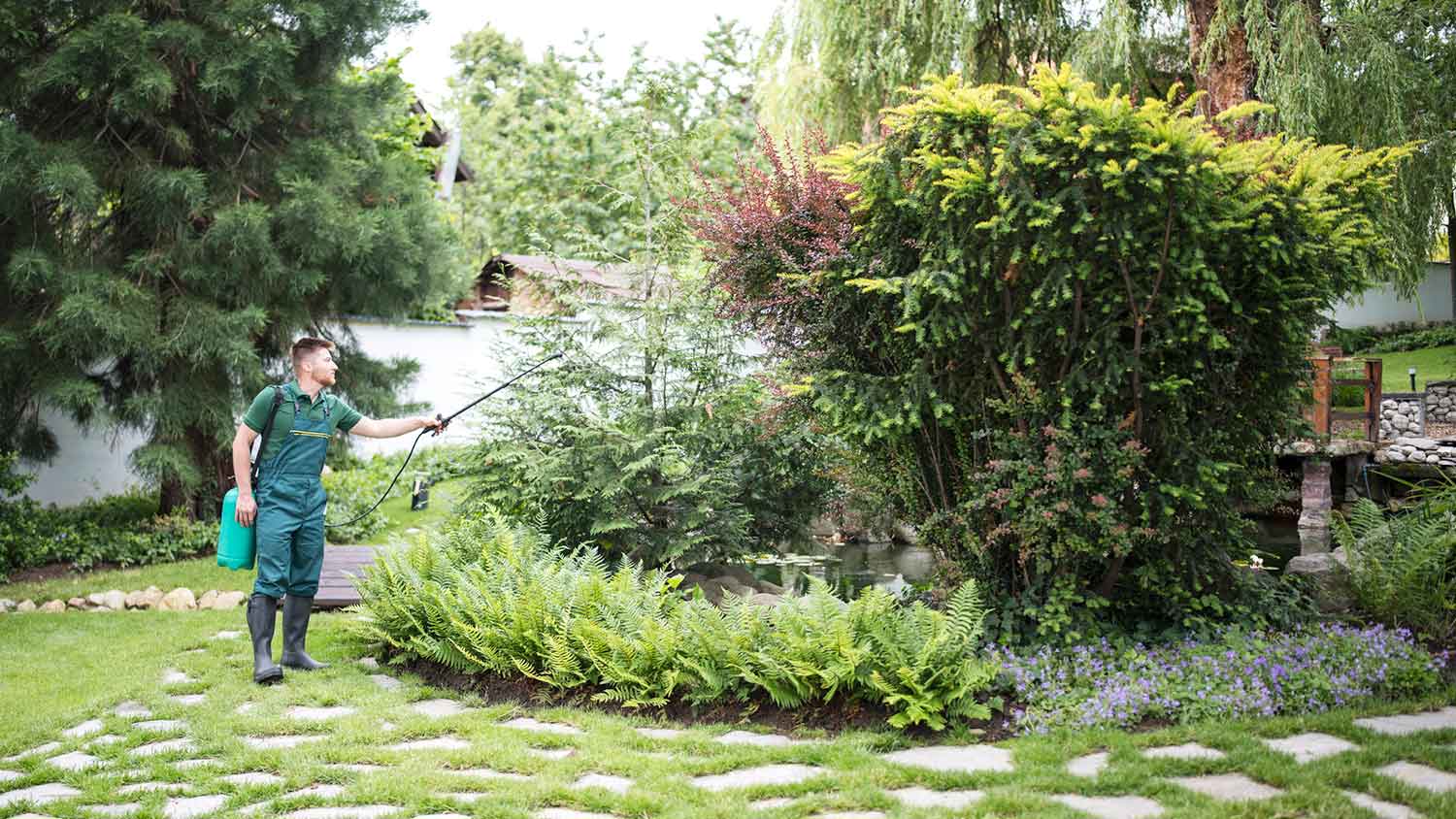
Looking for help maintaining your yard? This guide will show you who to hire to do yard work and whether you need simple lawn services or full renovation.