
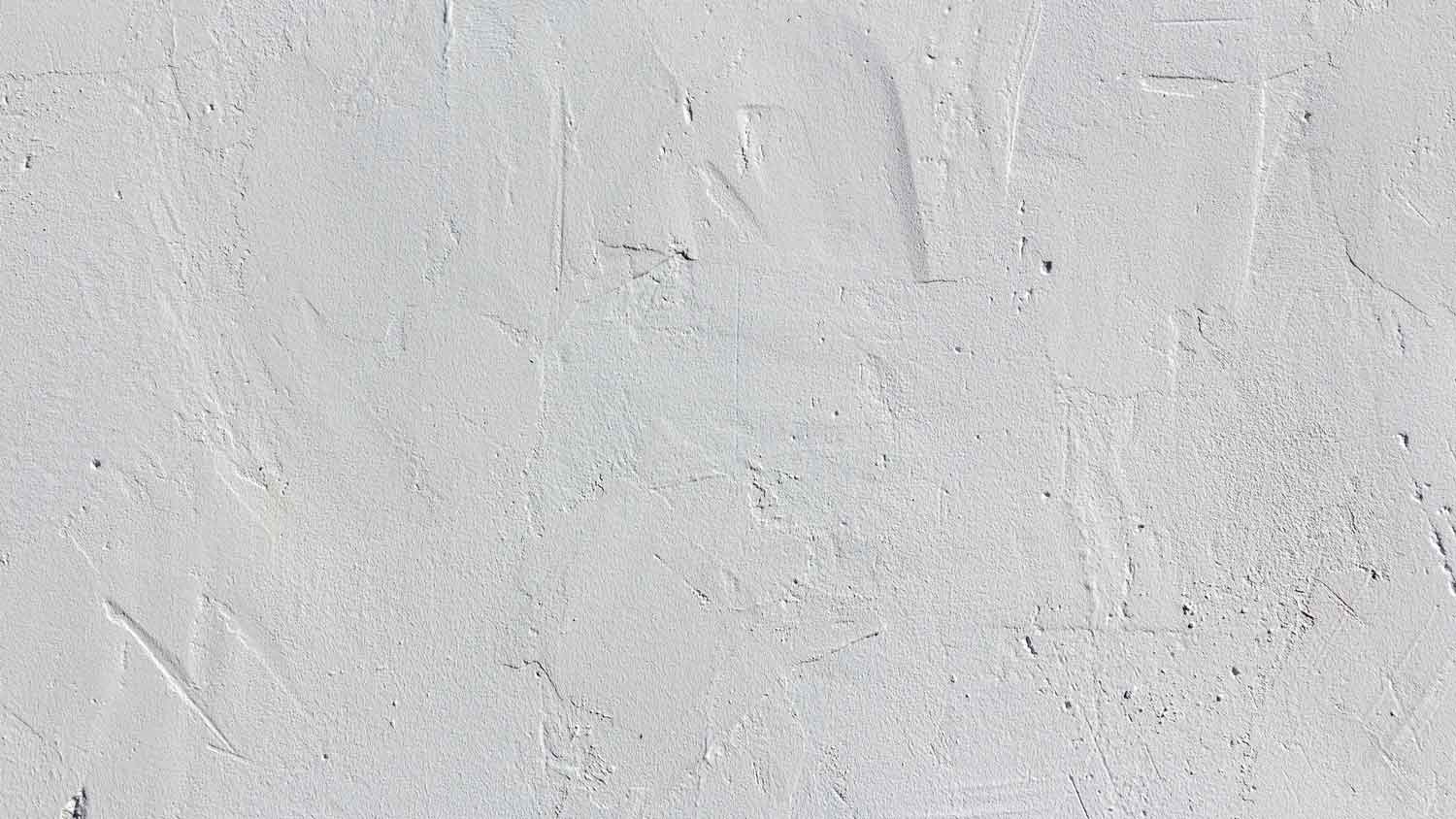
Looking to add some texture to your walls for a unique finish? Use this guide to estimate skip trowel texture cost to see if it’s the right option for you.
Textured or smooth—you decide

Smooth ceilings and textured ceilings both cover drywall, but a textured ceiling adds dimension while a smooth ceiling creates a flat surface.
Your smooth ceiling requires skilled taping and mudding to look seamless, while a textured finish hides imperfections and takes less precision to install.
The better choice depends on your home style, maintenance preferences, and design goals: smooth suits modern aesthetics, while texture adds character and conceals flaws.
Hiring a local popcorn ceiling professional keeps your project on track with expert installation and reliable guidance on texture removal or application.
Even if popcorn ceilings have mostly fallen out of favor, today’s textured ceilings are installed with drywall compound and a paintbrush, roller, sprayer, or other tools to create unique textures. However, some homeowners prefer a classic, smooth ceiling to the textured options for the rooms in their homes. Let’s look at the differences between a smooth ceiling and a textured ceiling to see which works best in your home.

The key differences between a smooth ceiling and a textured ceiling seem obvious at first—one is smooth, and one is textured—but the reality goes a little deeper. Smooth ceilings take quite a bit of practice to install, as you need to tape and mud the joints properly to create a smooth surface. Imperfections and blemishes can be more obvious. Textured ceilings don’t have to be as perfect as smooth ceilings, and they add dimension to the ceiling. They can conceal imperfections like small cracks or wavy areas.

To create a smooth ceiling, ceiling contractors attach drywall sheets to ceiling joists and then tape and mud the joints before sanding them. The result is a ceiling with a flat surface. It takes experience and practice to perfect this technique while hiding mistakes or imperfections.
These ceilings are a clear choice for homes that embrace a minimalistic design or rooms that need a little more light reflected from the ceiling.
| Pros | Cons |
|---|---|
| Creates a smooth, easy-to-clean surface | Challenging installation |
| Can be painted any color to fit the design | Can show imperfections and blemishes on the surface |
| Looks great in modern homes | Doesn’t add dimension or a design element |
Best for:
Homes with a clean and modern aesthetic
Homeowners who want a low-maintenance ceiling
Designs that would benefit from a painted ceiling
Smooth ceilings create a seamless ceiling appearance that works well in modern homes with a clean and simple aesthetic. You can paint a smooth ceiling, furthering the room's design and adding a different level of interest. Smooth ceilings are also easy to clean because there aren’t any bumps or ridges for dust to get caught in.
Smooth ceilings are difficult to install because it takes time and experience to learn the taping and mudding techniques. If the taping and mudding aren’t done properly or the ceiling is cracked, scratched, warped, or blemished, those imperfections stand out like a sore thumb.

Just as a smooth ceiling is smooth, a textured ceiling is textured. The nice thing about textured ceilings is they cover up imperfections in the ceiling, so you’re less likely to notice a crack or wavy spot. You can customize the look by choosing from orange peel, knockdown, swirled, comb, and many more styles. It’s also possible for homeowners to learn how to texture a ceiling themselves more easily than they can learn how to tape and mud drywall properly.
A few types of textured ceilings are updated versions of a popcorn ceiling. Popcorn ceilings were all the rage in the ‘80s and ‘90s. While this spray-on technique served its purpose, it’s fallen out of favor in more modern designs. However, that doesn’t mean ceilings are left entirely texture-less.
| Pros | Cons |
|---|---|
| More DIY-friendly than a smooth ceiling | Texture can be challenging to clean |
| Creates depth and dimension | Can be time-consuming to apply the texture |
| Hides imperfections | The look can be dated |
Best for:
Homeowners who want to add character to their ceiling
DIYers who want a weekend project
Homes that need to hide a less-than-perfect ceiling
Textured ceilings are a great way to hide ceiling issues without starting from scratch. If your ceiling is cracked or warped, texturing the surface can make the imperfections less noticeable—just make sure there aren’t any underlying issues like water leaks.
Textured ceilings create depth and dimension in the room and add interest to an area that’s easy to overlook. Plus, because they’re DIY-friendly, you can complete the project yourself for between $100 and $500 if you’re experienced in tackling home projects.
Despite their advantages, textured ceilings do have some downsides. The texture can be a magnet for dust and cobwebs, making it harder to keep clean.
If you have an outdated popcorn ceiling, you might want to remove it to improve the aesthetic or to make your home more appealing to buyers. However, learning how to remove a popcorn ceiling can be tricky and time-consuming, so if you decide to go the textured route, make sure you’re in it for the long haul. If you change your mind down the road, be prepared to know who to hire to remove the textured ceiling.
Smooth and textured ceilings vary in appearance, customization options, DIYability, and maintenance, so check out which one has an edge in each of the following categories.
These ceilings tie in appearance because it depends on which works best in your home and your aesthetic preferences. If you have an older home with cracks or uneven areas in the ceiling, then a textured ceiling can improve the appearance. A smooth ceiling will be your best bet if you prefer a clean, flat look.
Textured ceilings come out on top when it comes to options and customization. Several types of textured ceilings allow you to choose the pattern or design you want to feature in specific rooms. While you can paint a smooth ceiling or add moulding to give it more personality, you won’t have the same number of options as you do with a textured ceiling.
Installing a smooth ceiling requires a lot of skill, and while you can always hire a local popcorn ceiling pro, you can also opt to texture a ceiling yourself. Installing a textured ceiling requires some practice and supplies, but it’s more DIY-friendly than a smooth ceiling project.
If you’re not facing issues like cracks or holes, a smooth ceiling is much easier to clean and care for than a textured ceiling. The smooth surface doesn’t allow as much dust or as many cobwebs to cling to it as a textured ceiling does. And if you do need to wipe it down, you can use a long-handled duster to do a quick swipe.
Exquisite workmanship from Custom Paint Jobs LLC. My home has never looked better.
 Custom Paint Jobs, LLC
Visited my home for estimate same day that I called. Painted on Saturday. Great job. Good price!
Window Depot did an amazing job on my deck. I wasnt sure what I wanted to do, but their composite decking was affordable and will last a long time. I am excited to have family over, and I am no longer embarrassed by my backyard. Jeff and the ground crew were polite, respectful, and caring for...
 Window Depot USA of Central Ohio
The guys did an outstanding job and we had a great experience with CarifaTile. I appreciated that Joe reviewed the quotes with me and set expectations prior to the install. The crews showed up as scheduled and always left the areas clean upon leaving the house. We will definitely use...
 CarifaTile
Beginning with the estimate, Larry and Peyton were super helpful in getting my new condo's interior re-painted. Not only was the job well done, but also done in a super timely manner as promised.
 Five Star Painting of Plain City and Powell
BJ Trim Carpentry rescued me in the middle of a do-it-yourself project. I found I needed more expertise than I had...and more TOOLS! BJ Trim Carpentry responded quickly and completed what I needed expertly, politely and with a little humor!
This brownstone is historical and the carpentry work is very detailed. I was very happy to secure a company in NY and living in OH to complete the request. Wood work on this brownstone has been existing since approximately 1888 and West side did a GREAT JOB. I will not be able to...
 Westside Home Improvement
We had a great experience with Mark Rodgers Construction. We were in the process of seeking out estimates for possible foundation work for our front porch. Mark came out himself to provide the estimate. Turned out that the company deals mainly with concrete, so we wouldn't be getting an...
 Mark Rodgers Construction
Overall this experience was incredible! I looked on Angies List for a cleaning service because I was planning a holiday party and wanted to make sure we found a reliable, thorough and efficient cleaning service to make sure everything was perfect for the party since we had co-workers and...
From beginning to end our experience with Joe was very good. He was professional and prompt in his estimate for the job and worked hard to meet our schedule so that he could remove our old backsplash the day before our new countertops were removed and return shortly after they were removed to...
From average costs to expert advice, get all the answers you need to get your job done.
Looking to add some texture to your walls for a unique finish? Use this guide to estimate skip trowel texture cost to see if it’s the right option for you.

The cost to paint the interior of a house depends on size, layout, type of surface, and more. Learn what factors can influence your total in this guide.
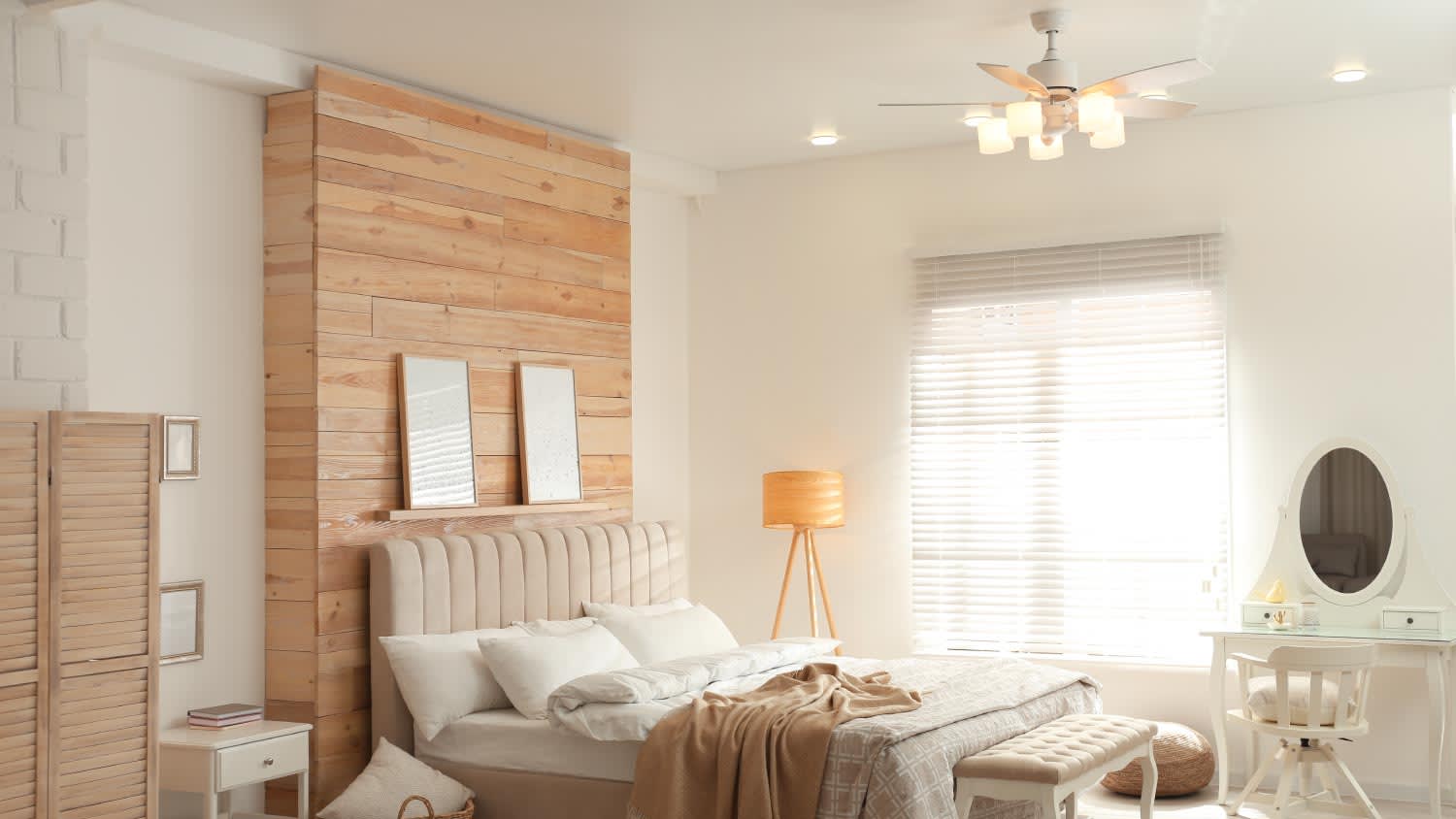
Discover the average cost of stretch ceiling installation, key price factors, and ways to save. Get transparent pricing to plan your stretch ceiling project.
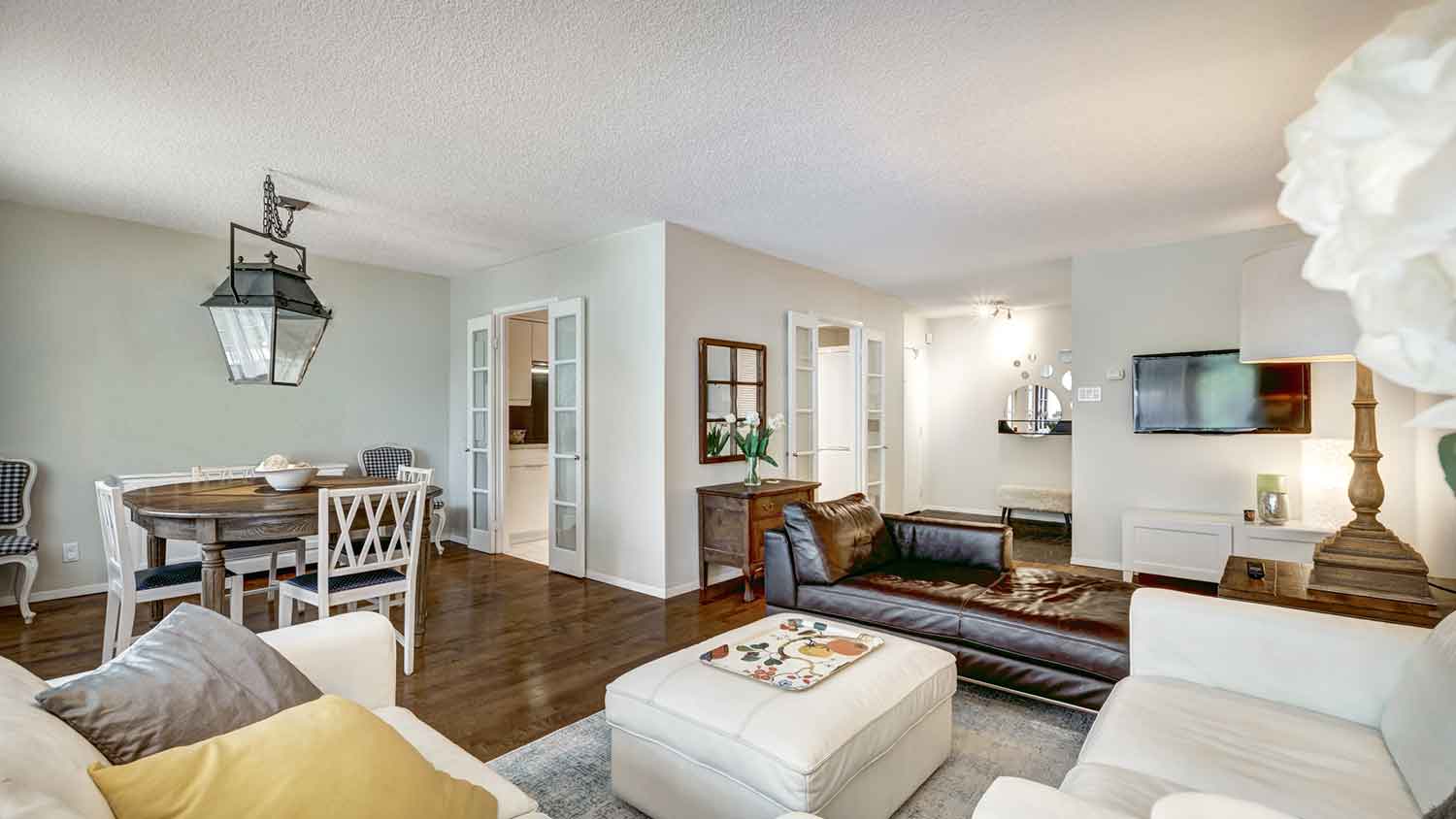
Ready to add a bit more visual appeal to your home? Compare popcorn ceilings versus textured ceilings to suit your home's unique style.
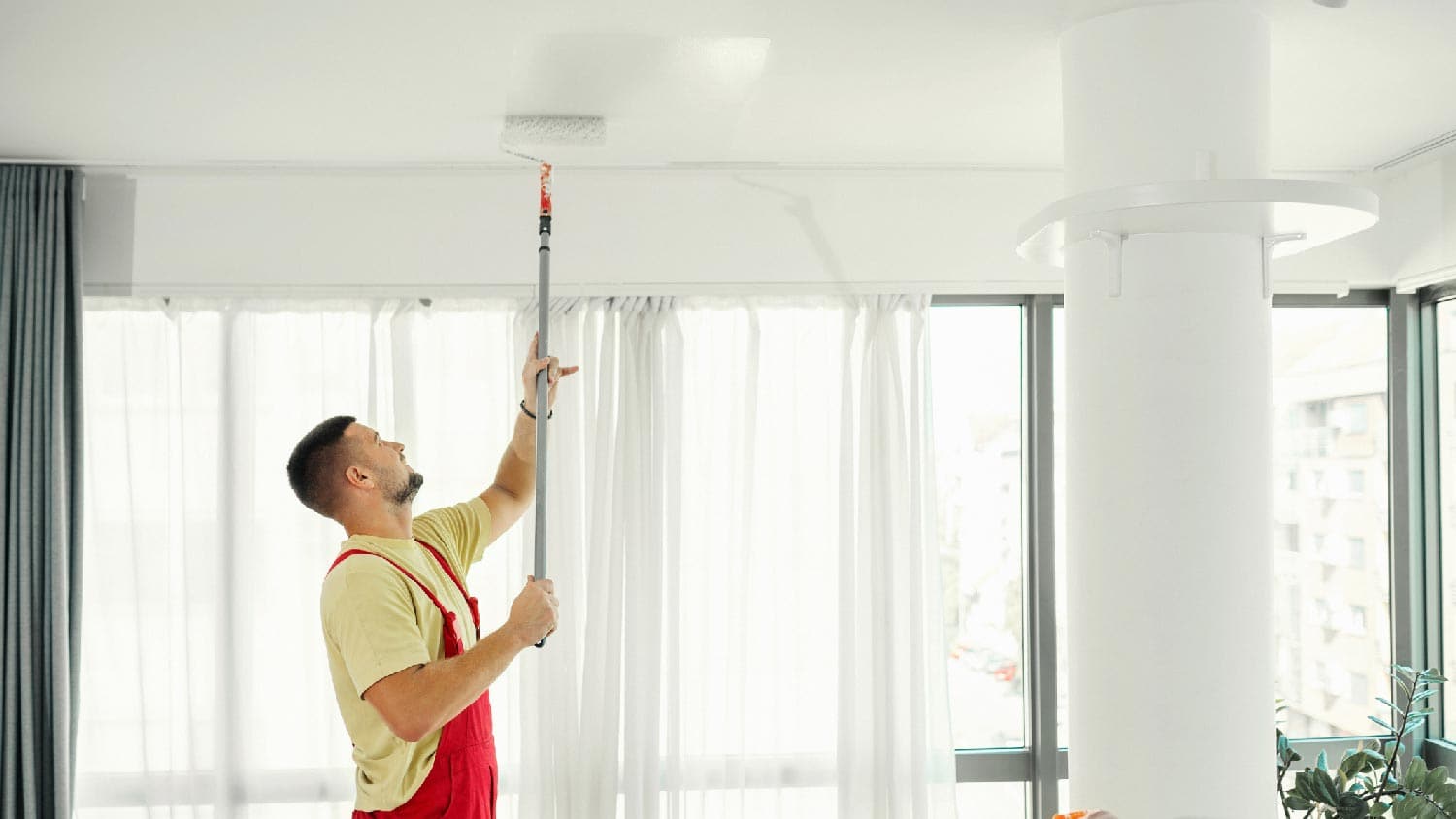
Not sure which type of ceiling texture to choose? Discover 15 ceiling textures to elevate your home’s look, hide imperfections, and add character to a room.
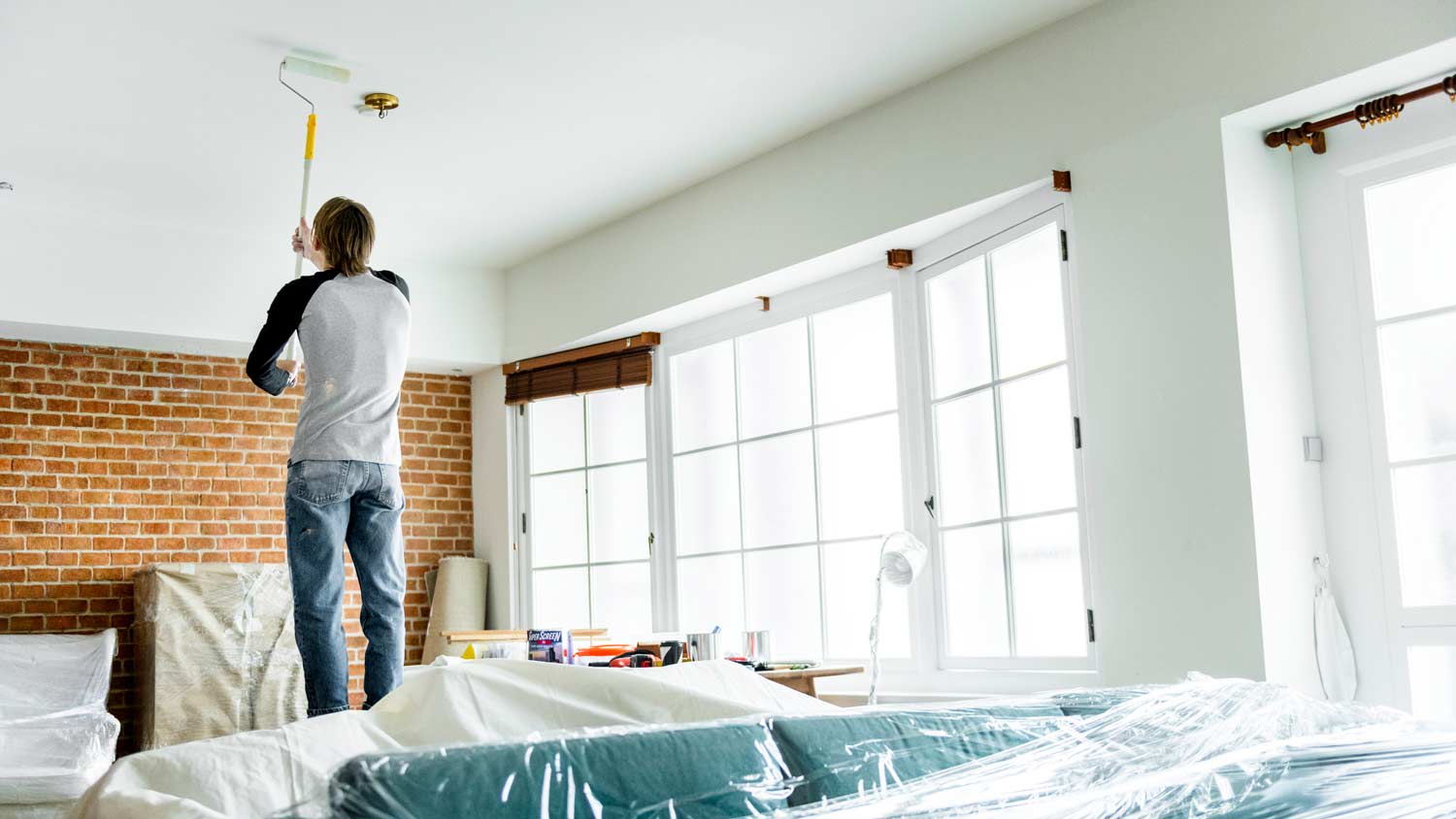
Want to add life and originality to your home's ceilings? Learn how to texture a ceiling by hand in under five hours with this four-step DIY guide.