
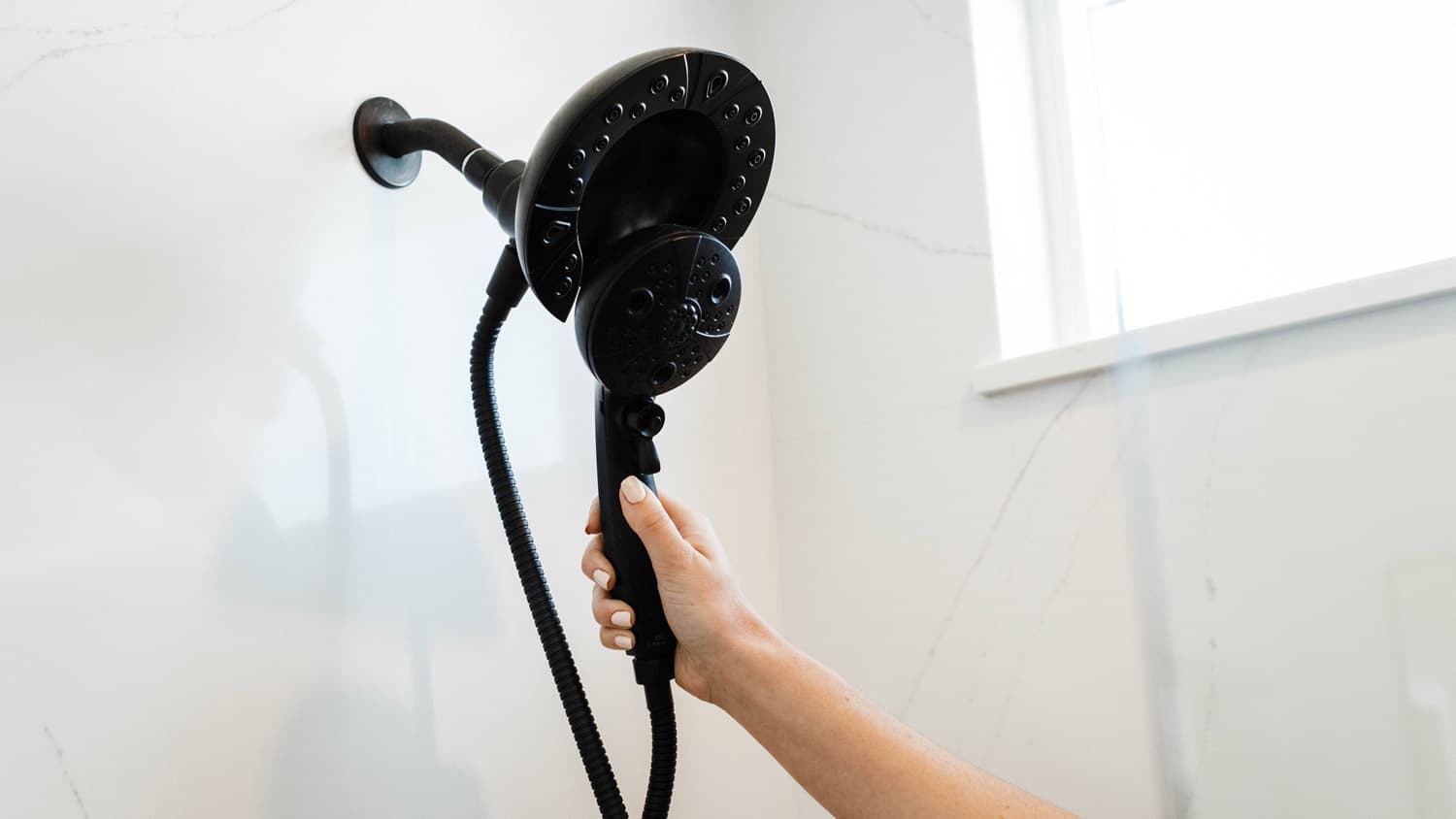
How much does a showerhead cost? Whether your current showerhead is broken or you want more pressure, you have many options to upgrade your showering experience. Learn the average price for various showerheads, features, and more.
Shower not working? Spray it ain’t so

A faulty diverter valve is the most common reason water stops coming out of your shower head and instead dribbles from the tub spout.
Shower valve replacement costs range from $150 to $550, with average costs around $350, so addressing issues early helps avoid higher repair bills.
Limescale and calcium buildup from hard water gradually blocks your shower head nozzles, reducing water flow until it stops working properly.
Hiring a local plumbing repair professional provides reliable support for diverter valve replacement and leak diagnosis, keeping your shower running smoothly.
There are few things more frustrating than going to take a shower and finding that you can’t because the showerhead is not working properly. The reason the water isn’t coming out may be as simple as clogged nozzles to trickier plumbing issues that involve calling an expert to diagnose the problem. Here are some common causes that lead to a showerhead not working and how to deal with them.
The most common problem leading to a showerhead not working is a faulty diverter valve. This valve directs water between your tub spout and showerhead, so a damaged valve can leave in disrepair. If you notice water coming out of the showerhead and the tub spout, and it is dribbling out of the showerhead, this is most likely your problem.
Call a plumbing repair company near you to replace the diverter valve for you. You can attempt to do it yourself, but mistakes can lead to major water damage that can cause more harm than good.

Another common cause of a showerhead not working is limescale and calcium buildup. Especially in areas with hard water, limescale will accumulate in and around your fixtures, gradually choking the water flow. If your showerhead was working normally but slowly became less and less functional, this could be your issue. The problem can be exacerbated in an area with hard water and no water softener in your house.
To unclog a showerhead, disconnect it and soak it for two to three hours in a solution that is one part water and one part white vinegar. It should help break up the limescale. Scrub the showerhead clean using a sponge or toothbrush and reinstall it. A more permanent solution would be to have a plumber install a water softener.
If you have some water flow from your showerhead but it’s trickling out, poor water pressure could be at the root of the problem. This is a likely culprit if the problem was sudden and if other fixtures in your home have low flow as well.
Have a plumber install a water pressure booster in your home. If your neighbors have the same issue, but it came on suddenly, you should wait to see if the problem resolves itself—your water authority may be doing maintenance that caused a temporary dip in pressure. If you’re the only home in your area that’s suffering from the issue, call a plumber to make sure you don’t have a water main leak.
Speaking of leaks, a leak inside your home could cause your showerhead not to work properly. A severe leak can cause a dip in pressure to other fixtures in your home. This is especially true if the problematic shower is on the second floor and the leak is below it.
Call a plumber to check for leaks and assess for water damage. Any signs of leaking require attention, and you should request emergency service. It’s a good idea to shut off the main water supply line to mitigate the damage.

Finally, the issue could be a broken showerhead, especially if the fixture is old. Leaking from the side or water trickling down instead of spraying could signal that a new showerhead is in your future.
Time to go shopping. Once you find the new piece, you can replace the showerhead yourself, or you can call a plumber for help. Note that high-tech showerheads may need more attention.
You can DIY simple fixes for a showerhead that’s not working. Cleaning to remove limescale and replacing an old, broken showerhead are things most homeowners can do themselves. On the other hand, suspicion of underlying causes such as low water pressure should be addressed by a professional plumber as it could indicate a more severe issue, like a water main leak.
Positive experience. As previously stated, the replacement/repair could not be completed (no fault of the plumbing tech) b/c misinformation was rec?d by property management maintenance. Thanks to the plumbing tech for your efforts. Appreciate you!
 The Waterworks
If you want to pay the most exorbitant prices possible for your job, this is the company for you. “By the job” pricing is a rip-off, at least how these people use it. Every job is plugged into a category and prices are set by category. You might have a job that takes half an hour or one that...
 Benjamin Franklin Plumbing
Cole has been handling plumbing and general contracting for our four properties over the past three years, and he’s always done a great job. Most recently, he installed a sink and countertop in our retail store where none existed before, and it turned out exactly how we needed. He’s...
 ANB Renovations LLC
Matt is a consummate professional. The work turned out to be far more difficult than expected and rather than turn the job down, Matt rose to the occasion and completed a near impossible task. I can not recommend Greene's Plumbing Service more highly. On a scale of 1-5 I would give Matt a...
 Greene's Plumbing Service
Involved an extensive bathroom remodel, including removing tub & installing walk in shower, new drywall, custome tile work to ceiling, plumbing, etc. Overall, job was done on time and on budget. Nick & his team were very professional and had high attention to detail. Quality was great. Highly...
 Stamos Flooring and Remodeling LLC
Awesome company. Had a jacuzzi tub taken out and replaced with huge walk in shower with partial glass enclosure. Onyx to the ceiling with a decorative border, moved plumbing and installed hand held shower, new ceiling, flooring, and paint. Replaced window with glass block. Everything was done...
 Columbus Bath Design
The initial quoted price from a walk-through seemed high, but we discussed that the quote represented worst case scenario (re-wiring to two floors) and we were excited about the opportunity to have the work done in a timely manner with closing for fire safety reasons, etc. When the job was...
Initially, I called the Service People to have a leaking garbage disposal replaced. I had purchased a special deal through Angie's List: $79 for $200-worth of plumbing services. <br /> When I went to schedule the work, the earliest date I could get through Angie's List was after the upcoming...
This company did a very good job on the brick wall and it looks just amazing. The staff was always professional and was practically OCD on how the bricks were stacked and how they were laid. Although it took longer than expected, I am willing to sacrifice time over perfection anyday. The...
 My Handy Mate LLC Improvement & Remodeling
<p>I am so glad we called Rotor-Rooter. I was hesitant to call them because we usually prefer to give business to local providers. But when we had sewage back up in our basement on a Saturday evening, I had a hard time getting a hold of someone, not to mention the high weekend/evening rate...
 Roto-Rooter Plumbing & Water Cleanup
From average costs to expert advice, get all the answers you need to get your job done.
How much does a showerhead cost? Whether your current showerhead is broken or you want more pressure, you have many options to upgrade your showering experience. Learn the average price for various showerheads, features, and more.
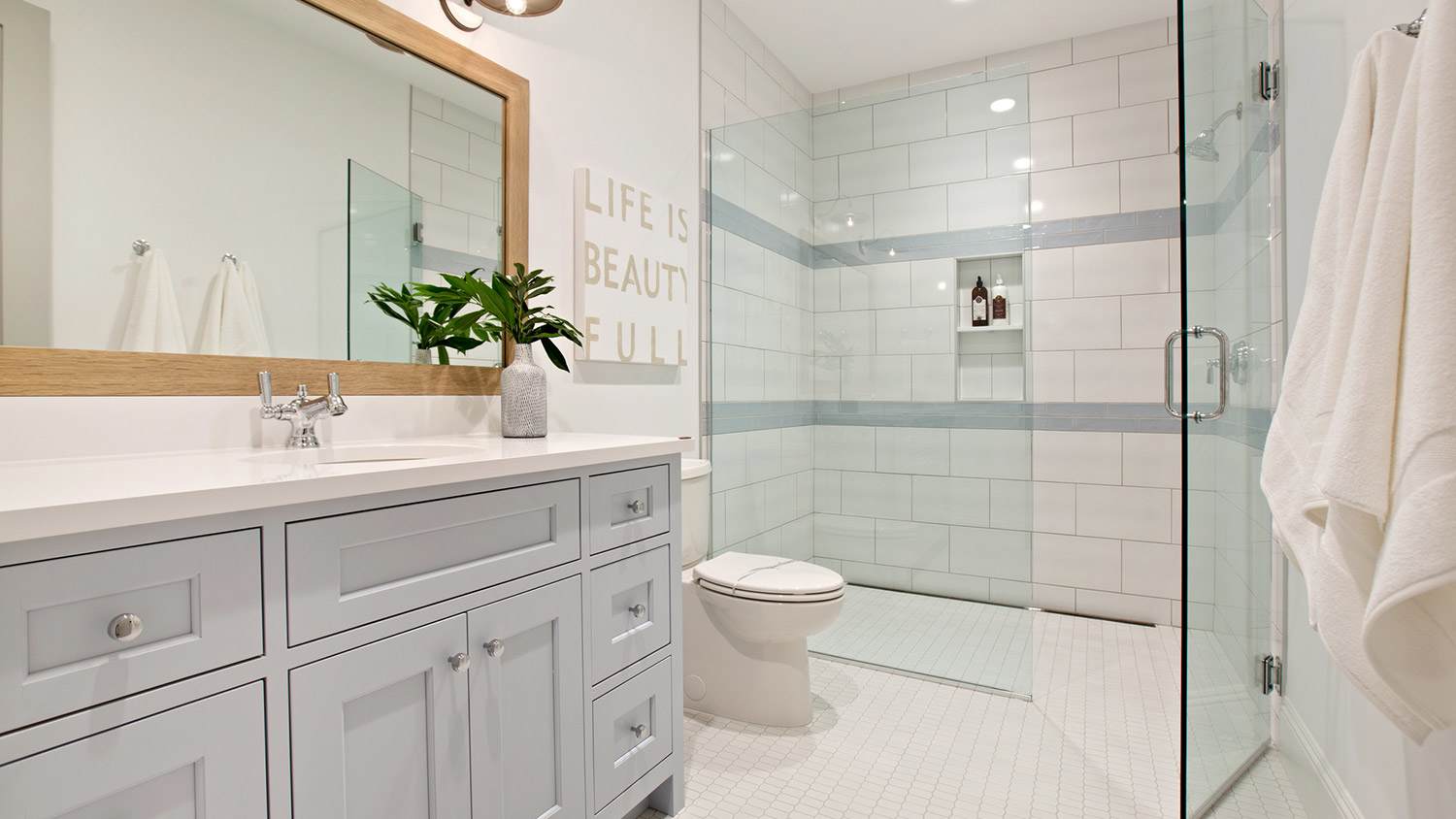
Shower installation costs depend on size, style, and materials. No matter the budget, this guide can help you plan your project and even save a few bucks.
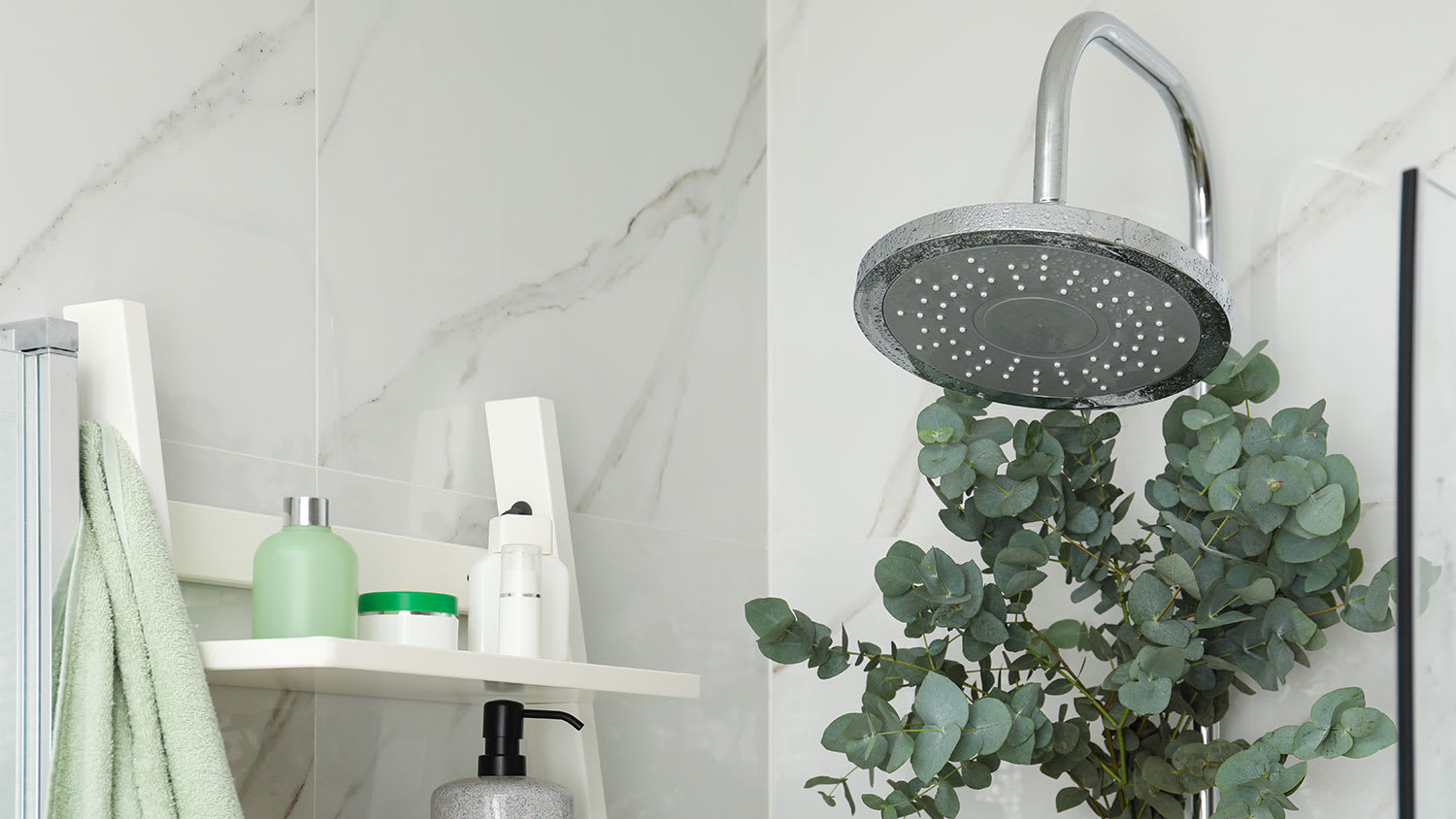
A new showerhead is an easy, affordable way to upgrade any bathroom. Learn how to change a showerhead, from removing the old to installing the new.
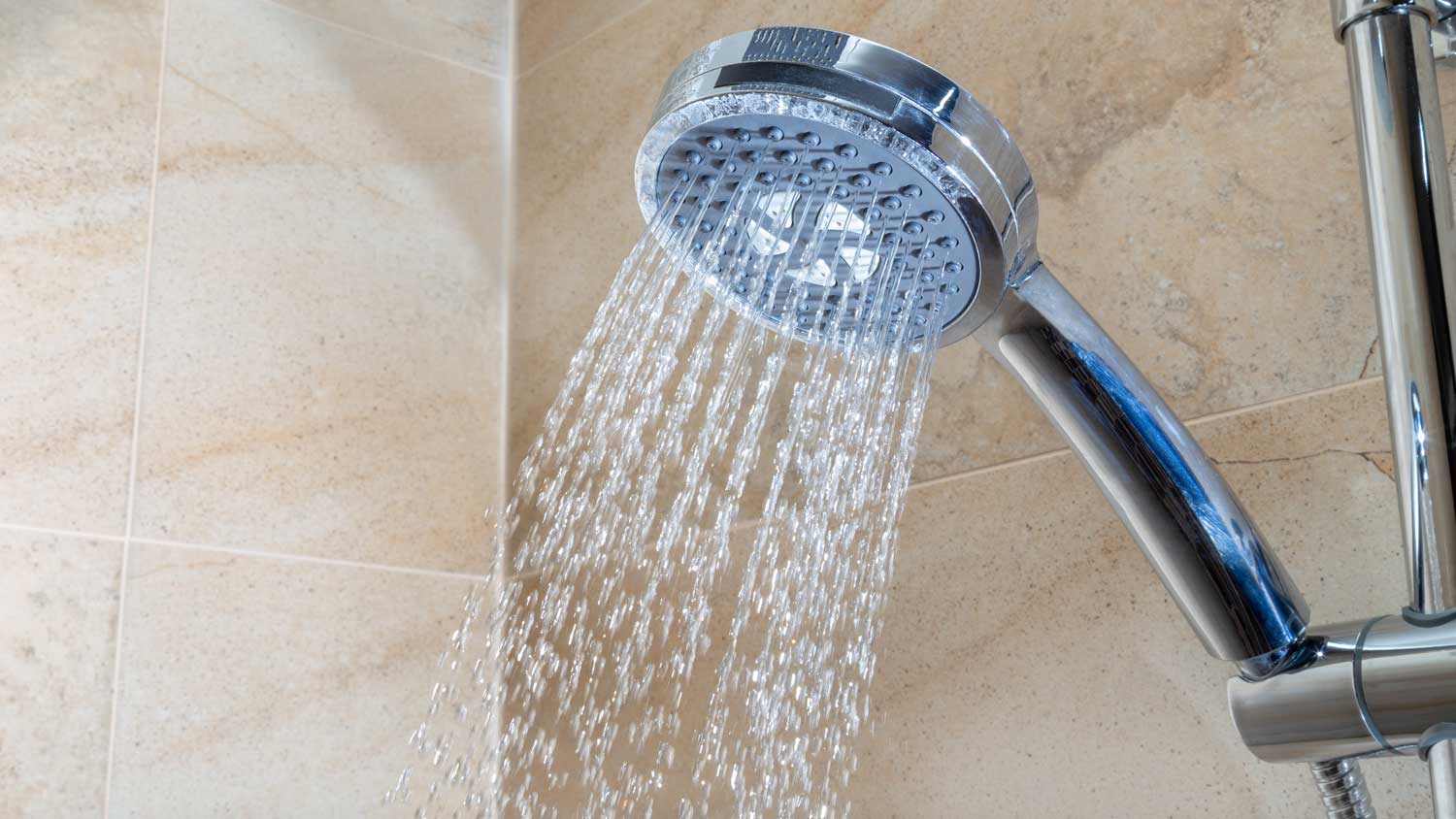
A shower that won’t stop running is frustrating but can also cost you money. Learn how to identify and fix the problem, as well as when to call a pro.
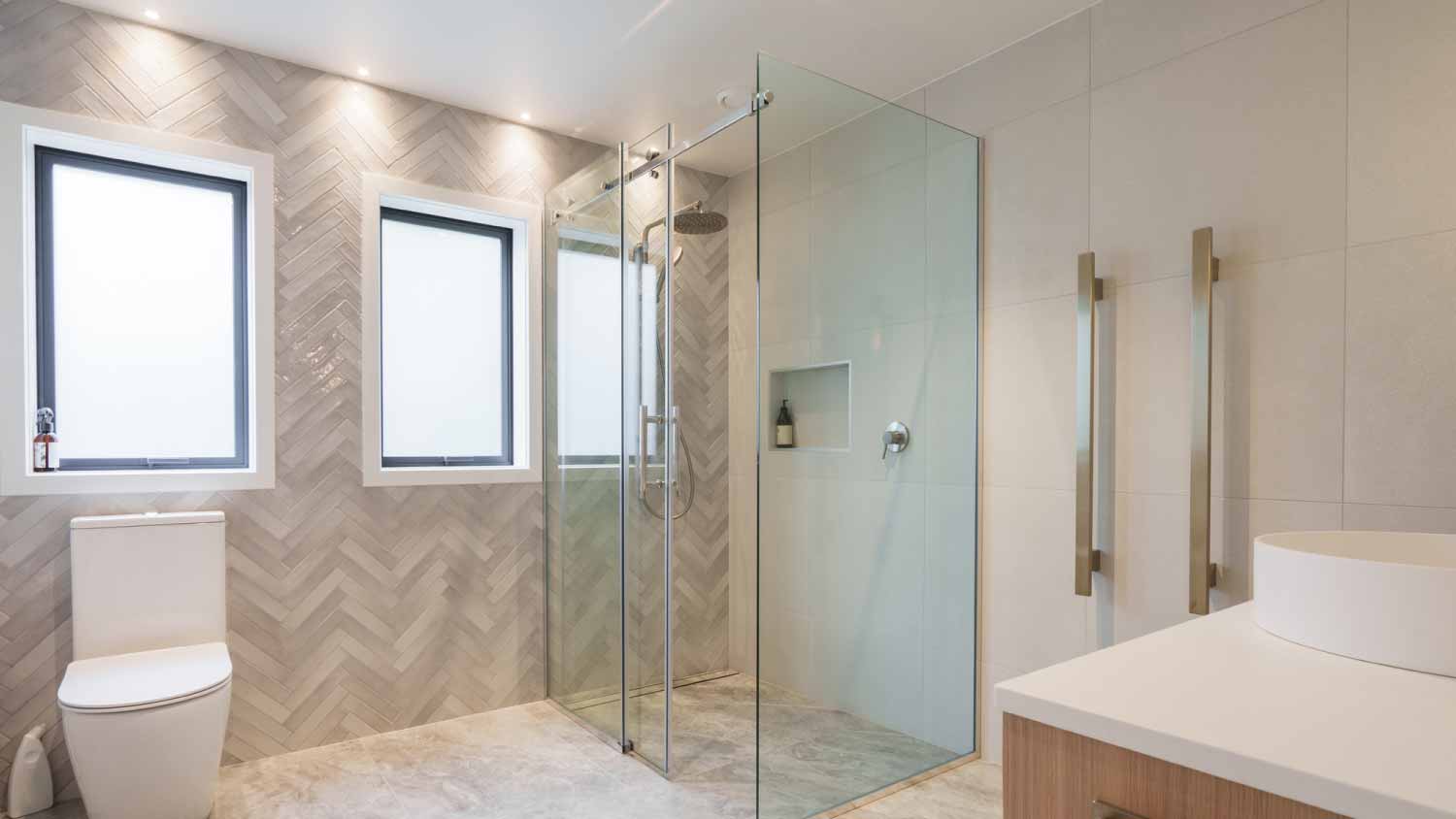
Looking to upgrade your bathroom? This shower plumbing diagram will help you understand the different parts of a shower and how they work.
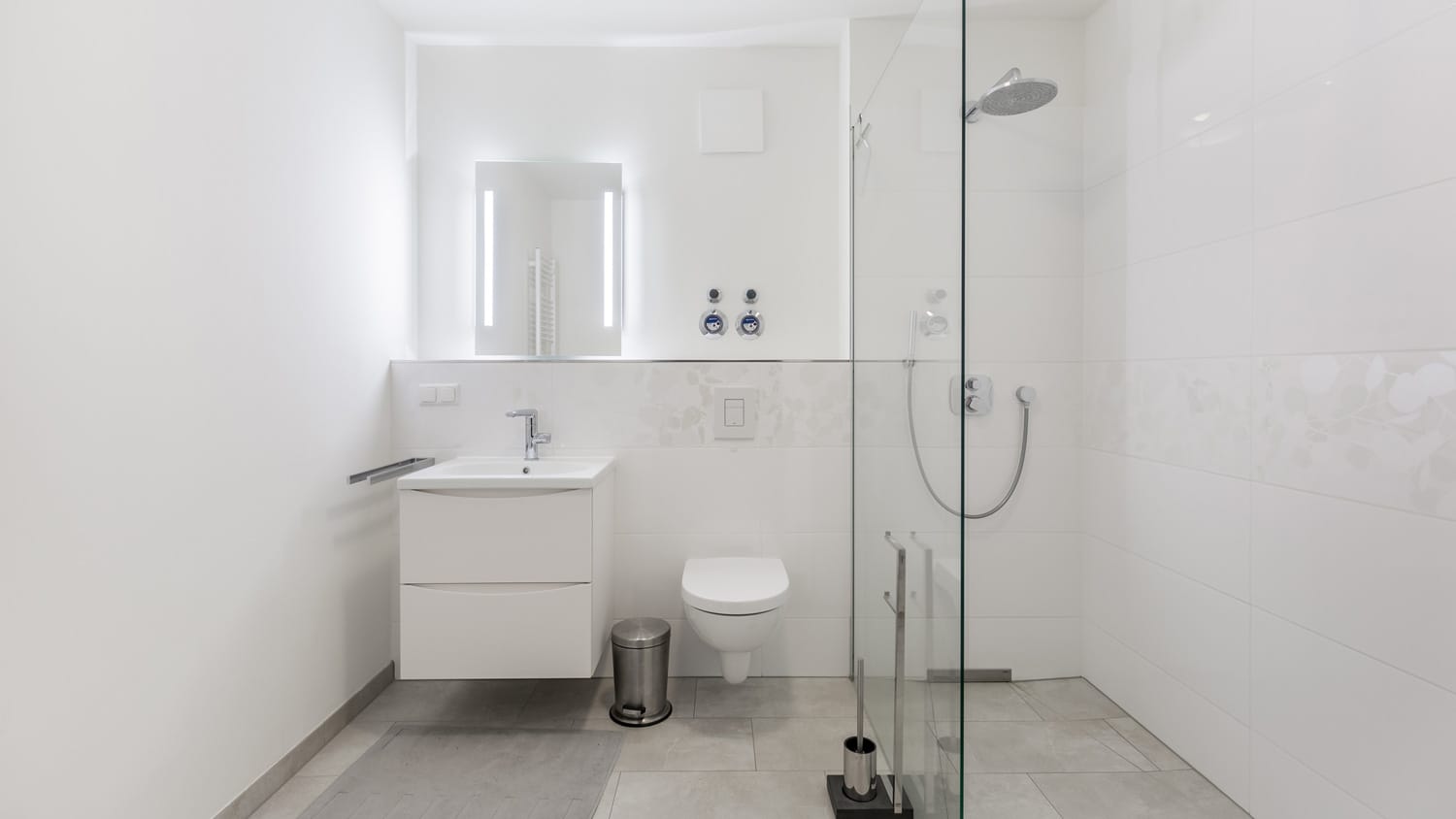
When your shower value has stopped working, sprung a leak, or the temperature seems to have gone rogue, a shower valve replacement may be the answer.