
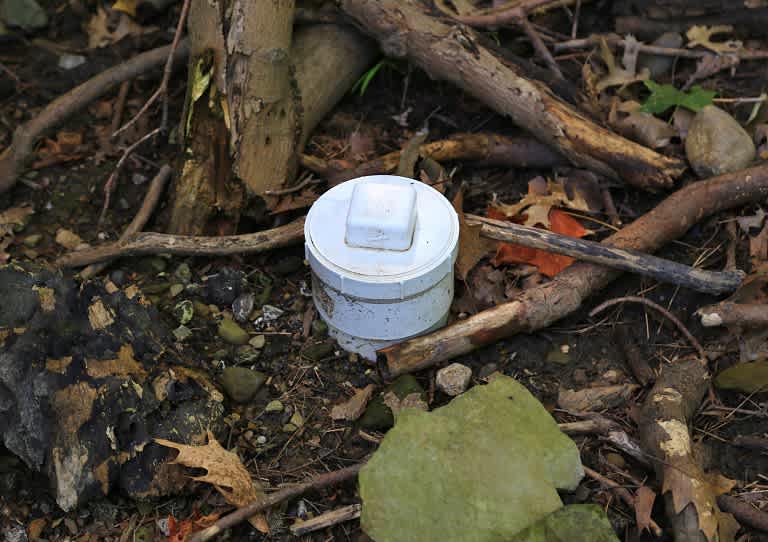
Get transparent sewer line camera inspection cost info. Learn what impacts pricing in Seattle, WA, and how to budget for this essential home maintenance.
Plumbing costs depend on your project and location. Check with a local pro for your specific job.

Uncomplicated septic inspection costs in Seattle, WA, start around $110, with advanced camera explorations rising to $1,440 or more.
The region’s frequent rainfall, dense vegetation, and sloped lots can affect system accessibility and increase inspection costs.
If your septic inspection reveals problems, the average system repair in the city ranges from $660 to $3,300.
Hiring a licensed septic professional in Seattle, WA, ensures compliance with local regulations and can extend your system’s longevity.
The average septic inspection cost in Seattle, WA, is $611, with most falling between $222 and $1,000. Prices in the area tend to run about 10% higher than the national average, reflecting the city’s elevated cost of living, higher labor rates, and strict environmental standards.
Many homes in Seattle and its surroundings are built on uneven terrain or wooded lots, which can make locating and accessing septic systems more time-consuming. Older homes, especially those outside the city core, may also have aging systems that require more detailed inspections.
Septic inspection costs in Seattle, WA, can start at $111 with a maximum cost of $1,444, depending on several factors. These include the inspection type, tank size, and the system’s depth, accessibility, and overall condition.
Soil composition in Western Washington often includes a mix of glacial till and compacted soils, which can complicate drainage and inspection processes. Frequent rainfall and saturated ground conditions may also slow down inspections or require additional equipment. Homes with larger footprints or multiple tanks, which are more common in hillside or rural properties around Seattle, WA can increase both inspection time and total cost.

There are several types of septic inspections, each serving a specific purpose. You’ll often see the lowest prices for routine annual inspections, while the highest costs are reserved for detailed inspections and camera inspections that you might need to schedule before purchasing a property.
| Inspection Type | Average Cost |
|---|---|
| Annual inspection | $220–$275 |
| Basic inspection | $275–$440 |
| Detailed inspection | $440–$770 |
| Camera inspection | $275–$990 |
How often you have your septic system inspected is another factor to consider. If you conduct inspections once every one to three years and use the same inspector each time, your professional will be able to keep track of changes and more easily determine if something unusual is a worsening problem. Knowledge of your system and its condition over time can speed up the inspection process, meaning labor costs could be lower.
The size of your septic tank and the depth at which it’s buried can also influence the inspection cost. Larger tanks require more time and effort to inspect thoroughly, resulting in higher labor fees. If the inspection company doesn’t include digging to uncover the tank in the cost of the inspection, this could add between $55 and $275 to the overall septic inspection cost, with higher prices often correlating to septic tanks that are buried deeper.
If you’re getting a septic inspection due to septic tank odor or other suspected problems with your septic system, you’ll probably need a detailed inspection or a camera inspection, which are more expensive than routine inspections. The extent of any issues discovered during the inspection can also lead to septic tank repair costs, which can be anywhere from $250 to $3,300 on top of the inspection fee. The exact price you’ll pay for the repair will depend on the type of issue you’re experiencing.
Septic tank lid repair: $165–$550
Septic baffle repair: $330–$990
Septic filter repair: $220–$330
Septic pump repair: $275–$1,100
Septic main line repair: $1,100–$4,600
Septic tank replacement: $550–$2,750
Septic system replacement: $3,300–$22,000
You can expect some of the highest costs if you have a septic system leak, as you’ll often have to pay cleanup fees to prevent contamination of the soil and groundwater. Prices can reach beyond $22,000 for the replacement of the old system and the fines.
According to the Environmental Protection Agency (EPA), you should get a septic inspection done every one to three years, and you should get your tank pumped every three to five years. An annual inspection is a good idea if any of the following apply to your home:
You added on to your home since your tank was installed and are putting more strain on your system
Your septic system is 20 years old or more
You’re experiencing issues with sewage backup
You use a garbage disposal
You notice sewage odors in your yard
Portions of your grass are unusually green or vibrant
Your tank is undersized for your home
You should also schedule a septic inspection if you haven’t had one in the last three years or if you’re purchasing a home with a septic system installed.
The Pacific Northwest has higher labor costs and stricter environmental oversight than some regions, which contribute to slightly elevated service rates. However, hiring a septic professional in Seattle, WA, to carry out inspections is essential to ensure safety and compliance with local regulations.
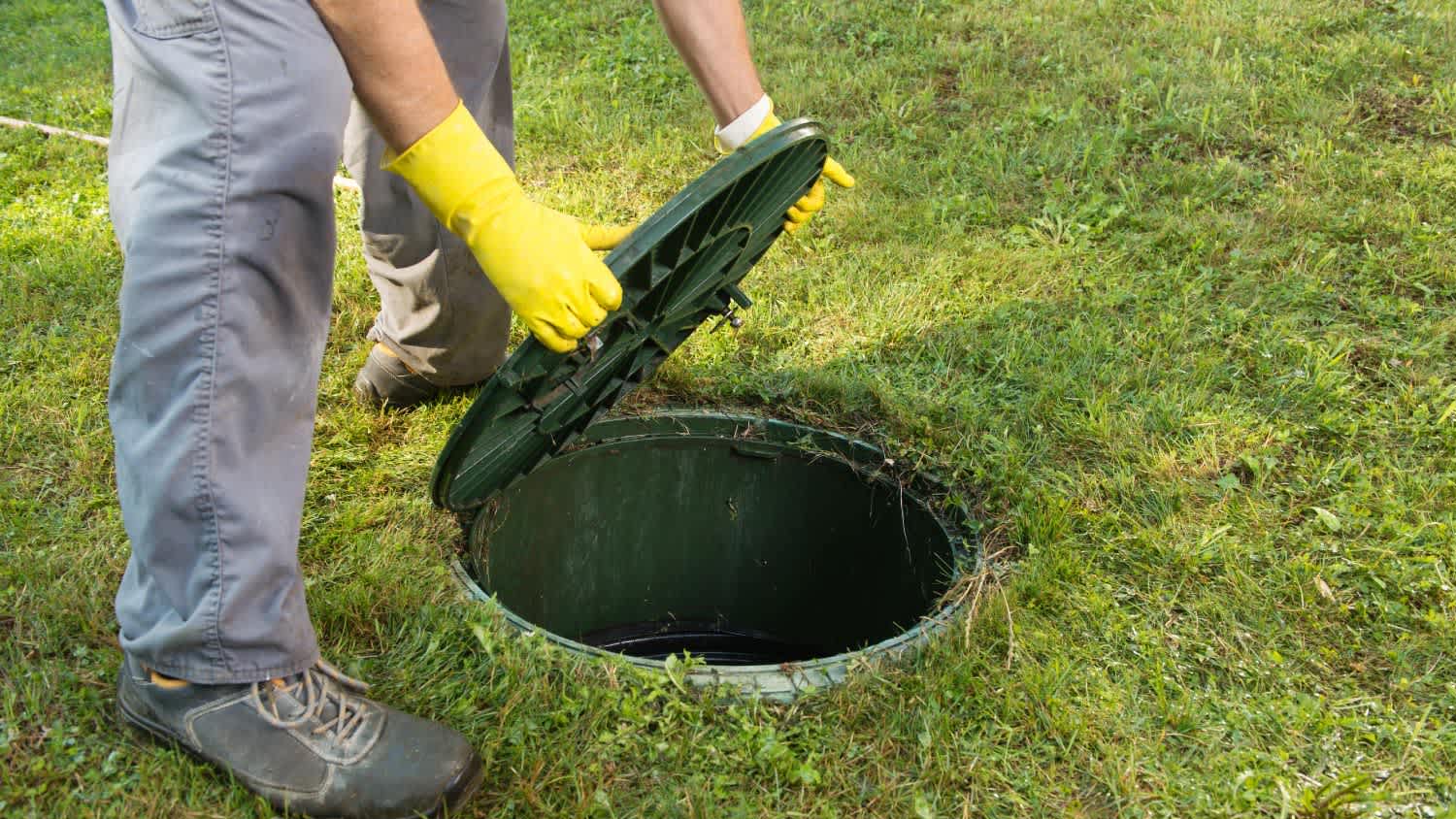
DIY septic inspections aren’t recommended due to the health risks and technical expertise required. Professionals use specialized tools to assess sludge levels, inspect for leaks, and evaluate system efficiency.
A qualified pro will be familiar with state and county-specific guidelines, helping you avoid fines, failed inspections during home sales, or costly system failures.
Septic inspection professionals in Seattle, WA, generally charge a flat rate, although labor costs underpin pricing. Rates in the city typically range from $55 to $275 per hour.
A basic inspection of an easily accessible system may take one to two hours. However, inspections can extend to two to four hours or more for systems that are buried, located on sloped terrain, or obscured by landscaping.
Seattle, WA’s wet climate and frequent rainfall can also make soil heavier and more difficult to work with, increasing the time required to locate and access tanks.
Routine septic inspections in Seattle, WA, don’t require permits. However, if an inspection identifies issues requiring system replacement or major alterations, permits will likely be required, along with the cost of replacing the septic tank or the entire system.
Permit costs in King County for this type of work generally range from $225 to $1,180, depending on the scope. Most septic professionals will manage the permitting process on your behalf, ensuring compliance with Washington State and county regulations.
Working with a licensed and insured septic professional in Seattle, WA, is essential to ensure compliance with local regulations, especially during property transactions or when upgrading systems.
You can verify your septic professional’s licensing credentials through the King County Environmental Health Department.
Septic inspections are a valuable preventative measure for Seattle, WA, homeowners. While they don’t directly increase your property’s value, regular inspections can help identify issues early, extend the lifespan of your septic system, and reduce the risk of expensive repairs.
This is particularly important in the Pacific Northwest, where consistent rainfall can strain drain fields and impact system performance over time. If you’re a homebuyer in the city, a septic inspection provides peace of mind, and in some cases, lenders may require an evaluation before finalizing a mortgage.
To help homeowners plan their next project, Angi provides readers with carefully researched cost data and upholds strict editorial standards. We start with national average project costs, which we collect by analyzing competitor information, retailer material costs, and input from professional contractors. We then apply local price index data to calculate location-specific estimates that reflect what homeowners typically pay in their local area. To do that, we use data from the U.S. Bureau of Economic Analysis (BEA), including its Regional Price Parities (RPPs), which measure price differences across cities. This helps us account for differences in labor, materials, and overall cost of living, so estimates in higher- or lower-cost areas better reflect real-world local pricing.
Every estimate undergoes a thorough editorial review to verify accuracy, consistency, and alignment with observed market conditions.
Want to help us improve our cost data? Send us a recent project quote to [email protected]. Quotes and personal information will not be shared publicly.
The first thing that impressed me was right after demo, the electrician and plumber arrived to do their part, then it was back to construction. Even at the end, the plumber came to install plumbing hardware! They were very respectful to the property and cleaning up
 Re-Bath of Seattle
Great price told upfront. Did EXCELLENT work. Respectful and nice. I recommend him to anyone need plumbing service
 Benchmark Plumbing LLC
We have used Trueman Plumbing for more than 25 years. They are excellent at solving problems. We have used them for kitchen and bathroom installations and remodels. They are time and cost effective. They are schedule accommodating. And their billing has always been fair. We would...
Seth promptly and efficiently assessed the plumbing correction that was needed and immediately installed the proper equipment. He’s also been my go-to for a number of concerns that remained from another contractor who left things unfinished from a remodel.
 Dreamweaver Remodeling, LLC
365 Plumbing exceeded my expectations! They fixed a water heater issue promptly and were extremely professional. The technician was knowledgeable and courteous, and the work was done right the first time. Great company to trust for plumbing needs!
Greg and his son were punctual, friendly, and showed me everything they were doing. I would recommend this company to anyone looking for affordable high-quality plumbing.
Chris communicated very helpfully through text to help establish the correct work that was needed and approximate costs. He showed up when he was supposed to both times, gave reasonable options and recommendations and did all jobs thoroughly and professionally, even cleaning some old...
 BAIKAL SERVICES®
Raymark is competent and knows their plumbing. The replaced a 76 year old failing side sewer in a very efficient manner.
 Raymark Plumbing & Sewer
I was in a bind and called Pioneer Plumbing due to a main drain clog in my house. They sent out Justin lee and he put a camera down and explained exactly the problem tree roots and promptly removed them. He also gave me a lot of information about drain pipes and mine are over 100 years old...
 Pioneer Plumbing & Heating
They did the plumbing portion of our home remodel and I was very pleased with their work.
From average costs to expert advice, get all the answers you need to get your job done.
Get transparent sewer line camera inspection cost info. Learn what impacts pricing in Seattle, WA, and how to budget for this essential home maintenance.

The cost to pump a septic tank in Seattle, WA, depends on several factors, including tank size, cleaning frequency, and seasonality.

Planning a big project in Seattle, WA? Find out how much it costs to get utilities on land. This isn’t a budget-friendly project, so start planning here.
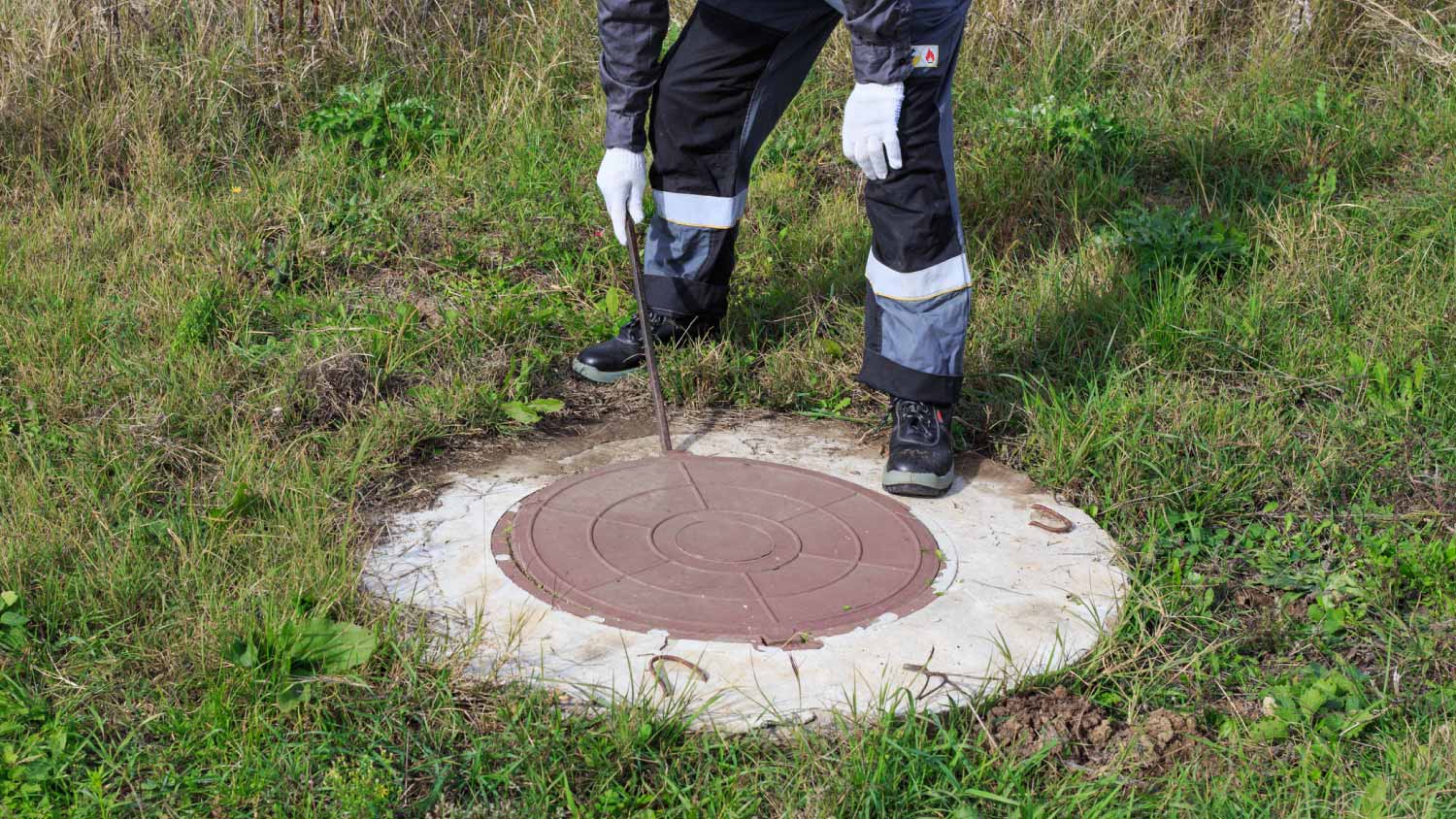
A septic inspection is a vital part of total septic system health. Learn more about what goes into a septic inspection and how often to get one.
A sewage smell outdoors is not only gross, but it indicates a possible health hazard. Learn how to get rid of the septic smell outside and when to call a pro.
If you’ve never lived in a house with a septic system before, you might be wondering: Are septic tanks bad? Here are some of the pros and cons.