
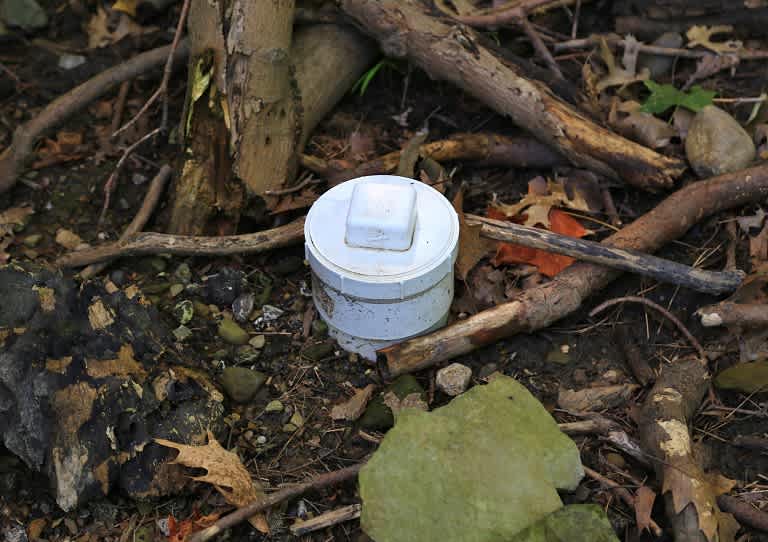
Get transparent sewer line camera inspection cost info. Learn what impacts pricing in Houston, TX, and how to budget for this essential home maintenance.
Plumbing costs depend on your project and location. Check with a local pro for your specific job.

Septic inspection costs in Houston, TX, vary from $62 to $72 per hour.
Two factors influencing project costs are inspection type and tank dimensions.
If the tank needs to be repaired, those costs can range between $225 to $2,960.
Local septic pros in Houston, TX, are skilled at working with the city's clay-rich soil.
On average, septic inspection costs in Houston, TX, are between $197 and $887. Most homeowners in the city pay around $542. The clay-based soil in Houston, TX, can cause absorption issues, especially when excess water accumulates, which is common during heavy rainfall. An inspection ensures that the drainage design is functioning efficiently and helps prevent risks. As you get ready for your septic inspection, consider these cost factors.
Septic inspection costs in Houston, TX, are determined by tank size and inspection type. For example, a standard annual inspection is less costly than a camera inspection, and smaller tanks are less expensive to inspect than large ones.

There are several types of septic inspections, each serving a specific purpose. You’ll often see the lowest prices for routine annual inspections, while the highest costs are reserved for detailed inspections and camera inspections that you might need to schedule before purchasing a property.
| Inspection Type | Average Cost |
|---|---|
| Annual inspection | $200–$245 |
| Basic inspection | $245–$400 |
| Detailed inspection | $395–$680 |
| Camera inspection | $245–$885 |
The time since your last septic inspection is another factor to consider. If you conduct inspections once every one to three years and use the same inspector each time, your professional will be able to keep track of changes and more easily determine if something unusual is a worsening problem. Knowledge of your system and its condition over time can speed up the inspection process, meaning labor costs could be lower.
The size of your septic tank and the depth at which it’s buried can also influence the inspection cost. Larger tanks require more time and effort to inspect thoroughly, resulting in higher labor fees. If the inspection company doesn’t include digging to uncover the tank in the cost of the inspection, this could add between $50 and $245 to the overall septic inspection cost, with higher prices often correlating to septic tanks that are buried deeper.
If you’re getting a septic inspection due to suspected problems with your septic system, you’ll probably need a detailed inspection or a camera inspection, which are more expensive than routine inspections. The extent of any issues discovered during the inspection can also lead to septic tank repair costs, which can be anywhere from $225 to $2,960 on top of the inspection fee. The exact price you’ll pay for the repair will depend on the type of issue you’re experiencing.
Septic tank lid repair: $150–$495
Septic baffle repair: $295–$890
Septic filter repair: $200–$295
Septic pump repair: $245–$985
Septic main line repair: $985–$4,140
Septic tank replacement: $495–$2,465
Septic system replacement: $2,960–$19,720
You can expect some of the highest costs if you have a septic system leak, as you’ll often have to pay cleanup fees to prevent contamination of the soil and groundwater. Prices can reach beyond $19,720 for the replacement of the old system and the fines.
According to the Environmental Protection Agency (EPA), you should get a septic inspection done every one to three years, and you should get your tank pumped every three to five years. An annual inspection is a good idea if any of the following apply to your home:
You added on to your home since your tank was installed and are putting more strain on your system
Your septic system is 20 years old or more
You’re experiencing issues with sewage backup
You use a garbage disposal
You notice sewage odors in your yard
Portions of your grass are unusually green or vibrant
Your tank is undersized for your home
You should also schedule a septic inspection if you haven’t had one in the last three years or if you’re purchasing a home with a septic system installed.
On average, septic tank pros in Houston, TX, charge between $62 and $72 per hour. Local pros know how to navigate the city's clay-based soils, accurately determine the cause of septic tank odor, and calculate the cost to replace a septic tank.
Because septic systems are complex underground systems that can be affected by soil conditions, odor issues are not typically easy DIY fixes. In Houston, TX, clay-based soils can create drainage and shifting problems that require specialized knowledge to diagnose correctly. A local septic tank pro can safely inspect the system, identify the root cause of odors or backups, and help prevent more serious damage or costly repairs.
No, getting a septic inspection won't increase your home's value. These inspections are routine for septic system maintenance and won't be an appealing benefit to potential buyers. On the contrary, failing to schedule septic tank inspections could be detrimental to home value, especially if any issues exist.
To help homeowners plan their next project, Angi provides readers with carefully researched cost data and upholds strict editorial standards. We start with national average project costs, which we collect by analyzing competitor information, retailer material costs, and input from professional contractors. We then apply local price index data to calculate location-specific estimates that reflect what homeowners typically pay in their local area. To do that, we use data from the U.S. Bureau of Economic Analysis (BEA), including its Regional Price Parities (RPPs), which measure price differences across cities. This helps us account for differences in labor, materials, and overall cost of living, so estimates in higher- or lower-cost areas better reflect real-world local pricing.
Every estimate undergoes a thorough editorial review to verify accuracy, consistency, and alignment with observed market conditions.
Want to help us improve our cost data? Send us a recent project quote to [email protected]. Quotes and personal information will not be shared publicly.
Santhoff Plumbing is always great and Roberto is the best!! He did a great job and such a nice person!
Wonderful job! Finished in a timely manner, supper professional and knowledgeable. Definitely recommend and will be a return customer for future plumbing issues or upgrades.
 Elevated Water Solutions, LLC.
Brandon from Adams Plumbing is a seasoned pro. He figured out what the problem was very quickly. Then he and his crew dug through the foundation in order to fix the broken pipes. They were efficient and professional. They cleaned up after themselves when they were done. I would hire Adams again.
 Adams Plumbing
Kintex Plumbing went above and beyond on repairing my issue, specifically the technician, Ranceis Ortega. Very friendly, professional, detail oriented and on time. I recommend Kintex Plumbing and Ranceis highly.
Joe from Luke's Plumbing did a great job! He was friendly and engaging, the work took less than the estimated time and came in right at the estimated cost. I will definitely keep Luke's Plumbing's number handy for any plumbing work.
 Luke's Plumbing and Air Conditioning
Local family owned business that was efficient and willing to walk me through the process step by step, for my own education. Daniel was awesome and will be my go-to for any future plumbing projects.
 Heaton Plumbing
G&S plumbing was extremely professional and changed my water with in a matter of hours! I would absolutely recommend them 100% and will continue to use them going forward.
 G&S Plumbing
Good small size plumbing provider with top of the line customer service and technology platform. Best of both worlds!
 Cooper Plumbing
Great service. Friendly, reliable and affordable. We highly recommend Kenneth's Plumbing.
 Kenneth's Plumbing, LLC
Hired Prominent Plumbing to replace galvanized pipes to PEX as well as total replacement of sewer lines. They were prompt and did an exceptional job. They are the only plumbers I hire. Love them!
 MJ Custom Remodeling
From average costs to expert advice, get all the answers you need to get your job done.
Get transparent sewer line camera inspection cost info. Learn what impacts pricing in Houston, TX, and how to budget for this essential home maintenance.
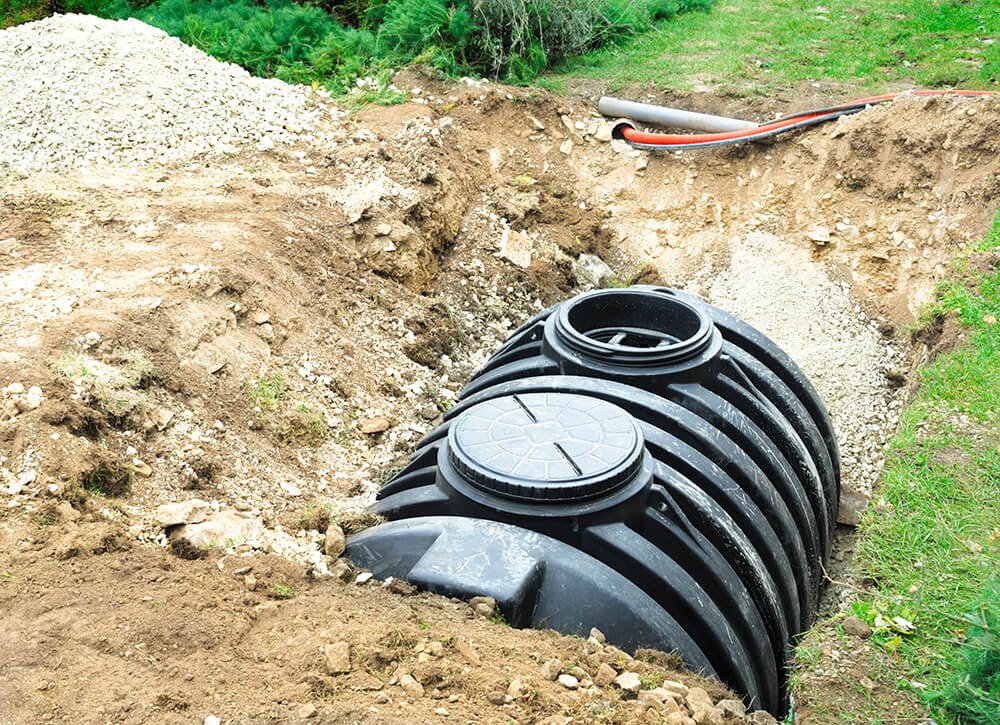
How much does a septic system cost in Houston, TX? Explore impacting factors, important add-ons, and how you can save money on septic system installation in Houston, TX, right here.

The cost to pump a septic tank in Houston, TX, depends on several factors, including tank size, cleaning frequency, and seasonality.
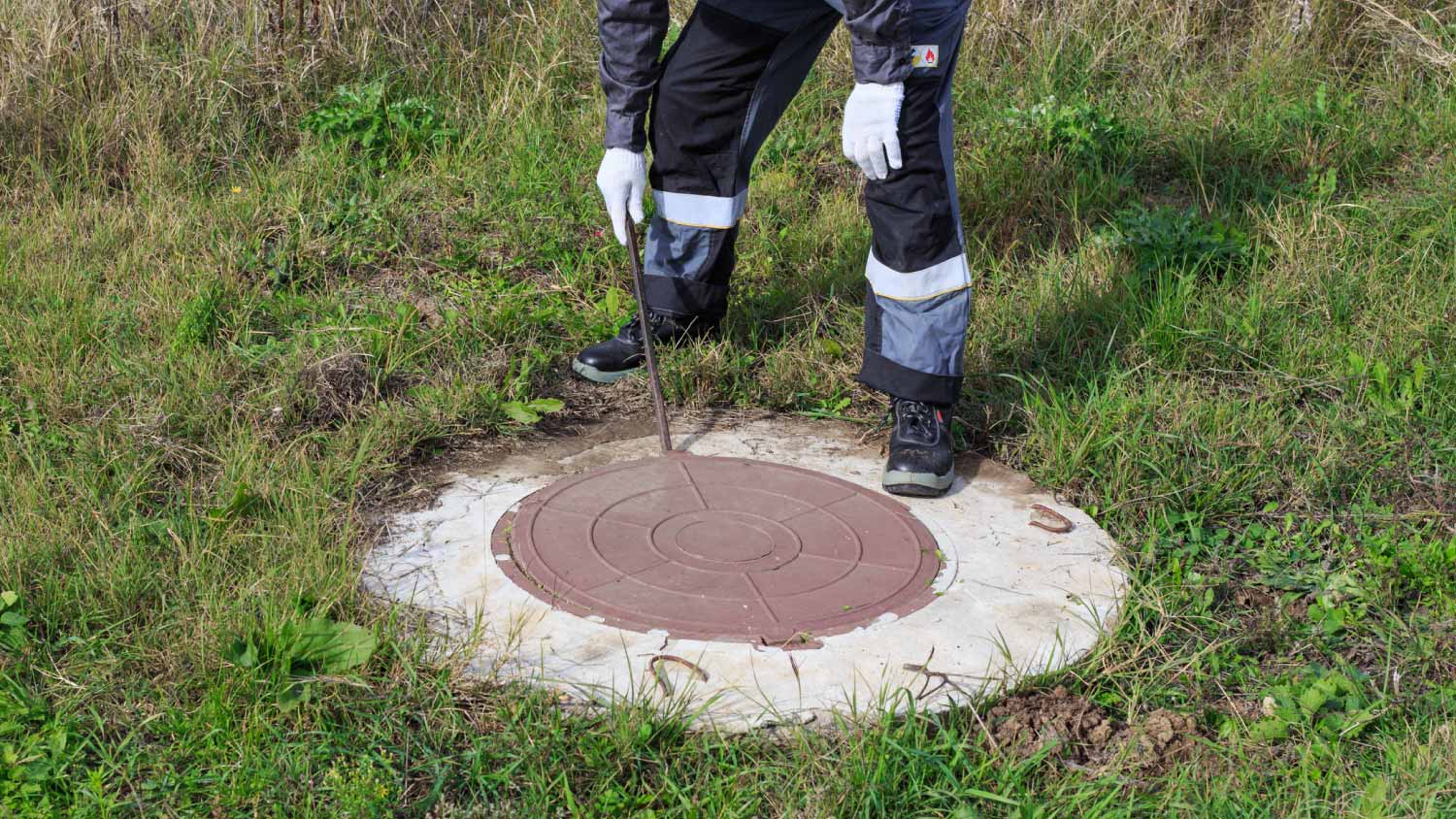
A septic inspection is a vital part of total septic system health. Learn more about what goes into a septic inspection and how often to get one.
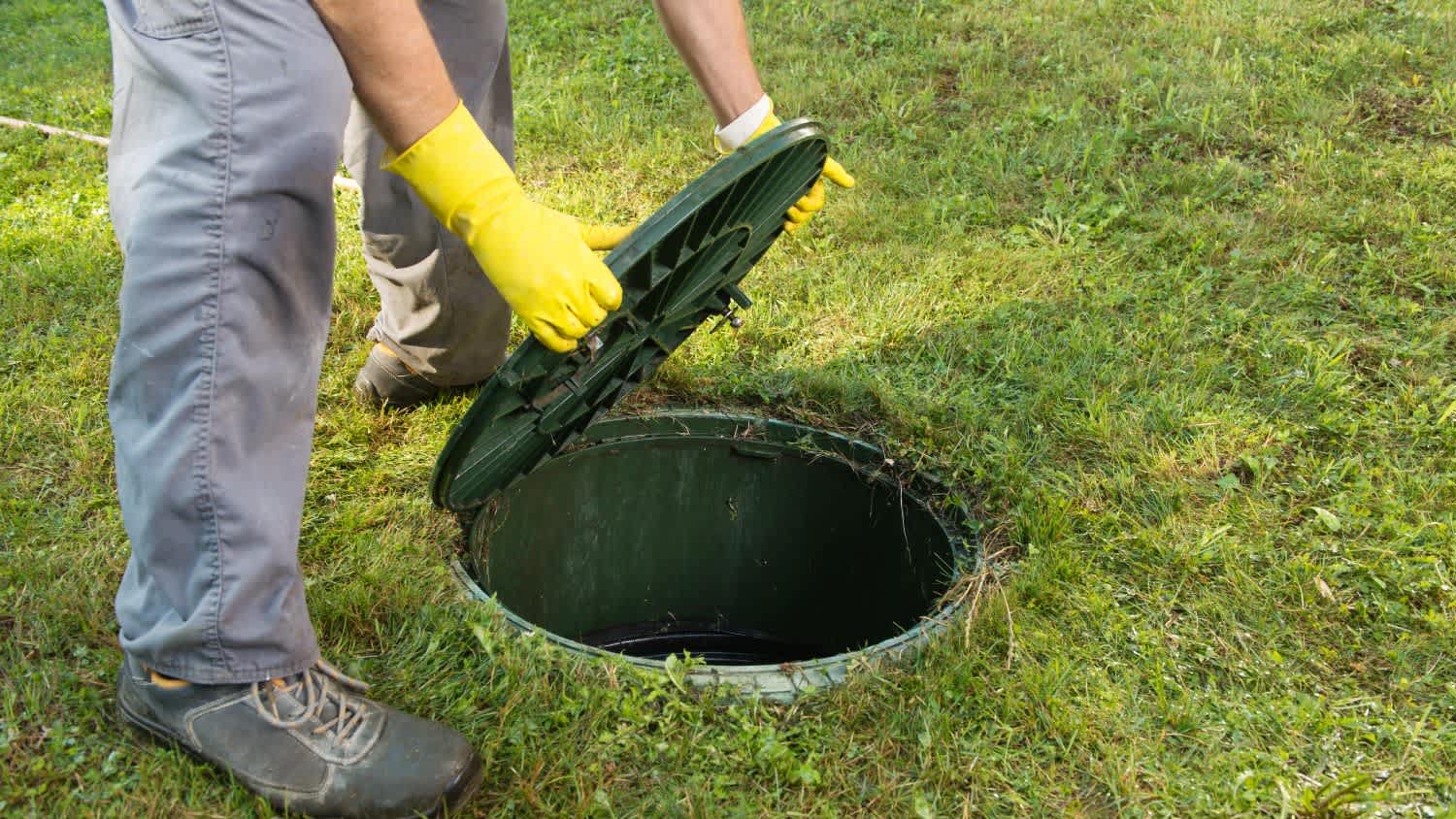
A sewage smell outdoors is not only gross, but it indicates a possible health hazard. Learn how to get rid of the septic smell outside and when to call a pro.

Septic tank replacement costs in Houston, TX, depend on your system's type and size. Learn what affects your replacement budget and get estimates before you hire a pro.