

The cost to pump a septic tank in Columbus, OH, depends on several factors, including tank size, cleaning frequency, and seasonality.
Plumbing costs depend on your project and location. Check with a local pro for your specific job.

Septic inspection costs in Columbus, OH, range from $63 to $72 per hour for labor.
The type of inspection and size of your septic tank will influence project costs.
If issues are found during inspection, septic repairs can cost between $220 to $2,865.
Local septic pros in Columbus, OH, are skilled at working with the soil type in Columbus, OH, a key component of septic system health.
Septic inspection costs in Columbus, OH, typically vary from $191 to $860, with most homeowners paying around $525. In Ohio, unsuitable soil and groundwater are the most common factors causing septic system malfunctions. An aging system is also likely to cause issues. Use these cost factors to prepare a budget for this home project.
There are two main factors that influence your septic inspection cost in Columbus, OH—the type of inspection and the size and depth of your tank.

There are several types of septic inspections, each serving a specific purpose. You’ll often see the lowest prices for routine annual inspections, while the highest costs are reserved for detailed inspections and camera inspections that you might need to schedule before purchasing a property.
| Inspection Type | Average Cost |
|---|---|
| Annual inspection | $190–$240 |
| Basic inspection | $240–$380 |
| Detailed inspection | $380–$670 |
| Camera inspection | $240–$860 |
The time since your last septic inspection is another factor to consider. If you conduct inspections once every one to three years and use the same inspector each time, your professional will be able to keep track of changes and more easily determine if something unusual is a worsening problem. Knowledge of your system and its condition over time can speed up the inspection process, meaning labor costs could be lower.
The size of your septic tank and the depth at which it’s buried can also influence the inspection cost. Larger tanks require more time and effort to inspect thoroughly, resulting in higher labor fees. If the inspection company doesn’t include digging to uncover the tank in the cost of the inspection, this could add between $47 and $240 to the overall septic inspection cost, with higher prices often correlating to septic tanks that are buried deeper.
If you’re getting a septic inspection due to suspected problems with your septic system, you’ll probably need a detailed inspection or a camera inspection, which are more expensive than routine inspections. The extent of any issues discovered during the inspection can also lead to septic tank repair costs, which can be anywhere from $220 to $2,865 on top of the inspection fee. The exact price you’ll pay for the repair will depend on the type of issue you’re experiencing.
Septic tank lid repair: $143–$478
Septic baffle repair: $286–$860
Septic filter repair: $190–$286
Septic pump repair: $238–$955
Septic main line repair: $955–$4,011
Septic tank replacement: $477–$2,388
Septic system replacement: $2,865–$19,100
You can expect some of the highest costs if you have a septic system leak, as you’ll often have to pay cleanup fees to prevent contamination of the soil and groundwater. Prices can reach beyond $19,100 for the replacement of the old system and the fines.
According to the Environmental Protection Agency (EPA), you should get a septic inspection done every one to three years, and you should get your tank pumped every three to five years. An annual inspection is a good idea if any of the following apply to your home:
You added on to your home since your tank was installed and are putting more strain on your system
Your septic system is 20 years old or more
You’re experiencing issues with sewage backup
You use a garbage disposal
You notice sewage odors in your yard
Portions of your grass are unusually green or vibrant
Your tank is undersized for your home
You should also schedule a septic inspection if you haven’t had one in the last three years or if you’re purchasing a home with a septic system installed.
Septic tank pros in Columbus, OH, charge between $63 and $72 per hour. A local pro is a great resource for learning what causes septic tank odor or calculating the cost to replace a septic tank.
Septic system work is not a DIY-friendly task due to the health risks, technical complexity, and potential for costly mistakes. Handling a septic tank involves exposure to hazardous gases and bacteria, and improper maintenance or repairs can lead to system failure, environmental contamination, or expensive property damage. Professionals have the training, equipment, and knowledge to safely diagnose issues, comply with local regulations, and ensure the system operates efficiently—something that’s difficult to replicate without specialized experience.
Getting a septic inspection won't affect your home's value, as it's a routine part of septic system maintenance. Potential buyers expect the septic system to be in working order when they purchase a home. Follow the proper schedule for septic tank inspection to ensure there are no issues that could reduce your home's value, especially if you plan to sell.
To help homeowners plan their next project, Angi provides readers with carefully researched cost data and upholds strict editorial standards. We start with national average project costs, which we collect by analyzing competitor information, retailer material costs, and input from professional contractors. We then apply local price index data to calculate location-specific estimates that reflect what homeowners typically pay in their local area. To do that, we use data from the U.S. Bureau of Economic Analysis (BEA), including its Regional Price Parities (RPPs), which measure price differences across cities. This helps us account for differences in labor, materials, and overall cost of living, so estimates in higher- or lower-cost areas better reflect real-world local pricing.
Every estimate undergoes a thorough editorial review to verify accuracy, consistency, and alignment with observed market conditions.
Want to help us improve our cost data? Send us a recent project quote to [email protected]. Quotes and personal information will not be shared publicly.
Excellent service. Very professional and on time. Would definitely use them the next time we have plumbing problems. Have recommended them to family and neighbors.
 Shorty's Plumbing, LLC
Professional plumbing at it best. I appreciate how quickly you showed up. Removing hot water tank and installing a new one. Friendly and so professional. In and out with no problems. Thanks so much
 Greene's Plumbing Services
We have used A Water Solution for all the plumbing needs in our home for over 10 years. They are ALWAYS prompt, thorough in their repairs and excellent in their estimation and communication. We trust them for anything water-related in our home, and won't use anyone else.
When another plumbing company quoted me an outrageous price and seemed unsure of the fix, I called Cole. He wasn’t afraid to get hands-on and quickly identified the real issue, which didn’t require the costly work the other company suggested. Cole is responsive, honest, and delivers...
 ANB Renovations LLC
Varsity Plumbing did a great job on a difficult toilet install job !
 Varsity Plumbing LLC
Prompt, personably. Excellent job and so reasonably priced. I highly recommend 614 Drains, LLC â ¤ï¸ . We recently purchased a home in Westerville and are so grateful to have found such a great plumbing companyâ - we now have them on speed dials special thanks to â Daveâ , our technician
 614 DRAINS LLC
Trevor is a man of his word, professional, and fair with his prices. He is also upfront about any problems that he may face and works with to come to a solution that best fits your needs. I would highly recommend Trevor to anyone looking needing top notch plumbing services at a fair and...
 The Local Plumber
Eco-Plumbers was very responsive, sent someone out (Matt) rather quickly. Matt was very helpful, and provided options of what could be done and how he could help! I definitely would recommend and/or call them again if/when I have another plumbing problem!
 Eco Plumbers, Electricians, and HVAC Technicians
Jack Woods plumbing is the most honest (no price gouging) plumbing company in the area. Three other highly rated companies quoted me prices ranging from $300-$400 dollars with a senior discount. Jack Woods charged $121 for the same work. I would recommend calling them before letting anyone...
If I need anything plumbing wise I always call Jason and Water Heaters Plus! There hasn't been a time where he has had to come back and redo anything. He truly is the best plumber around. Professionally, him and his team are great to deal and work with. Jason is just a super nice guy who you...
 Water Heaters Plus!
From average costs to expert advice, get all the answers you need to get your job done.
The cost to pump a septic tank in Columbus, OH, depends on several factors, including tank size, cleaning frequency, and seasonality.
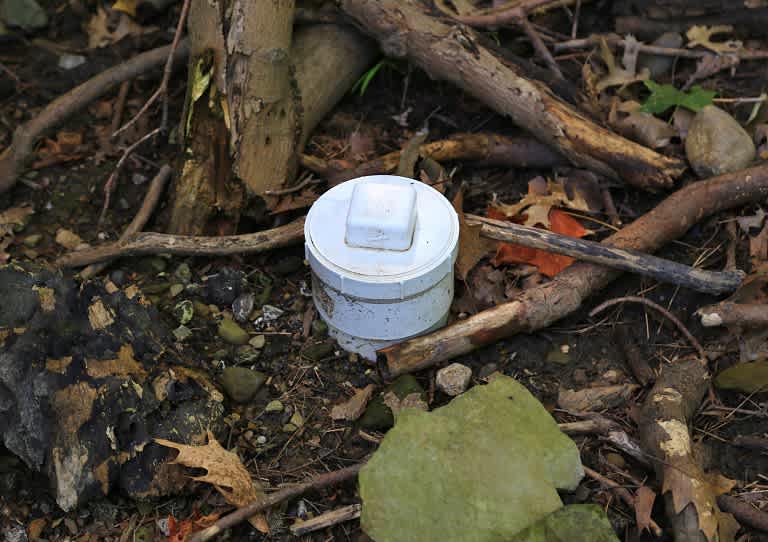
Get transparent sewer line camera inspection cost info. Learn what impacts pricing in Columbus, OH, and how to budget for this essential home maintenance.

Planning a big project in Columbus, OH? Find out how much it costs to get utilities on land. This isn’t a budget-friendly project, so start planning here.
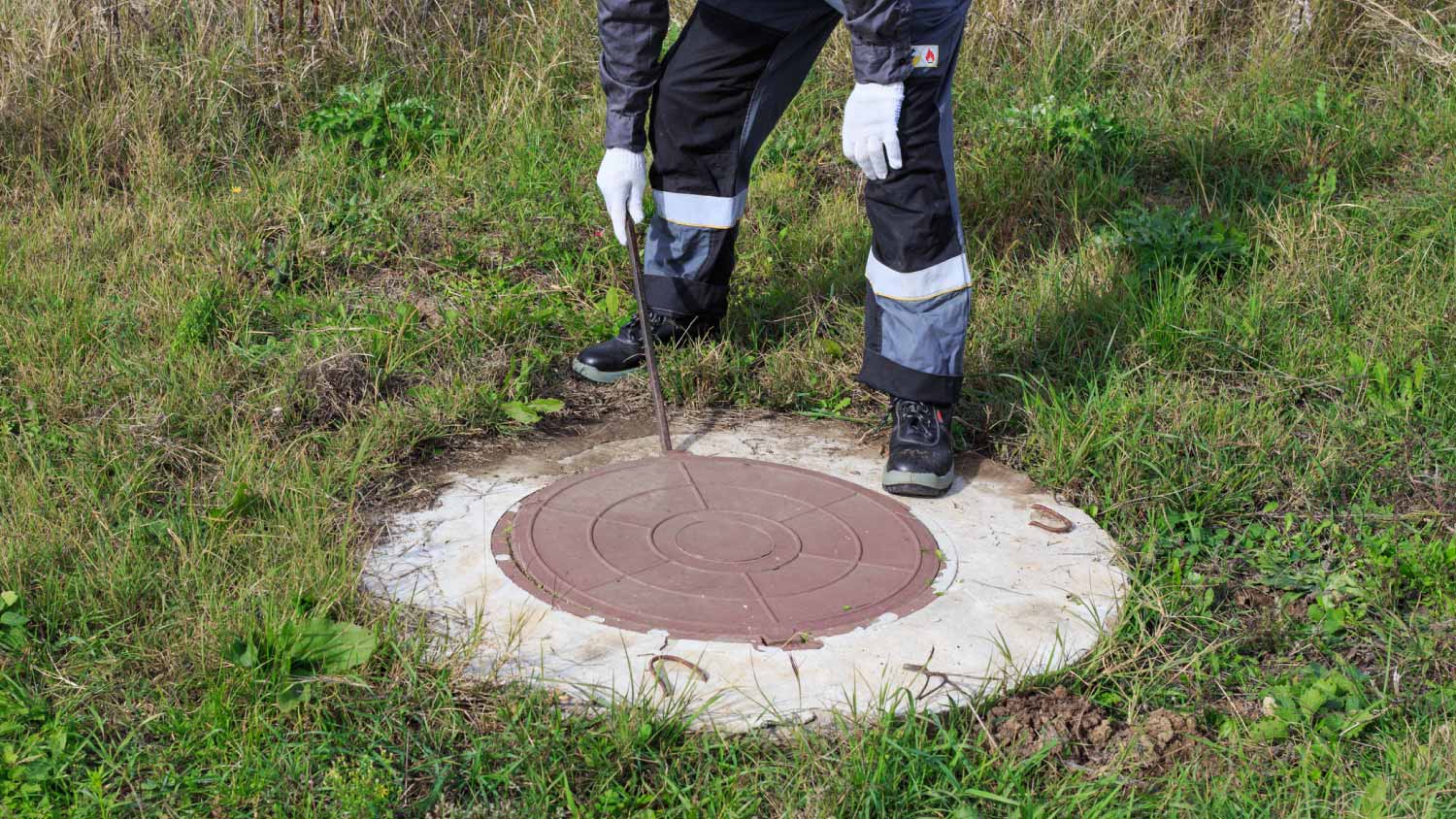
A septic inspection is a vital part of total septic system health. Learn more about what goes into a septic inspection and how often to get one.
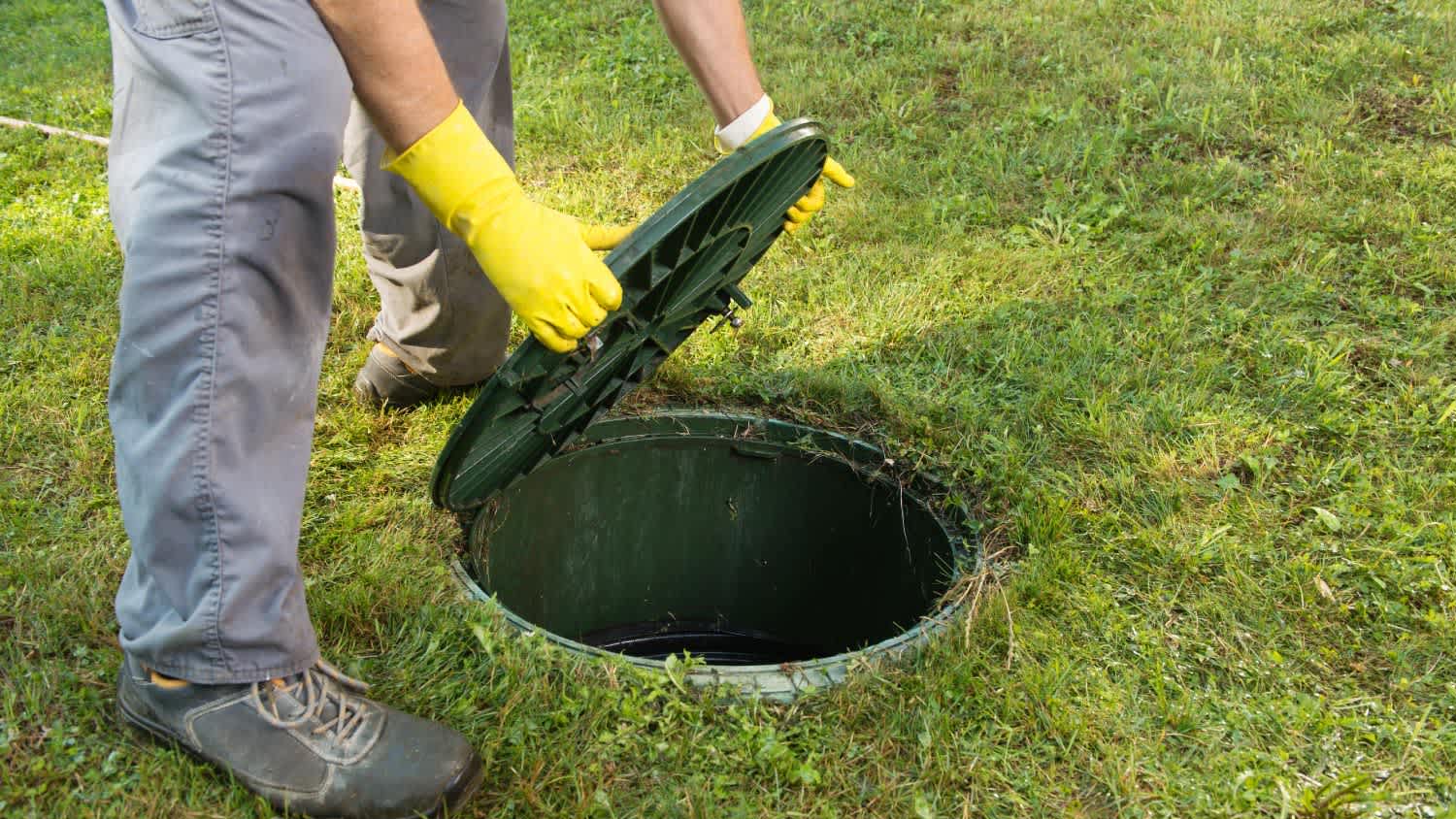
A sewage smell outdoors is not only gross, but it indicates a possible health hazard. Learn how to get rid of the septic smell outside and when to call a pro.

Septic tank replacement costs in Columbus, OH, depend on your system's type and size. Learn what affects your replacement budget and get estimates before you hire a pro.