

The cost to pump a septic tank in Indianapolis, IN, depends on several factors, including tank size, cleaning frequency, and seasonality.
Plumbing costs depend on your project and location. Check with a local pro for your specific job.

Septic inspection costs in Indianapolis, IN, range from $60 to $70 per hour.
The two biggest cost factors are tank size and depth, and the type of inspection.
If repairs are required, the cost in Indianapolis, IN, ranges between $220 and $2,870.
Local septic pros in Indianapolis, IN, are well-versed in the specific issues facing systems in Indiana.
Septic inspection costs in Indianapolis, IN, average $526. Most homeowners pay between $191 and $861 for this routine maintenance. Buildup in the trenches and soil infiltration are common causes of septic system failures in the city. Going through with an inspection sooner rather than later, whether you notice an issue or are due for one, is the best way to address potential problems. Here's what you'll need to budget for when planning your next septic inspection.
Inspection type and tank size will influence the total septic inspection cost in Indianapolis, IN. In terms of size, the larger the tank size and the bigger the depth, the higher the cost will be.

There are several types of septic inspections, each serving a specific purpose. You’ll often see the lowest prices for routine annual inspections, while the highest costs are reserved for detailed inspections and camera inspections that you might need to schedule before purchasing a property.
| Inspection Type | Average Cost |
|---|---|
| Annual inspection | $190–$240 |
| Basic inspection | $240–$385 |
| Detailed inspection | $385–$670 |
| Camera inspection | $240–$860 |
The time since your last septic inspection is another factor to consider. If you conduct inspections once every one to three years and use the same inspector each time, your professional will be able to keep track of changes and more easily determine if something unusual is a worsening problem. Knowledge of your system and its condition over time can speed up the inspection process, meaning labor costs could be lower.
The size of your septic tank and the depth at which it’s buried can also influence the inspection cost. Larger tanks require more time and effort to inspect thoroughly, resulting in higher labor fees. If the inspection company doesn’t include digging to uncover the tank in the cost of the inspection, this could add between $47 and $240 to the overall septic inspection cost, with higher prices often correlating to septic tanks that are buried deeper.
If you’re getting a septic inspection due to suspected problems with your septic system, you’ll probably need a detailed inspection or a camera inspection, which are more expensive than routine inspections. The extent of any issues discovered during the inspection can also lead to septic tank repair costs, which can be anywhere from $220 to $2,870 on top of the inspection fee. The exact price you’ll pay for the repair will depend on the type of issue you’re experiencing.
Septic tank lid repair: $143–$480
Septic baffle repair: $287–$862
Septic filter repair: $190–$287
Septic pump repair: $240–$957
Septic main line repair: $957–$4,020
Septic tank replacement: $480–$2,393
Septic system replacement: $2,870–$19,140
You can expect some of the highest costs if you have a septic system leak, as you’ll often have to pay cleanup fees to prevent contamination of the soil and groundwater. Prices can reach beyond $19,140 for the replacement of the old system and the fines.
According to the Environmental Protection Agency (EPA), you should get a septic inspection done every one to three years, and you should get your tank pumped every three to five years. An annual inspection is a good idea if any of the following apply to your home:
You added on to your home since your tank was installed and are putting more strain on your system
Your septic system is 20 years old or more
You’re experiencing issues with sewage backup
You use a garbage disposal
You notice sewage odors in your yard
Portions of your grass are unusually green or vibrant
Your tank is undersized for your home
You should also schedule a septic inspection if you haven’t had one in the last three years or if you’re purchasing a home with a septic system installed.
Septic tank pros in Indianapolis, IN, charge an average hourly rate between $60 and $70. A pro can easily identify what causes septic tank odor and properly handle any soil-related issues. Should the system need replacement, a pro can help you with the cost to replace a septic tank.
Septic system work isn’t a DIY project because it involves complex underground components and careful assessment of soil conditions, drainage, and system design. Attempting repairs without the proper expertise can damage the system or surrounding property, leading to costly fixes and potential health hazards. There’s also the risk of exposure to harmful waste and gases, as well as the need to follow local regulations for repairs or replacements. A licensed professional has the tools, training, and experience to manage these challenges safely and effectively.
Because septic inspections are routine for proper septic system maintenance, the inspection itself won't positively affect home value. A potential buyer will assume a system has been properly maintained, and if not, then it can negatively affect home value. Whether you plan to sell your home or not, the best way to preserve home value is to follow a proper septic tank inspection schedule.
To help homeowners plan their next project, Angi provides readers with carefully researched cost data and upholds strict editorial standards. We start with national average project costs, which we collect by analyzing competitor information, retailer material costs, and input from professional contractors. We then apply local price index data to calculate location-specific estimates that reflect what homeowners typically pay in their local area. To do that, we use data from the U.S. Bureau of Economic Analysis (BEA), including its Regional Price Parities (RPPs), which measure price differences across cities. This helps us account for differences in labor, materials, and overall cost of living, so estimates in higher- or lower-cost areas better reflect real-world local pricing.
Every estimate undergoes a thorough editorial review to verify accuracy, consistency, and alignment with observed market conditions.
Want to help us improve our cost data? Send us a recent project quote to [email protected]. Quotes and personal information will not be shared publicly.
Exceptional plumbing job. I hired Roto Rooter to in clog my toilet. Chris Mapes was professional and throrough. I highly recommend Chris at Roto Rooter if your looking for a skilled and honest plumber.
This is a GREAT company if you want a quality job, fair and honest pricing. They do excellent work and have always been reasonable in explaining costs and needs related to repair job. I would highly recommend them to anyone needing plumbing help.
 Reasonable Plumbing 1, LLC
The owner of Whoosier Plumbingâ Kyle Fromerâ is an outstanding professional, and I will hire him and his team each and every time I require plumbing expertiseâ they are just that darn great at what they do! Thanks Kyle!!
 WHO'Osier Plumber LLC
Plumbers are expensive so hire the best. Iâ ve used many plumbing services over the last 35 years and Hope has been my very best experience. The Best customer service from making the appointment to the job being finished. Not only are they professional, they clean up after theyâ re done....
 Hope Plumbing, Heating, and Cooling
Highly professional, rapid service. Initial fix seemed to solve problem, but didn't, fortunately they were still in truck and they came back in and did fix the problem. The cost was high for a 5 minute fix, but that is the cost of plumbing repair these days, even for just visit time, so I...
 Mowery Heating Air Conditioning & Plumbing
David studied and diagnosed the problem without delay.He explained the range of work to correct it. He was friendly, polite and worked quickly. I would call Aqueduct Plumbing anytime I need a plumbing service .
 Aqueduct Plumbing
Second time working with Benjamin Franklin. Donny was great. The company does an excellent job communicating with you via email, text, and phone. This isnâ  t a surprise visit when they show up. Turns out hair from the previous owner(s) was what was slowing down the drainage. Ew. Donny...
 Mister Sparky Electric - Indianapolis
The whole situation was great from the phone call to find a plumber who would come as an emergency on a SUnday; I was vey pleased with the service I received and I would highly recommend Hope Plumbing.
 Hope Plumbing, Heating, and Cooling
Jared showed up right on time and made what I considered to be a good assessment of the problem. The equipment to research the job, a scope to examine the interior of the piping system, was temporarily unavailable at Plumbing Doctors, so Jared recommended me to another plumber, which I...
 Plumbing Doctors & Storm Heating & Air
Let me start by saying that Plumb Doctor is an excellent company to work with. Our plumbing need was a estimate and repair that was required based against an inspection report. Our turn-around time to complete this work was very short, and Jenny and John (Plumb Doctor owners), could not have...
From average costs to expert advice, get all the answers you need to get your job done.
The cost to pump a septic tank in Indianapolis, IN, depends on several factors, including tank size, cleaning frequency, and seasonality.

Find out the average septic system repair cost in Indianapolis, IN. Learn what you can expect to pay for local tank fixes and keep your plumbing safe.
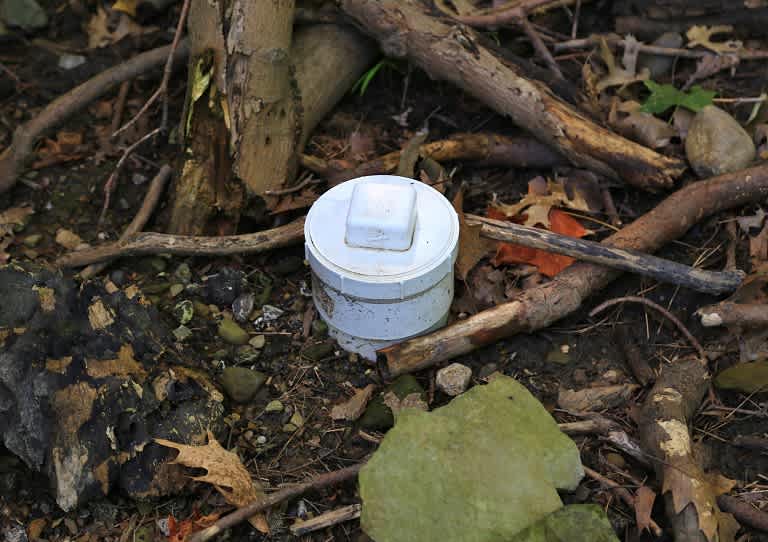
Get transparent sewer line camera inspection cost info. Learn what impacts pricing in Indianapolis, IN, and how to budget for this essential home maintenance.

The Indianapolis Department of Public Works launched the Septic Tank Elimination Program to convert Indianapolis homes with a septic tank to city sewer.

Planning a big project in Indianapolis, IN? Find out how much it costs to get utilities on land. This isn’t a budget-friendly project, so start planning here.
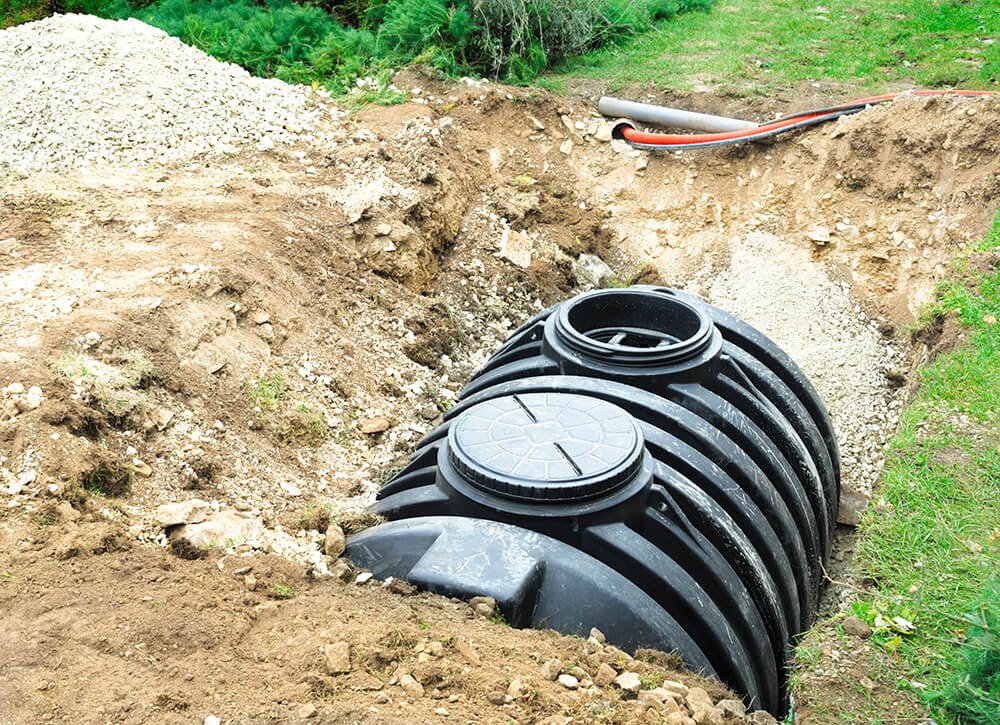
How much does a septic system cost in Indianapolis? This breakdown covers tank size, add-ons, site prep, labor, and more, so you can budget accordingly.