
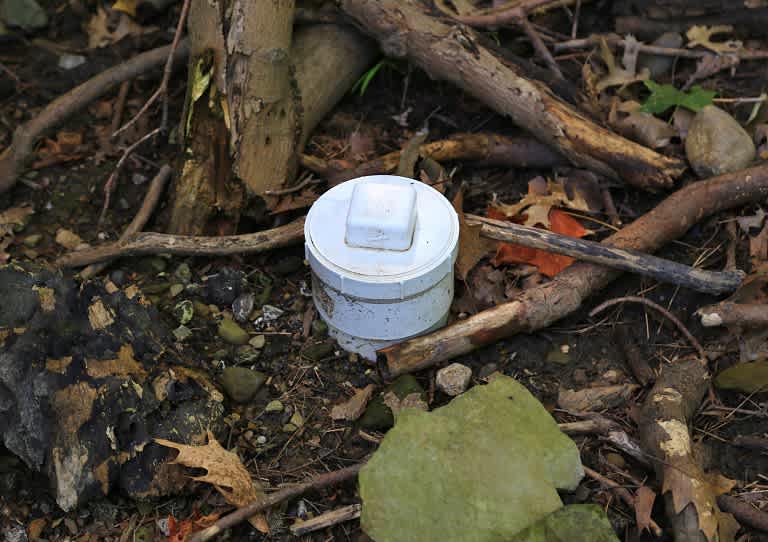
Get transparent sewer line camera inspection cost info. Learn what impacts pricing in Phoenix, AZ, and how to budget for this essential home maintenance.
Plumbing costs depend on your project and location. Check with a local pro for your specific job.

Simple septic inspections in Phoenix, AZ, start around $100, while advanced camera inspections can reach $1,340.
Soil composition and system depth are major factors affecting inspection complexity and pricing in the city’s desert-like climate.
Repairs average $600 to $3,000 if the inspection reveals your septic system needs fixing.
Hiring a licensed septic professional in Phoenix, AZ, helps you meet local environmental regulations and secure optimal system performance.
The average septic inspection cost in Phoenix, AZ, is $568, with most homeowners paying between $207 and $930. While labor costs are broadly in line with the national average, extreme climate conditions or system setups can push pricing up.
Large properties in affluent suburbs like Scottsdale or Cave Creek often have more expansive or complex septic systems, which can increase inspection time and cost. Arizona’s arid conditions and caliche-heavy soils, which feature hard, cemented layers of calcium carbonate, can also make locating and accessing systems more labor-intensive.
Septic inspection costs in Phoenix, AZ, can range from as little as $103 to as much as $1,343, depending on the inspection type, tank size, system depth, accessibility, and overall system condition. In the Phoenix area, hard, compacted desert soils can make excavation and access more difficult than in other regions.
Larger homes, multi-tank systems, or properties with older septic infrastructure also increase inspection complexity. Because systems can be exposed to prolonged high temperatures, they may experience wear that requires more thorough evaluation.

There are several types of septic inspections, each serving a specific purpose. You’ll often see the lowest prices for routine annual inspections, while the highest costs are reserved for detailed inspections and camera inspections that you might need to schedule before purchasing a property.
| Inspection Type | Average Cost |
|---|---|
| Annual inspection | $200–$250 |
| Basic inspection | $250–$400 |
| Detailed inspection | $400–$700 |
| Camera inspection | $250–$900 |
How often you have your septic system inspected is another factor to consider. If you conduct inspections once every one to three years and use the same inspector each time, your professional will be able to keep track of changes and more easily determine if something unusual is a worsening problem. Knowledge of your system and its condition over time can speed up the inspection process, meaning labor costs could be lower.
The size of your septic tank and the depth at which it’s buried can also influence the inspection cost. Larger tanks require more time and effort to inspect thoroughly, resulting in higher labor fees. If the inspection company doesn’t include digging to uncover the tank in the cost of the inspection, this could add between $50 and $250 to the overall septic inspection cost, with higher prices often correlating to septic tanks that are buried deeper.
If you’re getting a septic inspection due to septic tank odor or other suspected problems with your septic system, you’ll probably need a detailed inspection or a camera inspection, which are more expensive than routine inspections. The extent of any issues discovered during the inspection can also lead to septic tank repair costs, which can be anywhere from $230 to $3,000 on top of the inspection fee. The exact price you’ll pay for the repair will depend on the type of issue you’re experiencing.
Septic tank lid repair: $150–$500
Septic baffle repair: $300–$900
Septic filter repair: $200–$300
Septic pump repair: $250–$1,000
Septic main line repair: $1,000–$4,200
Septic tank replacement: $500–$2,500
Septic system replacement: $3,000–$20,000
You can expect some of the highest costs if you have a septic system leak, as you’ll often have to pay cleanup fees to prevent contamination of the soil and groundwater. Prices can reach beyond $20,000 for the replacement of the old system and the fines.
According to the Environmental Protection Agency (EPA), you should get a septic inspection done every one to three years, and you should get your tank pumped every three to five years. An annual inspection is a good idea if any of the following apply to your home:
You added on to your home since your tank was installed and are putting more strain on your system
Your septic system is 20 years old or more
You’re experiencing issues with sewage backup
You use a garbage disposal
You notice sewage odors in your yard
Portions of your grass are unusually green or vibrant
Your tank is undersized for your home
You should also schedule a septic inspection if you haven’t had one in the last three years or if you’re purchasing a home with a septic system installed.
Hiring a septic professional in Phoenix, AZ, is important for both safety and compliance with state regulations governing on-site wastewater systems.
Be aware that central Phoenix and its rapidly growing suburbs have a relatively high cost of living compared to some of the semi-rural surroundings. However, competition among providers in the metro area can help keep pricing from spiraling out of control.
DIY septic inspections aren’t recommended due to serious health risks, including exposure to harmful gases and untreated waste. Professionals use specialized tools to assess sludge levels, identify leaks, and evaluate system efficiency.
A qualified pro will also understand Arizona Department of Environmental Quality (ADEQ) guidelines, helping avoid compliance issues or costly future repairs.
Septic inspection professionals typically charge a flat rate, but, as a guide, labor costs in Phoenix generally range from $50 to $250 per hour.
A straightforward inspection of an easily accessible system in a new suburban development usually takes one to two hours. However, inspections can take three to four hours if the tank is buried deep beneath hard desert soil, the system is old, or there are multiple system components across a large lot.
Routine septic inspections typically don’t require permits in Phoenix, AZ. However, you may need to apply for one if the inspection identifies issues requiring major repairs or system replacement.
On top of the cost of replacing the septic tank or system, permit costs in the Phoenix area generally range from $205 to $1,050, depending on the scope of work. Oversight is typically handled by Maricopa County Environmental Services, with guidance from the Arizona Department of Environmental Quality. Of course, you’ll also have to budget for the cost of replacing the septic tank or the entire system, in addition to these fees.
Your septic professional should manage the application process as part of their service.
Working with a licensed and insured septic professional in Phoenix, AZ, is critical to ensure your inspection meets all state and local county requirements. Hiring an unlicensed contractor can lead to compliance issues, complications during home sales, or avoidable costly repairs down the line.
It’s sensible to budget for regular septic inspections in Phoenix, AZ. While they don’t directly increase property value, routine inspections every one to three years help maintain system health.
This is especially important in Phoenix’s desert climate, where extreme heat can dry out and compact soil, reducing drainage efficiency, and monsoon rains can suddenly saturate drain fields.
If you’re buying a home with a septic system, an inspection provides peace of mind and may even be required by lenders before you close.
To help homeowners plan their next project, Angi provides readers with carefully researched cost data and upholds strict editorial standards. We start with national average project costs, which we collect by analyzing competitor information, retailer material costs, and input from professional contractors. We then apply local price index data to calculate location-specific estimates that reflect what homeowners typically pay in their local area. To do that, we use data from the U.S. Bureau of Economic Analysis (BEA), including its Regional Price Parities (RPPs), which measure price differences across cities. This helps us account for differences in labor, materials, and overall cost of living, so estimates in higher- or lower-cost areas better reflect real-world local pricing.
Every estimate undergoes a thorough editorial review to verify accuracy, consistency, and alignment with observed market conditions.
Want to help us improve our cost data? Send us a recent project quote to [email protected]. Quotes and personal information will not be shared publicly.
As someone who works in the trades, I pay attention to quality—and man was i impressed by Noah. Clean install, solid plumbing work, and no shortcuts. He explained everything and made sure the system was dialed in before leaving. Good local company doing honest work. I’d use them again without...
 HMU Plumbing
I called Zoom Drain for a clogged shower drain that just wouldn’t clear no matter what I tried. They came out the same day, arrived right on time, and were incredibly professional. The tech explained exactly what was causing the problem, fixed it quickly, and even cleaned up the work area...
 Zoom Drain Phoenix
Quick, knowledgeable and affordable. Will use again in the future for all plumbing needs.
 Do It Right Plumbing, Inc.
I recently hired Golden State Plumbing, and I couldn?t be more impressed! From start to finish, the entire experience was smooth and hassle-free. The team was punctual, professional, and extremely knowledgeable. They took the time to explain the issue and the solution, and I felt completely...
 Morgan Family Plumbing LLC
I had plumbing issues that cause damage, didn't know where to start, so glad I found them they were very easy to work with, explained everything they fast and reliable.
 Adams Disaster and Restoration
Two middle-aged plumbers with 30 years of plumbing experience and a truck (I am sure was paid for) filled with all plumbing supplies that could possibly be needed, arrived on time on a Sunday, and fixed my main water line leak using copper pipe that they skillfully soldered for a very fair...
I recently hired Handyman Connection of Phoenix to replace my kitchen and bathroom sink faucets and handle some general plumbing improvements. Abel was punctual, professional, and efficient. They explained the process clearly and ensured everything was functioning perfectly. Their workmanship...
We have an historic office building and Randy did a great job dealing with all the challenges that come with it. He exposed the original brick, replaced the old, galvanized plumbing, rewired/installed two dozen light fixtures and several new outlets, constructed new walls, installed a...
 Handy randy
Mr Schlarp contacted me right away and was on the job the next day. He was very neat, very knowledgeable and went the extra mile to make sure all was good and working. He was friendly and offered recommendations for a future job. I will definitely keep his card within reach for future...
 Water Heaters-Plus
They just do a variety and they can handle remodel plumbing.
 Kitchen and Bath Plumbing
From average costs to expert advice, get all the answers you need to get your job done.
Get transparent sewer line camera inspection cost info. Learn what impacts pricing in Phoenix, AZ, and how to budget for this essential home maintenance.

Find out the average septic system repair cost in Phoenix, AZ. Learn what you can expect to pay for local septic repairs and get your system flowing again.

The cost to pump a septic tank in Phoenix, AZ, depends on several factors, including tank size, cleaning frequency, and seasonality.
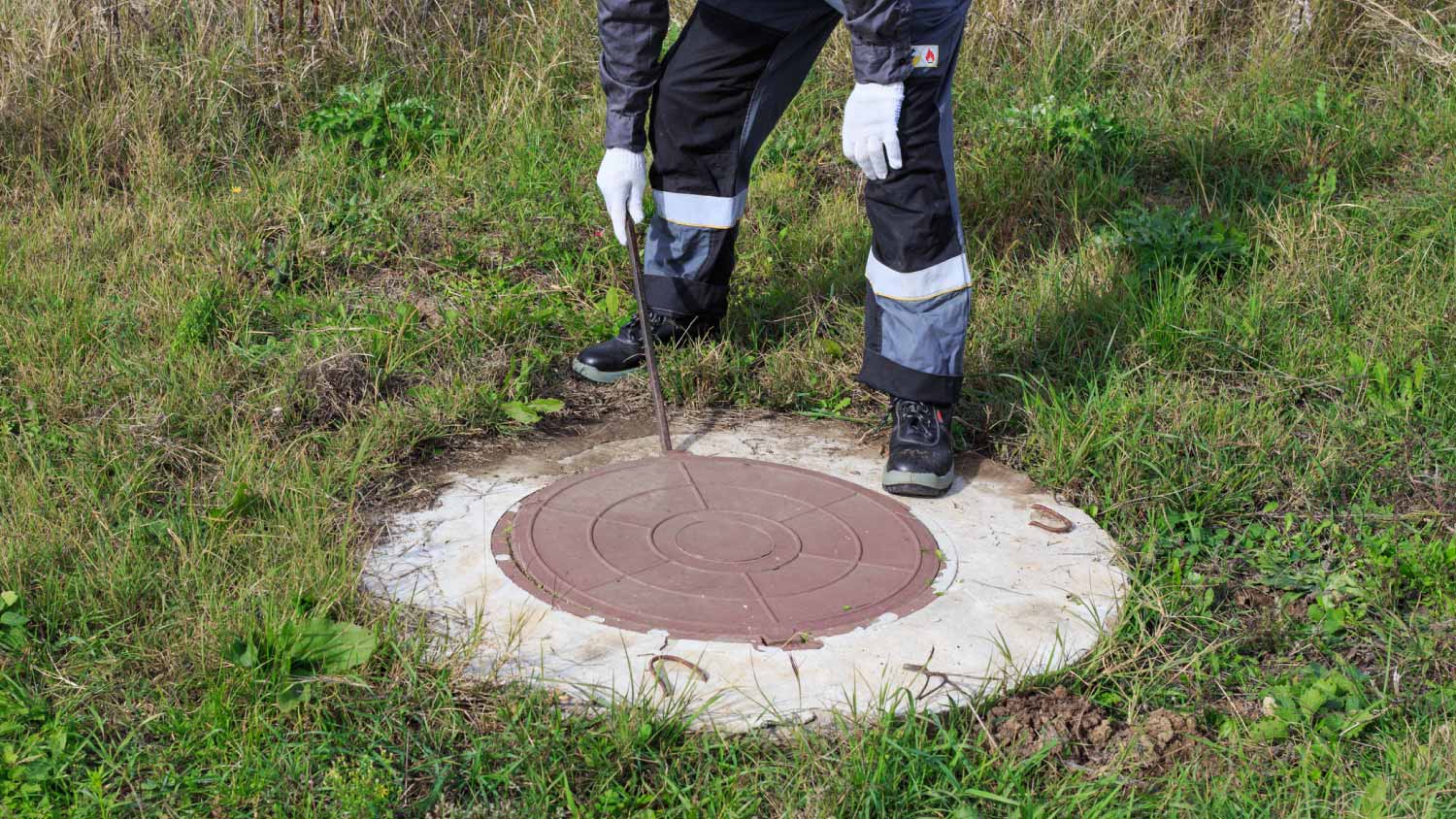
A septic inspection is a vital part of total septic system health. Learn more about what goes into a septic inspection and how often to get one.

Septic tank replacement costs in Phoenix, AZ, depend on your system's type and size. Learn what affects your replacement budget and get estimates before you hire a pro.

Planning a big project in Phoenix, AZ? Find out how much it costs to get utilities on land. This isn’t a budget-friendly project, so start planning here.