

If your air conditioning unit isn’t functioning properly, you might need an AC recharge. Our guide will detail what a typical AC recharge cost in Charlotte, NC looks like.
Heating and air conditioning service costs depend on your project and location. Check with a local pro for your specific job.

The cost to replace a furnace and AC in Charlotte is 3% lower than the national average.
Charlotte’s warmer winters mean you can get by with an 80% or 90% furnace, which is less expensive than high-efficiency models.
Labor rates in Charlotte are lower than the national average, but expect higher rates for AC repair and replacement during the peak of summer.
Hiring a Charlotte, NC HVAC technician ensures that your replacement furnace and AC is replaced efficiently and safely.
On average, the cost to replace a furnace and AC in Charlotte is $7,298, which is roughly 3% lower than the national average. Prices may range from $4,865 to $12,163, depending on the type of HVAC system, unit size, and unit brand.
Charlotte’s mild winters mean you don’t need a super high-efficiency furnace, which helps keep costs down, but the warm and muggy summers may warrant a larger, higher-efficiency AC. Let’s review how to budget for the cost of replacing the furnace and AC in your Charlotte, NC home.
The cost to replace a furnace and AC in Charlotte, NC, depends on several factors, including unit type, size, and brand. Keep in mind that if you require an AC replacement during a heat wave in Charlotte, you may pay premium labor charges.
There are four types of HVAC systems, including split systems, duct-free systems, hybrid systems, and packaged heating and air systems. Split systems—central AC and gas furnace—are the most popular in Charlotte, though heat pumps are popular in more rural areas.
The typical cost ranges for each are:
Split systems: $3,700–$7,300
Duct-free systems: $1,950–$14,100
Hybrid systems: $2,425–$9,700
Packaged heating and air systems: $9,700–$13,600
The square footage of your house will determine what size furnace and air conditioner you need to heat or cool your space efficiently. A local HVAC company can help you determine what size you need exactly by doing a load calculation.
Larger homes in Charlotte may require more powerful ACs with a higher SEER rating. However, the city’s mild winters mean you can get by with an 80% AFUE furnace, though these are becoming increasingly harder to source. Still, you can get by with a lower-efficiency furnace if you’re heating a home in Charlotte.
An HVAC system costs about $4,600 on average, but the brand you buy can change this number. For example, brands like Amana or Coleman tend to come in the lower end of the spectrum at $2,900, while brands Trane and York are often $5,825 or more.
Hiring a Charlotte HVAC pro for the average furnace and AC replacement in Charlotte are roughly $1,450. Labor costs vary depending on the type and size of the unit you’re installing. If you need emergency repair or replacement, particularly during the hot summer months, expect Charlotte HVAC pros to charge a premium, as high demand drives up prices.
Your home value increases after replacing your HVAC by roughly 5% to 7%, which can make upgrading well worth the investment. A modern, energy-efficient AC can be a particularly strong selling point in Charlotte, where summers get hot and muggy.
Even if you’re not planning to move, replacing your HVAC can help lower your energy bills during long cooling seasons. In some cases, however, it might make more financial sense to repair vs. replace your furnace. Consult your local HVAC pro to determine the right timing and type of system based on your project specifics.
To help homeowners plan their next project, Angi provides readers with carefully researched cost data and upholds strict editorial standards. We start with national average project costs, which we collect by analyzing competitor information, retailer material costs, and input from professional contractors. We then apply local price index data to calculate location-specific estimates that reflect what homeowners typically pay in their local area. To do that, we use data from the U.S. Bureau of Economic Analysis (BEA), including its Regional Price Parities (RPPs), which measure price differences across cities. This helps us account for differences in labor, materials, and overall cost of living, so estimates in higher- or lower-cost areas better reflect real-world local pricing.
Every estimate undergoes a thorough editorial review to verify accuracy, consistency, and alignment with observed market conditions.
Want to help us improve our cost data? Send us a recent project quote to [email protected]. Quotes and personal information will not be shared publicly.
A company like no other. That is the best way to describe my experience with McClintock Heating and Cooling. We have been with them for about 4 years now, 2 houses later, 5 units services, 2 units replaced (which were both 20+ years old), they have taken care of us time and time again. We...
 McClintock Heating & Cooling
Avila Plumbing and Heating is top-notch! They fixed our heating system in no time, and their pricing was reasonable. Definitely my go-to company from now on!
 Avila Plumbing And Heating Services
Dillion helped my grandma get her AC back working in the heat of the summer. What we thought was a small repair ended up being a huge concern! Dillion had it done in no time and my grandma gets to sleep cool at night now
I thank you for trying to fix my Air Conditioner, but I need a hold new unit! It just shut down!
 NC HVAC Repair
Chris and his team came out to diagnose my mold issue on my vents and AC blower. Chris was knowledgeable (has over 12 years of experience). They were able to figure out the problem, give me a quote, and treat my duct system in the same day. They were prompt, friendly, and thorough. I had an...
 American Air and Mold Solutions, LLC
Installation of window ac/heating unit; removal of old unit.
 Sal's Contracting, Inc
Richard was great - it’s hard to find a quick, fair and reliable AC company in Wilmington during the summer, and we highly recommend Advanced Air Solutions.
 Advanced Air Solutions, Inc.
This company is very professional I called two other companies they could not fix the problem . I call formula air they came in and assess and fix the problem .Now my air conditioner is fix . II will use this company and recommend it to your friends and family ....Great Work.
 Formula Air HVAC, LLC
The representatives of this company are very professional and efficient, clean and knowledgeable. My inquiries with respect to my air-conditioning system were quickly answered and I subsequently upgraded to their platinum package without a hard sell. I also added an ultraviolet light, which I...
 Our Place Air and Home Repair, LLC
What an all around great experience working with Shane and his crew has been. We reached out to Shane based on a recommendation from a GC we used on a recent large renovation. We have 5 knee-wall attics in our new home and the upstairs A/C simply could not keep up with the 140 degree heat...
From average costs to expert advice, get all the answers you need to get your job done.
If your air conditioning unit isn’t functioning properly, you might need an AC recharge. Our guide will detail what a typical AC recharge cost in Charlotte, NC looks like.
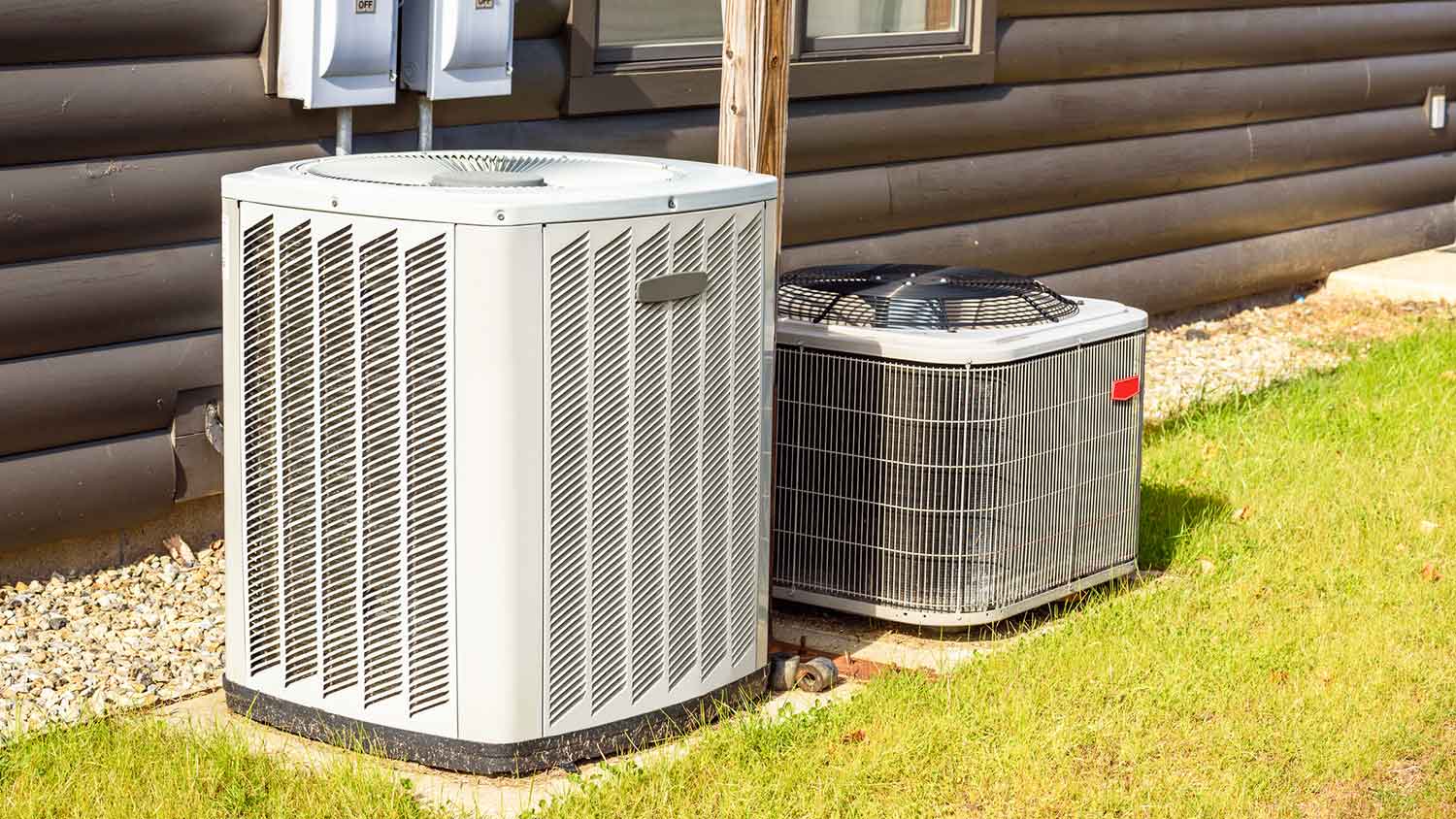
Charlotte is known for hot, humid summers, so homes here need properly working AC. Find out what AC replacement costs in Charlotte, North Carolina with this guide.

The best AC temperature for energy-saving has long been considered 78 degrees Fahrenheit—but the real answer can be a bit more nuanced. Read on to learn more.

Running your air conditioner in the summer is a no-brainer—until you get the bill. Here are nine summer HVAC tips to help you save this summer while staying cool.
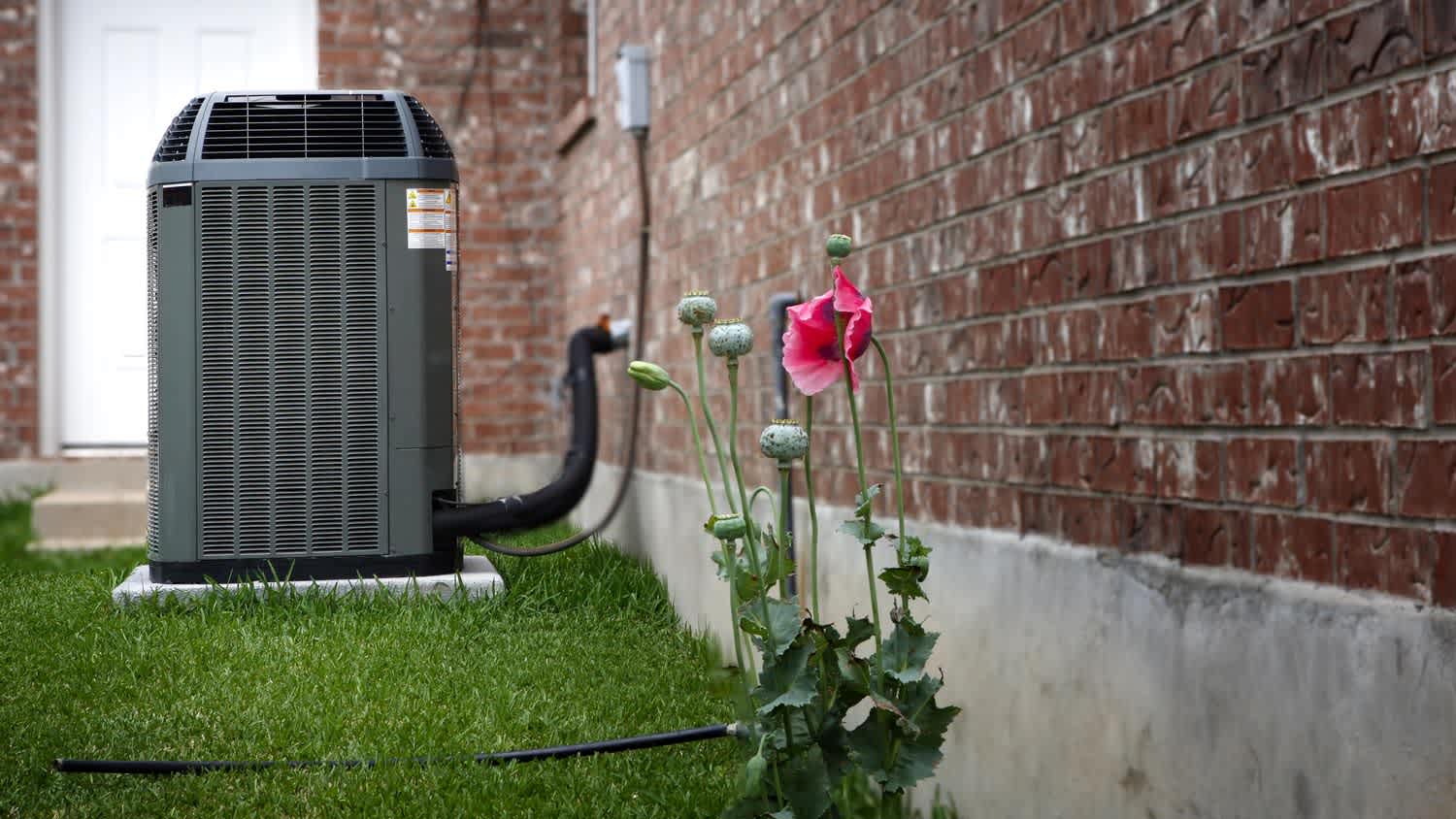
Can you replace just the outside AC unit? That’s a problem most homeowners face when dealing with HVAC issues. Our guide provides answers.