

If your air conditioning unit isn’t functioning properly, you might need an AC recharge. Our guide will detail what a typical AC recharge cost in St Louis, MO looks like.
Heating and air conditioning service costs depend on your project and location. Check with a local pro for your specific job.

Furnace and AC replacement can cost between $3,900 to $14,880 in St. Louis, MO, depending on the system and installation complexity.
Packaged systems tend to be more expensive due to their all-in-one design and installation requirements.
Homes that require more complex installations or modifications often fall toward the higher end of the price range.
In St. Louis, MO, it costs an average of $7,133 to replace a furnace and AC, with most projects ranging from $4,755 to $11,888. Factors like your home’s size and the system type significantly affect how much you’ll pay. Let’s review the other factors that affect the cost of a furnace and AC replacement so you can create an informed budget for this St. Louis, MO, home update.
HVAC replacement costs in St. Louis, MO depend on the type and size of the system. Labor rates and the brand you choose can also affect your final price.
There are four types of HVAC systems, including split systems, duct-free systems, hybrid systems, and packaged heating and air systems. The typical cost ranges for each are:
Split systems: $3,614–$7,133
Duct-free systems: $1,902–$13,790
Hybrid systems: $2,378–$9,510
Packaged heating and air systems: $9,510–$13,314
The square footage of your house will determine what size furnace and air conditioner you need to heat or cool your space efficiently. A local HVAC company can help you determine what size you need exactly by doing a load calculation.
An HVAC system costs about $4,750 on average, but the brand you buy can change this number. For example, brands like Amana or Coleman tend to come in the lower end of the spectrum at $3,000, while brands Trane and York are often $6,000 or more.
Beyond the cost of the HVAC system, your total price when hiring a St. Louis HVAC pro will also include labor rates and permit fees. In St. Louis, MO labor costs can vary based on the age and layout of the home. Many properties in the area have basements and existing ductwork, which can simplify installations compared to homes that need full retrofits. However, older systems and tight mechanical spaces can still add time, complexity, and cost to the project.
HVAC replacements in St. Louis generally require permits, especially for full system installs and changes involving gas lines, electrical components, or ductwork. Permits help ensure the work meets local safety and building codes. Contractors typically pull permits on your behalf, but the cost is passed along to you as part of the project.
Contractors in St. Louis need to be licensed and insured. General liability insurance and workers’ compensation are standard and protect both you and the crew in case unexpected problems occur during installation. The cost for pros to maintain these requirements contributes to their overall pricing, but it helps ensure the work is completed safely and professionally.
In St. Louis, sales tax on HVAC materials and equipment is typically around 9.7%, though rates can be higher in certain areas depending on local districts. Labor is generally not taxed when it’s part of an installation project. Check your estimate to make sure you’re only paying tax on materials and not on labor.
Yes, installing a new HVAC system can increase your St. Louis home’s value between 5% and 7%, with an overall return on investment (ROI) of about 30%. Replacing your AC and furnace can improve your home’s value, but the biggest benefit is increased buyer appeal rather than a full return on investment. In St. Louis, where many homes rely on older systems, a new setup can make your home more attractive to buyers and reduce concerns during inspections.
To help homeowners plan their next project, Angi provides readers with carefully researched cost data and upholds strict editorial standards. We start with national average project costs, which we collect by analyzing competitor information, retailer material costs, and input from professional contractors. We then apply local price index data to calculate location-specific estimates that reflect what homeowners typically pay in their local area. To do that, we use data from the U.S. Bureau of Economic Analysis (BEA), including its Regional Price Parities (RPPs), which measure price differences across cities. This helps us account for differences in labor, materials, and overall cost of living, so estimates in higher- or lower-cost areas better reflect real-world local pricing.
Every estimate undergoes a thorough editorial review to verify accuracy, consistency, and alignment with observed market conditions.
Want to help us improve our cost data? Send us a recent project quote to [email protected]. Quotes and personal information will not be shared publicly.
I have a vacation home in the area and came to visit showed up with no air. Airbear came to my recuse and had me up and running within 24 hours. From the first call to the new install I was impressed with how great these guys were. 10 stars of if I could!
 Air Bear Heating and Cooling STL
Generational TradesMan helped me fixed my condensing unit and furnace!! The prices were fair, and the team was very knowledgeable and respectful to my things
 Generational Tradesman LLC
Got the job done right and saved us from a possible major heating/cooling issue before it got bad, so grateful for the kind professionals handling our problem so efficiently and properly!
 Citi-Link Heating and Cooling
I recently had a positive experience with Dunn Service regarding boiler issues, and I wanted to share my thoughts. The technician arrived promptly at the scheduled time and approached their tasks with expertise and precision, ensuring that all problems were thoroughly addressed. The pricing...
 Dunn Heating Air Conditioning and Plumbing
Daren was amazing! Iâ ve hired other companies to do work on my heating & cooling systems and they charge an arm and a leg to just show up. Finley was reasonable priced and was able to get up system up and running way faster than the big companies I hired previously! If you live in a condo...
Terrible, heating and cooling system never fully functioned.
I didn't end up using Vasill, but wanted to leave a review anyway, because even though I went with another company, it was a very tough decision. Henry was very thorough, responsive, and friendly. He submitted a reasonable bid which came to me within a day or two. If anything falls through...
Service check and routine maintenance air-conditioning. This went great. Ryan explained what he was doing, was punctual and professional.
 Air Comfort Service Inc
The company delayed their work 4 months (from December to March); asked us to move air conditioning units to accommodate their work, which we did; took our ~$10,000 deposit, and then closed. They did not do the work or return our ~$10,000 deposit.
 The Foundation Doctor
Highly recommend this company! They were affordable, friendly, and quick cleaning all our air vents, registers, and dryer vent. They even offered recommendations to help us maintain the cleanliness and avoid future repairs / mold issues. Would absolutely recommend them to friends and hire...
 Midwest Carpet and Duct Cleaning
From average costs to expert advice, get all the answers you need to get your job done.
If your air conditioning unit isn’t functioning properly, you might need an AC recharge. Our guide will detail what a typical AC recharge cost in St Louis, MO looks like.
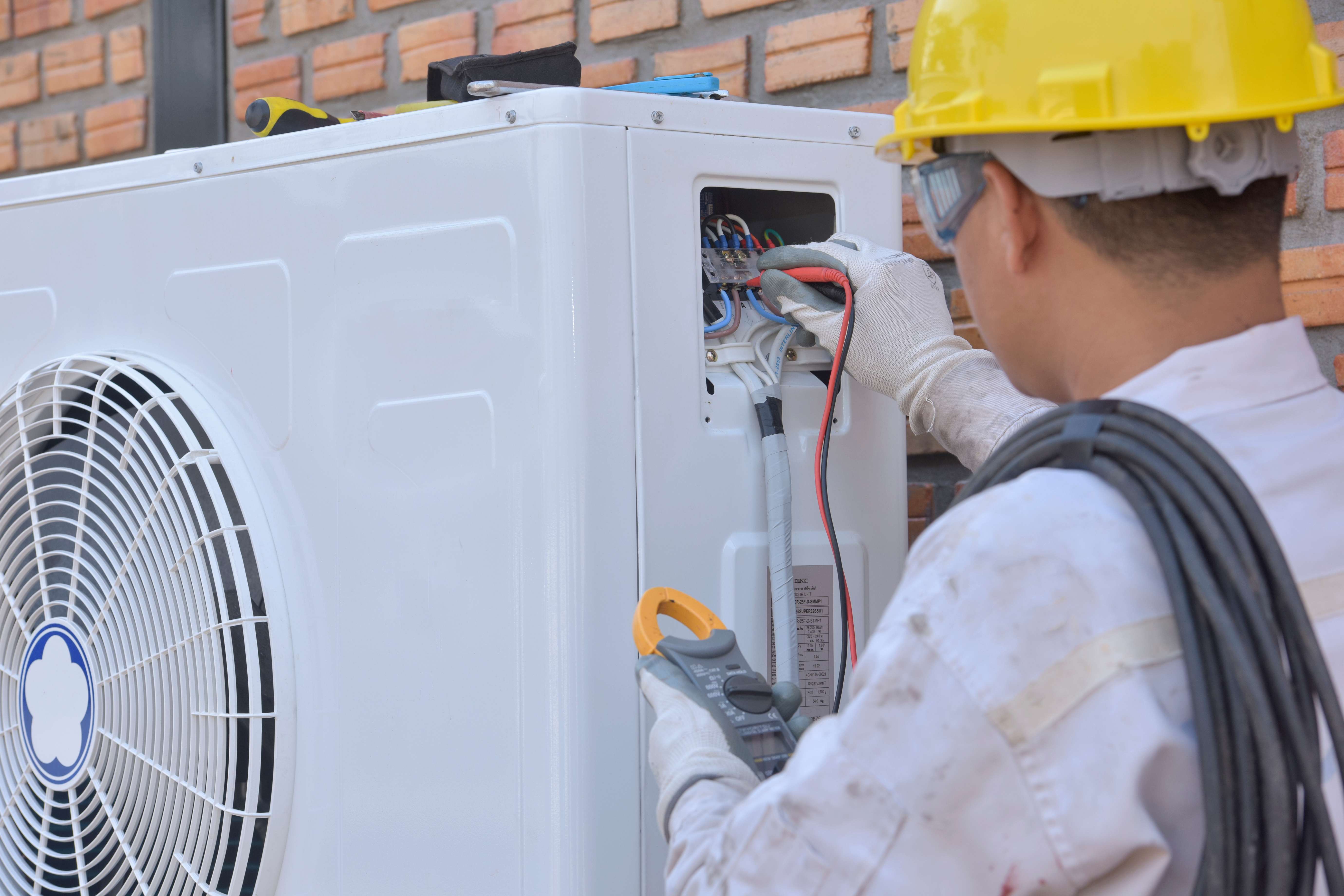
St. Louis residents rely on functioning AC to stay cool. Find out what AC replacement costs in St. Louis, Missouri, in this guide.
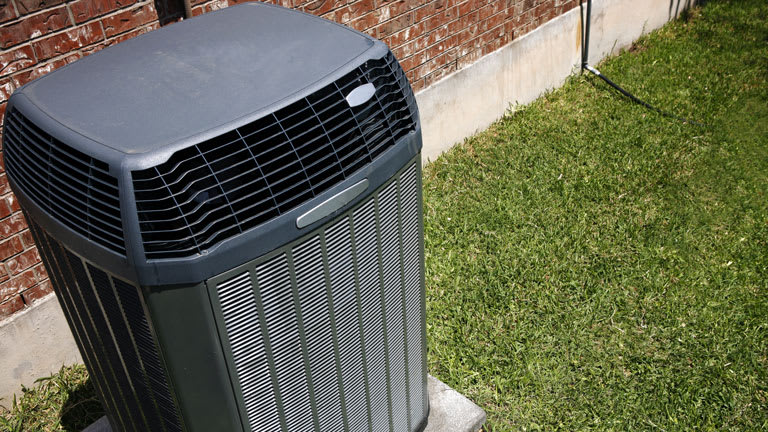
The cost to add R-410A refrigerant and recharge your home’s air conditioner depends on many factors, such as your location in St. Louis, MO and the cause of the leak.

The best AC temperature for energy-saving has long been considered 78 degrees Fahrenheit—but the real answer can be a bit more nuanced. Read on to learn more.

Running your air conditioner in the summer is a no-brainer—until you get the bill. Here are nine summer HVAC tips to help you save this summer while staying cool.
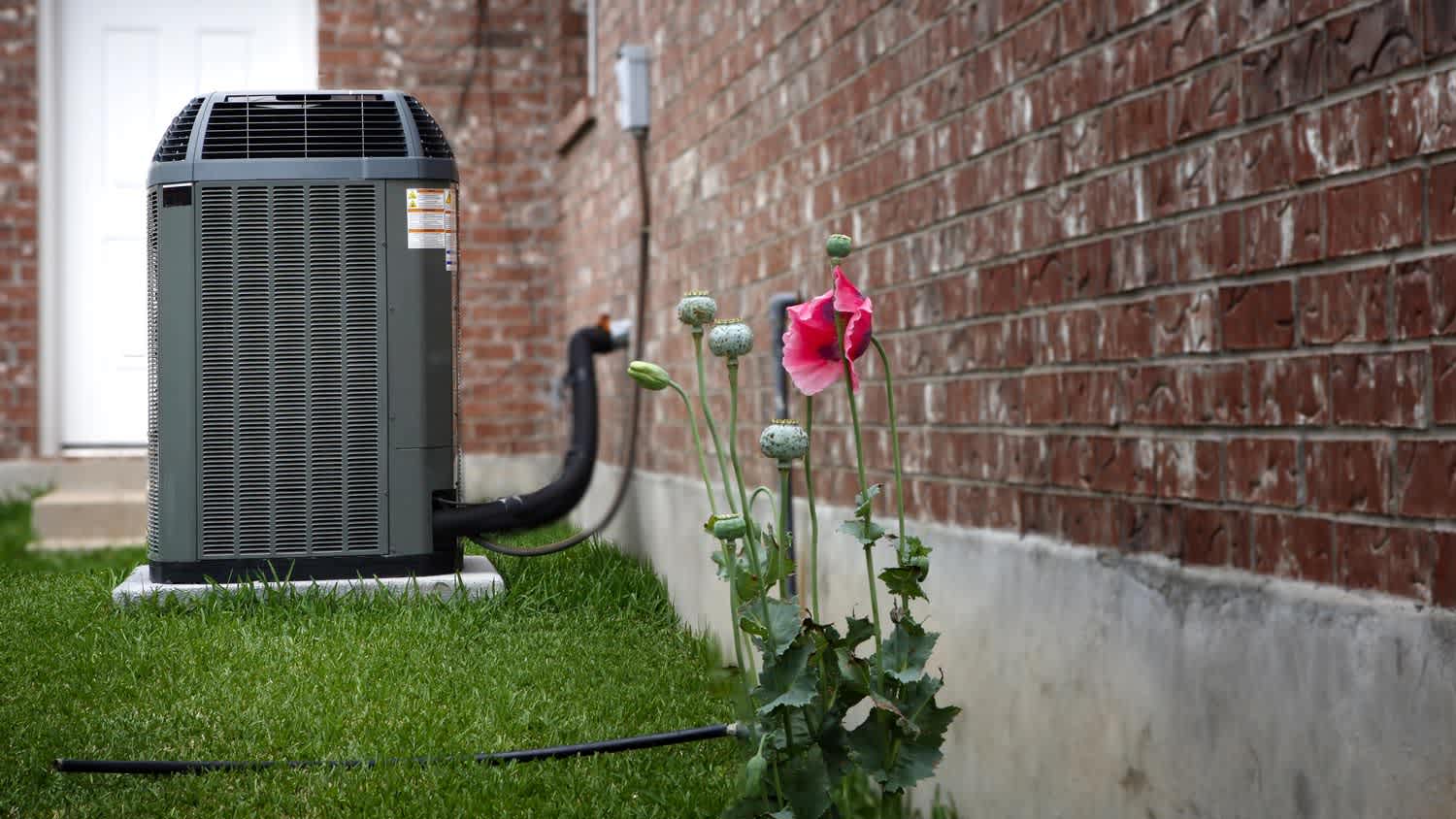
Can you replace just the outside AC unit? That’s a problem most homeowners face when dealing with HVAC issues. Our guide provides answers.