
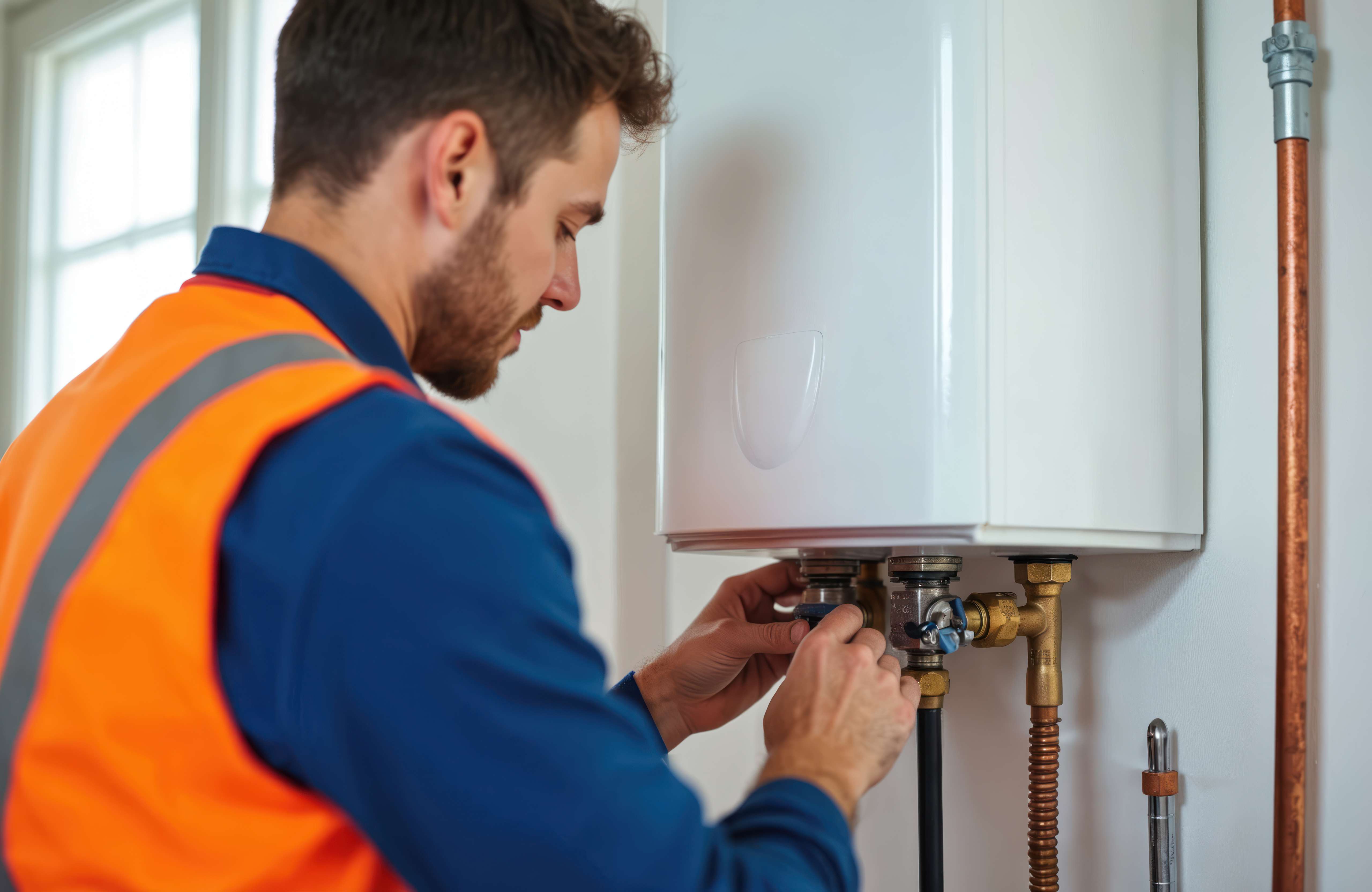
HVAC replacement costs in Denver, CO, depend on factors like unit type, size, and labor. See what you can expect to pay for HVAC replacement here.
Heating and air conditioning service costs depend on your project and location. Check with a local pro for your specific job.

Replacing a furnace and AC in Denver, CO costs nearly 6% more than the national average.
Denver’s high altitude requires a higher-efficiency HVAC system, such as split systems.
Hiring a Denver, CO HVAC company to replace your furnace or AC will cost around $1,600 for labor.
It’s best to hire a Denver, CO HVAC pro to ensure the type and size system you install is the right fir for your home’s needs.
Furnace and AC replacement costs in Denver are 6% higher than the national average, meaning the average Denver homeowner spends $7,935 to replace the HVAC system. Prices can run from $5,290 to $13,225, depending on factors like system type and size.
Denver’s higher altitude and extreme temperatures means homeowners should budget for higher-efficiency HVAC systems. Let’s review how to budget for the cost of replacing a furnace and AC in your Denver, CO home.
Several factors influence furnace and AC replacement costs in Denver, CO, including system type and size. Consult your local HVAC technician to get an accurate estimate based on your project’s specific details.
There are four types of HVAC systems, including split systems, duct-free systems, hybrid systems, and packaged heating and air systems. The typical cost ranges for each are:
Split systems: $4,025–$7,925
Duct-free systems: $2,125–$15,300
Hybrid systems: $2,650–$10,600
Packaged heating and air systems: $10,600–$14,800
The square footage of your house will determine what size furnace and air conditioner you need to heat or cool your space efficiently. A local HVAC company can help you determine what size you need exactly by doing a load calculation.
An HVAC system costs about $5,025 on average, but the brand you buy can change this number. For example, brands like Amana or Coleman tend to come in the lower end of the spectrum at $3,175, while brands Trane and York are often $6,350 or more.
A new major cost factor specific to Denver is the passing of House Bill 23-1161, which set new Ultra-Low NOx (nitrogen oxide) emissions standards in the state of Colorado. This new regulation will lead to higher equipment and installation costs in the long run, because it requires more specialized units and more specialized installation knowledge. The new Ultra-Low NOx emission standards that went into effect on Jan. 1, 2026 is expected to increase labor and material costs.
Hiring a Denver HVAC company to replace your furnace or AC costs around $1,600 in labor alone, but those costs can vary depending on the type of unit, time of year, and other factors. As the new Ultra-Low NOx (nitrogen oxide) emissions standards take effect, expect both labor and material costs to begin to rise. Get multiple quotes from local HVAC companies to find the right pro for your project budget and timeline.
You can expect a new HVAC system to increase your home’s value by 5% to 7%. In Denver, upgrading to a higher-efficiency system that meets the newest emissions regulations could be a huge selling point when selling your home. This investment also reduces your cooling and heating costs in Denver’s hot summers and cold winters, which could be well worth the investment, even if you don’t plan to sell.
To help homeowners plan their next project, Angi provides readers with carefully researched cost data and upholds strict editorial standards. We start with national average project costs, which we collect by analyzing competitor information, retailer material costs, and input from professional contractors. We then apply local price index data to calculate location-specific estimates that reflect what homeowners typically pay in their local area. To do that, we use data from the U.S. Bureau of Economic Analysis (BEA), including its Regional Price Parities (RPPs), which measure price differences across cities. This helps us account for differences in labor, materials, and overall cost of living, so estimates in higher- or lower-cost areas better reflect real-world local pricing.
Every estimate undergoes a thorough editorial review to verify accuracy, consistency, and alignment with observed market conditions.
Want to help us improve our cost data? Send us a recent project quote to [email protected]. Quotes and personal information will not be shared publicly.
M&H Air helped upgrade Gas furnace/ Forced air heating system, by adding new ducts and vents in basement to help create more comfortable living space. Also has provided great preventive maintenance service to my Heating and A/C system!
 M & H Air, LLC
⭐️⭐️⭐️⭐️⭐️ I had an amazing experience with High Altitude Heating and Air Conditioning, LLC! Our technician, Bryson, was absolutely fantastic. He arrived right on time, was extremely professional, and quickly diagnosed and fixed the issue. Within no time, my house went from unbearably hot to...
 High Altitude Heating & Air Conditioning LLC
This was my first time using this company- they not only checked my air conditioning system but found another leak that they are going to help take care of very quickly
 Applewood Plumbing, Heating & Electric
I'm amazed by the professionalism and expertise of this air conditioning service. Their thorough cleaning of my duct vents has made a noticeable difference in the air quality of my home. Highly recommend!
 Safe House
Not only did the crew of Behold, Tristan and Kendrick, install a new furnace, but they also installed the Air Conditioning unit, all in one day! They were professional, thorough, friendly and diligent workers. Would hire them any time.
 Behold Heating & Cooling Services
I have actually hired A Family Friend on multiple occasions for heating/furnace and AC and they have always been fabulous! Cory is great at communication, very reliable, trustworthy and fairly priced! Would highly recommend!
 A Family Friend Heating and Cooling LLC
I loved the quality of their work. Bothe my air conditioner and furnace was replaced. They were very reliable and easy to work with. I was extremely satisfied.
 Foundations Mechanical Services
We purchased our Furnace/Air conditioning unit combo in 3/2022 by Mountain Breeze Heating & Air, Inc. and we could not have been more satisfied and extremely happy with our decision. First off, the astonishing prices they offer, to the friendliness and knowledgeable customer service...
 Mountain Breeze Heating & Air, Inc.
Tri Peaks Air was very quick to respond and got my heater back up and running. Very professional. They are now my go to. Highly recommend!
 Tri Peaks Air
I highly recommend 303 Heating & Air. Tom showed up first thing the morning after I requested a quote. He told me exactly what was wrong, explained things to look out for in the future and didn't try to upsell me to buy a new furnace like others did without even looking at it. He was back...
 303 Heating & Air, Inc.
From average costs to expert advice, get all the answers you need to get your job done.
HVAC replacement costs in Denver, CO, depend on factors like unit type, size, and labor. See what you can expect to pay for HVAC replacement here.
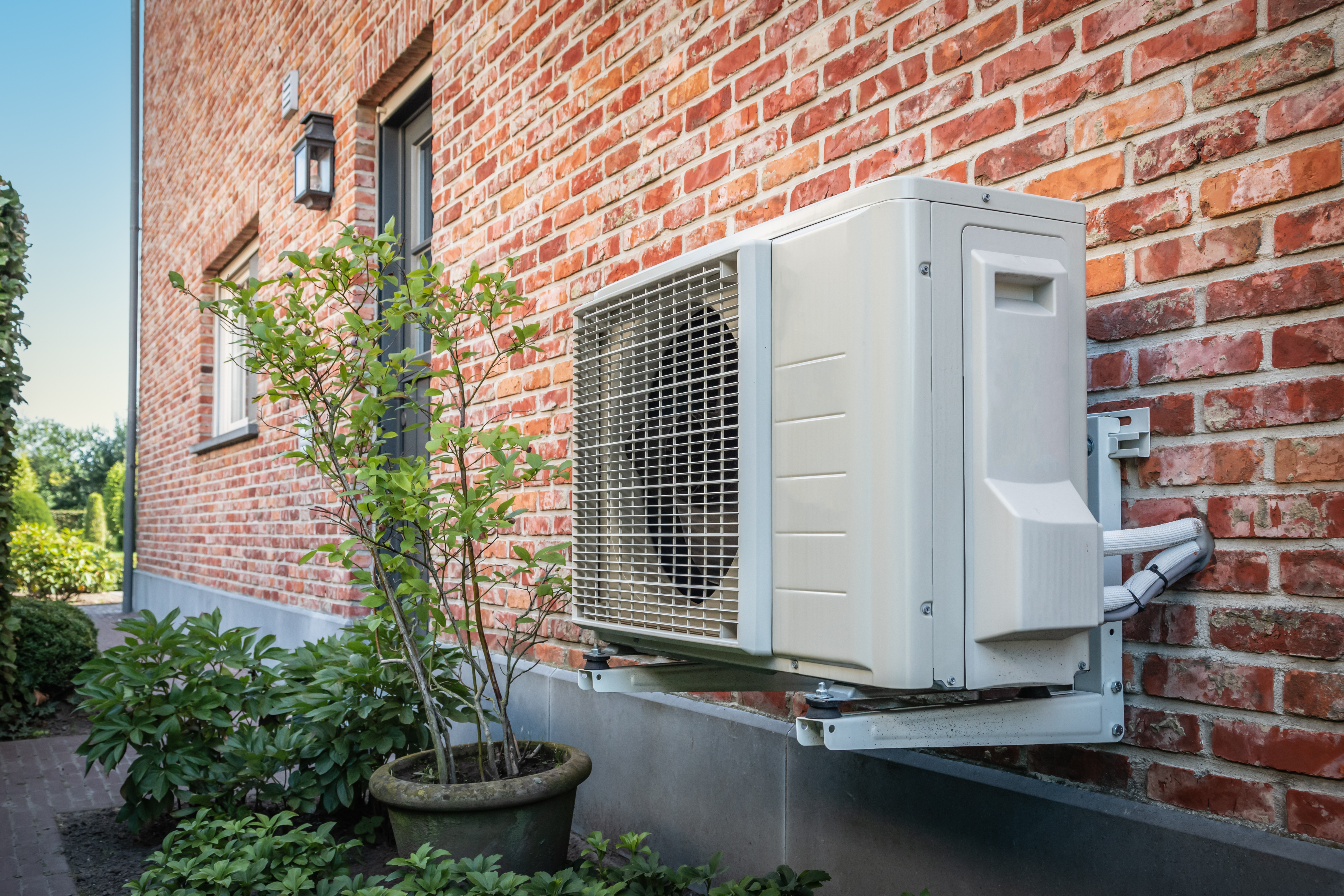
With hot, dry, and smoky summers, Denver needs AC to stay cool and maintain good indoor air quality. Find out AC replacement costs in Denver, Colorado, here.
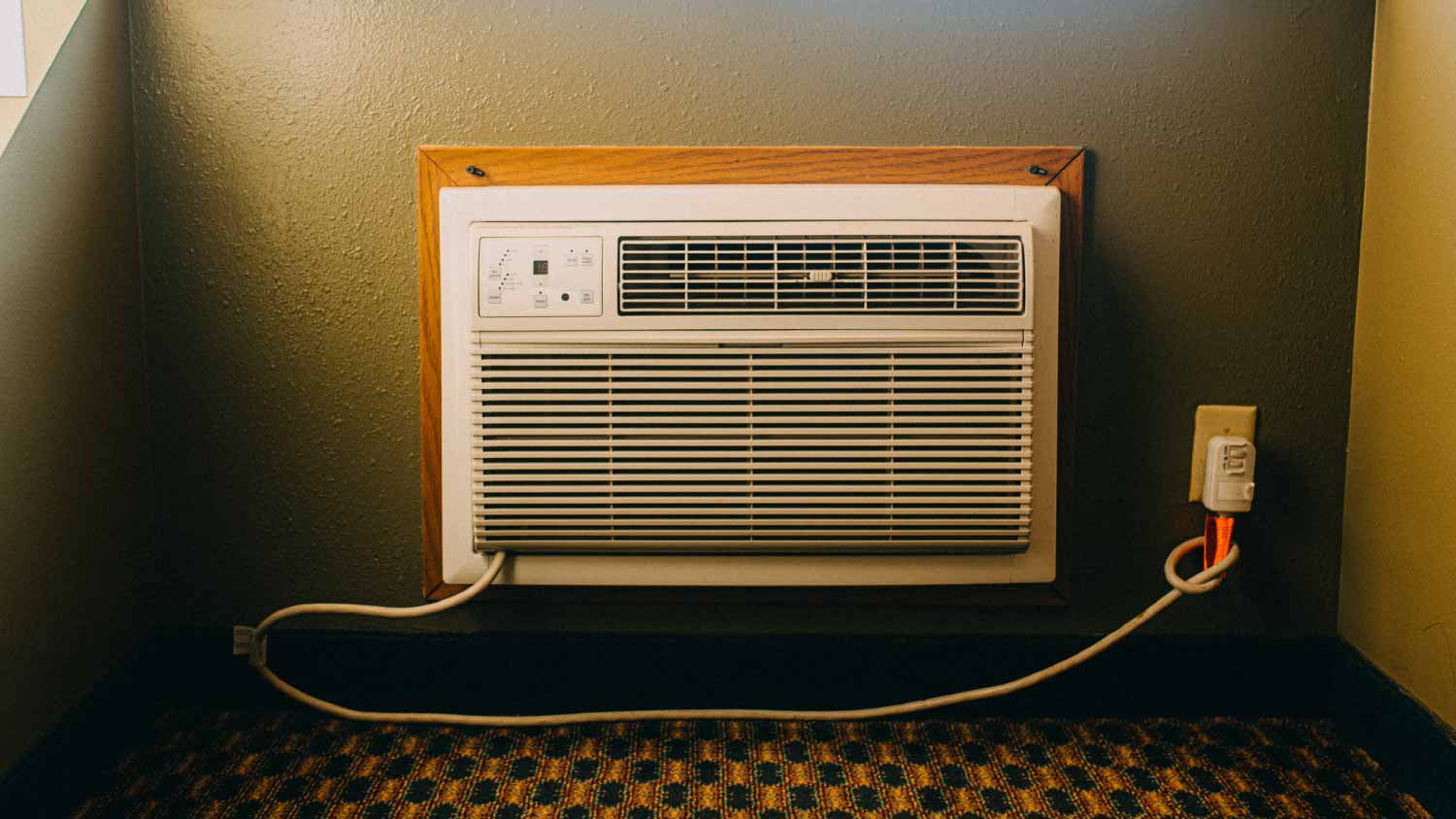
Find out the average window AC unit repair cost in Denver, CO. Learn what you can expect to pay for local cooling system fixes and restore your comfort.

The best AC temperature for energy-saving has long been considered 78 degrees Fahrenheit—but the real answer can be a bit more nuanced. Read on to learn more.

Running your air conditioner in the summer is a no-brainer—until you get the bill. Here are nine summer HVAC tips to help you save this summer while staying cool.
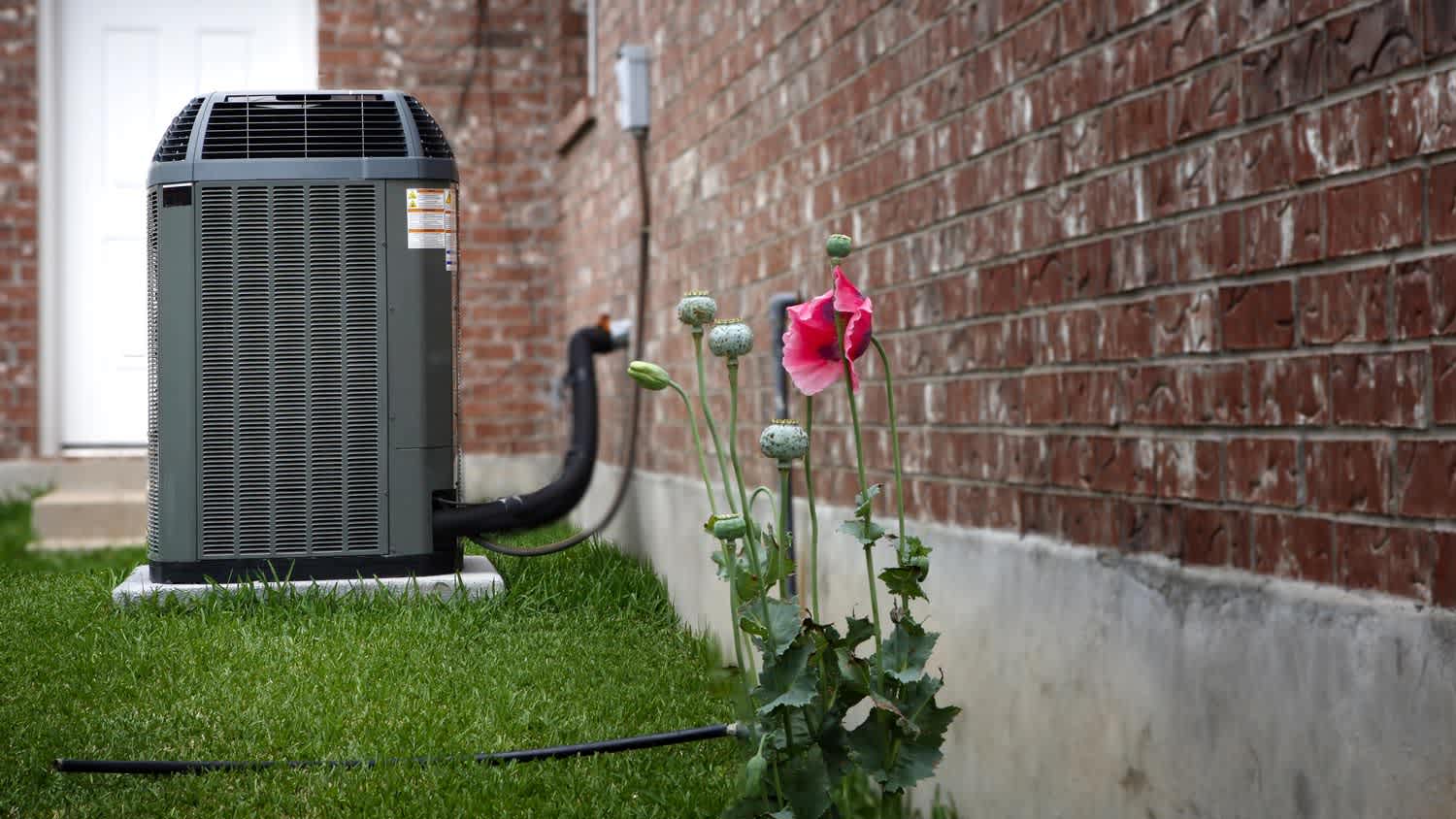
Can you replace just the outside AC unit? That’s a problem most homeowners face when dealing with HVAC issues. Our guide provides answers.