
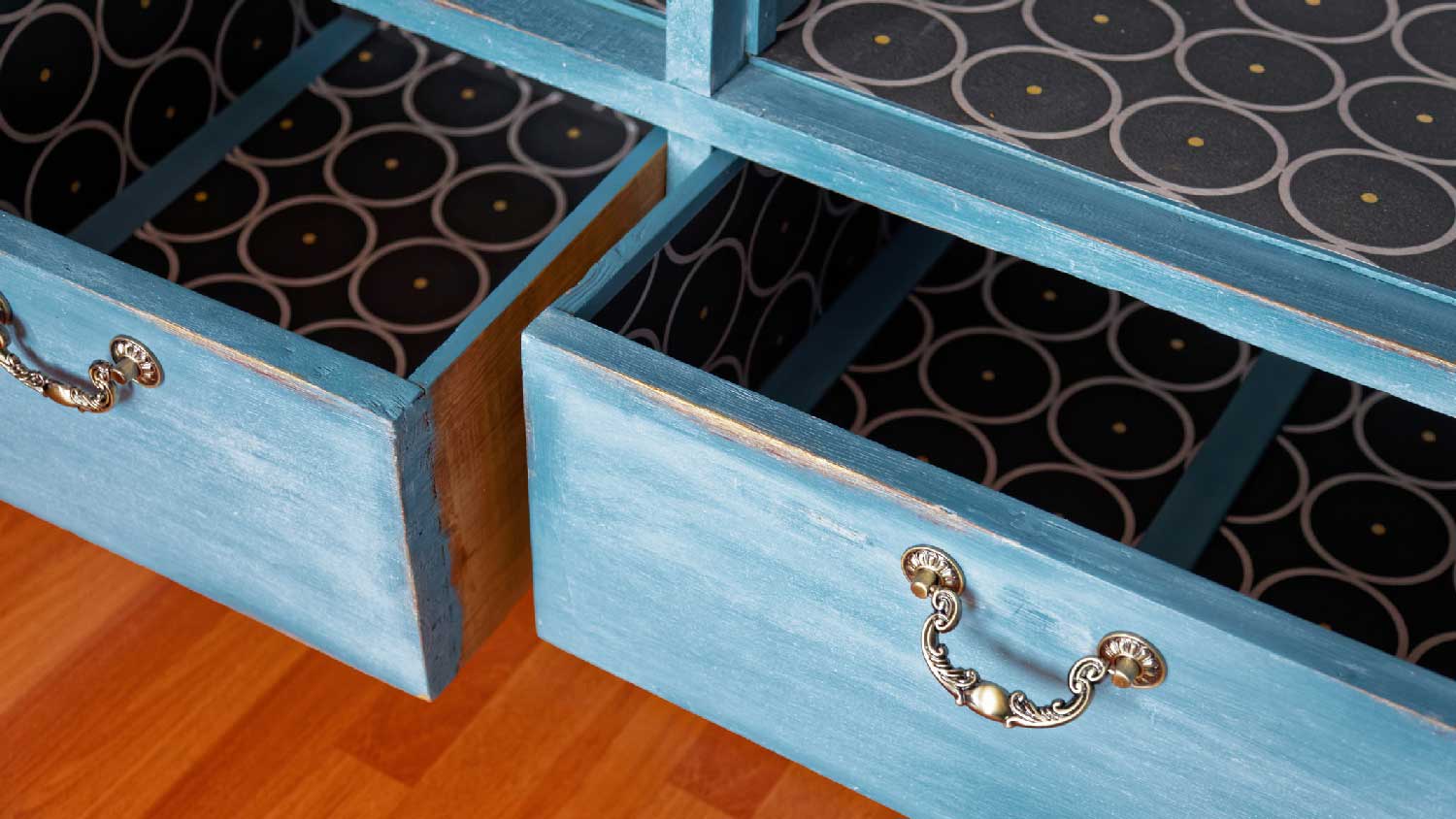
Need to remove old, chipping, or flaking paint before refreshing? Learn about paint removal costs in this guide to see how much you should budget.
Tell those layers of paint to make way for a fresh canvas

Sandblaster paint removal uses high-speed abrasive materials like aluminum oxide or glass beads to strip multiple paint layers from your surfaces quickly and efficiently.
Your project requires specialized equipment including a sandblasting unit, air compressor, protective gear, and containment materials to safely remove paint from metal, wood, or concrete.
You need proper personal protective equipment and adequate ventilation when sandblasting, as inhaling abrasive media and paint particles poses serious respiratory and hearing hazards.
Hiring a local sandblasting service professional keeps you safe and handles the specialized equipment, ensuring your paint removal project stays efficient without surface damage.
Paint removal can feel nearly impossible, especially when dealing with multiple layers of old coatings. Amidst an arsenal of paint-removing methods, one removal technique reigns supreme—sandblasting. Here, we share what sandblasting paint removal is, how it works, its advantages, and considerations for safety and efficiency.

Sandblasting, also referred to as abrasive blasting or media blasting, is a mechanical process that entails the high-speed projection of abrasive materials onto a surface to remove paint. Compressed air or water typically drives this method, generating a potent and concentrated stream that breaks the bond between the paint and the underlying surface. The result is a clean surface ready for repainting.
When undertaking sandblasting paint removal, it is crucial to prioritize health and safety. This is not a job to DIY unless you have previous sandblasting experience. A local sandblasting specialist has the skills, experience, and equipment needed to perform this task safely. If you have sandblasted before and are confident you can handle the job, here are some safety tips you must follow:
Personal protective equipment (PPE): Wear appropriate PPE, including a respirator, face shield, protective clothing, gloves, and work boots to shield your skin, eyes, and lungs from abrasive material and potential ricochets.
Ventilation: Ensure adequate ventilation in the work area to disperse dust and fumes using exhaust systems or air filtration equipment.
Hearing protection: Sandblasting can be noisy, so wear hearing protection, such as earplugs or earmuffs, to prevent hearing damage.
Training and expertise: Obtain proper training in sandblasting techniques and equipment operation before attempting paint removal projects.
Blasting media: Be aware that inhaling abrasive media is dangerous—use silica-free or low-silica abrasives whenever possible.
Containment: Use proper containment measures, such as tarps or enclosures, to prevent abrasive media and paint particles from spreading beyond the work area and polluting the air.
Environmental considerations: Contact local waste management to dispose of abrasive media and waste paint materials responsibly to minimize environmental impact.

To effectively sandblast paint from surfaces, you'll need the following equipment. The cost to rent sandblasting equipment varies based on location and project needs.
Sandblasting unit or cabinet: Depending on the scale and type of project, you can choose between portable sandblasting units, which are handheld and suitable for smaller tasks, or larger stationary cabinets for more extensive or controlled work.
Containment materials: Use tarps or enclosures to create a containment area that prevents abrasive media and paint particles from spreading beyond the work area if a unit or cabinet is too small for your project.
Abrasive media: Common options include aluminum oxide, glass beads, and walnut shells—remember to choose the media that best suits the surface type and the type of paint or coating you need to remove.
Air compressor: You'll require a compressed air source to propel the abrasive media—ensure the compressor can deliver the necessary air pressure and volume for your sandblasting equipment.
Dust collector: For larger projects or when dust containment is critical, a collector can capture and filter abrasive and paint dust, maintaining a cleaner and safer workspace.
Sandblasting is incredibly efficient at removing paint, even from irregular or intricate surfaces. It can quickly strip multiple layers of paint in a single pass, saving time and effort. This method suits various surfaces, including metal, wood, concrete, and masonry. It is also suitable for multiple paint types, including latex, oil-based, and epoxy. Lastly, sandblasting removes paint and prepares the surface for new coatings or finishes. It creates a clean, textured surface that enhances paint adhesion and durability.
While sandblasting paint removal offers numerous benefits, it has disadvantages and limitations.
Surface damage: Sandblasting can alter the surface profile, which may not be suitable for applications requiring a smooth finish. The project may necessitate additional surface refinishing.
Dust and debris: Sandblasting generates significant dust and debris, which can be harmful if inhaled. Proper ventilation and PPE are essential to mitigate these risks.
Environmental impact: Sandblasting generates waste materials that may contain hazardous substances from paint, requiring proper disposal.
Potential for surface warping: Sandblasting at high pressures can warp thin or delicate surfaces, such as sheet metal or wooden veneers.
Multiple passes: Achieving complete paint removal may require multiple passes, especially when dealing with multiple layers of paint or stubborn coatings, increasing project time and effort.
Initial setup cost: The equipment and abrasive media required for sandblasting have upfront costs, making it less economical for small-scale or one-time projects.
Regulatory compliance: Sandblasting may be subject to local regulations and permits, requiring compliance measures and potentially adding complexity to projects.
Great company! Price was competitive, technician showed up on time and completed the job (exterior electric Radon fan replacement) quickly. Would hire them again.
 MaGen Property Inspections and Radon Mitigation
I am highly satisfied with the window replacement service I received; the professionals from Savvy Exteriors were punctual and did an amazing job that exceeded my expectations.
 Savvy Exteriors
Our homes curb appeal skyrocketed thanks to Custom Paint Jobs LLC s exterior painting.
 Custom Paint Jobs, LLC
From average costs to expert advice, get all the answers you need to get your job done.
Need to remove old, chipping, or flaking paint before refreshing? Learn about paint removal costs in this guide to see how much you should budget.

Discover the average lead paint removal cost, key price factors, and tips to save on safe, professional lead paint abatement for your home.
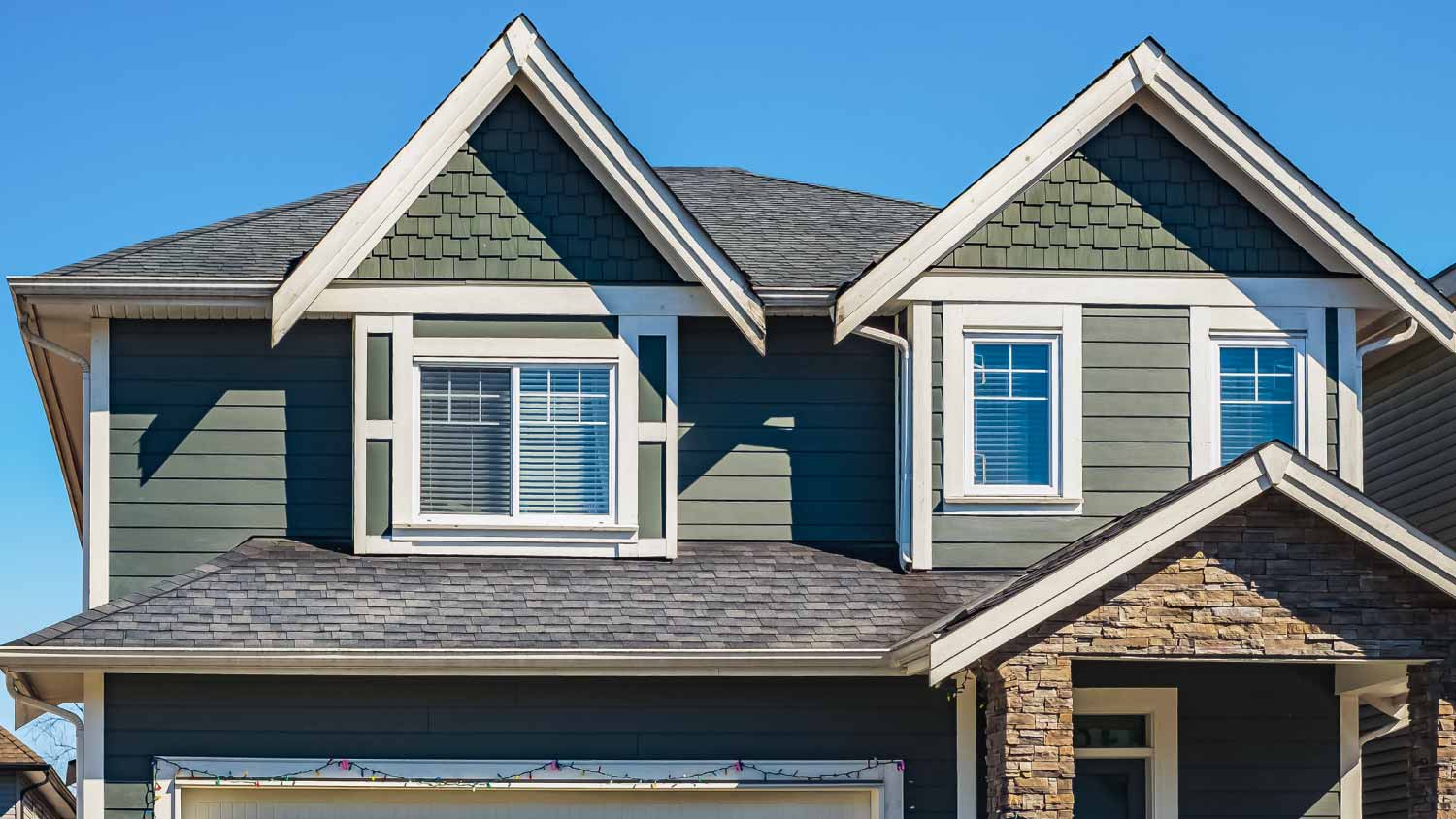
Out with the old, in with the new. What's the best way to remove paint? Learn more about dry ice cleaning versus sandblasting for paint removal.
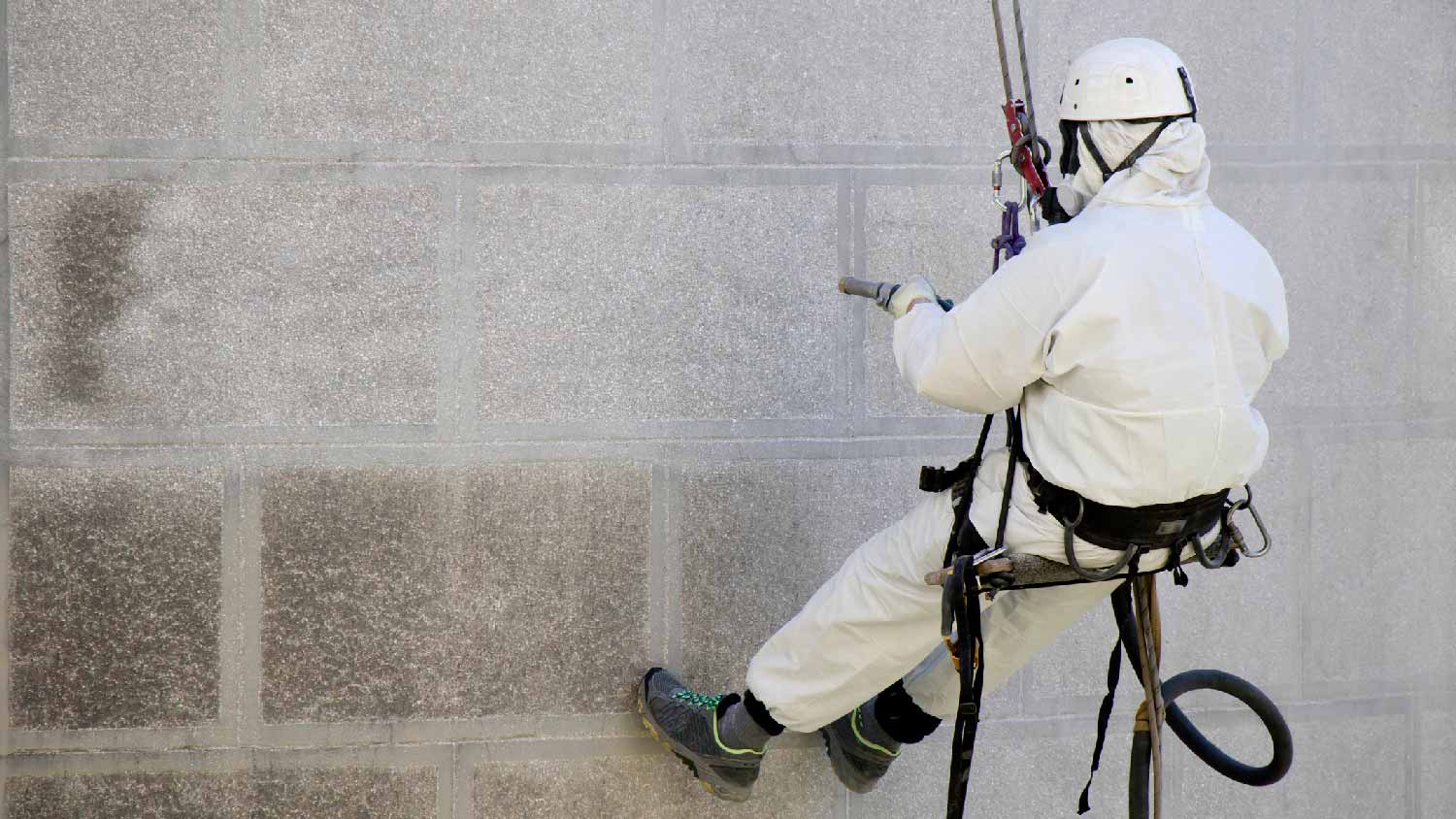
Gearing up for your next paint removal project, and don't know whether to go with laser cleaning versus sandblasting? Here's how to choose.
Wondering who to hire to sandblast? Learn how sandblasting services work, which contractors to call, and how to choose the right pro.
Learn the various ways to remove small and large areas of paint from concrete, including soda blasting, paint strippers, power washing, and more.