
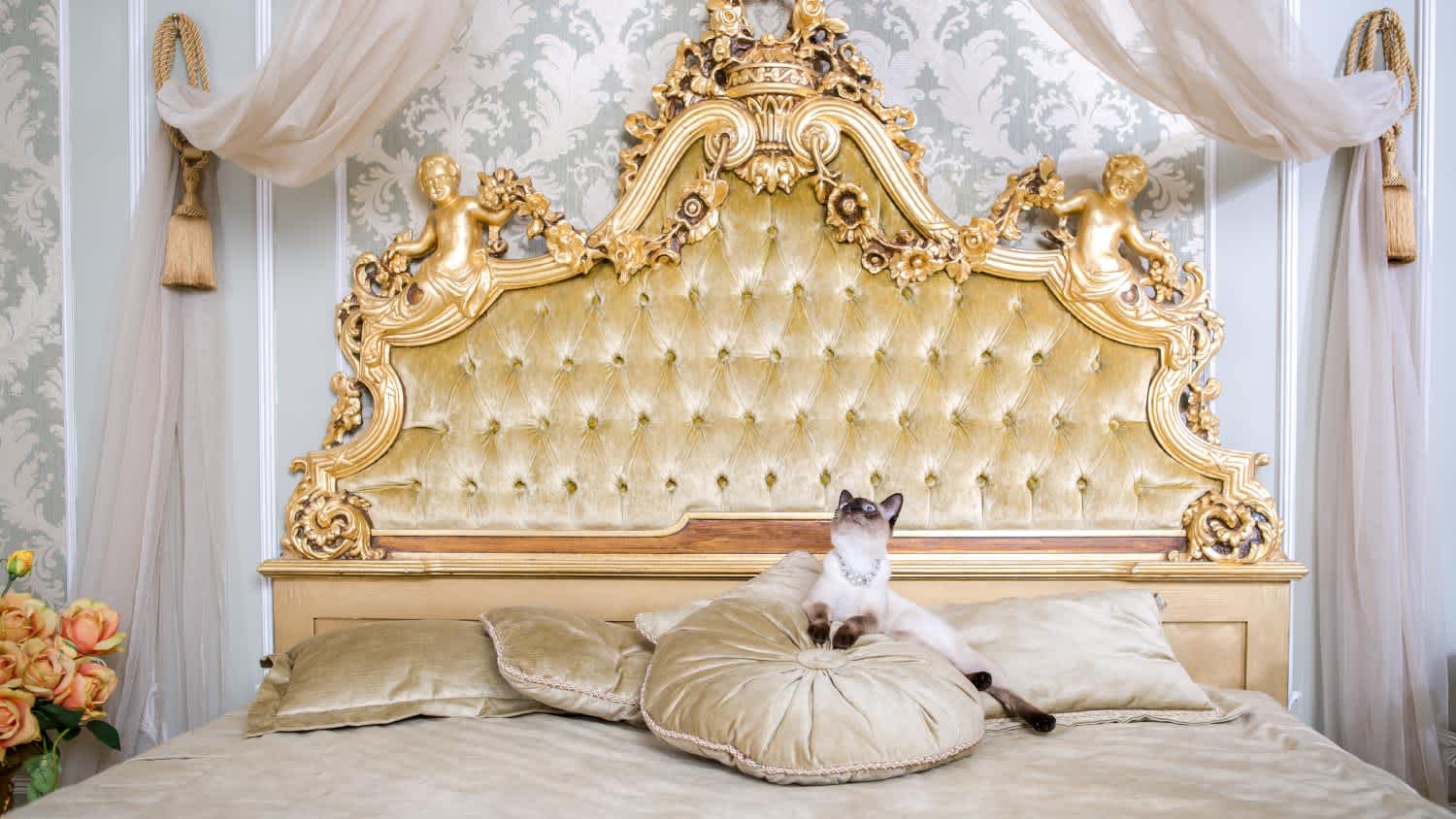
Renaissance design still impacts the way we style many homes today. We’ll break down what Renaissance home design looks like and how to achieve it.
An old-world style dating back to the 15th century

Renaissance architecture features perfect vertical symmetry in building design, requiring your facade elements like windows, doors, and ornamentation to mirror exactly from left to right.
Your Renaissance-style project relies on geometric precision and proportion, with structural columns, curved archways, and domes that show mathematical relationships between all building elements.
You can bring Renaissance style to your home by creating symmetry in decor, adding heavy ornamentation, introducing decorative columns and arches, or using masonry facades.
Hiring a local architect professional helps incorporate authentic Renaissance elements into your home, including structural columns, vaulted ceilings, and proportional design that honors this historic style.
Once you know what Renaissance-style architecture is, it’s hard to miss. The style is characterized by verticality, heavy ornamentation in design, and features that aren’t common in many other styles, including columns, arches, and domes. In this guide, we’ll explain some of the key elements of Renaissance-style architecture, why they define the style, and how to introduce the style in your home.
There are a few key elements that define Renaissance-style architecture and set it apart from the Gothic architecture that ultimately inspired it.
Buildings that embrace Renaissance-style architecture often have facades, which are face coverings on a building that have perfect vertical symmetry. This requires symmetry in architectural design, but also in ornamentation and building materials. Everything from window and door placement to trim around wall openings and even the use of specific materials and colors is often perfectly reflected from left to right.
This is one area where Renaissance-style architecture differs from Gothic architecture, which was partially symmetrical but also created unique buildings using some asymmetry.
The Renaissance Era was one where art and design became more refined and precise, and a big part of that was using proportion. You might see domes and arches and columns of different sizes in Renaissance-style buildings, but their length, width, and sizes will all be proportional.

As the Renaissance period was one of artistic revolution, geometry also became an important part of both art and architecture. Much like classic Roman and Greek architecture, Renaissance-style buildings used geometric shapes that exhibited a high level of skill to design and construct, including curved archways and domes.
When you picture Renaissance-style buildings, you probably picture large, stone columns and pilasters, which are structural columns built into exterior walls. The Renaissance style originated in Italy, and Italian architects, even before the Renaissance Era, believed that the purpose of structural elements should be evident when you look at them. This belief carried over to Renaissance-style architecture, where structural columns and pilasters are visible, and their purpose is evident.
Ashlar masonry is a type of masonry that uses little or no mortar and relies on large stones to create exterior walls and structural elements. You’ll often see these kinds of exterior walls on Renaissance-style churches and larger buildings, where the pattern of stones may also contribute to the symmetry from side to side.
With the Renaissance Era bringing a focus on creativity and artistry, it’s probably not surprising that the architectural style from the time was also characterized by heavy ornamentation. You’ll often see decorative building elements and decor that create a more showy and high-end appearance. You can also see this same ornamentation in Victorian-style architecture, which was a modernization of the Gothic architecture that inspired the Renaissance style.
While Renaissance-style buildings were ornate, they also included functional elements to make the space more livable and comfortable. That included things like large windows that allowed natural light into the space, courtyards that provided a marriage of indoor and outdoor spaces, open floor plans, and high ceilings.
Those high ceilings were as decorative as they were functional. Renaissance-style buildings used verticality outside to add to the artistry and visual impact of the structure, as well as high ceilings inside to create open spaces that created some semblance of balance with the exterior.

Unlike more natural and understated styles, like Prairie-style architecture or Colonial Revival architecture, incorporating elements from Renaissance architecture will be a bit more challenging, as they’ll involve more changes to your home’s structural architecture. However, there are a few things you can do to invoke the Renaissance style.
It might be difficult or expensive to create a perfectly symmetrical facade on your home, but you can start with the decor. Create symmetry using shutters, window treatments, hedges and landscaping, and exterior lighting fixtures. You can bring that symmetry inside, too, by duplicating pictures, furniture, and other decor across a vertical line.
Renaissance-style buildings are ornate, as they call on the artistry that was blooming and going through a revolution in the 15th and 16th centuries. Use that to your advantage and go all in on ornamentation. You can class up your decor, but feel free to bring some artistry and intrigue to window and door trim, exterior trim, soffits, and your exterior walls.
Columns and arches are staples of Renaissance-style architecture, so they can instantly bring a touch of Renaissance style to your space. Add decorative columns outside or in your living space as faux structural supports, and create the illusion of arches by installing corbels in the upper corners of interior doorways.
Renaissance-style buildings often used Ashlar masonry for exterior walls. It’s not often realistic to do this unless you’re hiring a general contractor to build a home from the ground up, but you can lean into masonry facades to create the look of a genuine stone building on your existing structure, regardless of when your home was built.
If you’re building new construction or plan on totally renovating your home, you could hire an architect near you to help incorporate the staples of Renaissance-style architecture into your home.
Just make sure you find an architect who specializes in this unique style. They can include structural columns, vaulted ceilings, archways, proportion, geometry, and symmetry in their designs, bringing the old-world charm of the style to your modern home.
I cannot recommend Inspired Design Contracting highly enough! From start to finish, working with Jim Venetucci was an absolute pleasure. His vast knowledge and keen understanding of design were evident in every conversation. What truly set Jim apart was his incredible patience and genuine...
 Inspired Design & Contracting
1st Choice Renew is simply the best! We hired them for a complete home renovation, and they transformed our space into something truly amazing. The team attention to detail and commitment to quality were evident throughout the project. They were easy to work with, very responsive, and always...
 Save A Dime
Supreme Brick & Chimney did an excellent job restoring the brick and mortar joints on my home. Their team was professional, knowledgeable, and completed the work on time. I highly recommend them and will hire them again in the future! Thanks!
 Supreme brick & chimney
Custom Paint Jobs LLC made our home feel like a piece of art. Thank you for your creativity!
 Custom Paint Jobs, LLC
I am really satisfied with Window Depot USA of central and especially Ilian, he made an amazing work! Ilian is a really courteous person. The work was done smoothly and quickly. I would definitely recommend them to anyone who are looking for new windows or door.
 Window Depot USA of Central Ohio
Look forward to them getting started in our basement here soon. Extremely professional, very detailed and was a pleasure to have around. Anything we needed to work on or change in the middle of the project, they were open and willing to work with me.
 Jones & Sons Construction LLC
Mr. Presutti was recommended to me by my architect. He was professional and punctual as were his employees and subs. Work was completed to my specifications and in the rare instance that I wasn't happy with something, work was revised to my satisfaction. I will be using his services to...
4 Seasons was on the roof of my condo building with a man from the architect's office, checking heat pumps for common areas. They noticed the one for my unit was smoking! They offered to replace failed parts but recommended a complete replacement because the warranty had expired and the...
 4 Seasons Air
THERE WAS AN AREA THAT DID TURN OUT RIGHT BUT THE FIXED RIGHT AWAY. THERE WERE A COUPLE OF OTHER JOBS THAT CAME UP AND THEY GAVE US ESTIMATES ON THEM AND THEN DID THE WORK AND IT TURNED OUT THAT THEY CHARGE LESS THAN THE ESTIMATE. I WAS WORKING WITH A ARCHITECT AND HE FELT THAT THEY HAD...
From average costs to expert advice, get all the answers you need to get your job done.
Renaissance design still impacts the way we style many homes today. We’ll break down what Renaissance home design looks like and how to achieve it.
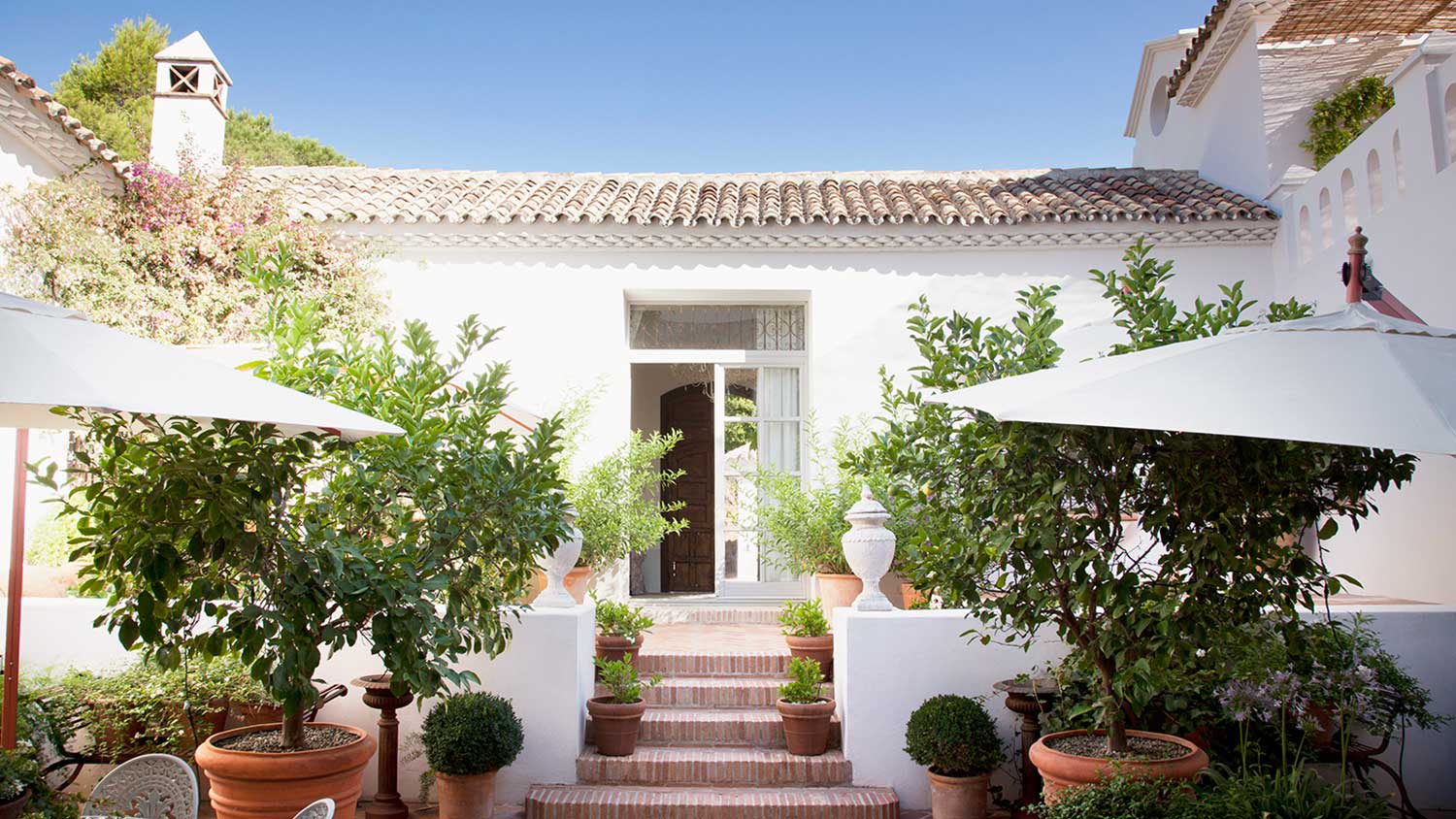
Known for stucco siding, arched doorways, and terracotta roofs, mediterranean architecture homes are relaxing retreats that connect homeowners with nature.

Gothic-style architecture features distinctive design flourishes that give this style its dramatic, moody flair. Learn more about its key elements.
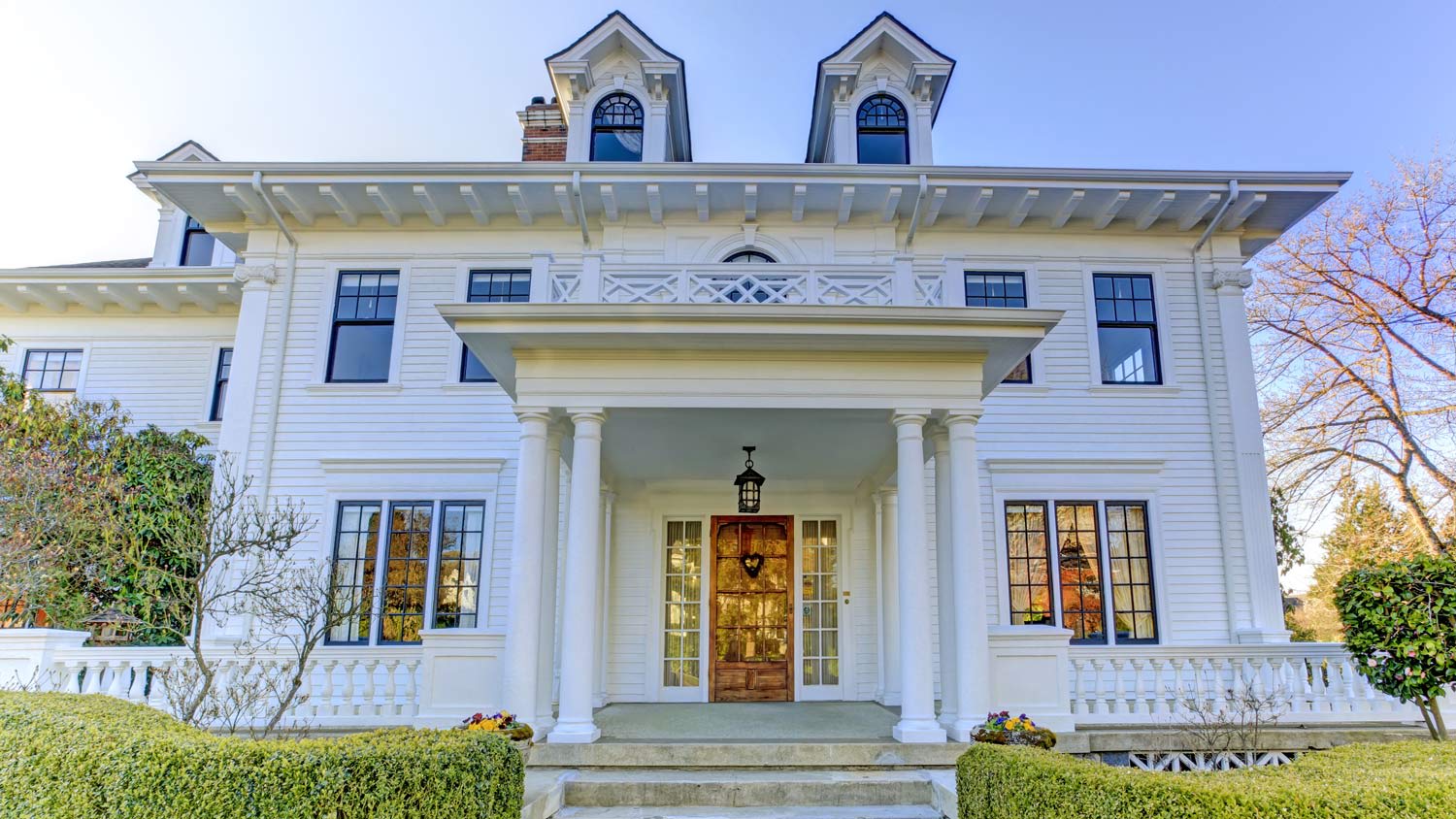
Colonial Revival-style architecture is an updated version of Colonial design. Learn the key elements and history of Colonial Revival-style architecture.

Does your city have one of the world’s most beautiful buildings? Take a look at the most beautiful building in every country and U.S. state based on TripAdvisor reviews.
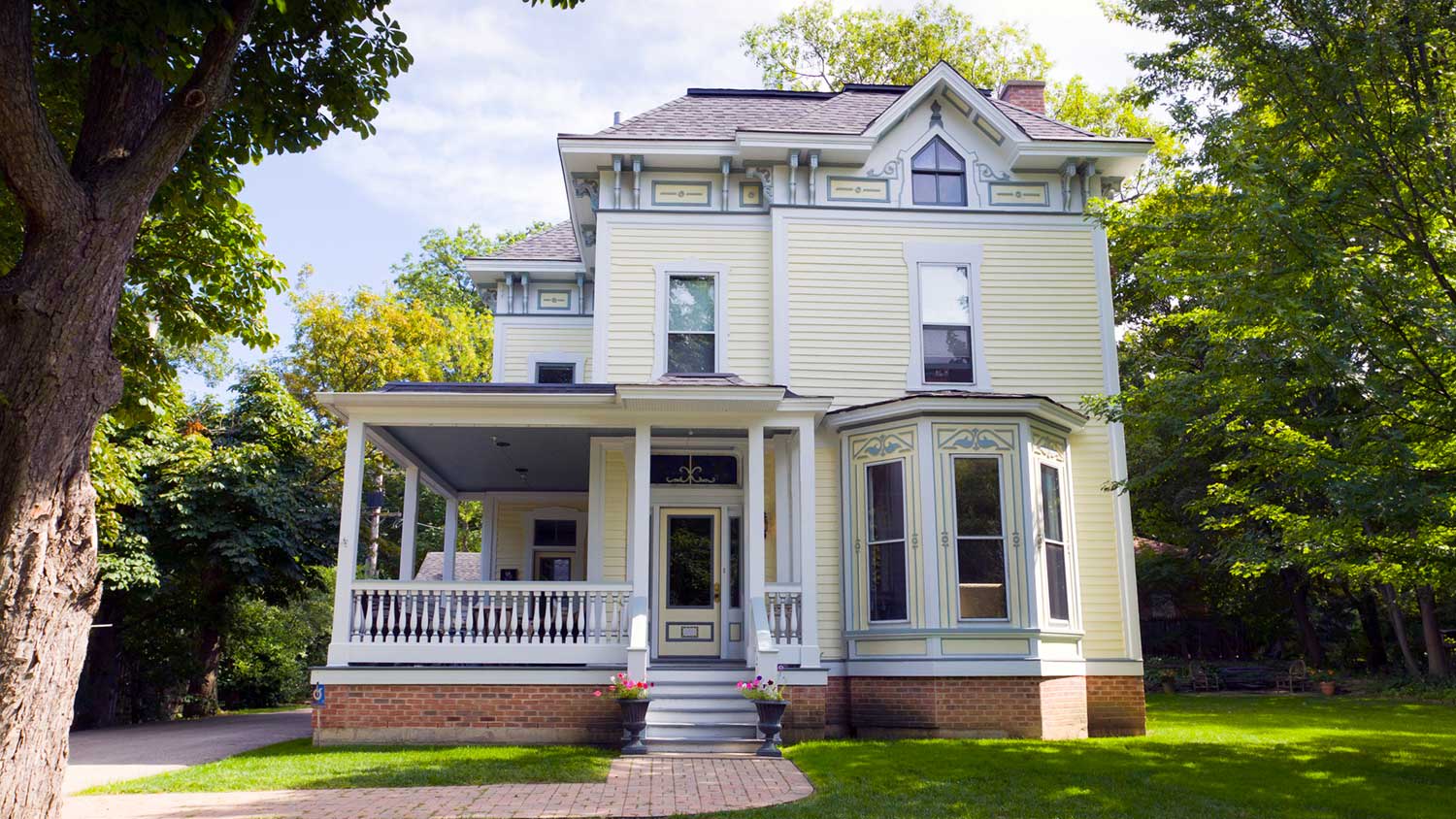
The Italian Victorian house was unsurprisingly one of the most ornamental and popular designs across Europe and the U.S.