
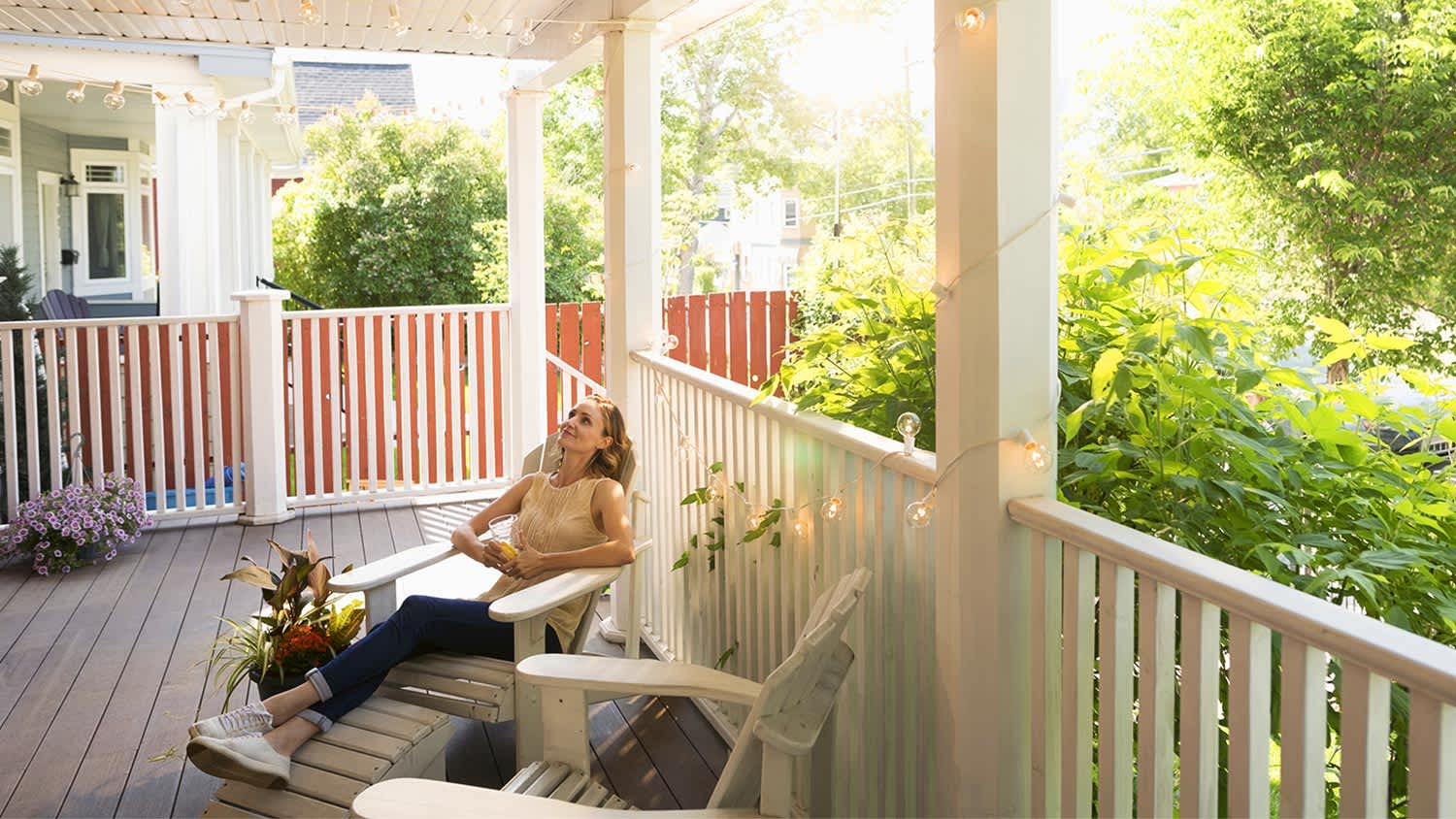
Old and run-down porch railings can be an eyesore and pose a risk of falling. Find out how much it costs to replace your worn out porch railings with new materials.
It’s best not to go “off the rails” with this project
 - Derek Rose.png?impolicy=thumbnail)
Your deck requires railings when it sits 30 inches or more above ground, according to the deck railing height code followed in most areas.
Professional deck railing installation costs $10 to $50 per linear foot, with high-end options like glass or cable railings reaching $260 per linear foot.
You need to check local building codes for specific post spacing, baluster gaps, and load requirements before starting your deck railing project.
Hiring a local deck building professional keeps your project compliant with permits and regulations while ensuring proper railing installation that meets all safety standards.
Imagine you’re planning your dream deck, or maybe you just finished construction. However, your plans didn’t include railing. This is a good time to start asking, “When is a railing required on a deck?” Deck railings serve multiple purposes, including safety, aesthetics, and compliance with building codes. Let’s explore when you absolutely need a railing, the pros and cons of these features, and more specific requirements to consider when deciding if and when to contact a local deck builder to install railings.
The height of your deck plays the biggest role in determining if you need a railing. Building codes have specific deck height thresholds for railings. These codes vary by location, but a common rule of thumb is that if your deck is elevated more than 30 inches above the ground, a railing is required.
Check with your local building department or consult your area's building codes to confirm the exact height requirement in your region. Ignoring these requirements can lead to compliance issues and safety hazards (which are the last things you want standing between you and the deck of your dreams).
In addition to deck height, there are several other code requirements for installing deck railings to ensure they meet safety standards.

In most of the United States, deck railings must be a minimum of 36 inches tall from the decking to the top rail, though this varies by location. Notably, California and Washington require railings on decks to be 42 inches or taller.
Deck railings must be capable of withstanding various loads from a few different angles and origins. These loads include uniform loads, infill loads, and concentrated loads.
The specific load requirements vary, so it's crucial to consult your local building codes or a structural engineer near you to determine the necessary strength for your railings. However, here are the most common guidelines:nd this is
Infill load requirements: A 1-square-foot area on balusters must withstand a force of 125 lbs.
Uniform load requirements: The top rail must endure 125 lbs. of force per foot length applied horizontally or vertically.
Concentrated load requirements: The top rail must support 500 lbs. at a concentrated point at the mid-span, on a post's side, and on top of a post.
Proper post spacing is essential for the stability and safety of your deck railings. Building codes in your area will specify the maximum allowable distance between railing posts based on the deck material used and the height of the railing. Posts must not be more than 8 feet apart, so follow these guidelines to ensure your railing system is adequately supported.
Balusters are the vertical posts or spindles that run between the top and bottom rails of a railing system. Spacing requirements for balusters are in place to prevent small children from slipping through the gaps. These requirements are crucial if you have young children or pets, so be sure to adhere to the baluster spacing guidelines outlined in your local building codes. Spaces between balusters should be 4 inches or less.
Local regulation requirements often vary from city to city, even within the same state. In most cases, you must file a permit alongside any design narrative or drawing plans for approval before you can start building the deck. This process can be stressful and confusing for many unfamiliar with their city’s permitting process and legislative updates. Therefore, it’s best to hire a pro and let them handle the entire process to ensure your new deck is built up to code and legal through each step of the project.

If laws in your area don’t require you to have deck railings, you get to make the decision on your own. Here are some pros and cons of deck railings to consider.
| Pros | Cons |
|---|---|
| Keep people safe | Added cost |
| Enhance visual appeal | Obstruct your view |
| Good ROI | |
| Customizable |
The primary purpose of deck railings is to keep people safe. Railings prevent accidental falls, making your deck a secure space for family and guests, especially children and pets. The good news is that deck railings can enhance the visual appeal of your deck, and installing deck railings can increase the value of your home. Potential buyers see railings as an added safety feature, making your property more attractive.
There are many types of deck railings in a variety of materials and designs. This allows you to choose a style that complements your home's architecture and your personal taste.
One of the downsides of installing deck railings is the additional cost on your deck budget. Materials, labor, and maintenance can add to your overall project expenses. Additionally, depending on the design, deck railings can obstruct your view from patio doors and windows. This is a drawback if you have a scenic view you'd like to enjoy.
Now that you understand the importance of deck railings and the code requirements for this part of your deck, let's explore the different types of deck railings. Each type has its own benefits that can make your deck a comfortable and aesthetic outdoor living space.
Wood is a classic choice for railings, and it adds a timeless and traditional look to your deck. Wood railings are versatile and can be customized to match your deck's aesthetic, but they require more maintenance over time to protect against rot and decay.
Cable railings cost a bit more, but they provide a modern and minimalist appearance. They are often made of stainless steel, and they won’t fully obstruct your view, making them an excellent choice for decks with scenic surroundings. Cable railings are durable and low-maintenance.
Clear glass railings offer an elegant and sophisticated look. They provide an almost completely unobstructed view of your surroundings and allow more natural light to filter through to your deck. Glass railings can be a bit more expensive but are worth considering for their aesthetic appeal.
Known for their durability and resistance to corrosion, aluminum railings are both sturdy and affordable. They come in various styles and colors, making them a versatile choice for different deck designs.
A budget-friendly alternative to glass, plexiglass railings offer similar transparency and are less prone to shattering. They can be a great compromise between aesthetics and cost and are an even better option than glass in regions that are prone to harsh weather.
Installing a deck railing costs between $10 and $50 per linear foot, with an average cost of $30 per linear foot. Some custom or high-end railings are far more expensive, though. For instance, glass-panel railings and cable railings can cost up to $260 per linear foot. The exact price depends on the type of materials used, the railing style, and the complexity of installation. It also costs more to replace an existing deck railing, as contractors usually charge $10 to $15 per linear foot for railing removal.
Like most home projects, DIY railing installation is cheaper, since it eliminates the cost of labor. All you have to pay for are tools and materials, which might only cost around $150 to $400 when using budget-friendly options like composite, vinyl, and PVC.
However, installing a deck railing requires experience and knowledge of building codes to complete successfully. We recommend most homeowners hire a specialized deck professional or a general contractor. They’ll get the job done quickly and correctly, revamping your deck for years to come.
One of my old tall evergreen trees was suddenly leaning toward the busy street in front of my house. I submitted a request for an emergency tree inspection, and Alejandro, owner of Cajete Tree Service, contacted me immediately and arrived to look at it just 20 minutes later. We agreed the...
 Cajete Tree Service LLC
Mitchell and the crew were top tier i am so happy with my new roof
 Home Genius Exteriors
1 tree was cut down and 5 others including a large willow tree were trimmed. The Grant Tree Service men were professional and cleaned up afterwards. The cost of the 6 trees were affordable. I am very happy with the results. I would hire them again.
 Grants Tree Service
Archie did a good job cleaning up the driveway before he laid down the sealer. It looks good. He was gracious and even helped me bring up my groceries. His rate was comparable to another company who came out to give me a quote and he talked to me personally rather than just text me a quote...
 Pro Seal Roofing & Paving
We have bought and sold numerous times over the past 50 years. Sherman Hall and Top Line are top notch. Thorough and detailed, he explains every possibility, probability, and eventuality. High class and pleasant. The best.
 Top Line Home Inspections, LLC
D1 Roofing delivers outstanding service from beginning to end, backed by a strong warranty and expert teams. I highly recommend them for their excellence in meeting and surpassing expectations with unmatched communication. Choosing D1 Roofing was flawless decision
 Division 1 Roofing LLC
Supreme Brick & Chimney did an excellent job restoring the brick and mortar joints on my home. Their team was professional, knowledgeable, and completed the work on time. I highly recommend them and will hire them again in the future! Thanks!
 Supreme brick & chimney
Window Depot did an amazing job on my deck. I wasnt sure what I wanted to do, but their composite decking was affordable and will last a long time. I am excited to have family over, and I am no longer embarrassed by my backyard. Jeff and the ground crew were polite, respectful, and caring for...
 Window Depot USA of Central Ohio
We were having 2”x 2” tile installed . There was a small installation error and the new additional replacement tile was from a different lot and the colors didn’t match. Joe assured us that he would rectify everything , which he did without hesitation. We decided to go with the 18” x 36” tile...
 CarifaTile
Maple Tree Service should serve as a mentor for other business! Customer service was superior and beyond expectation. Response to request was prompt. The representative was very courteous and proud of the company. Quote was given during initial visit and work date established. A follow up...
 Maplewood Tree Service
From average costs to expert advice, get all the answers you need to get your job done.
Old and run-down porch railings can be an eyesore and pose a risk of falling. Find out how much it costs to replace your worn out porch railings with new materials.
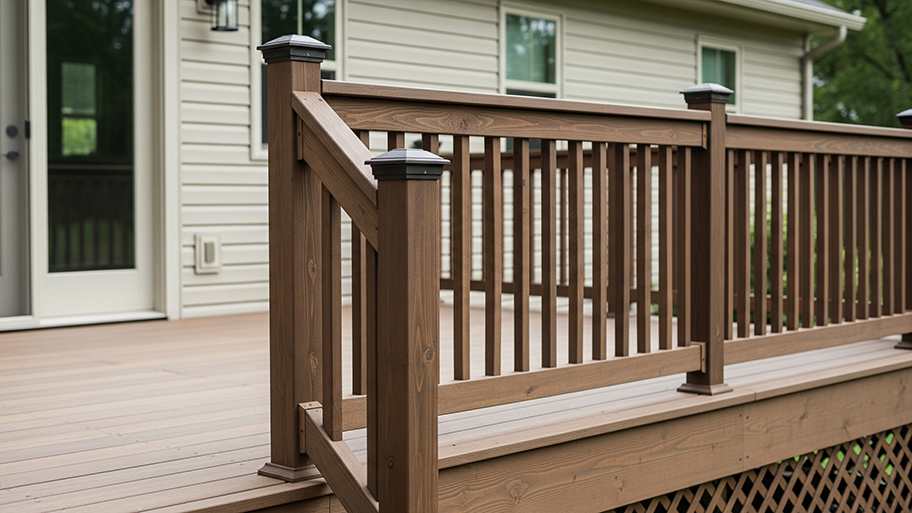
The average cost of a deck railing depends on size, type, material, and labor in your area. Check out this guide to determine what works for your budget.
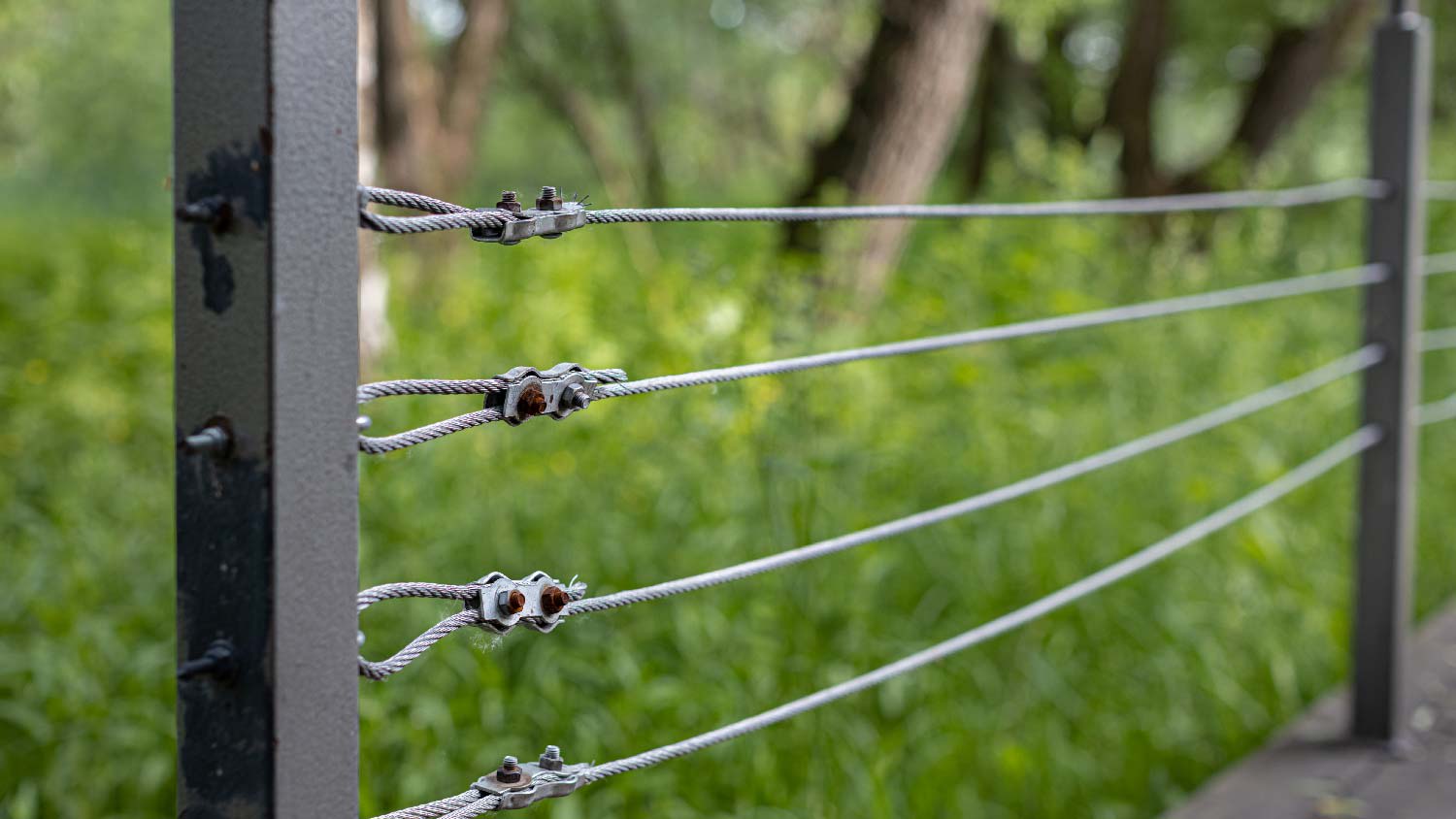
If you’re updating a deck or staircase with a modern railing, you may be wondering how much cable railing costs. We dive into the cost factors you need to know.

Your deck railings help prevent injuries, but only if they’re the proper height. Discover the ideal deck railing height to ensure your safety and compliance with building codes.
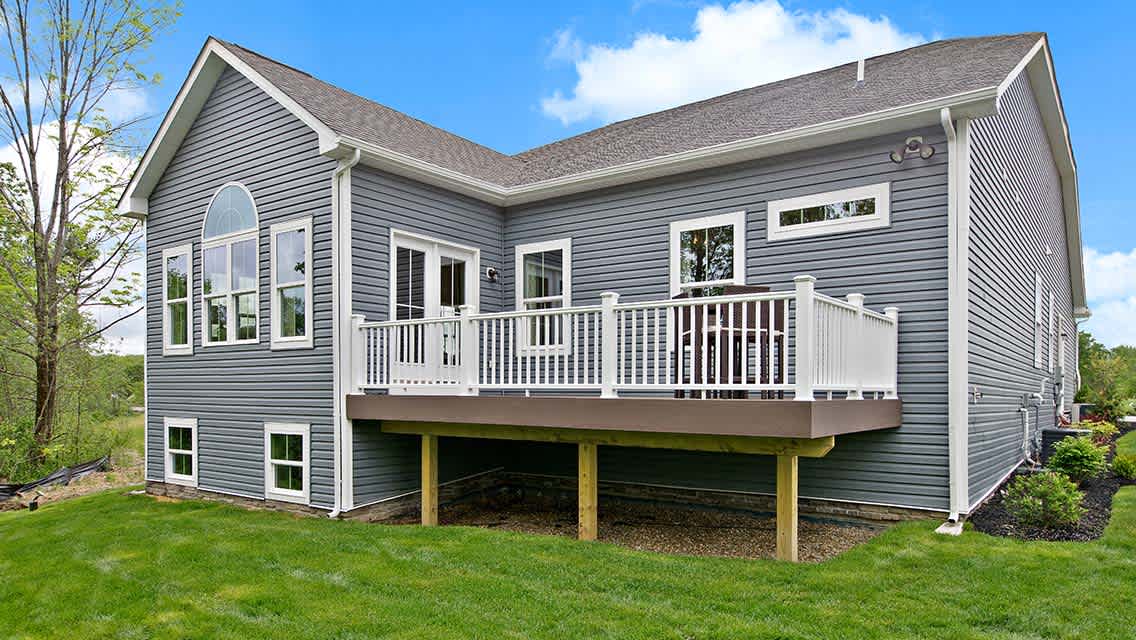
Choosing from all the types of deck railing can be overwhelming. Check out the pros and cons of each so you can pinpoint the best option for you.

Ready to upgrade your outdoor spaces? Turn your deck into a place you love to show off with these 15 rail design ideas.