

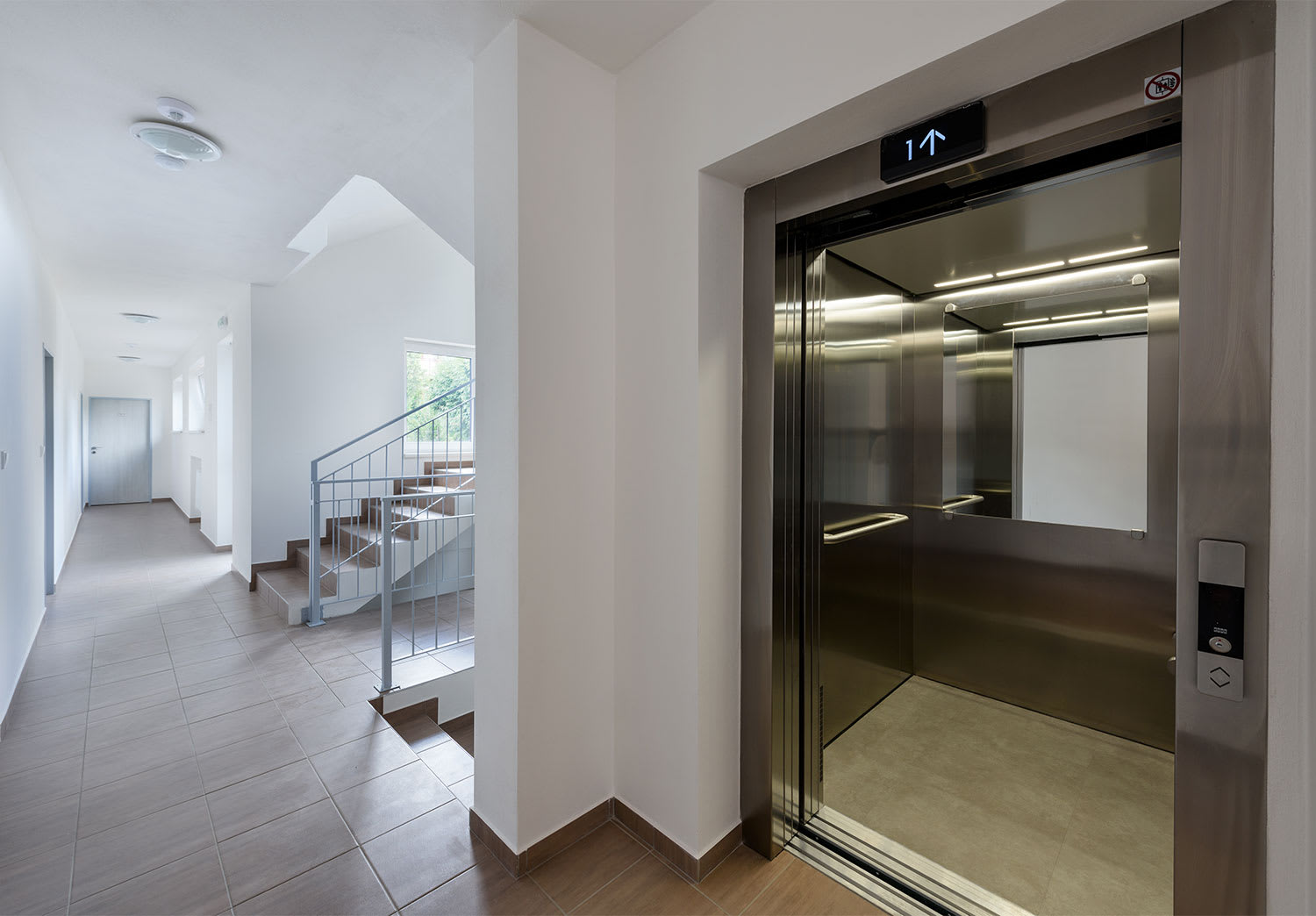
Home elevator costs depend on the size and type of lift, if it needs retrofitting, and the number of floors. Our guide outlines all residential elevator costs.
Contractor service costs depend on your project and location. Check with a local pro for your specific job.

Pneumatic vacuum elevator installation costs between $20,000 and $100,000, based on your unit size and floors served.
Your home layout and structural changes, especially extra stops, drive labor time and raise your installation total.
Plan for permits around $500 to $1,500, plus demolition, prep work, and optional backup power.
Hiring a local elevator company reduces installation risks and helps secure proper alignment, electrical connections, and required permits.
With their sleek designs and advanced technology, installing a pneumatic vacuum elevator can boost your home’s accessibility and convenience. Pneumatic vacuum elevators range from $30,000 for standard installations to $100,000 or more for premium models with custom designs and features. However, most homeowners spend around $45,000 on average.
Use this guide to learn how much this home upgrade costs based on factors like features and size so you can create an informed budget.
Home elevator installation often requires a full home remodel. We recommend contacting a pro to ensure the whole process goes smoothly.

The size of the pneumatic vacuum elevator (PVE) you’re installing plays a significant role in how much it’ll cost. Generally, the bigger your PVE, the more you can expect to pay.
| PVE Size (Square Feet) | Average Cost |
|---|---|
| 10-12 | $20,000-$35,000 |
| 12-14 | $30,000-$45,000 |
| 14-16 | $35,000-$50,000 |
| 16-18 | $45,000-$60,000 |
| 18-20 | $50,000-$75,000 |
| 20-25 | $60,000-$100,000 |
There are often multiple pros involved in a PVE install. At a minimum, you’ll need a professional elevator installer. Depending on the elevator installer’s expertise, you may also need to hire an electrician and/or a general contractor.
PVE installers handle tasks like mounting the elevator, ensuring proper alignment, and configuring the elevator's control systems. Installation costs can vary depending on factors like the complexity of your home’s structure and the number of floors the elevator will serve. On average, installation fees range from $5,000 to $15,000.
Single-floor installation: $5,000
Multi-floor installation: $10,000
Complex installations requiring structural modifications: $15,000
In most cases, you’ll also need to hire an electrician to make sure your PVE has the proper electrical connections. Most installations require a 220V circuit, and additional electrical work may be needed depending on your home's current setup.
Installing a 220V circuit: $140 - $320
Upgrading your electrical panel: $500 - $2,200
Additional rewiring or modifications: $600 - $2,600
For larger installations or homes that require significant structural changes, you’ll probably need to hire a general contractor. On average, general contractors cost 10% to 20% of the total project cost.
When installing a PVE, several additional cost factors may come into play beyond the basic installation fees. From preparing your home for the installation to obtaining the necessary permits, knowing these factors can help you better plan for your project.
Before installing your PVE, your home may need modifications to accommodate the elevator, which can involve cutting through floors, walls, or ceilings. You may also need to remove existing structures, like cabinets or flooring. Demolition and prep costs can range from $500 to $7,000, depending on the work needed. Some installers include this cost in their quotes, while others may charge for it separately.
Installing a PVE generally requires permits, especially when structural changes or electrical work are involved. Permit costs vary by location and the scope of the project, but they typically range from $500 to $1,500. It’s usually the responsibility of the installer or a general contractor to obtain the necessary permits, but it’s important to verify this to avoid potential delays or extra fees
You may want to opt for custom add-ons during the PVE install, such as glass exteriors, special door configurations, upgraded lighting, and smart-home integration. Depending on what you choose, these add-ons can cost anywhere from $2,000 to $10,000 or more.
If your home has hard-to-reach areas, such as narrow hallways or limited clearance near the installation site, it can increase costs, especially if special equipment or additional labor is needed to work around tight spaces or awkward angles. Costs for these complications can range from $1,000 to $5,000, depending on the complexity.
To ensure your elevator remains operational during power outages, you may want to install a backup power system, like a generator. A whole-house generator costs around $6,500 to $21,000 depending on the size you purchase, while a partial generator usually costs between $2,000 and $12,000.
While PVEs usually require less maintenance than traditional elevators, they still need regular inspections and upkeep to ensure safe operation. Some manufacturers or installers offer annual maintenance plans, which can help you manage ongoing maintenance costs. These plans typically cost between $200 and $500 per year and cover things like routine inspections, part replacements, and minor repairs.
After the installation is complete, there may be leftover debris, dust, and general mess from the construction process. Some contractors offer post-construction cleanup services, but this may come at an additional cost. Post-construction cleaning costs usually range from $300 to $700, depending on the scope of the cleanup
Installing a PVE requires technical expertise, specialized tools, and adherence to safety regulations. Without this expertise, there's a high risk of improper installation, which can result in serious safety hazards, including electrical failures, structural damage, and elevator malfunctions. DIY installations may void the manufacturer’s warranty, leading to significant repair costs down the line. That’s why hiring a professional elevator installer near you is well worth the peace of mind.
Hiring a pro for a pneumatic vacuum elevator installation is the safest method to ensure the job is done correctly and tailored to your home’s layout.
Pros understand the unique mechanics of vacuum elevators, including airflow, pressure systems, and seal integrity.
They can assess your home’s structure to determine the ideal location and support requirements.
Proper installation prevents performance issues like pressure loss, vibration, or uneven travel.
Pros ensure the unit meets all local codes, permits, and safety regulations.
A certified install protects your warranty and ensures long-term reliability.
Pros provide maintenance guidance and troubleshooting support after the elevator is up and running.
Deciding whether to repair or replace a PVE depends on several factors, including the elevator’s age, the extent of the damage, and warranty coverage.
With proper maintenance, a typical PVE can last for 20 years or more, though some components may require repairs or replacements sooner. If your elevator is nearing the end of its lifespan and requires major repairs, replacement may be the better option.
Restoring the PVE is the best option for minor repairs, like replacing seals, adjusting valves, or fixing sensors. Small fixes generally range from $500 to $3,000, depending on the part, and these costs are manageable compared to full replacement. However, if there is significant structural or mechanical damage, such as issues with the vacuum system or control mechanisms, replacement may be necessary.
Check whether your elevator is still under warranty. Most PVEs come with a limited manufacturer’s warranty that covers major components for the first few years. If your system is still under warranty, repairs may be the most cost-effective option. However, if the warranty has expired and repair costs are substantial, replacing the elevator may make more financial sense.
When in doubt, consider the 50% rule: if the cost to repair your PVE is more than 50% of the cost to replace it, then replacement is usually the better option. This is because at that price point, the elevator is likely nearing the end of its useful life, and the expense of ongoing repairs may quickly add up. Additionally, replacing the system ensures you benefit from newer technology, improved efficiency, and a new warranty, providing better long-term value and fewer unexpected repair costs in the future.
Installing a PVE can get quite pricey, but there are a few ways you can potentially reduce costs on this project, including:
Opting for Fewer Stops: Each additional stop or floor adds to the cost of your PVE installation. Limiting the number of floors served by the elevator can significantly reduce the overall price, as each stop typically adds thousands to the installation cost
Using Existing Spaces: Position the elevator near an existing staircase or another clear area of your home to minimize the need for major structural changes. This avoids the cost of cutting through floors, moving walls, or reinforcing structures.
Doing Your Own Prep Work: You can save money by handling non-technical prep tasks yourself, such as clearing out rooms and removing furniture. This will save your pro time on the installation, therefore reducing your costs.
Choosing Standard Models: Customizations like glass panels, advanced finishes, and smart-home integration can add thousands of dollars to the base cost of the elevator, so sticking to a more basic, standard model without elaborate features can help you reduce costs significantly.
Scheduling During Off-Peak Installations: Installing during off-peak seasons, when contractors may have fewer projects, could result in lower labor rates. Ask your installer if they offer discounts during certain seasons to reduce your labor costs.
Installing a PVE can increase your home’s value by enhancing its functionality, accessibility, and overall appeal. While the specific ROI depends on your market and home type, PVEs are especially valuable for buyers looking for universal design elements, such as aging-in-place features.
In addition to boosting safety and functionality, a PVE's sleek, futuristic look can enhance your home’s aesthetic appeal, especially in luxury markets. Energy efficiency is another major factor, as PVEs are more sustainable compared to traditional elevators, reducing operational costs and maintenance needs over time.
Be prepared to discuss the elevator model and materials that best fit your mobility needs and home layout.
Share accurate measurements of ceiling heights, available floor space, and the intended travel path between levels.
Identify any existing safety hazards such as electrical obstacles, structural limitations, or tight access points.
Highlight accessibility limitations, including mobility concerns or household needs that may influence elevator placement and features.
Home is the most important place on earth, which is why Angi has helped more than 150 million homeowners transform their houses into homes they adore. To help homeowners with their next project, Angi provides readers with the most accurate cost data and upholds strict editorial standards. We extensively research project costs to develop the pricing data you see, so you can make the best decisions for you and your home. We rely on reputable sources, including the U.S. Bureau of Labor Statistics, academic journals, market studies, and interviews with industry experts—all to ensure our prices reflect real-world projects.
Want to help us improve our cost data? Send us a recent project quote to [email protected]. Quotes and personal information will not be shared publicly.
Exquisite workmanship from Custom Paint Jobs LLC. My home has never looked better.
 Custom Paint Jobs, LLC
Visited my home for estimate same day that I called. Painted on Saturday. Great job. Good price!
Window Depot did an amazing job on my deck. I wasnt sure what I wanted to do, but their composite decking was affordable and will last a long time. I am excited to have family over, and I am no longer embarrassed by my backyard. Jeff and the ground crew were polite, respectful, and caring for...
 Window Depot USA of Central Ohio
The guys did an outstanding job and we had a great experience with CarifaTile. I appreciated that Joe reviewed the quotes with me and set expectations prior to the install. The crews showed up as scheduled and always left the areas clean upon leaving the house. We will definitely use...
 CarifaTile
Beginning with the estimate, Larry and Peyton were super helpful in getting my new condo's interior re-painted. Not only was the job well done, but also done in a super timely manner as promised.
 Five Star Painting of Plain City and Powell
BJ Trim Carpentry rescued me in the middle of a do-it-yourself project. I found I needed more expertise than I had...and more TOOLS! BJ Trim Carpentry responded quickly and completed what I needed expertly, politely and with a little humor!
This brownstone is historical and the carpentry work is very detailed. I was very happy to secure a company in NY and living in OH to complete the request. Wood work on this brownstone has been existing since approximately 1888 and West side did a GREAT JOB. I will not be able to...
 Westside Home Improvement
We had a great experience with Mark Rodgers Construction. We were in the process of seeking out estimates for possible foundation work for our front porch. Mark came out himself to provide the estimate. Turned out that the company deals mainly with concrete, so we wouldn't be getting an...
 Mark Rodgers Construction
Overall this experience was incredible! I looked on Angies List for a cleaning service because I was planning a holiday party and wanted to make sure we found a reliable, thorough and efficient cleaning service to make sure everything was perfect for the party since we had co-workers and...
From beginning to end our experience with Joe was very good. He was professional and prompt in his estimate for the job and worked hard to meet our schedule so that he could remove our old backsplash the day before our new countertops were removed and return shortly after they were removed to...
From average costs to expert advice, get all the answers you need to get your job done.
Home elevator costs depend on the size and type of lift, if it needs retrofitting, and the number of floors. Our guide outlines all residential elevator costs.
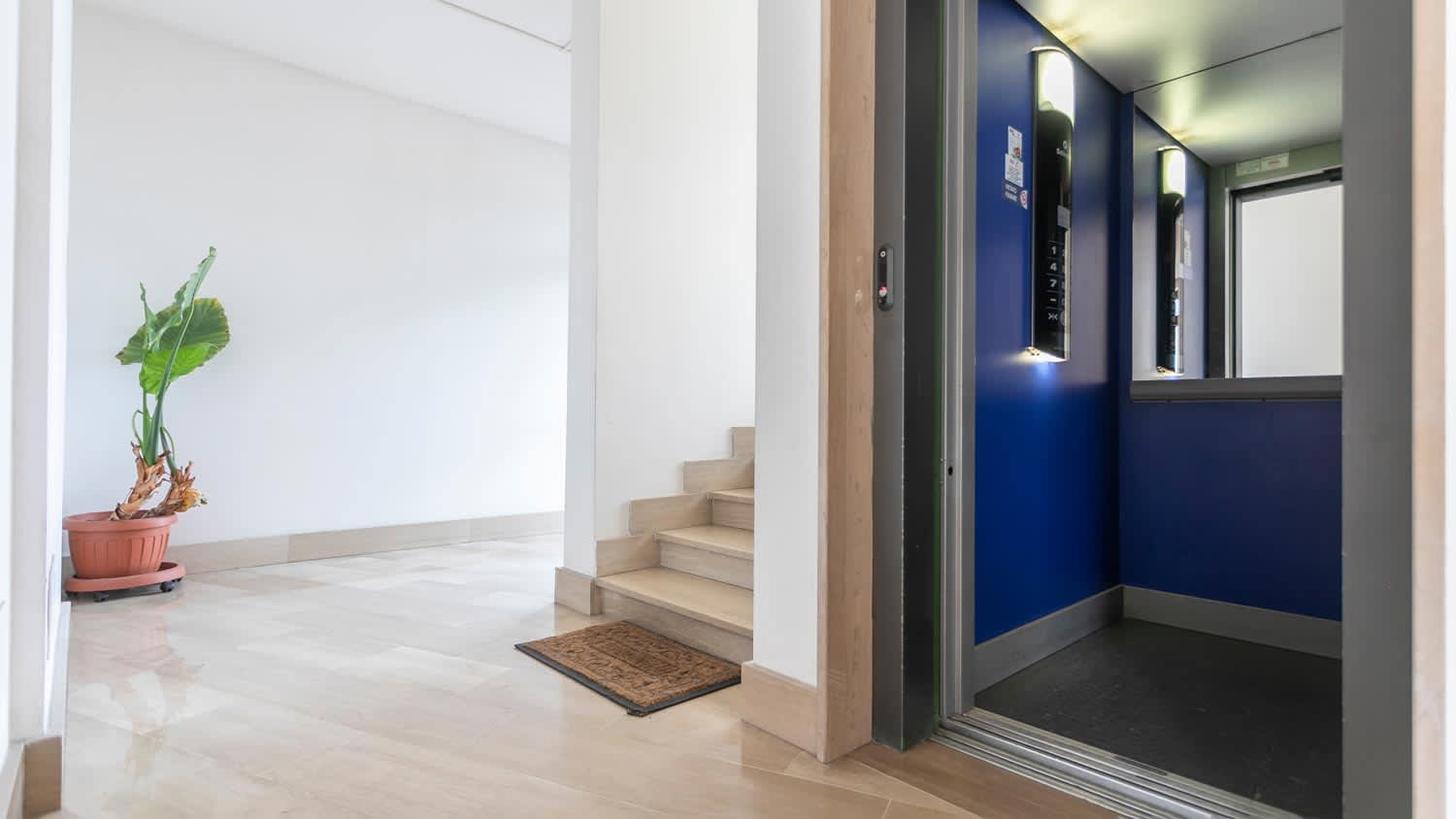
Discover the average home elevator maintenance cost, key price factors, and expert tips to help you budget for safe, reliable elevator upkeep in your home.
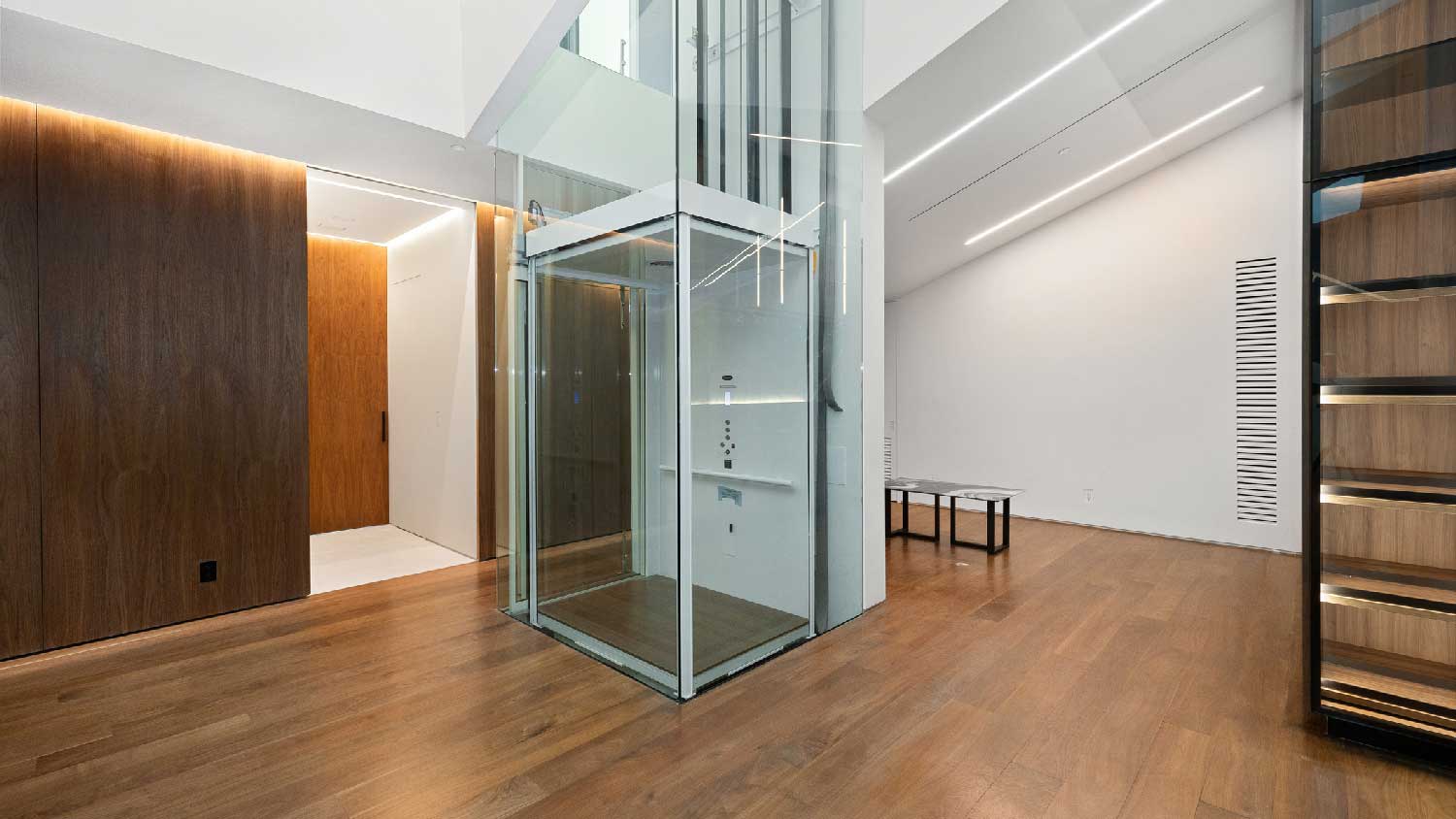
Find out how much a shaftless home elevator costs, including additional factors that can drive up the overall installation price.
Learn how to hire elevator repair professionals with confidence. Find qualified technicians, ask the right questions, and ensure safe, reliable service.

What is a central vacuum system? It can enhance your cleaning efficiency with ease—but is it right for your home? Learn pros, cons, installation costs, and more to make your decision.

Learn how often you should vacuum your flooring to extend its longevity and reduce the number of contaminants and allergens you’re exposed to.