
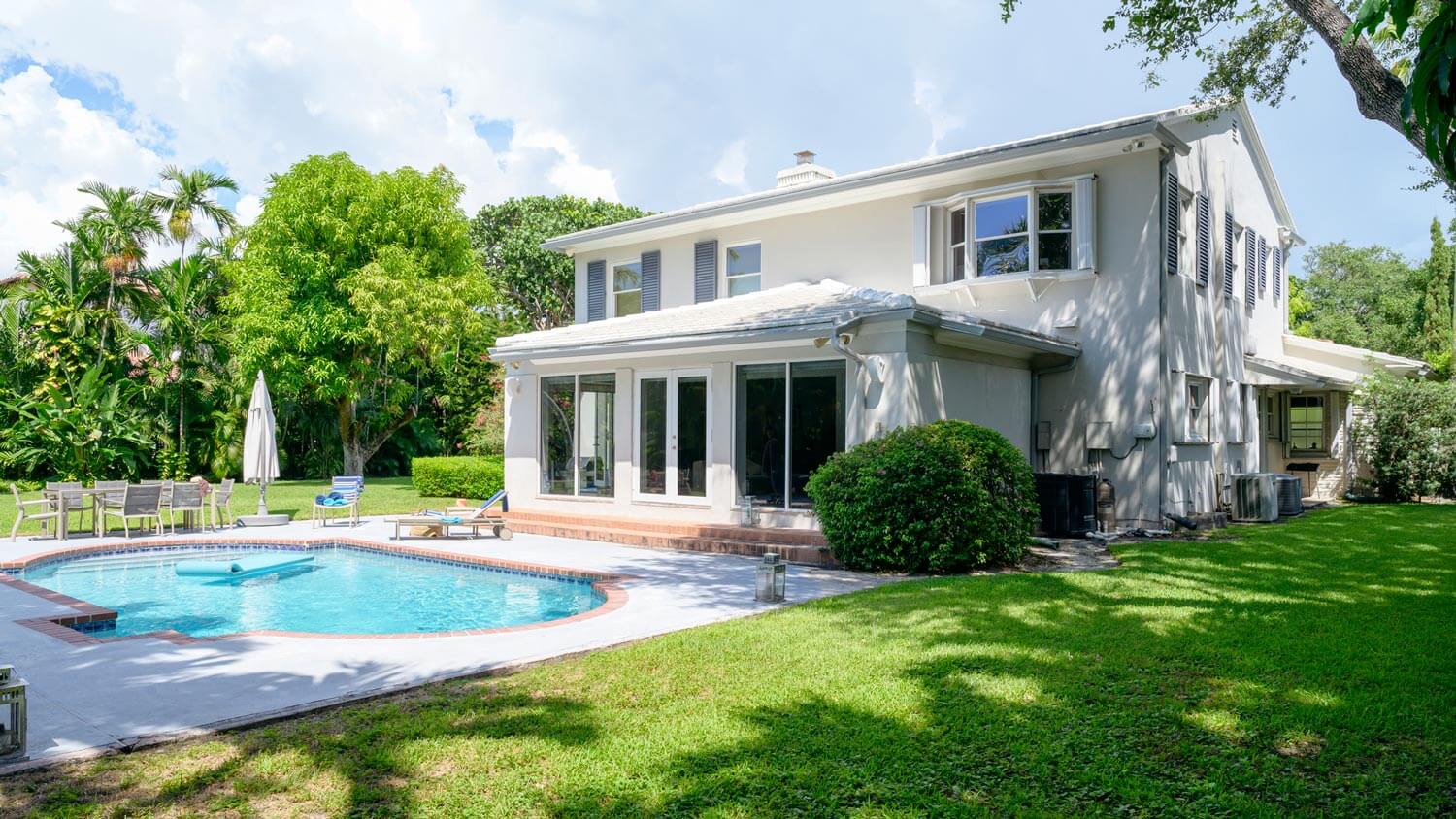
Try not to get intimidated by the list of pool chemicals that keep your water clear. Let's walk through what chemicals you need for a pool and what to know about each one.
Break out your 7th-grade chemistry textbook to find the right household cleaning product

A pH-neutral dish soap with a pH around 7 to 8 offers gentle cleaning power for your dishes, hands, and many surfaces around your home.
Highly alkaline cleaners like bleach reach pH levels of 11 to 13, while acidic cleaners like vinegar drop to pH 2 to 3 for your toughest cleaning jobs.
Your cleaner's pH determines where you can safely use it, as alkaline products break down grease and acidic ones tackle mineral deposits and rust stains.
Hiring a local house cleaning professional provides peace of mind when choosing and using the right pH cleaners for delicate surfaces and tough stains throughout your home.
Keeping your home squeaky clean goes beyond grabbing a random cleaner at the store and spritzing it on your hardwood floors and your marble countertops. When you understand the pH of your cleaning products, it's easier to build a toolbox of cleaners and the best cleaning supplies that truly get rid of the grime, mildew, rust, and residue. Let's break down the pH of bleach, drain cleaner, and other common cleaning products and how to use them.

We all learned early on that the number one rule with cleaning supplies is to read the instructions. Even if you're reaching for something from your pantry, solutions strong enough to dissolve fats or rust can also be hazardous when used incorrectly. For example, the American Lung Association reminds us never to mix solutions containing bleach with those containing ammonia. In general, you should avoid mixing cleaning products together—even homemade ones.
Beyond basic warnings, however, we can dig back to our middle school science class to understand the pH of alkaline, neutral, and acidic cleaners. Here's a quick recap: the pH scale ranges from 0 to 14, with 7 in the middle for neutral compounds. Solutions with a pH of 0 to 6 are acidic or and those with 8 through 14 are alkaline. The further you get from 7, the more severe its acidity or alkalinity.
As much as we'd love a one-size-fits-all product, cleaning solutions have different roles around the house, and, therefore, different ingredients.
Alkaline cleaners with a high pH break down grease, fats, proteins, and oils. Acidic cleaners go after organic materials, rust stains, tarnishes, and mineral deposits. Neutral cleaners are best for delicate surfaces—including our hands—and can take out a range of stains.
The pH in cleaners, therefore, will dictate where to use them. A greasy pan from making burgers is not the same as a porcelain tub with hard-water stains. Let's take a look at the highly alkaline to the more acidic cleaners in the cabinet.


Bleaching agents contain a compound of chemicals, and they often vary depending on the brand and product. Common household bleach, however, has a high alkaline value between 11 and 13, making it highly corrosive. Always take great care when using and storing products with chlorinated and bleaching products by wearing gloves and working in a ventilated space. Again, don’t mix bleach with any other cleaning products.
If you have any concerns about using bleach, you may want to ask a local house cleaner for help, as they are more familiar with how to use it properly.
Bleach has the power to dissolve difficult stains in fabrics and surfaces that can handle its corrosive qualities. It is also great at disinfecting some non-porous surfaces and killing mold and mildew.
Bleach is never safely used on food or food containers. It can also damage porous and sensitive surfaces like wood, granite countertops, and many common metals in kitchen appliances. Also, be sure to check the tag on your clothing before using bleaching products.

Ammonia sits one step down on the scale from bleach but is still corrosive on some materials. Its high pH cuts through grease but also leaves glass without streaks. Just like bleach, always wear protective equipment, ventilate your space, and never mix it with other cleaning products.
You will find ammonia as an active ingredient in tough cleaners for areas like garbage pails, appliances, and glass. The pH of window cleaner is often similar since it may contain ammonia. You may also find a small percentage of ammonia in carpet cleaners, tile cleaners, and bathroom cleaners, so always double-check the label in rooms where cleaners can cross.
You should not use ammonia to clean gas ovens due to its high volatility around flames. It can also damage delicate fabrics and break down non-waxed floors over time.

You will find a range of common cleaning compounds in oven cleaners, including sodium hydroxide—aka lye—caustic soda, and ammonia. You can also create a gentler DIY oven cleaner with baking soda and water, but commercial cleaners contain much more alkaline chemicals. As above, these caustic chemicals require proper PPE and ventilation.
Drain and oven cleaners break down tough batches of cooked-on grease or clogged sinks. In addition to their obvious uses, you can use many of these cleaners on grout lines, to remove tough grease from the outside of pans, and to remove stains on porcelain tiles and tubs.
Always read the manual that comes with your oven and stove model for cleaning advice. The heating elements, stove top surfaces, and sometimes even the inside of self-cleaning ovens will not work with traditional oven cleaners. Also, steer clear of chemical drain cleaners when managing your septic system.

Sodium borate, commonly known as borax, has been a common cleaning tool since the 19th century. Borax also mixes well with other gentle cleaning items like dish soap, baking soda, and vinegar.
Its slightly less alkaline quality makes it safer in laundry, on delicate surfaces, and for some tough carpet stains. You can also break down stains on grout and remove mold and mildew from tiles. Borax is also a go-to ingredient for DIY cleaning solutions.
The (CDC) warns that exposure to borax and other borates can irritate the skin or lungs when inhaled. For this reason, avoid using borax around children, pets, or items for food prep and always use it in a well-ventilated area.

The star of the DIY cleaning solution has a nearly neutral pH and slight abrasive quality for tough cleaning. And while it's safe to mix baking soda with many common cleaning solutions, its gritty quality can harm some surfaces.
Baking soda paste with either water, dish soap, or vinegar is ideal for many dishes, pots, pans, and the sink itself. You can also use it on common bathroom surfaces and even as a booster in your laundry. And since baking soda is a deodorizer, you can use it to clean notoriously stinky spaces like the refrigerator or the car.
Be careful when using baking soda on any metals that can oxidize easily, such as aluminum. Also, since baking soda is slightly abrasive, it is not best for glass or delicate wood surfaces.

Gentle dish soaps almost always fall in the neutral-to-alkaline range of 7 or 8, though some grease-fighting soaps can reach up to 10. Since dish soap is so mild, you have little to worry about as far as skin and lung irritation when you use it on its own.
Dish soap is incredibly versatile around the house, and you can combine it with baking soda, vinegar, or borax. Use dish soap as an all-purpose cleaner to discourage pests on plants, break up small toilet clogs, and clean outdoor furniture.
You should never, ever mix dish soap and bleach as they can create harmful fumes. Dish soap is not your best bet for cleaning windows, especially for that streak-free look. You should also not place it in machines made for dispensing detergents like a dishwasher or a laundry machine.

Both vinegar and lemon juice slide way down on the acidity scale and are common homemade cleaning ingredients. As highly acidic cleaners, they can break down similarly acidic stains and mineral deposits from things like urine, coffee, and hard-water stains on glass.
You'll find many ways to use vinegar around the house, from cleaning the toilet to killing pests. Lemon juice also enhances the cleaning experience, especially for trick areas like cleaning your microwave or brightening your laundry.
Be wary of using highly acidic products like lemon and vinegar on natural stone, wooden flooring, or electronic screens. Also, always dilute lemon and vinegar with water to protect even the toughest surfaces from corrosion over time.

Perhaps it's no surprise at this point that the toughest area of the home to clean has one of the most acidic cleaners. Toilet-cleaning products may contain chemicals like hydrochloric acid, sodium bisulfate, or sodium hypochlorite, and even reach a pH of 0. Clearly, for this reason, toilet cleaners must be used with great care. Ventilation, PPE, and separation from other cleaning solutions are necessary.
Due to toilet bowl cleaner's low pH, always use it as directed specifically for cleaning toilets and surrounding fixtures, depending on the bottle's instructions.
Toilet bowl cleaners can erode surfaces and damage fixtures if you use them in places other than your toilet. While some tile and grout cleaners include similar ingredients as toilet bowl cleaners, it's best to stick to the script with these solutions.
I had FabClean 614 clean my apartment, and she did an outstanding job. She was so professional and efficient. My apartment looks absolutely spotless every surface, every corner, all cleaned to perfection. Definitely highly recommend FabClean 614 if you're looking for top-notch cleaning...
 Fab Clean 614
Best cleaning I've had at my property
Fantastic group, very communicative, and they really did a great job cleaning my condo. Will be hiring them for recurring cleaning!
 eMaids of Northern Columbus
Ace Fireplace Services' chimney sweep service is truly exceptional. They used advanced technology to ensure a thorough cleaning process, and my chimney has never looked better. I highly recommend their services.
 Ace Fireplace Services
100% satisfied with the work done by Supreme Brick & Chimney. Josh responded to my Angi request very quickly and squeezed our house into his schedule only a couple business days out. The chimney cleaning process was extremely clean with ZERO dirt going anywhere besides in Josh's vacuum. Very...
 Supreme brick & chimney
Excellent the crew was great did what I ask cleaned up and the price was awesome
 All Star Paving and Sealing
On time, clean and finished fast. Windows seem sturdy and the finish is good. Caulking was done with no smudges. Would recommend.
 Window Depot USA of Central Ohio
I definitely recommend Ramonaâ s cleaning service! I have booked services with her many times and she arrives on time, ready to work and provides a great service.
 Your Cleaning Solutions LLC
Mary Cleaning Service is fantastic! The entire team is professional and pay a great deal of attention to detail. They do such a thorough job of cleaning my house. I would definitely recommend!
It was just fine. They did a good job. They cleaned what needed to be cleaned.
 Dezired Cleaners LLC
From average costs to expert advice, get all the answers you need to get your job done.
Try not to get intimidated by the list of pool chemicals that keep your water clear. Let's walk through what chemicals you need for a pool and what to know about each one.

Why does high pH in a pool matter, and how can you fix it? Learn how to lower pH in pools, so you can get back to swimming in no time at all.
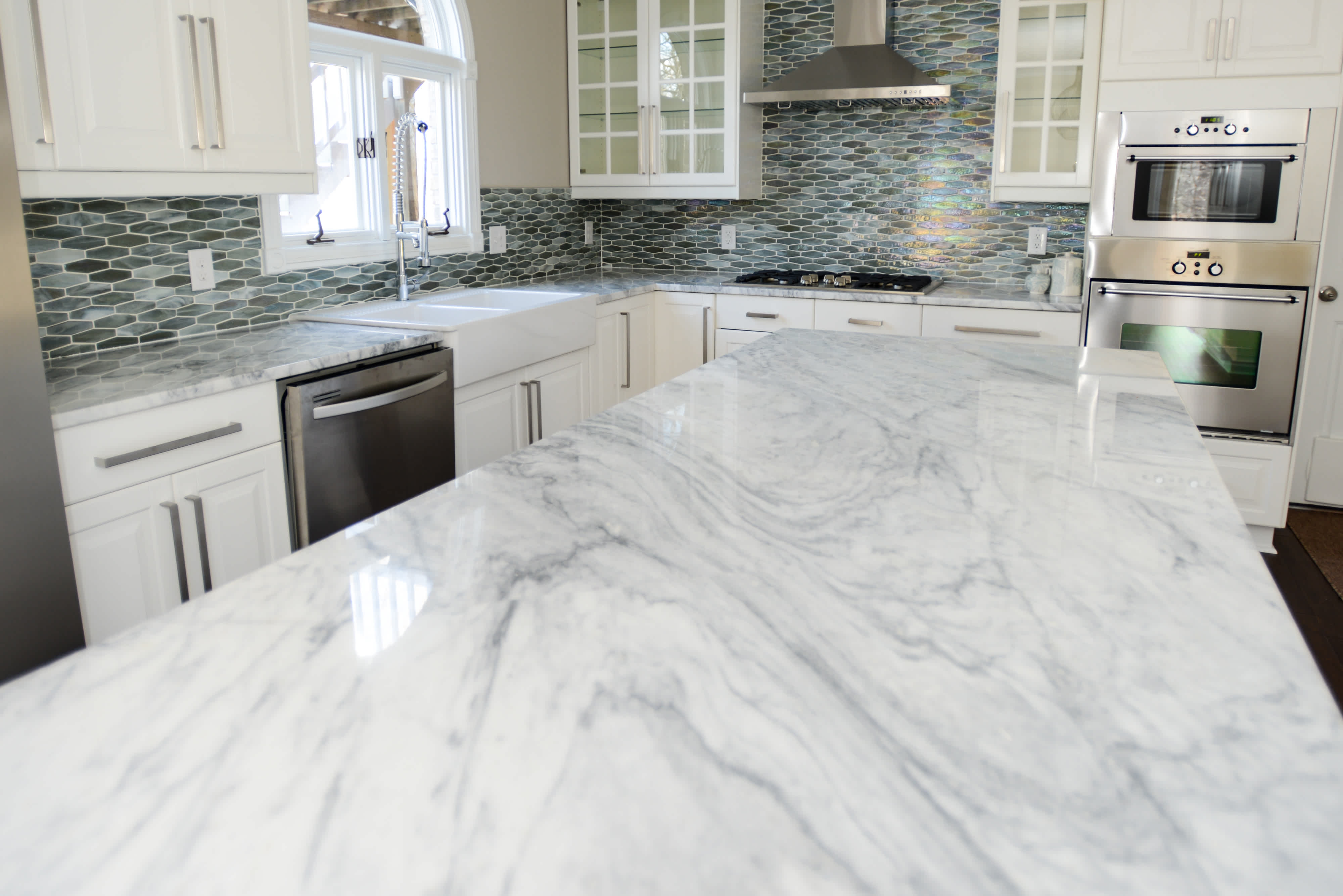
Choosing the right cleaner is essential to keeping natural stone surfaces in good condition. Find out more about pH neutral cleaners for stone surfaces.

Knowing how to raise pH in a pool might not be as exciting as doing a cannonball, but it’s an important part of ensuring everyone stays safe while having fun in the sun.
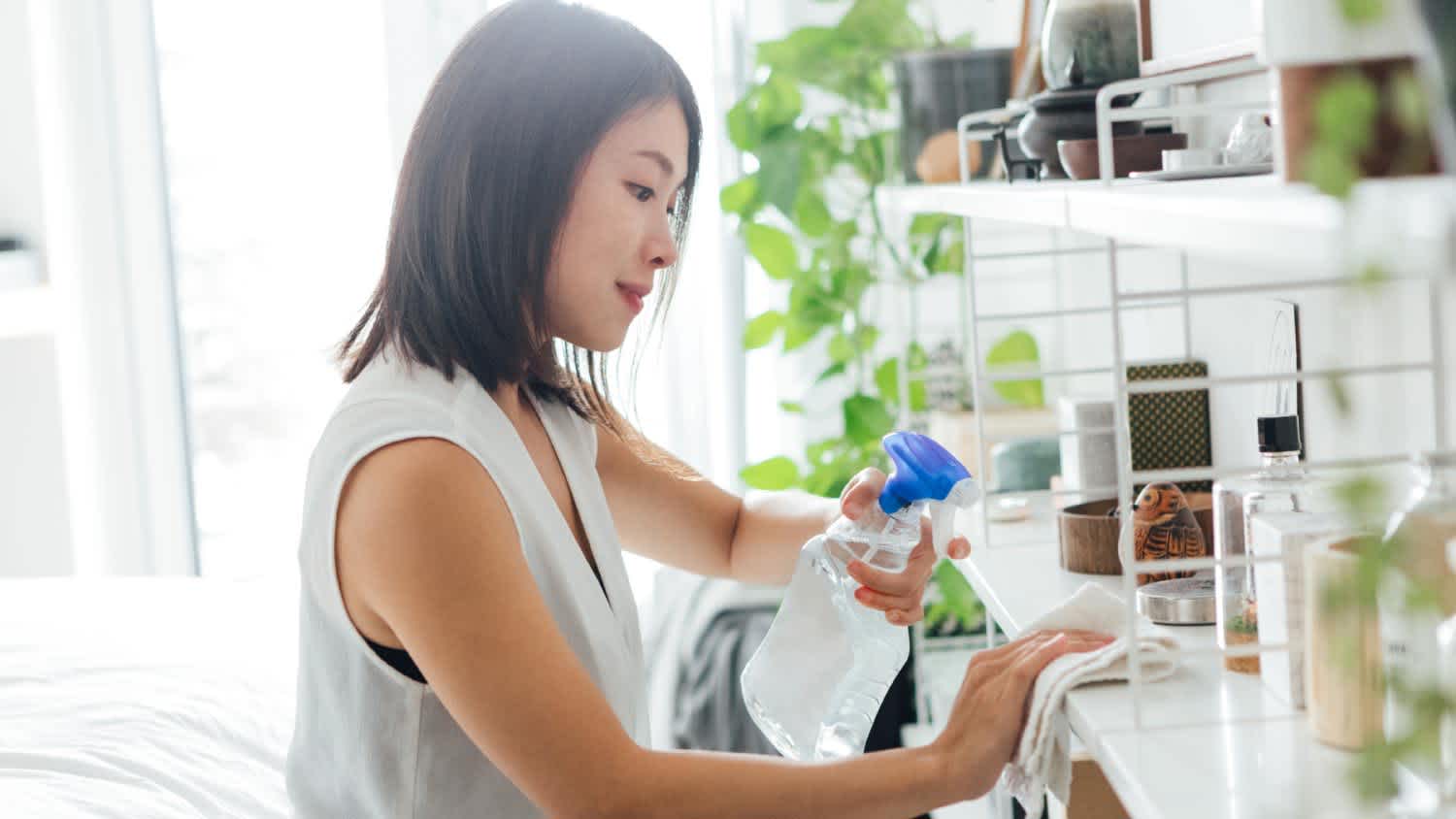
Household cleaning products with certain chemicals have the ability to increase allergic reactions in childrens and adults that could be otherwise avoided.
Saltwater pool maintenance is simpler than chlorine pool maintenance, but there is still work to be done. This guide will walk you through it.