
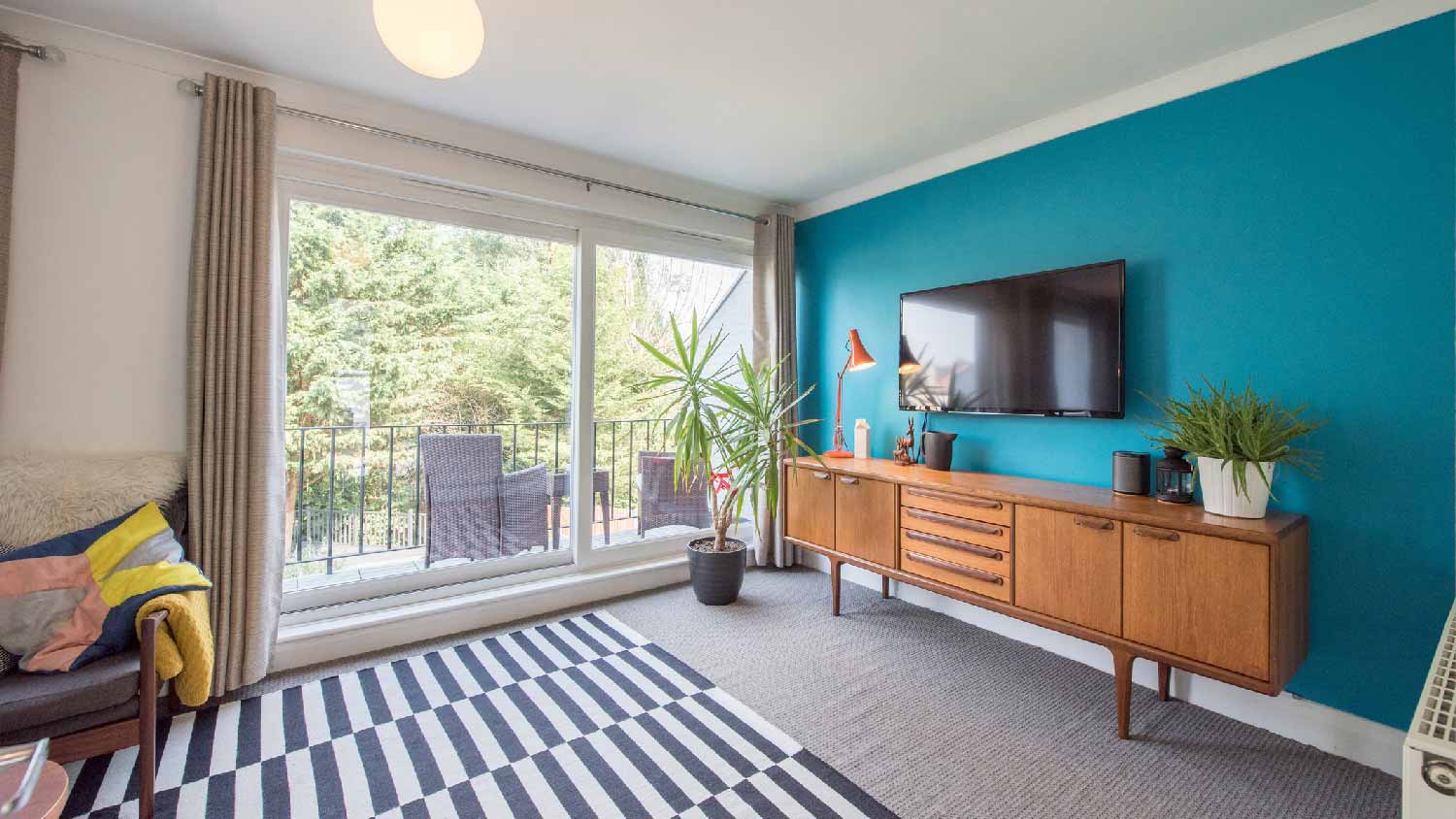
An accent wall is a great way to elevate any room. Find out how much it costs to paint an accent wall and what factors affect how much you’ll pay.
There's no need to gloss over dark paint colors when designing your home

Dark paint colors work best when you start with an accent wall, letting you test how lighting affects the color while reshaping your space without overwhelming it.
The paint sheen you choose changes how dark colors reflect light, with satin and eggshell finishes balancing shine and coverage for the whole room application.
Balancing dark walls with light-colored furniture, neutral decor, and strategic lighting opens up your space and creates depth that prevents rooms from feeling closed in.
Hiring a local interior painting professional ensures proper prep work and smooth application, helping you achieve the dramatic look you want without roller marks or uneven coverage.
There's an all-too-common misconception that only fashion-savvy interior designers get to reach for the bold and dark colors when choosing paint for a room. And as much as we're told that dark colors "shrink a space," in reality, they can actually trick the eye into seeing the room in a new way.
If you're hoping to add a bit of bold energy, cozy comfort, or drama to a space, follow these tips on how to paint with dark colors just like the professionals.
The best way to dip your toe in the dark-paint-color water is to start with an accent wall. Not only will this allow you to test out the color itself—since some factors in your room can make it look slightly different than the paint swatch—but it will also reshape the space. In a large room, a dark paint color will make that wall look closer than the others. In a small room, it could trick the eye into seeing more depth.
Painted accent walls are also an excellent idea if you plan to add a gallery of art, mirrors, or photos as well. Lean in and don't be afraid to pull focus.
If you're concerned about turning a room into an accidental cavern, light—and how it's reflected—will play a large role. Start by choosing the best paint sheen.
Semi and high-gloss paint will reflect the largest amount of light—both natural and added light—but are not ideal if you're trying to mask wall inconsistencies in an older home. And because matte reflects no light at all, satin and eggshell paints are your best bet. These options will both cover up nicks and small cracks in your wall and add a bit of shine.
While it may sound like a no-brainer, the quality of the paint and application will have a lot to do with how well a dark color works on your walls. When you add black paint to walls, for example, you're more likely to see roller marks or blotchy areas than with a lighter paint.
When reviewing how to paint a room, remember to consider your paint quality, whether it needs a primer, and how to properly prep the wall to receive the paint. Overall, take extra care with dark paint to get the look you desire.

There's a common trick for pairing rugs with hardwood floors, and the same rule goes for dark walls. In a nutshell: Contrast is your best friend.
Add light-colored, neutral furniture and decor against the dark wall. While you can also make a bold statement by matching furniture directly with the wall, contrasting lighter colors will open up the space and create more depth. A beige floor lamp, set of white picture frames, or blue macrame wall hanging will pop even more than it would have against a white backdrop.
Light plays the largest role in opening up a space, and you don't need white walls to brighten a room. Think beyond the overhead light that came with your house. Chandeliers—yes, even outside the dining room—curved floor lamps, or matching table lamps with decorative shades will play with your wall color.
If you're opting for a dark accent wall, consider placing it across from or adjacent to your primary windows so it catches the light.
When daydreaming about a dramatic dark wall, try not to get caught up on black and gray. These colors make excellent choices, but remember that green, blue, red, and purple all come in playful dark hues as well.
Choose your dark color based on your desired energy of the room. For example, some of the best colors in a finished basement include forest green or dark blue to bring the natural energy in from the outdoors. And then you have the choice of bedroom paint colors, which will have an even greater effect on your daily mood. Consider dark grays, smoky blues, or even rich roses to create a welcoming, cozy space.
Built-in bookshelves, fireplaces, and wooden staircases—each of these walls love dark paint colors. Complement natural wood, brick, or stairs with a bold paint color. If you have nearby wallpaper on one of these accents—such as going up the stairs or on the back of a bookshelf—borrow a color from the pattern to accent it further.
Bold paint colors are a great detail to consider when decorating your mantlepiece, especially because this is a great spot for decor, plants, and lighting.

When you're in a daring design mindset, you may get the urge to keep that roller rolling and paint everything in sight. While you can paint a ceiling the same color of the walls, it will give the room a more dramatic or cozy energy. This is not necessarily a bad thing, especially in a creative home office or bedroom. But a white ceiling is best if you want to balance the dark wall and heighten the room.
As for the floor and ceiling trim, you can either keep it white to tie it together with the ceiling or match the dark wall color. Differentiate the two by choosing a high-gloss paint for the trim against a flatter wall paint.
Dark hues on your walls allow you to have a bit more fun with light reflection. Gold, silver, brass, and aluminum accents fit into a wide range of home styles—from industrial design to Hollywood regency. Think metallic picture frames, a gilded coffee table, or a crystal chandelier.
Mirrors are also an excellent way to balance out dark walls. Hang a long mirror right in the center of your dark wall to pick up the light from the nearby windows and lamps.
Most importantly, try to move past the common myths about painting with dark colors. When paired with the right lighting, decor, and furniture, it does not turn a room into a cavern—and let's remember that a cavern can be incredibly cozy. And since dark colors can be a bit trickier to apply, contact a local painting company to get the job done right.
Custom Paint Jobs LLC is the go-to choice for all your painting needs. They painted both the interior and exterior of my house flawlessly. Their work speaks for itself!
 Custom Paint Jobs, LLC
Beginning with the estimate, Larry and Peyton were super helpful in getting my new condo's interior re-painted. Not only was the job well done, but also done in a super timely manner as promised.
 Five Star Painting of Plain City and Powell
From average costs to expert advice, get all the answers you need to get your job done.
An accent wall is a great way to elevate any room. Find out how much it costs to paint an accent wall and what factors affect how much you’ll pay.

The cost to paint a hallway or foyer depends on several factors, including paint type, size of the room, and whether you DIY or hire a professional.
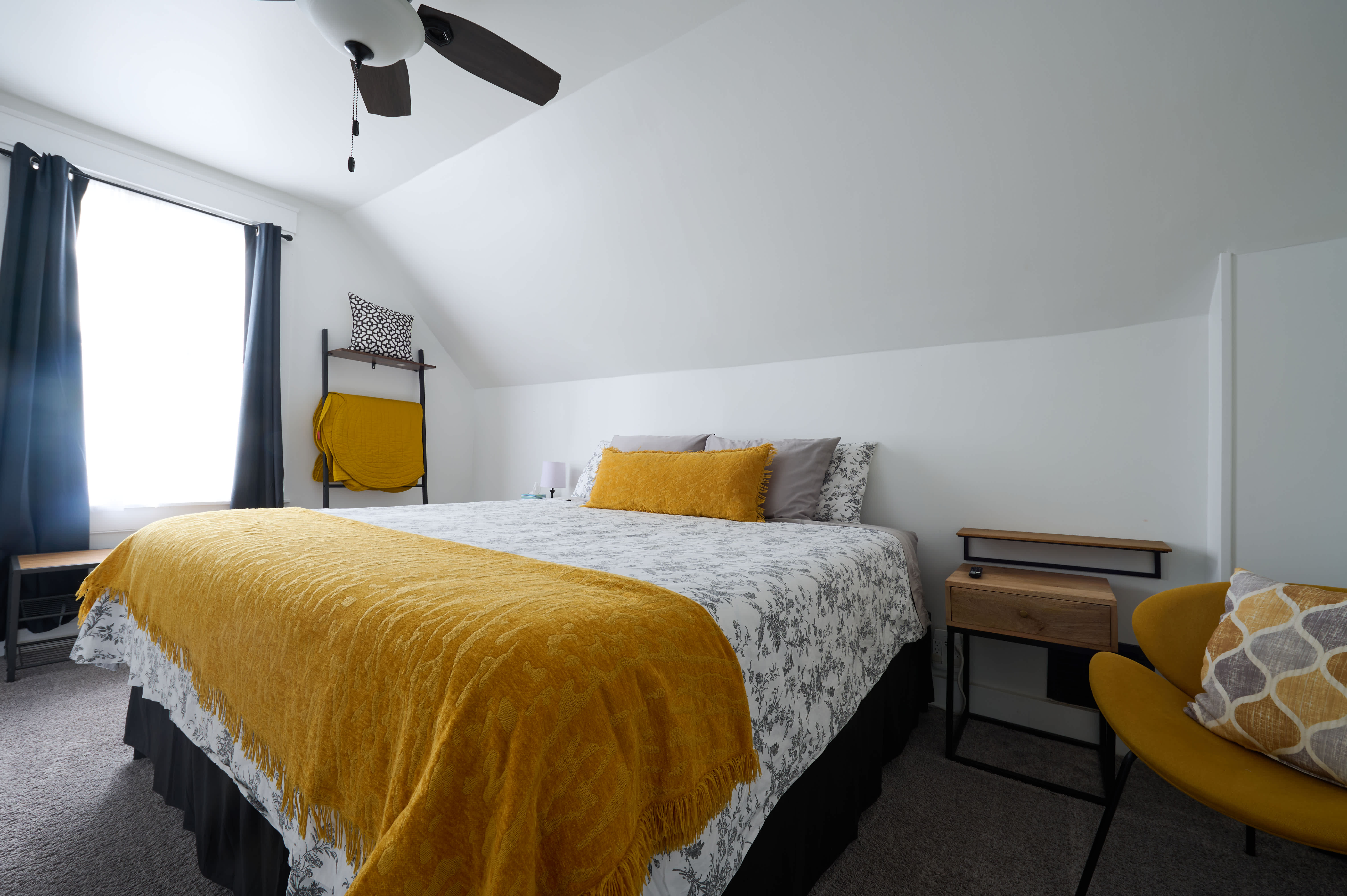
Your paint color affects how your bedroom looks and feels. Learn about the best bedroom paint colors and the top-rated paints to choose from.
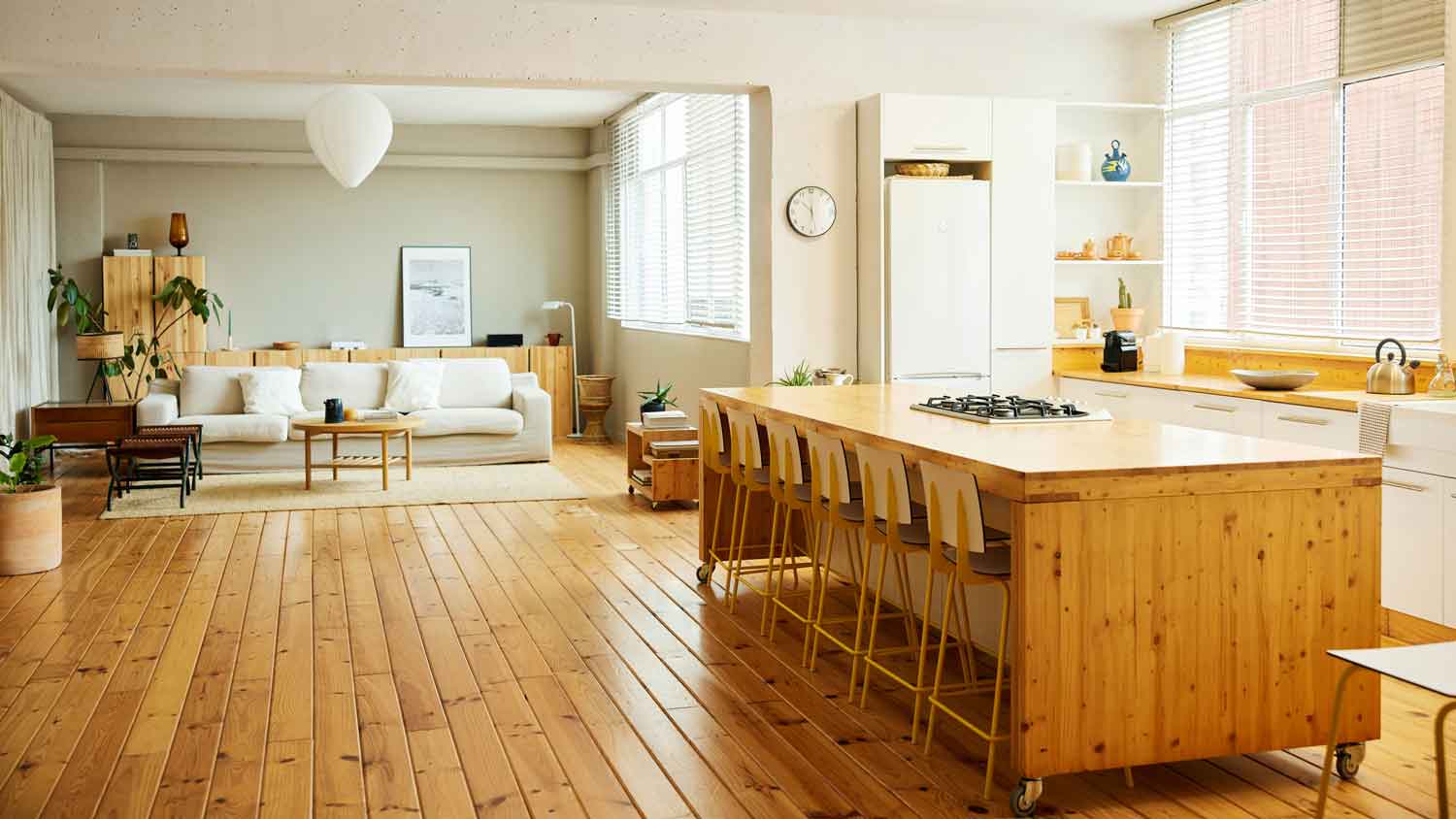
Acrylic, eggshell, and matte—the options for interior paint can be confusing. Follow our guide to learn which type of paint is best for your home’s walls.
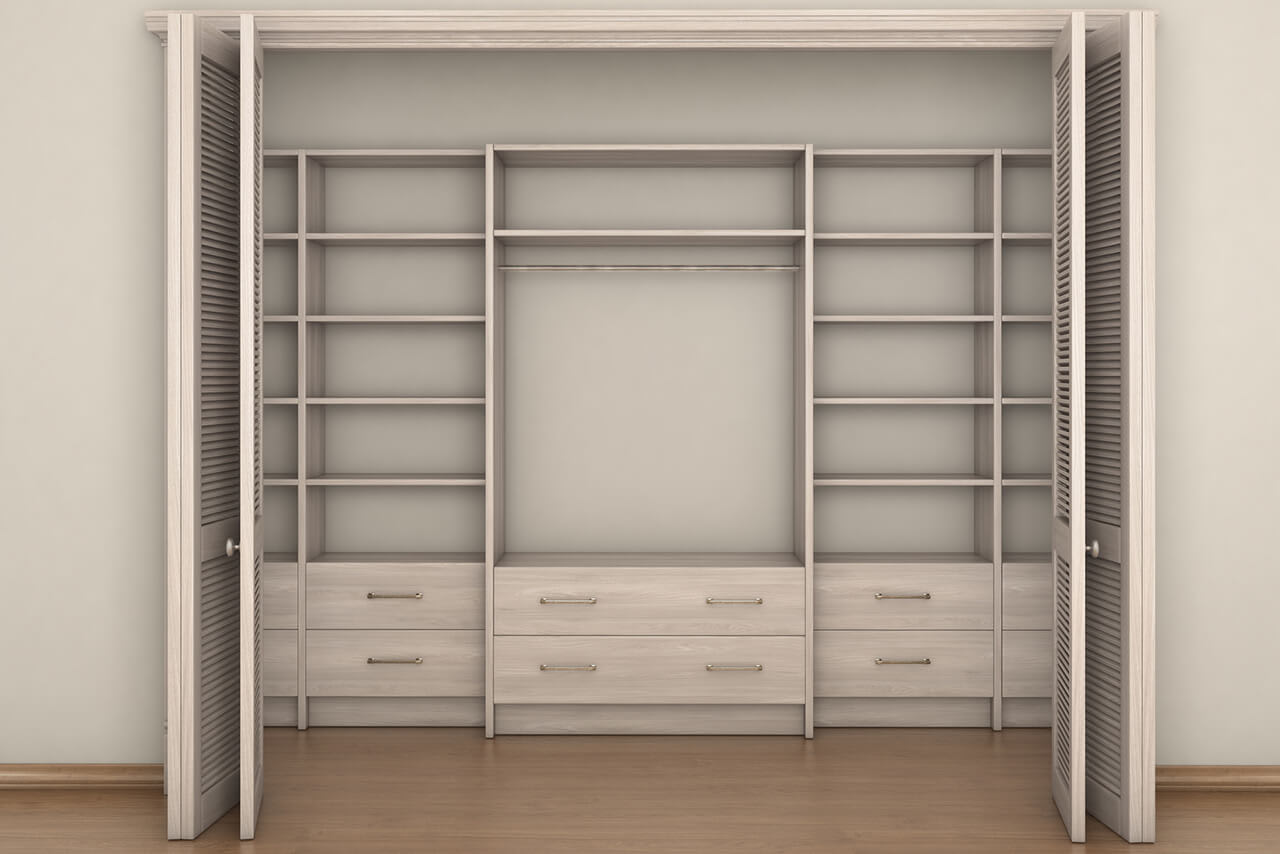
Feel instantly more relaxed and organized by giving your closet a fresh coat of paint. Learn the best colors to paint your closet walls, no matter your home’s decor scheme and your taste, along with the best kind of paint to use in closets.

Will your paint colors look different than the color swatch? Can you expect certain paints to dry darker or lighter? How does a second coat impact color? We answer these questions and more in this interior and exterior paint color guide.