
The cost to paint a house's exterior depends on its size, siding type, and height. The finish and the home's exterior condition also play a role.
Exterior painting costs depend on your project and location. Check with a local pro for your specific job.


Commercial building exterior painting costs between $2 and $6 per square foot, with most projects averaging $12,000 for your property.
Building size and the type of paint you choose impact your final costs, with specialty coatings like elastomeric or epoxy adding to the total.
Account for surface prep work like power washing, caulking, and patching, plus equipment rentals for lifts or scaffolding on multi-story buildings.
Hiring a local exterior painting professional ensures code compliance and minimizes disruption to your business during the project.
This article was created using automation technology and thoroughly fact-checked and edited by an Angi Editor in accordance with our AI policy.
In 2026, the national average cost to paint a commercial building exterior is $12,000. Most projects fall in the range of $5,500 to $18,500, with the final price driven by building size, paint type, and the extent of surface prep required. Larger or multi-story buildings typically land at the higher end of the cost range due to added labor and equipment costs.
Several factors directly shape the cost to paint a commercial building exterior, and understanding them helps you build an accurate project budget.
The type of commercial building you own directly affects painting complexity and cost, since offices, warehouses, retail spaces, industrial buildings, and apartment complexes each carry unique requirements. Single-story structures are generally less expensive to paint than multi-story buildings because they require less equipment and easier access. High-traffic retail spaces often need more durable paints or frequent touch-ups, while storage facilities can typically get by with more basic coatings.
Total square footage is the primary cost driver for commercial exterior painting, with projects ranging from $10,000 to $120,000, since costs are calculated per square foot and larger buildings require proportionally larger budgets.
Here is how costs break down by building size:
| Building Size (Sq. Ft.) | Average Cost in 2026 |
|---|---|
| 5,000 | $10,000–$30,000 |
| 10,000 | $20,000–$60,000 |
| 20,000+ | $30,000–$120,000 |
The type of exterior paint you choose significantly affects total project cost, with different options costing $25 to $150 per gallon. Commercial buildings often requiring specialty coatings for durability, weather resistance, or branding.
Premium paints cost more up front but last longer, making them a sound investment over time. Specialty finishes like anti-graffiti or waterproof coatings add to material costs, and most projects require two coats for full coverage.
Costs vary by paint type and coverage rate, as the table below shows:
| Paint Type | Cost per Gallon in 2026 | Coverage per Gallon (Sq. Ft.) |
|---|---|---|
| Acrylic | $25–$60 | 250–400 |
| Elastomeric | $40–$80 | 75–300 |
| Epoxy | $50–$120 | 200–350 |
| Specialty coating | $75–$150 | 80–300 |
Labor makes up a significant share of commercial exterior painting costs, with rates running $50 to $100 per hour or $1.50 to $4.00 per square foot, depending on crew size, building complexity, and project timeline. Urban areas and high-demand regions typically carry higher labor rates. Tall or hard-to-access buildings add to labor costs through safety measures, specialized equipment, and longer setup times, and after-hours or overtime work scheduled to minimize business disruption can increase the total further.
Proper surface preparation is essential for a long-lasting paint job, and typical prep tasks include power washing, scraping, caulking, patching, priming, and masking off landscaping or adjacent surfaces. Equipment rentals for lifts or scaffolding raise prep costs considerably on multi-story buildings, and safe disposal of old paint or debris can add environmental fees to the total.
Tipping is not standard practice on large-scale commercial painting projects, though it is appreciated when a crew delivers exceptional service or goes above and beyond. Property owners often recognize outstanding work through meals or positive reviews rather than cash, and on very large or union jobs, company policies typically make tipping uncommon.
Several other variables can affect the cost of painting the exterior of a commercial building:
Permit and inspection fees, especially for historic or high-traffic locations.
Rental or use of specialized equipment like boom lifts, scaffolding, or safety harnesses.
Decorative add-ons such as murals, logos, or custom branding.
Delays due to weather, which can increase labor and equipment rental costs.
Post-construction cleanup and site restoration.
Accessibility challenges, including tight spaces or very tall buildings.
Environmental fees for hazardous material disposal, such as lead-based paint or solvents.
Painting a commercial building is an investment that comes with ongoing costs to keep the exterior looking its best.
Professional cleaning or power washing runs $0.30 to $1 per square foot and keeps surfaces free of dirt and debris, while periodic inspections catch minor issues before they escalate. Regular maintenance extends the life of a commercial exterior paint job, and scheduling touch-ups every two to five years based on your building's exposure and local climate helps you avoid the cost of a full repaint.
Choosing the right exterior paint can improve your building's energy efficiency, since reflective or light-colored coatings reduce cooling costs in warmer climates. Branded or specialty finishes may need more frequent touch-ups or reapplication to stay sharp, and properties in graffiti-prone areas should budget for ongoing removal or reapplication of anti-graffiti coatings.
Before or after painting, you may need to address repairs such as patching stucco, fixing siding, or sealing cracks, with costs ranging from $500 to $5,000 depending on the extent of damage and materials required. Resolving water damage, mold, or structural issues before painting ensures the new finish lasts longer and protects the building.
Most commercial painting contractors are required to carry liability and workers' compensation insurance, and high-risk or high-rise projects may call for additional insurance riders that increase overall costs. A well-maintained exterior can sometimes lower your property insurance premiums by reducing risks tied to water intrusion or exterior deterioration.
Painting a commercial building exterior yourself can seem cost-effective, but there are important factors to consider. DIY costs include materials, equipment rental (such as lifts or scaffolding), safety gear, and permits. While you can save on labor, the time commitment is significant, and there are safety and quality risks.
Required skills include surface prep, paint application, and compliance with safety codes. DIY is only practical for small, single-story buildings with easy access. Larger or multi-story projects demand professional crews with the right equipment and training.
DIY painting can take several weeks, while a professional team may complete the job in a fraction of the time with better results. Pros also ensure code compliance and minimize disruption to your business.
Several add-ons can enhance your building's exterior, but they also increase the total cost:
Specialty coatings such as anti-graffiti, waterproof, or fire-resistant finishes.
Custom color matching or branded color schemes to reflect your business identity.
Murals, logos, or decorative graphics for unique curb appeal.
Surface repairs or upgrades, like siding replacement or masonry repair.
Window and door trim painting for a polished look.
Pressure washing or cleaning services before or after painting.
Protective sealants or weatherproofing for lasting durability.
Additional coats in high-traffic or harsh climate areas for extra protection.
Smart planning and a few strategic choices can help you lower the cost to paint the exterior of a commercial building:
Obtain multiple quotes from reputable local exterior painters to compare pricing and services.
Schedule painting during off-peak seasons when contractors may offer better rates.
Prepare the site in advance by clearing obstacles to reduce labor hours.
Choose durable, high-quality paints to extend the interval between repaints.
Bundle painting with other exterior maintenance tasks to save on mobilization costs.
Limit customizations or specialty finishes to essential or high-visibility areas.
Negotiate for discounts if you have multiple properties or plan repeat business.
Maintain painted surfaces regularly to reduce the need for major repainting.
Opt for standard paint options to lower material and labor costs, while still delivering a professional result.
Home is the most important place on earth, which is why Angi has helped more than 150 million homeowners transform their houses into homes they adore. To help homeowners with their next project, Angi provides readers with the most accurate cost data and upholds strict editorial standards. We extensively research project costs to develop the pricing data you see, so you can make the best decisions for you and your home. We rely on reputable sources, including the U.S. Bureau of Labor Statistics, academic journals, market studies, and interviews with industry experts—all to ensure our prices reflect real-world projects.
Want to help us improve our cost data? Send us a recent project quote to [email protected]. Quotes and personal information will not be shared publicly.
Custom Paint Jobs LLC took our exterior from drab to fab! We couldnt be happier.
 Custom Paint Jobs, LLC
From average costs to expert advice, get all the answers you need to get your job done.
The cost to paint a house's exterior depends on its size, siding type, and height. The finish and the home's exterior condition also play a role.
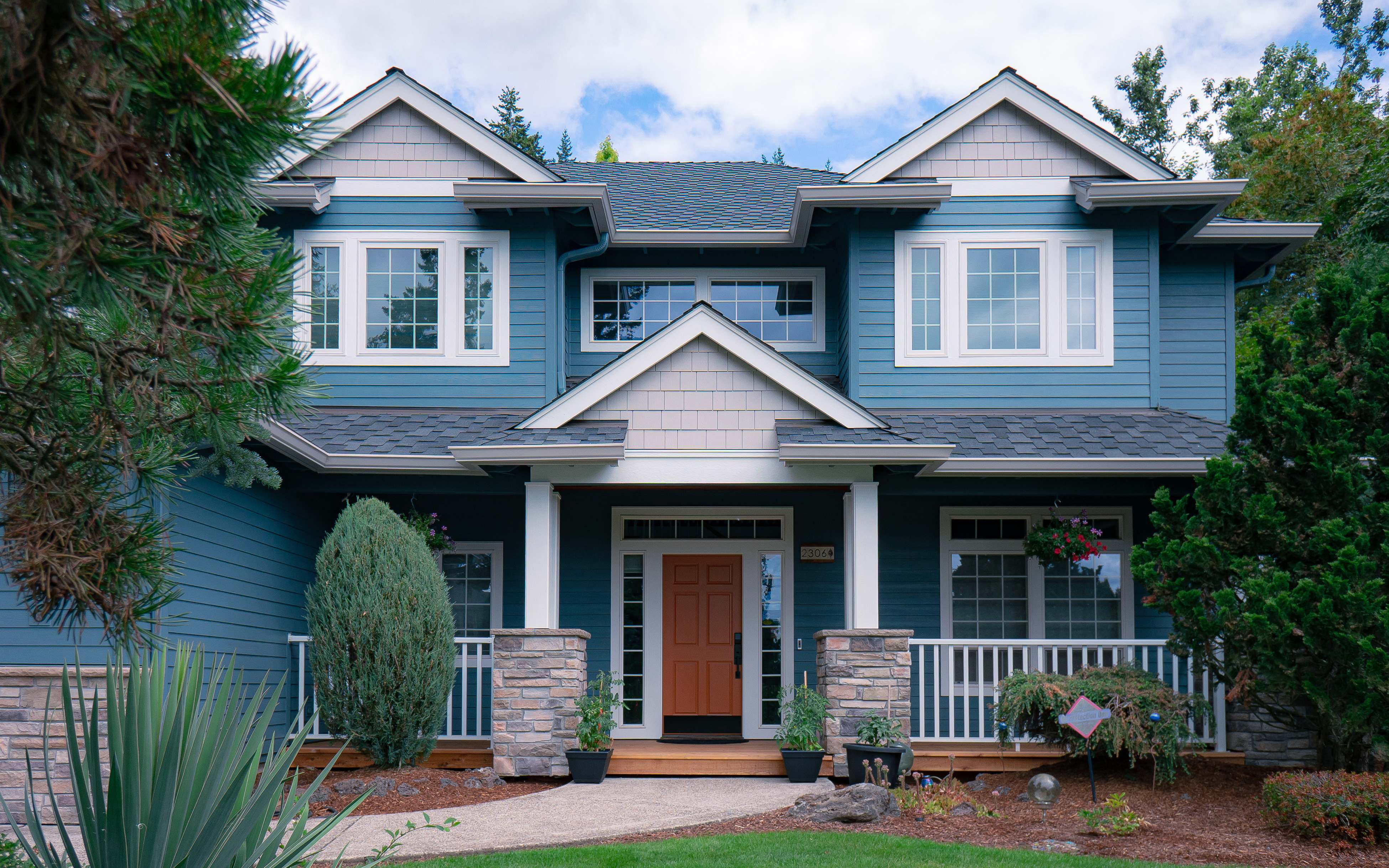
Painting your home can give it a fresh new look, but how much will it cost? Here’s what you might pay for interior and exterior paint projects.
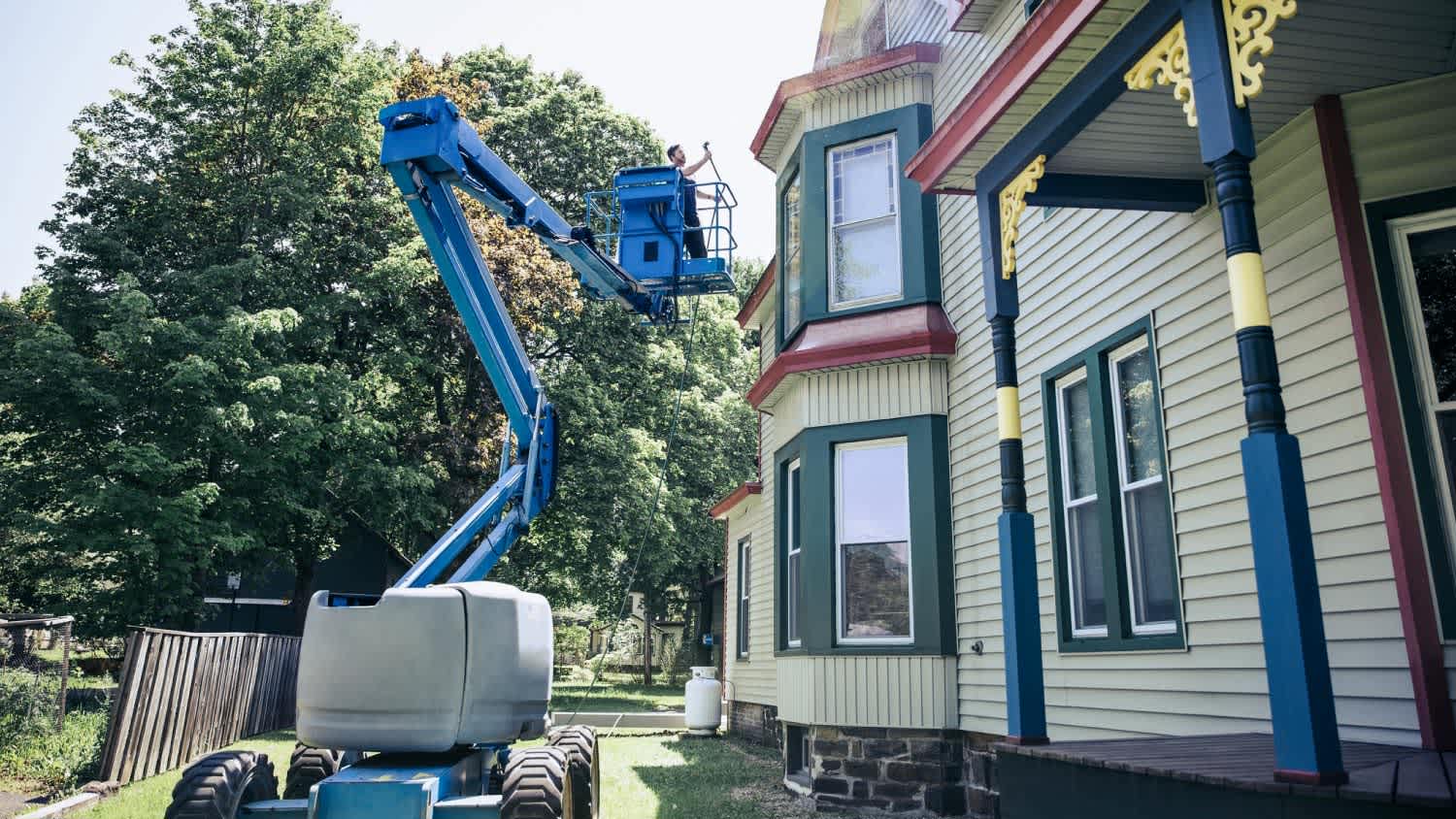
Painting your house increases curb appeal and durability, but you may need to rent a lift for the project. Here’s a breakdown of cost by lift type and height.
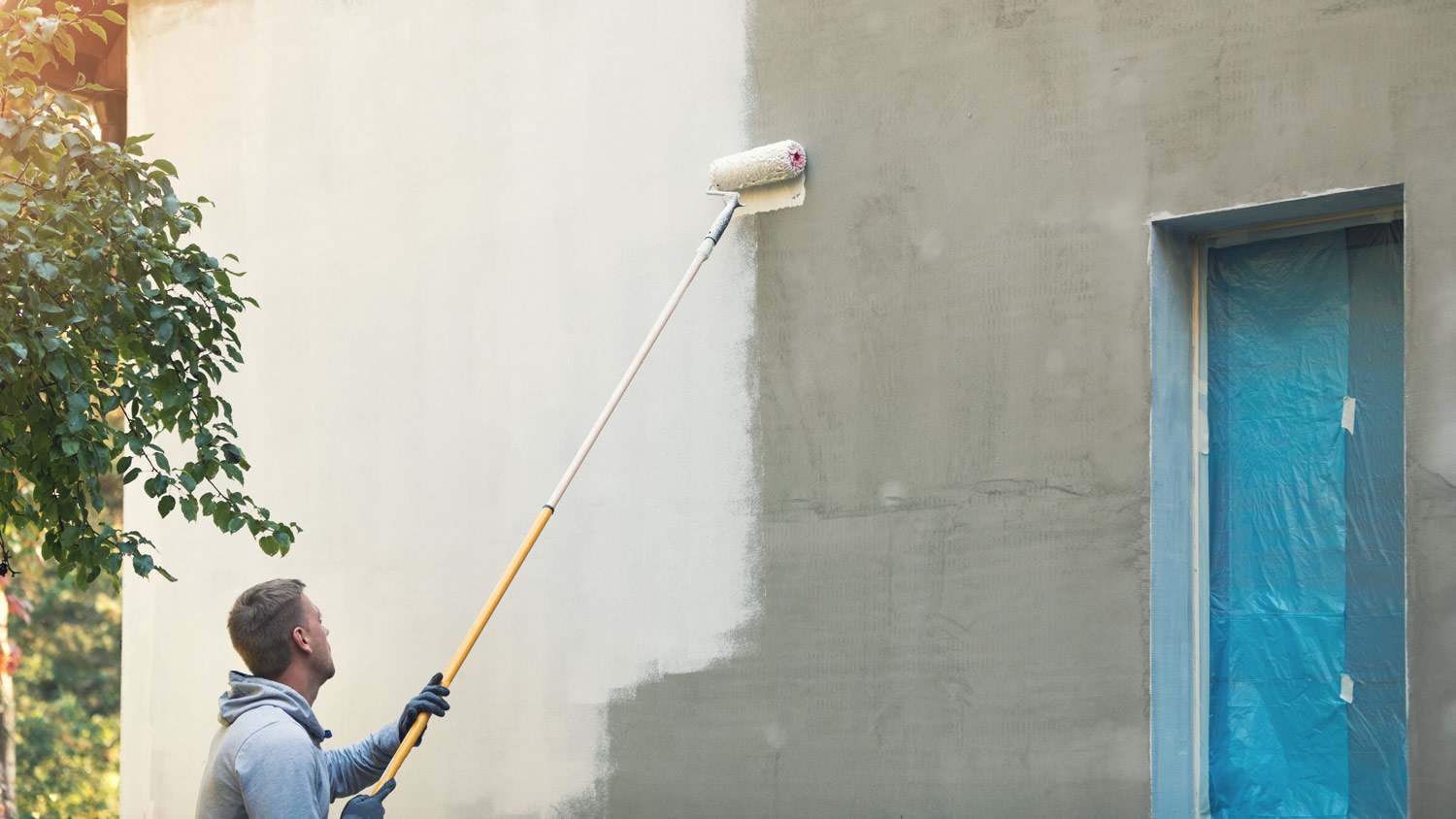
If you’re tired of seeing faded, chipping paint on your house every time you pull into the driveway, it’s time to repaint your home’s exterior. Follow these steps to prepare your home for a flawless exterior paint job.
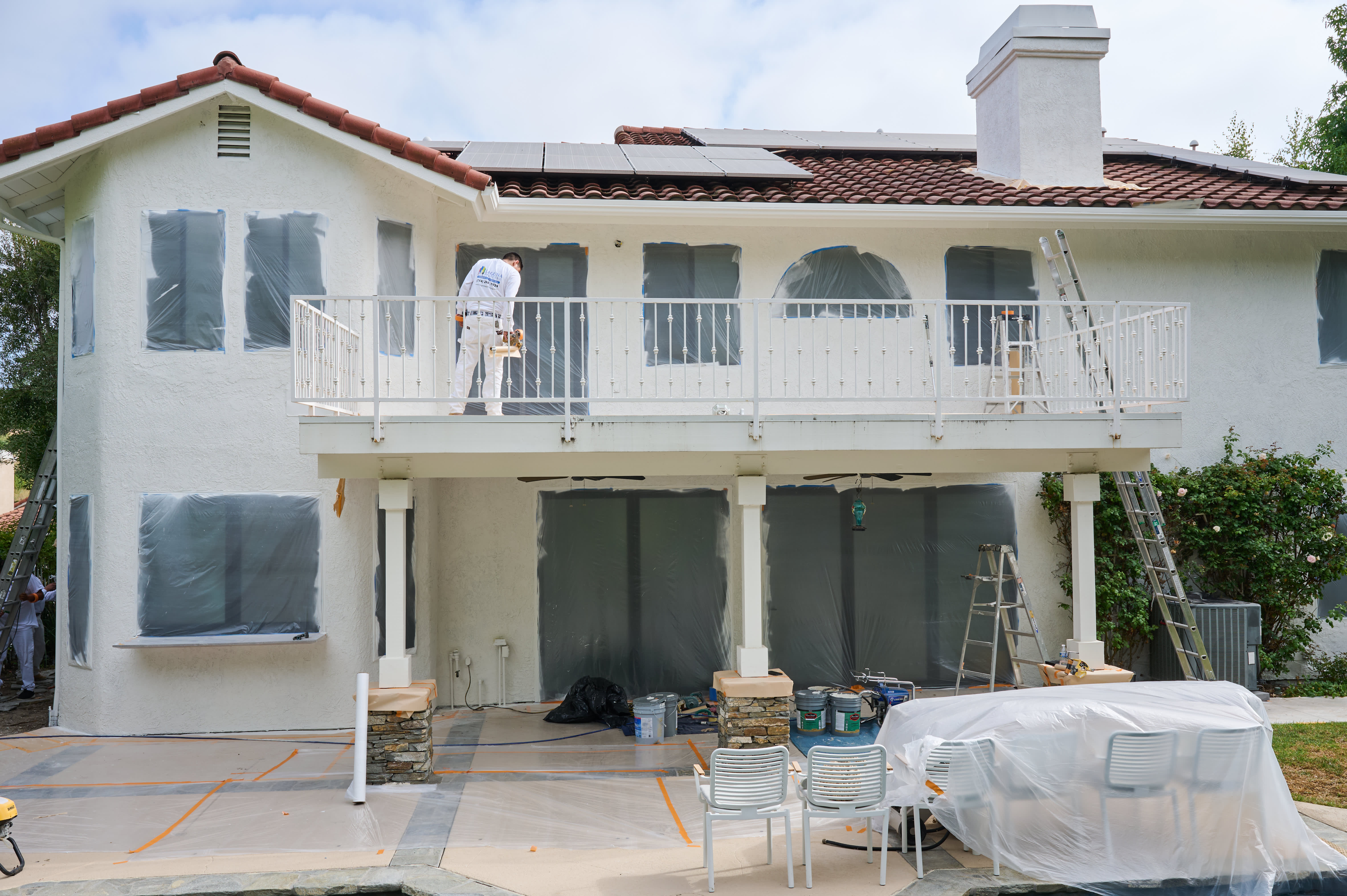
The best time to paint a home’s exterior depends on where you live. Read this to learn more about when to paint your house.
Wondering who to hire for exterior painting? Learn when to call an exterior house painter, and get expert tips to choose the right contractor.