

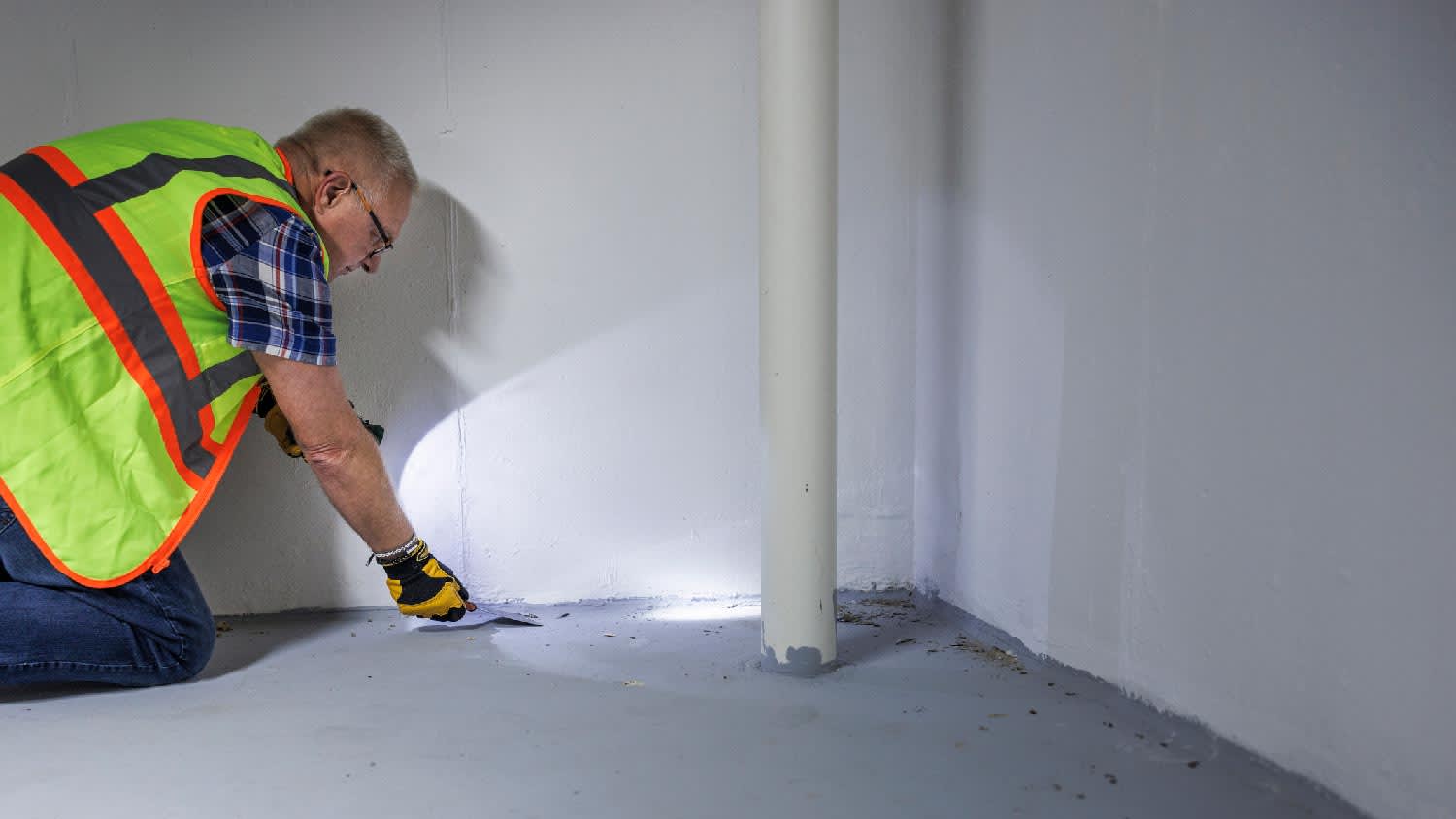
The cost of a mold inspection might seem high, but it’s one of the best investments you can make for your health and home. Read on to learn cost-saving tips.
Dust off your knowledge about these two unwanted houseguests

The difference between dust and mold shows in appearance: dust settles as a thin gray film, while mold grows in circular patterns with varied colors.
Mold thrives when your home's humidity stays above 50 percent, making moisture control through dehumidifiers and ventilation your best defense against growth.
Cleaning mold requires antimicrobial spray and proper ventilation, while you can remove dust with simple wiping or vacuuming to keep surfaces clear.
Hiring a local mold removal professional provides reliable help with safe removal using specialized equipment and protective measures to keep your home healthy.
The differences between dust and mold may not be instantly discernable, but with this guide, you should become pretty confident in deciding which is which. Most of the time dust is an annoying chore, but mold needs to be taken seriously from the get-go. When you’re dealing with either dust or mold, there’s no benefit to putting off a thorough cleaning and, if it’s required, calling in a pro.
Here are the outlet types you find in most U.S. homes:
15-amp, 120-volt (2-prong and 3-prong): The standard household outlet for lamps, TVs, and chargers.
20-amp, 125-volt: A higher-power outlet for kitchens, laundry rooms, and workshops.
240-volt (20-amp to 50-amp): A large-appliance outlet for dryers, ranges, and EV chargers.
GFCI: A shock-protection outlet for kitchens, baths, and other wet areas.
AFCI: A fire-protection outlet for bedrooms and living spaces.
Tamper-resistant: A child-safe outlet with internal shutters, now standard in new homes.
Weather-resistant: A corrosion-resistant outlet built for outdoor use.
Convenience types: Switched, combination, USB, smart, and rotating outlets.
| Type of Difference | Dust | Mold |
|---|---|---|
| Size | 5–100 microns | 3–40 microns |
| Color | White/Gray | Any |
| Smell | Dirty, musty | Damp, earthy |
| Humidity Preference | Any | 50%+ |
| Toxicity | Low | High |
| Growth Rate | None | High |
| Removal | Simple wipe | Specialized removal |
| Prevention | Regular cleaning | Moisture control |
Dust and mold tend to settle on surfaces a bit differently so most of the time, it isn’t difficult to tell them apart. Dust settles as a thin film on surfaces. It looks uniform, almost like someone dusted a super thin layer of gray powder on a surface. Mold, on the other hand, can grow up walls and—unfortunately—comes in all types of shapes, sizes, and designs.

Dust is almost always gray or whitish in appearance. Certain kinds of dust, like coal dust, may be darker, but household dust is gray. There is the classic image of the white-gloved finger checking for dust. Dust wipes off a bit darker than it looks on a surface, giving off a dark gray hue when it collects on a duster or cloth.
Dust and mold particles are impossible to differentiate by size without a microscope. Microns are tiny, and when we see dust or mold we are seeing millions of them in every square inch. It is more beneficial to differentiate between the size of a large amount, which is the size of a quarter or more.
Dust accumulates slowly, mostly on horizontal surfaces like shelves, tables, and windowsills. It isn’t spotted or streaked like mold, which usually starts by growing in circular, web-like patterns. Mold starts to be visible when it's the size of a pinhead but grows quickly.

According to the BBC, two-thirds of all dust comes from the outside. However, never opening doors or windows isn’t practical. Ensuring proper ventilation in your home is far more important than limiting dust, so don’t worry about opening windows or doors. Placing doormats at door entrances, sealing all cracks to the outside, and cleaning surfaces regularly will prevent a good deal of dust from forming. You can’t eliminate it all, unfortunately.
Preventing mold boils down to one strategy—humidity control. Ideally, you would have hygrometers in every room to measure the moisture in the air, but it’s OK to have just one in a central part of your house–usually a living room.
Preventing mold in your house involves:
Adding dehumidifiers to humid rooms
Ventilating regularly
Running the bathroom fan whenever in use
Regularly cleaning surfaces with antimicrobial spray
Fixing all leaks immediately
Regularly cleaning your HVAC system
Air purifiers can work, especially if they’re part of your HVAC system. However, you shouldn’t rely on them, as humidity is the main factor when dealing with mold.

Cleaning dust involves little more than a dust wipe, vacuum, or dust brush. Remember to ventilate the room so the dust can flow outside. Otherwise, you may just rearrange it as it lands on a different surface.
Unlike dust, mold requires powerful chemicals to remove it. Bleach and vinegar work well, but the best treatment is a microbial spray specifically developed to kill mold spores. Cleaning mold requires total ventilation of the room, personal protective equipment, and disposable cleaning supplies.
Dust can be many different things, sometimes even dead mold. Generally, unless someone has an allergy, dust isn’t really toxic. There are very specific instances where particles can settle which are actually harmful, but we’re talking about nuclear fallout, asbestos dust, coal dust, and dust from pesticides and lead. Normal everyday household dust is an annoyance, but not a serious danger.
Mold—depending on which kind—can start as an annoyance. It manifests as relatively minor respiratory issues but some molds are so toxic, those issues can quickly escalate into respiratory failure or nervous system damage.
For safety reasons, almost every type of mold requires professional removal. A local mold inspection and testing professional will be able to ensure your house is safe during and after removal.
This service was great. My air conditioner went out during the heat spell that we had. My husband has health issues and they came out that night and at 9:30pm the air conditioner was fixed and running. We are sooo very thankful, this is the company I will be using from now on and would...
 Mr. Mechanical Ohio
I would recommend this company to anyone! He showed up on time, was friendly, completed a very difficult repair on our dryer vent cover, was responsive, and pricing was extremely fair and competitive. I would have him back to do any of our repairs or cleanings without hesitation!
 U.S.A. Dryer Vent, LLC
The technician was very professional and friendly. He answered all my questions and was very thorough. He left the fireplace area very clean . He inspected from the roof and advised me as to other work that might need to be done. There was no pressure there. I was very satisfied with the...
 Supreme brick & chimney
Ace Fireplace Services came to the rescue for my chimney repair. They were quick to pinpoint the issue and worked their magic to fix it. My chimney is now in excellent shape, and I'm a satisfied customer.
 Ace Fireplace Services
Professionalism, quality, and affordability - Custom Paint Jobs LLC checks all the boxes.
 Custom Paint Jobs, LLC
On time, clean and finished fast. Windows seem sturdy and the finish is good. Caulking was done with no smudges. Would recommend.
 Window Depot USA of Central Ohio
Great job...edging and pre clean up went well with a great job with seal coat. Friendly, efficient and professional.
 All Star Paving and Sealing
Scott did not get appropriate access to the property prior to the scheduled inspection which required us to come back later in the day to complete it. He also, unprofessionally, knocked on a neighbor?s door in his attempts to reach someone with access. His overall report was fine though the...
 Security First Home Inspections
Did a great job replacing the ice maker and water regulator on my refrigerator. He was quick and thorough, very friendly and professional. If I needed a heart transplant I'd want him to do it!!!
Scott checked our large crawl space for mold and water infiltration and recommended a viable solution. The crew was efficient and they cleaned up well after the job. The job was expensive but I am confident that I won't have to deal with the problem again. Highly recommend.
 AdvantaClean of Dublin
From average costs to expert advice, get all the answers you need to get your job done.
The cost of a mold inspection might seem high, but it’s one of the best investments you can make for your health and home. Read on to learn cost-saving tips.
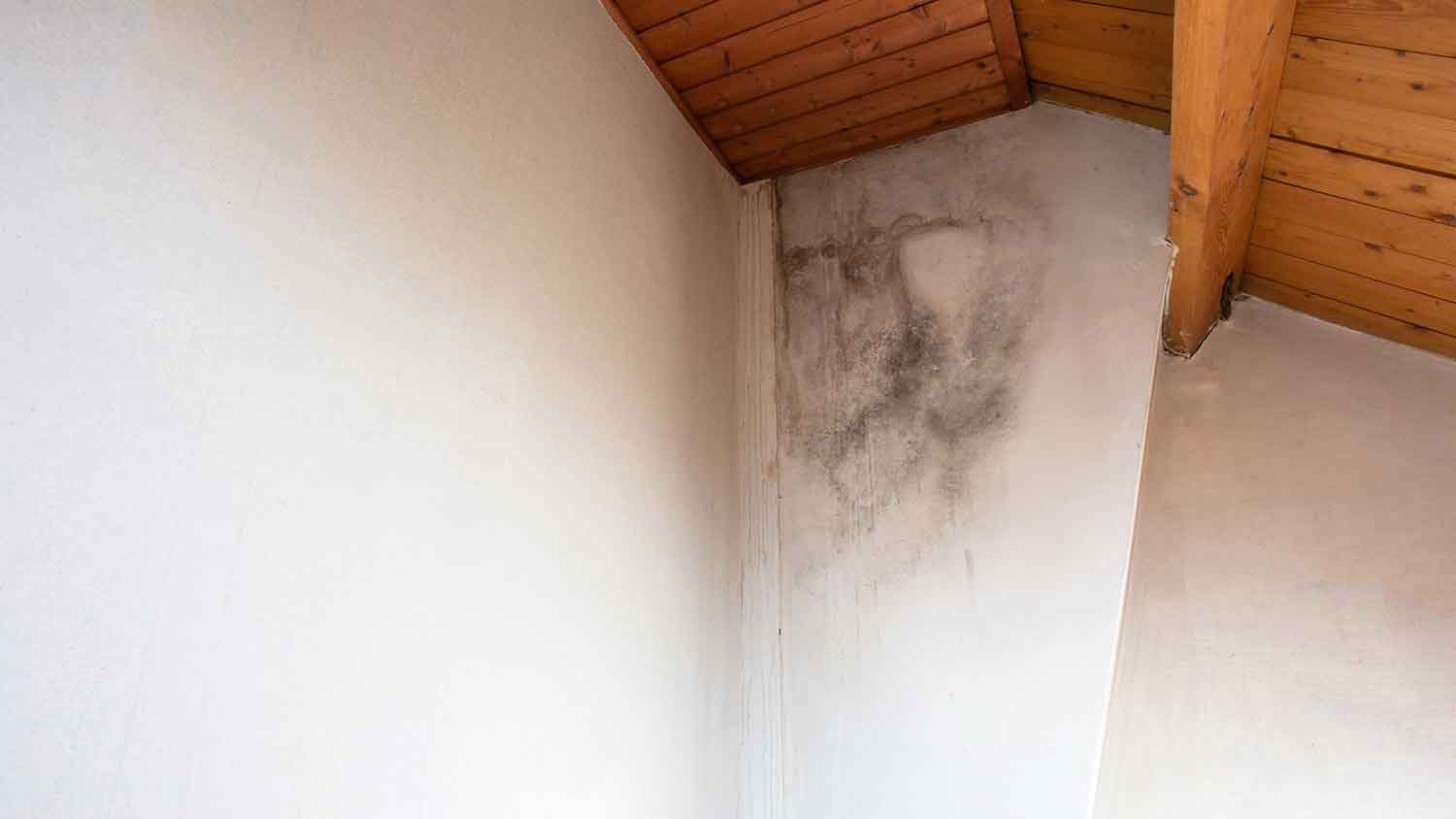
If you aren’t sure what type of mold is in your home, keep reading for a detailed breakdown of white mold vs black mold to see if one or the other is the culprit.
When you see an odd substance on a wall or another surface, our tips can help you understand the differences in fungi vs. mold for proper remediation.
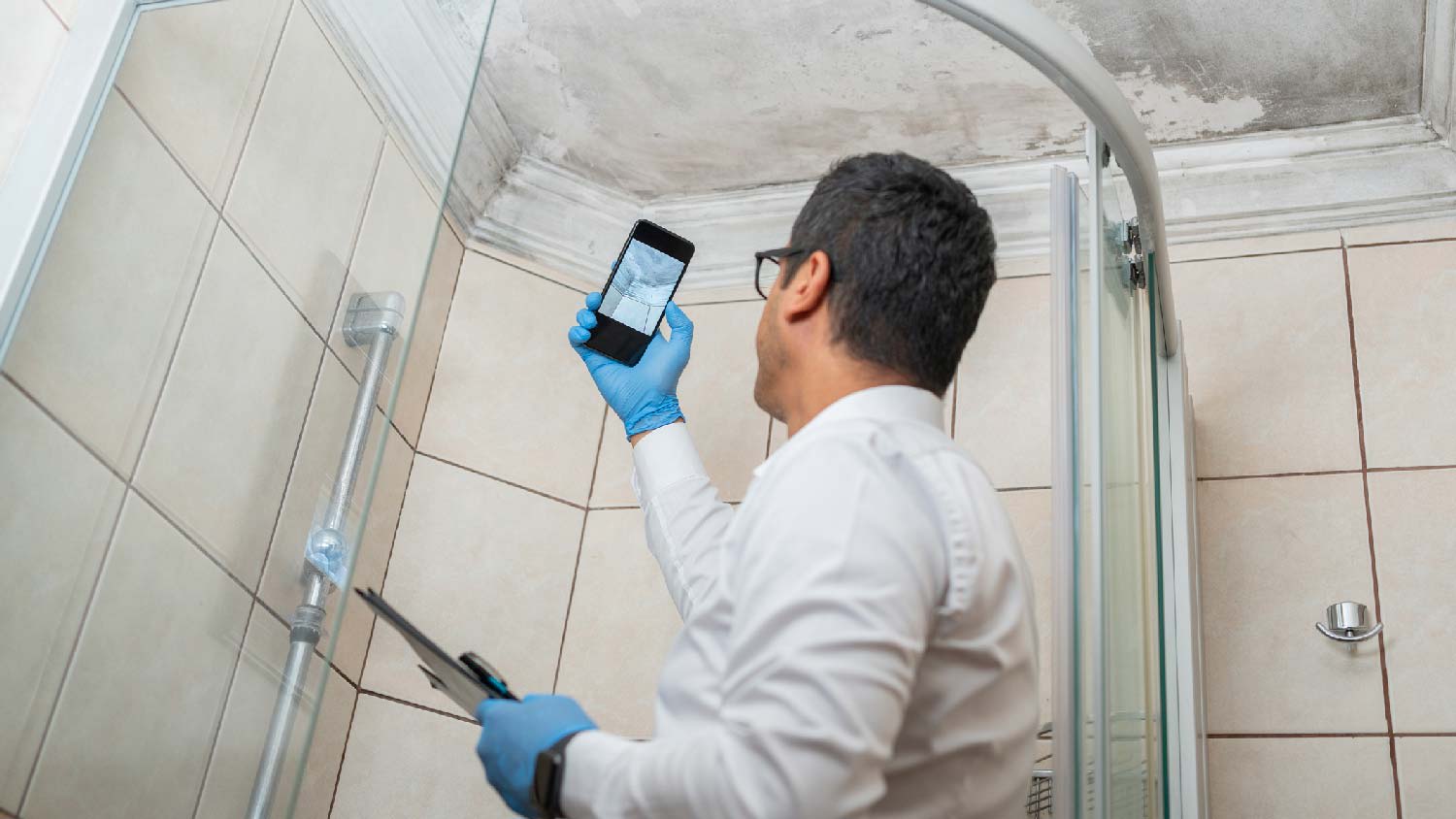
Got something fuzzy growing in your home? Learn the difference between green mold vs. black mold, and what you should do if you see it growing.

When you see some sort of growth in a damp area of your home, you want to know the differences between mildew and mold. Learn more about these two types of fungi.

Common symptoms may indicate black mold in your AC unit. This guide walks you through what to look for when finding and preventing it.