
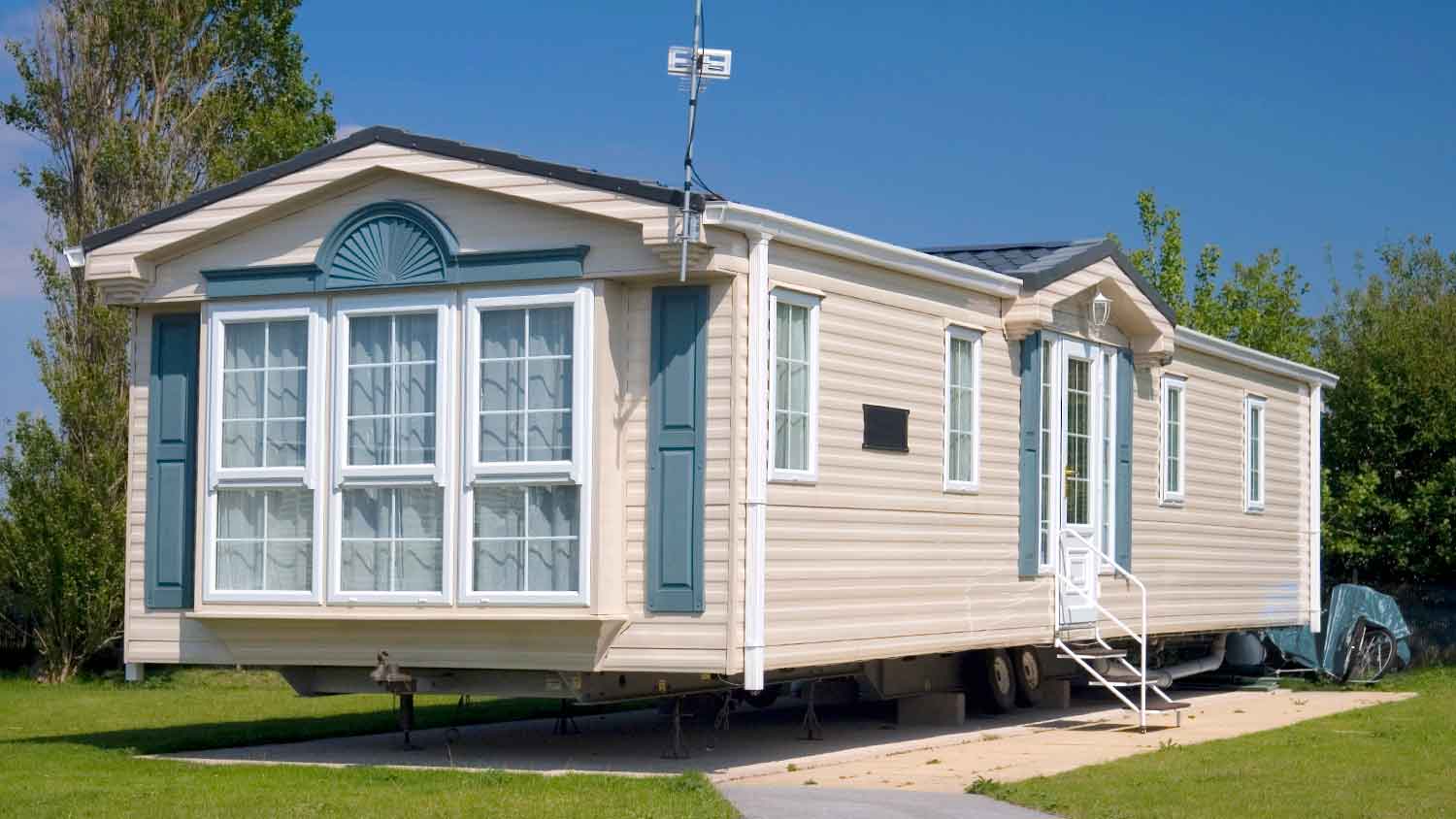
The cost to re-level your mobile home depends on your home’s location, size, and whether it needs extra support. Read more about the cost of leveling your mobile home.
A guide to getting your mobile home grounded

Your mobile home foundation depends on ground slope, soil type, climate conditions, and whether you plan to expand your home in the future.
Pier and beam foundations cost $1,000 to $2,000, while slab foundations range from $4,000 to $9,000 and basement foundations from $12,000 to $25,000.
Check your area for earthquake, flood, and freeze risks before choosing a permanent foundation, as these factors affect which type works best for your home.
Hiring a local foundation professional provides reliable guidance on permits, soil analysis, and selecting the right foundation design for your mobile home's weight and location.
Selecting a foundation for your mobile home requires weighing the pros and cons of all the options, and deciding which is appropriate for your location and the home addition permits you need.
All mobile home foundation types fall into one of two categories: permanent or non-permanent. The definition of what a permanent foundation is can vary based on your city and state. And while pier and beam foundations are the most popular choice, some types of mobile home foundations are better, for instance, in earthquake-prone areas than others. Read along to discover all the types of mobile home foundations and decide which is the best for you.
| Type of Foundation | Cost Range |
|---|---|
| Pier and Beam | $1,000–$2,000 |
| Slab | $4,000–$9,000 |
| Basement | $12,000–$25,000 |
| Pit | $2,000–$6,000 |
| Runner | $2,000–$8,000 |

This is one of the most popular types of foundations for mobile homes. Pier and beam foundations are constructed with anchors that hold your home down and steel straps that connect them to the frame’s beams, which are typically made of concrete. The beams are fixed to a concrete slab. Since pier and beam foundations can settle over time, it's important to know how to hire a foundation repair contractor.
| Pros | Cons |
|---|---|
| Freeze and flood-resistant | Leveling issues over time |
| Low cost | Less visually appealing |
| Safe for earthquakes | Lower resale value |
Best for: Budget-friendly foundation in earthquake zones

The name says it all: A slab foundation is essentially one large piece of poured concrete, usually placed on top of 4 to 6 inches of gravel or sand. Usually, the concrete slab is slightly larger than the home, and home skirting is used to cover the gap between the slab and the home.
| Pros | Cons |
|---|---|
| Low cost | Not safe on steep slopes |
| Quick and easy construction | Poor insulation against freezing weather |
| Safe for earthquakes and floods |
Best for: Foundations on flat ground

Basement foundations are expensive, but they offer the best resale value, making them a wise investment. As they are constructed by a local foundation contractor to match the precise measurements of your home, they offer superb support and allow you to increase the square footage of your home. Usually, basement foundations are partially or fully below ground and can be a good choice if you have rocky or sandy soil below your home.
| Pros | Cons |
|---|---|
| Increases square footage | Higher cost |
| Raises resale value | Prone to moisture and flood damage |
| Safe on steep slopes | Difficult to install |
| Earthquake-resistant | Strict building codes |
Best for: Adding storage space below a mobile home

Pit foundations are similar to basement foundations, except the process involves digging a pit in the ground to design a crawl space. This option is less expensive than basement foundations but still pricier than other options and doesn't allow you to add additional living space to your home.
| Pros | Cons |
|---|---|
| Increase storage space | Cannot be used as living space |
| Ideal for sloped lawns | Higher cost than some options |
| Cheaper than a basement foundation | Comparatively expensive maintenance |
Best for: Low-cost alternative to a basement foundation

Runner foundations are made from thin slates or pads of concrete that are poured along the length of the home. Below the pads, you’ll typically find a layer of stone or gravel to stabilize the base. Rebar is laid with the concrete poured on top. Runners are a good option for homes that are built on flat ground in an area without high humidity or rain. However, they lack the ventilation that a foundation like a pier and beam provides.
| Pros | Cons |
|---|---|
| Low cost | Not ideal on slopes |
| Easy plumbing installation | High maintenance costs |
| Options to expand | Not ideal in high-moisture areas |
Best for: Budget-friendly foundation in dry zones
Always begin by hiring an experienced structural engineer to discuss your mobile home foundation options. A professional can look at your budget, the size of your home, the details of the land, and your local climate to make the best call. Here are some specific factors to keep in mind when choosing a foundation design.
The foundation installation cost and long-term maintenance costs
Earthquake risks in your area
Flood, freeze, and storm risks in your area
Protection against local pests and burrowing animals
The slope of your group
Makeup of the soil and how it changes throughout the year
The size and weight of your mobile home
You and your foundation contractor will then determine a timeline for the build depending on your needs. Be sure to keep long-term care in mind as you choose, and chat with your foundation team about the best foundation maintenance tips to safeguard your investment.
Positive experience. As previously stated, the replacement/repair could not be completed (no fault of the plumbing tech) b/c misinformation was rec?d by property management maintenance. Thanks to the plumbing tech for your efforts. Appreciate you!
 The Waterworks
Carpet repair done well. Scheduling was easy. Showed up on time.
 BR Flooring Installation
I would recommend this company to anyone! He showed up on time, was friendly, completed a very difficult repair on our dryer vent cover, was responsive, and pricing was extremely fair and competitive. I would have him back to do any of our repairs or cleanings without hesitation!
 U.S.A. Dryer Vent, LLC
Everything from initial contact to completion was absolutely top notch. We contacted the business during off hours to leave a message, and the owner still reached out to feel out the issue within minutes. We were scheduled and repaired within 48 hours. I cannot say enough about the...
 Supreme brick & chimney
Ace Fireplace Services came to the rescue for my chimney repair. They were quick to pinpoint the issue and worked their magic to fix it. My chimney is now in excellent shape, and I'm a satisfied customer.
 Ace Fireplace Services
On Sunday 2/26 I requested quotes via Angi from 4 refrigerator repair businesses. Northwest Appliance responded to me Monday morning (2/27) and my refrigerator was repaired by noon the same day. Great communication, they did everything they said they would. The technician had the parts on...
Great experience all together. Dog friendly, courteous, great results and honest with recommendations. Will certainly be using Cardinal in the future for any carpet repairs
 Cardinal Carpet Care & Repair
Description says they handle window repair including rotten hardwood - they called me back right away but didnâ t leave a voicemail. I followed up 3 days later and they said they donâ t do that kind of work.
 Window-Gurus
Chaz, the owner, was very responsive and he communicated with us throughout the entire process. The overall cost was in the middle compared to the three estimates we received. The installation crew was very professional. Chaz was considerate enough to send a crew back to our home to repair...
 Unique Hardwood Floor LLC
Great guys. Spend a lot of time repairing and prepping our walls before doing the new paint. Home looks great now.
From average costs to expert advice, get all the answers you need to get your job done.
The cost to re-level your mobile home depends on your home’s location, size, and whether it needs extra support. Read more about the cost of leveling your mobile home.
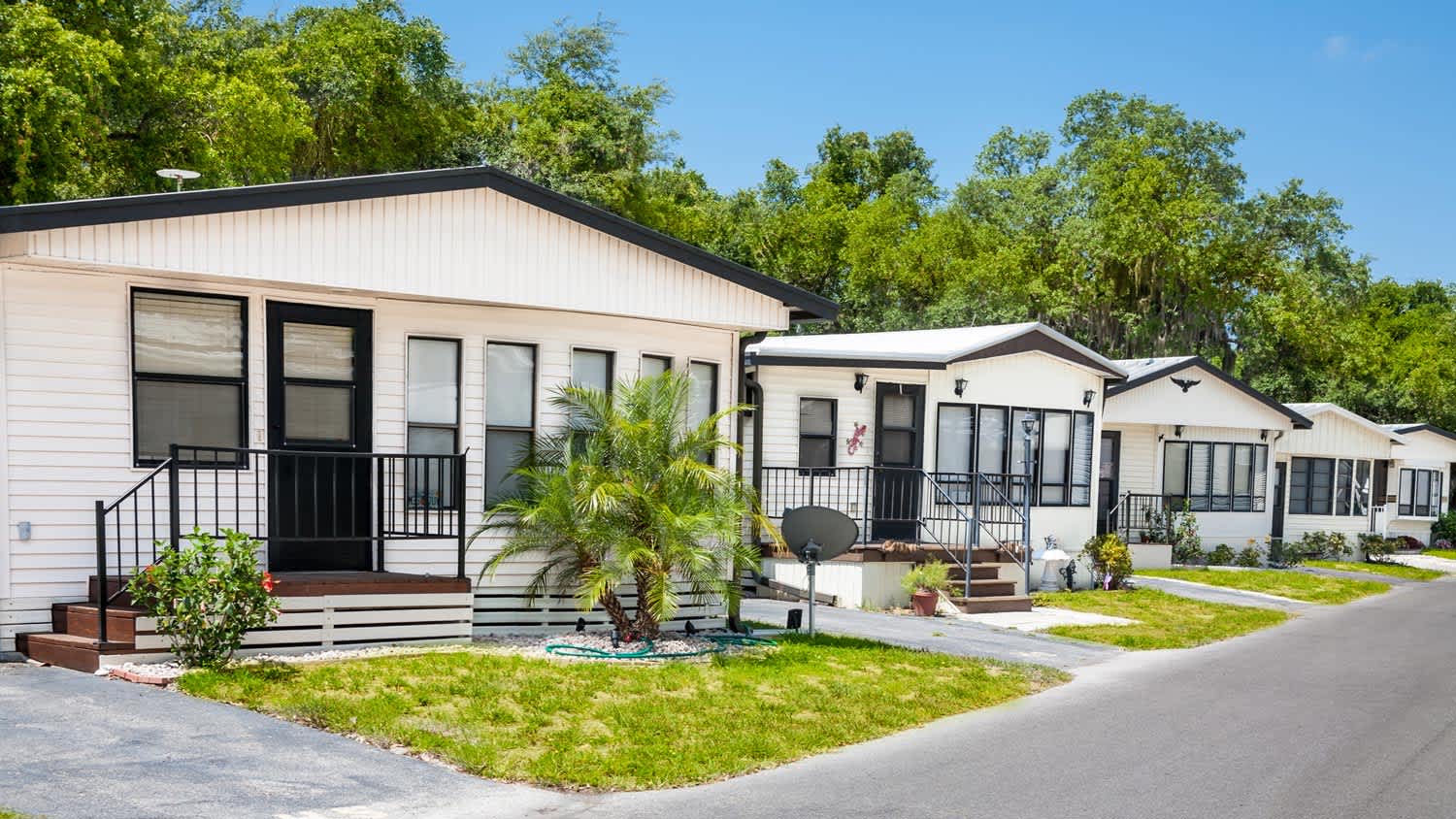
Mobile home skirting replacement costs come down to the material you choose and the size of your home. Use this guide to budget for your skirting project.
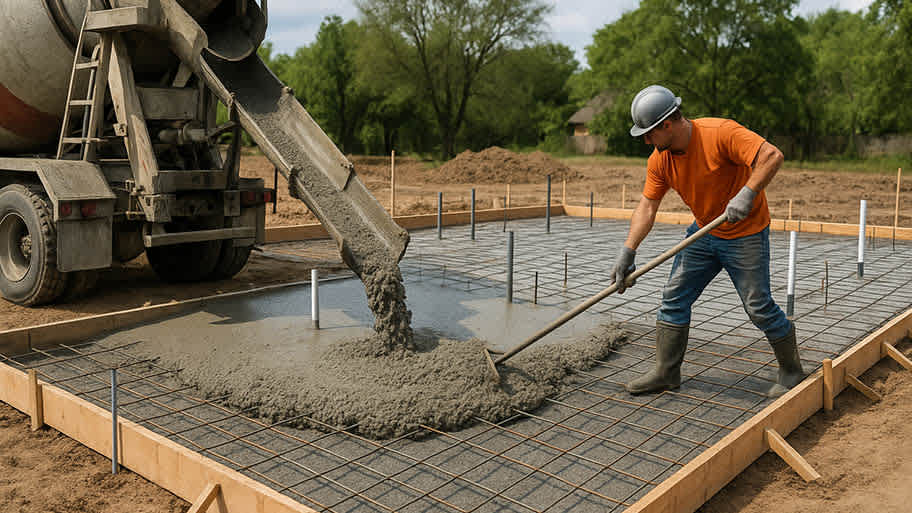
A foundation for a new-build home averages around $11,000. Find out all the factors that affect the cost of a foundation and how to save money.
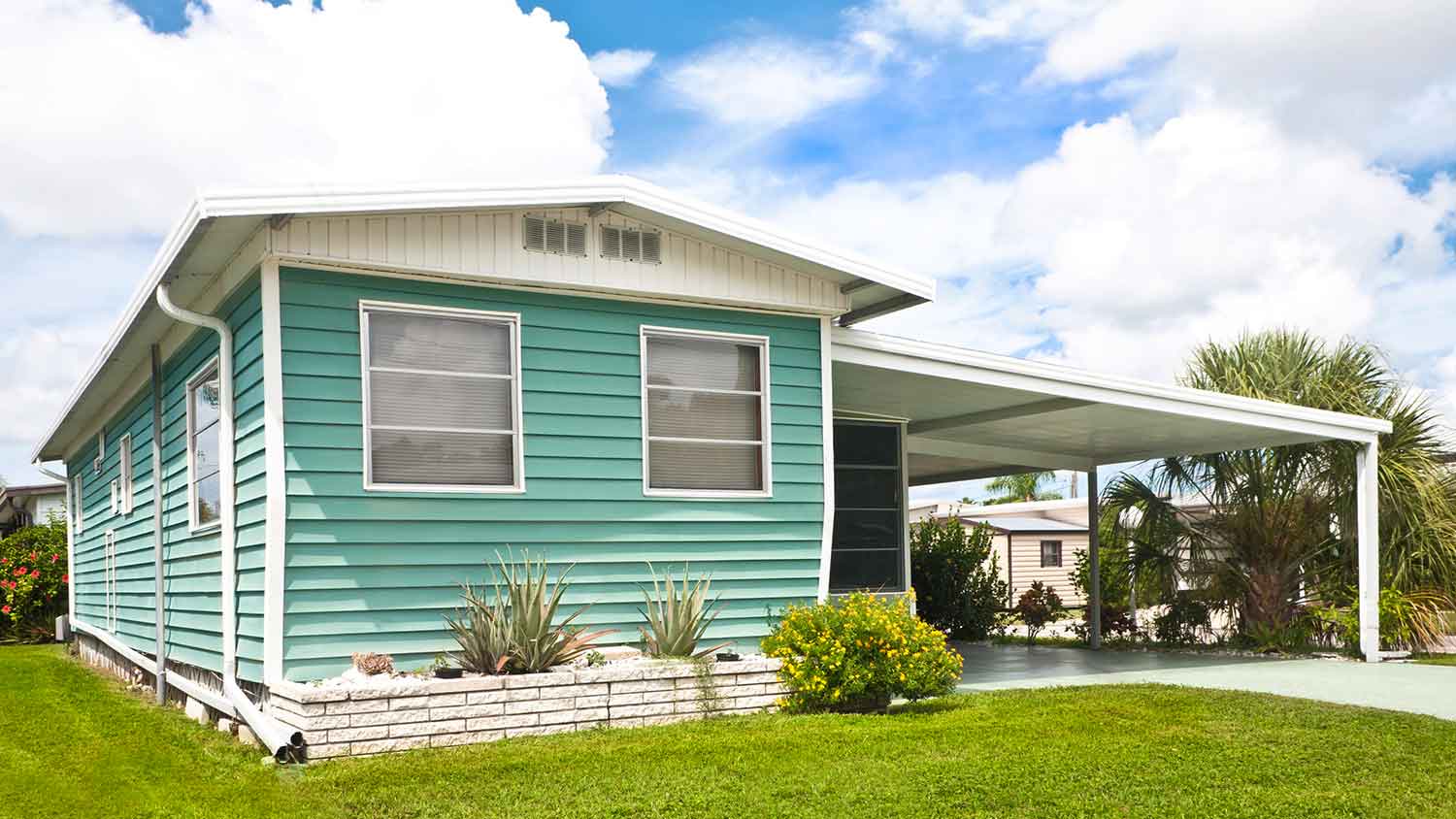
Use this comprehensive mobile home inspection checklist to ensure your home is safe.
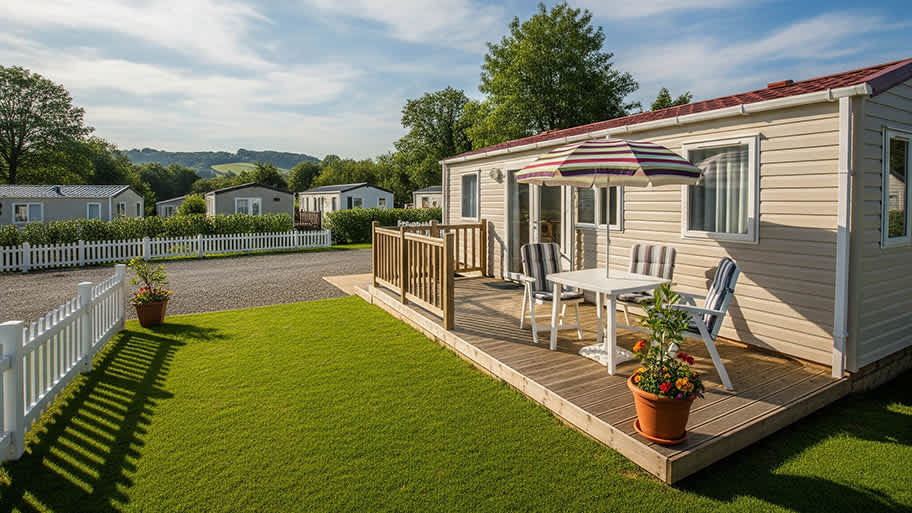
Mobile home additions add value and curb appeal. These add-ons and improvements can expand your living space and elevate your abode to a new level.
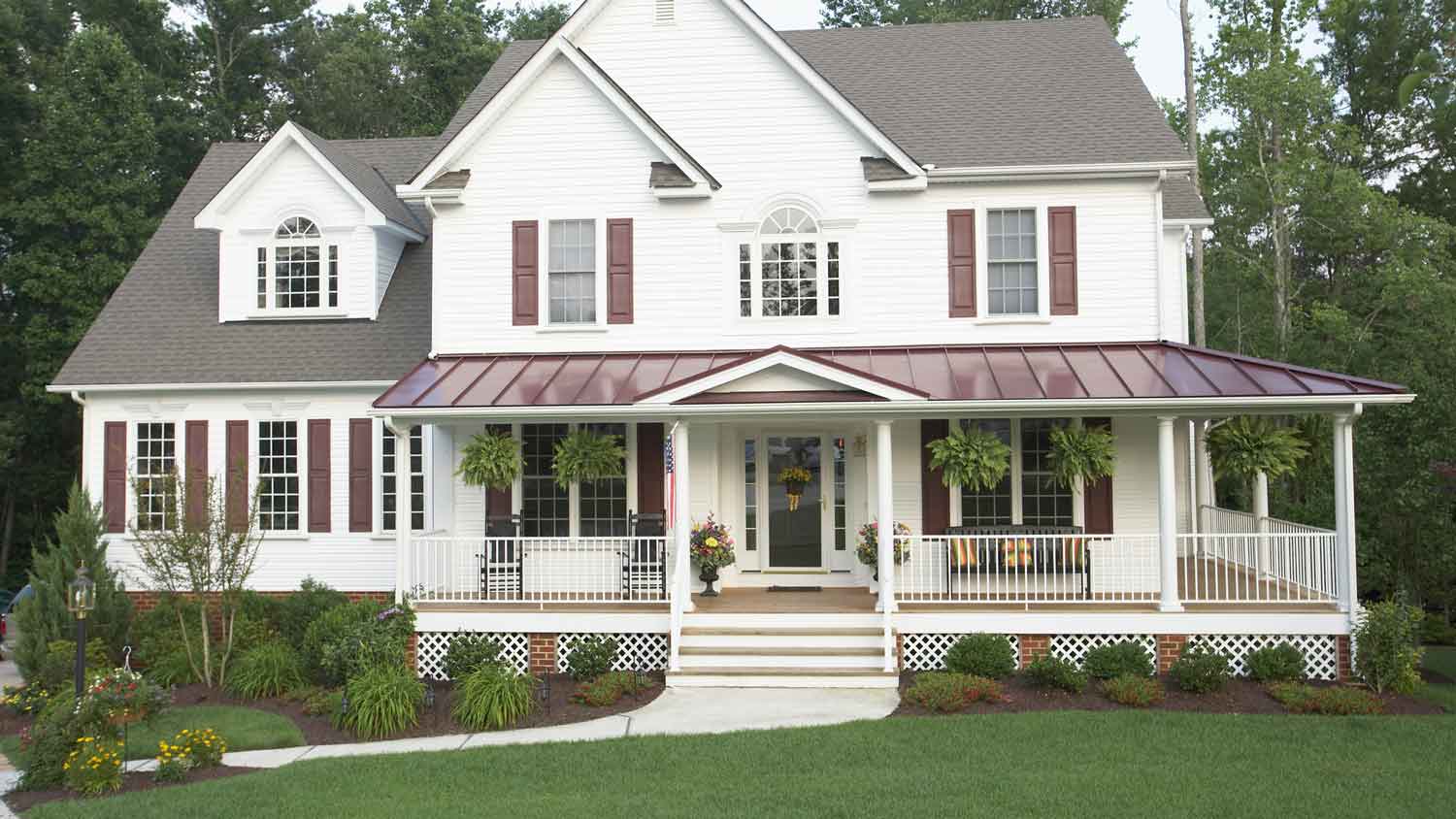
Discover eight home foundation types for home construction, their functions, benefits and drawbacks, and how to identify each kind.