

Christmas light installation in Los Angeles, CA, costs depend mostly on your home’s square footage, but our expert guide breaks down all the factors that influence what you’ll pay.
Contractor service costs depend on your project and location. Check with a local pro for your specific job.

Installing a home elevator in Los Angeles costs $5,000 to $60,000.
Hiring an elevator installation pro in LA costs $100 to $200 per hour.
Budget an additional $500 to $3,000 for city building permits.
Home elevator installation in LA offers a 5% to 20% return on investment (ROI).
Installing a home elevator in Los Angeles costs an average of $4,808, with most homeowners paying between $3,083 and $6,808. With LA’s cost of living sitting 50% above the national average, project costs can be significantly higher than in other parts of the country. LA’s elevator installation workers are heavily unionized, which drives labor costs up here.
The main cost factors to consider when installing a home elevator in Los Angeles are elevator type, brand, the type of site preparation your home requires, permits, and labor.
Materials and labor are the bulk of most elevator installation projects in Los Angeles, CA, but other specifics can increase the cost of your job. Here’s what factors in.
The final cost of a home elevator depends mainly on the type of elevator. Different brands have different features, but the basic mechanics remain the same. Your elevator installer can recommend the best elevator for your home.
| Elevator Type | Average Cost |
|---|---|
| Vertical platform lift | $5,000–$20,000 |
| Pneumatic | $35,000–$60,000 |
| Hydraulic | $25,000–$50,000 |
| Shaftless | $15,000–$25,000 |
| Cable-driven | $15,000–$35,000 |
| Geared traction | $25,000–$38,000 |
| Gearless traction | $29,000–$55,000 |
| Outdoor | $2,000–$10,000 |
Many brands offer a range of prices and styles, so the one you choose will ultimately depend on your preferences, budget, and local availability.
| Elevator Brand | Average Cost |
|---|---|
| Easy Climber | $12,000–$16,000 |
| Telecab | $28,000–$35,000 |
| Stiltz | $20,000–$25,000 |
| Inclinator | $25,000–$35,000 |
You’ll pay $1,000 to $40,000 for the materials to install an elevator. You might think of an elevator as just a box in an open shaft, but all elevators have added machinery and systems that make them run, and the specifics will impact your overall cost.
Hoistway: This is the shaft where the elevator car moves, but shaftless elevators don’t require a hoistway. Depending on your elevator model, the hoistway could be complicated, which will change the cost of your system.
Machine room: Most machine rooms house the control box, hydraulic tank, drum motor, cables, and other equipment specific to the elevator model. Elevators without a machine room have self-contained motors and controllers inside the elevator shaft.
Structure equipment: The elevator structure holds the elevator up in the shaft and includes guide rails, rail brackets, the counterweight system, and mechanical devices for the drive system. Since every elevator model differs, the structural equipment will have different costs.
Car: Elevator cars, the area where passengers ride, can be simple or luxurious, and your choices will affect the overall cost. Adding seating, lighting, mirrors, specialty paneling, or matching the car’s decor to that of your home can add $300 to $5,000 or more to the project.
Home elevator installation often requires a full home remodel. We recommend contacting a pro to ensure the whole process goes smoothly.

Installing an elevator requires a generous amount of site prep. You’ll pay between $500 and $15,000 or more to prepare the area for the cabin. Site prep can include:
Structural work: Cutting floors open, shaft framing (for shafted elevators), header reinforcement
Electrical preparation: Installing a dedicated circuit and wiring, potential electrical panel upgrades
Interior modifications: Wall and ceiling adjustments, potentially relocating HVAC ducts or plumbing
Installing an elevator in your LA home requires permits from the Los Angeles Department of Building and Safety (LADBS) and ongoing inspection and maintenance costs. To keep your elevator legally compliant, safe, and running smoothly, beef up your budget as follows.
| Home Elevator Requirements | Average Cost |
|---|---|
| Building permit | $500–$3,000 |
| Building inspection | $150–$1,000 |
| Annual inspection | $300–$800 |
| Annual maintenance contract | $300–$1,400 |
The more floors your elevator goes up, the more labor and parts there are. For every floor above one story, budget an extra $5,000 to $15,000. So, if you have a tall four-story home, your bill could go up by $15,000 to $45,000.
If your building is three or four stories high, you’ll also have to rule out vertical platform lifts or shaftless models—they can only travel a maximum of two floors.
Installing an elevator in a new home is easier and costs less than adding one to an existing home. You can plan for the elevator in new construction designs and leave the space required for the shaft and elevator equipment. Likewise, replacing an old or non-functioning elevator with an updated model can be more affordable than starting from scratch.
When retrofitting a new elevator in an existing home, your contractor will need to find and clear space for the elevator pit and shaft, modify heating and cooling systems to serve that space, and move any existing electrical and plumbing systems that are in the way. You can pay up to three times more to add an elevator to an existing home than to build one during the original construction.
Want to match your elevator with your home’s overall aesthetic? Customized modern glass paneling or wooden Victorian features push home elevator prices over $50,000. Adding smaller design features, built-in phones, or music speakers won’t break the bank, but it’s worth comparing quotes for basic customizations.
Accordion fold gate doors are a standard option for home elevators, but they don’t fit every aesthetic. Add up to $25,000 for a decorative door that seamlessly fits your home design or a modern, automatic sliding door. Fitting a concealed door can be a good investment in terms of resale.
In addition to the materials needed for your home elevator installation, LA homeowners should consider professional labor-related costs that impact the project’s total. Here’s a closer look at the expenses for Los Angeles elevator pros that you should add to your budget.
The amount you pay home elevator contractors depends on the type of work they’re doing. Hiring a local LA pro for maintenance or service work costs $75 to $120 per hour, while installation contractors charge $100 to $200 per hour. Elevator installers in Los Angeles are represented by the International Union of Elevator Constructors, which drives up hourly rates compared to hiring independent contractors.
The combined state, county, and local sales tax in Los Angeles is 9.5%. The materials portion of your home elevator installation is taxable, but labor typically is not. However, if your contractor provides a lump-sum invoice (covering both materials and labor), you may be charged tax on the total amount.
Avoid surprises and unnecessary expenses by asking your pro to provide a detailed quote and an invoice that clearly separates labor and materials, so you can accurately plan the tax portion of your project budget.
In addition to the home elevator installers you’ll hire for your project, there are other pros that may be involved in the job. Here are the costs associated with hiring additional pros.
Structural engineers may be required for complex retrofits or load-bearing wall modifications. Hiring a structural engineer in Los Angeles costs $140 to $200 per hour.
Drywall pros are essential in finishing and patching walls after installing your elevator. Expect to pay $1 to $2.10 per square foot for hiring a drywall contractor.
Electricians are often required for rewiring or electrical panel upgrades to support your elevator’s moving parts. Hiring an electrician in LA costs $35 to $50 per hour.
Though installing an elevator comes with a hefty price tag no matter what, there are some things you can do to bring costs down a bit:
Opt for a basic design: Simple vertical platform lifts and cable-driven elevators are the most wallet-friendly options. Ask yourself whether you really need that dream top-of-the-range pneumatic model with customized glass panels.
Stick with small options: Is a spacious 5-by-7-foot elevator essential for your family? You’ll save a lot by opting for a more compact 3-by-4-foot design, even if you can only fit one person in at a time.
Fewer floors: Do you need elevator access to all the floors of a four-story townhouse? If not, installing a lift to reach only the second story delivers big savings.
Avoid retrofitting: Are you debating whether to install an elevator during a new home build? Remember that doing it at this stage is more cost-effective than ripping out and retrofitting later on.
Los Angeles homeowners who install a home elevator can see a 5% to 20% return on investment (ROI). Having an elevator in your home is beneficial in several ways. It adds luxury appeal, increases accessibility for those with mobility challenges, maximizes usable space, and offers long-term livability as residents age. These selling points are attractive to a wide range of buyers with varying needs.
While not directly part of the financial ROI, homeowners should also consider the comfort, enjoyment, and convenience a home elevator can provide while living in the home themselves.
To help homeowners plan their next project, Angi provides readers with carefully researched cost data and upholds strict editorial standards. We start with national average project costs, which we collect by analyzing competitor information, retailer material costs, and input from professional contractors. We then apply local price index data to calculate location-specific estimates that reflect what homeowners typically pay in their local area. To do that, we use data from the U.S. Bureau of Economic Analysis (BEA), including its Regional Price Parities (RPPs), which measure price differences across cities. This helps us account for differences in labor, materials, and overall cost of living, so estimates in higher- or lower-cost areas better reflect real-world local pricing.
Every estimate undergoes a thorough editorial review to verify accuracy, consistency, and alignment with observed market conditions.
Want to help us improve our cost data? Send us a recent project quote to [email protected]. Quotes and personal information will not be shared publicly.
We decided to replaster our old pool. UV handled the whole thing. Dean was the project manager and he walked us through the options. It took about two weeks, with the curing and all. The crew was led by Herman, I think. There was a lot of dust and my wife complained about the noise, but they...
 UV SWIMMING POOLS
Mark made a thorough inspection of our home and gave us a few options. He did a great job and was very helpful.
 Moons Termite Solutions
We wanted a low-maintenance deck for our Hermosa Beach home and Elite Team Builders recommended TimberTech composite decking. It was the right call ? it looks like real wood but requires zero upkeep. The installation was precise, with proper spacing and corrosion-resistant hardware...
 Elite Team Builders, Inc.
I hired Better Together Builders for a major home renovation and have paid over $130K toward the project. While some work was completed, my overall experience has been disappointing due to delays, unfinished tasks, and a lack of attention to detail. I am currently pursuing legal action...
 Better Together Builders
I thought I was gonna have to replace the whole deck after I noticed one of the corners was starting to rot pretty bad. Honestly, I was already bracing myself for a full rebuild. But the guys at Expert Home Builders came out and told me they could just do a partial repair. Wasn?t expecting...
I needed some reinforcement done on the interior staircase railings, plus fresh paint. Diego from Joey came by and did a solid job; he took his time to make sure everything was safe and looked great. The paint color matched perfectly and really brightened up the space. I appreciated how he...
He did a wonderful job on my shower. He completed the job in a timely manner, left everything clean and was professional and polite. I will definitely call him again for home repair jobs.
I highly recommend HD Framing, I am extremely satisfied with their work. Their work ethic is on another level. If youâ re looking to make an addition to your home and increase the value of your property then HD framing is the one. I want to thank the general contractor Henry for staying on...
 HD Framing Construction
KB Construction Group did a great job with my smaller kitchen and bath projects on our new place and I would highly recommend them for any home construction or remodel! They were explained everything thoroughly before they started. They did a GREAT job and we are very please. Thank you so much!
 KG Construction Group
They were hired to clean, paint, and remodel bathrooms, office space, and large interior space which included electrical, plumbing, windows, and carpentry. All was high quality and finished on time.
 Rinedi Company LLC
From average costs to expert advice, get all the answers you need to get your job done.
Christmas light installation in Los Angeles, CA, costs depend mostly on your home’s square footage, but our expert guide breaks down all the factors that influence what you’ll pay.
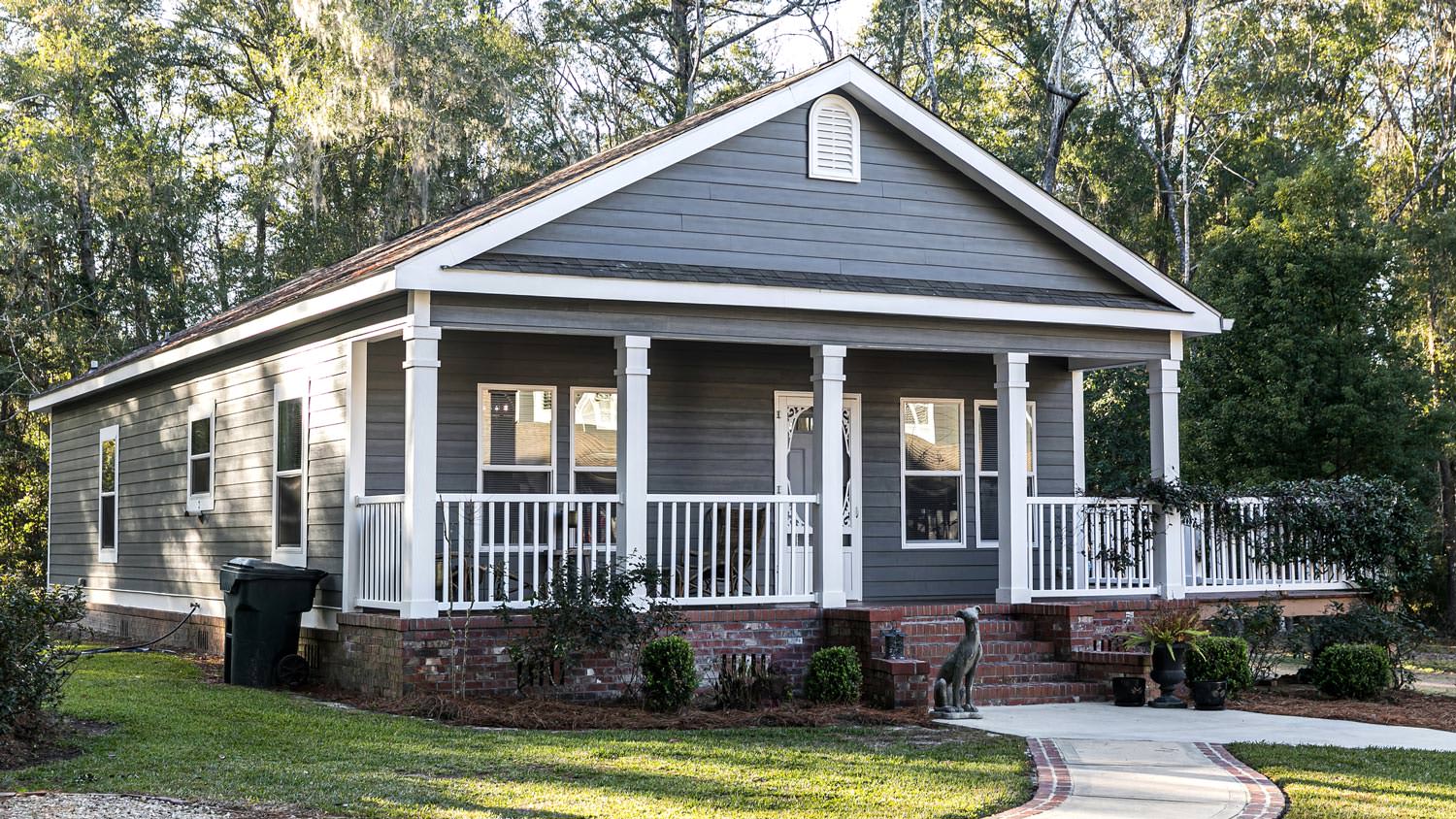
New siding improves curb appeal, increases home value, and insulates your home. Learn about fiber cement siding installation costs in Los Angeles.
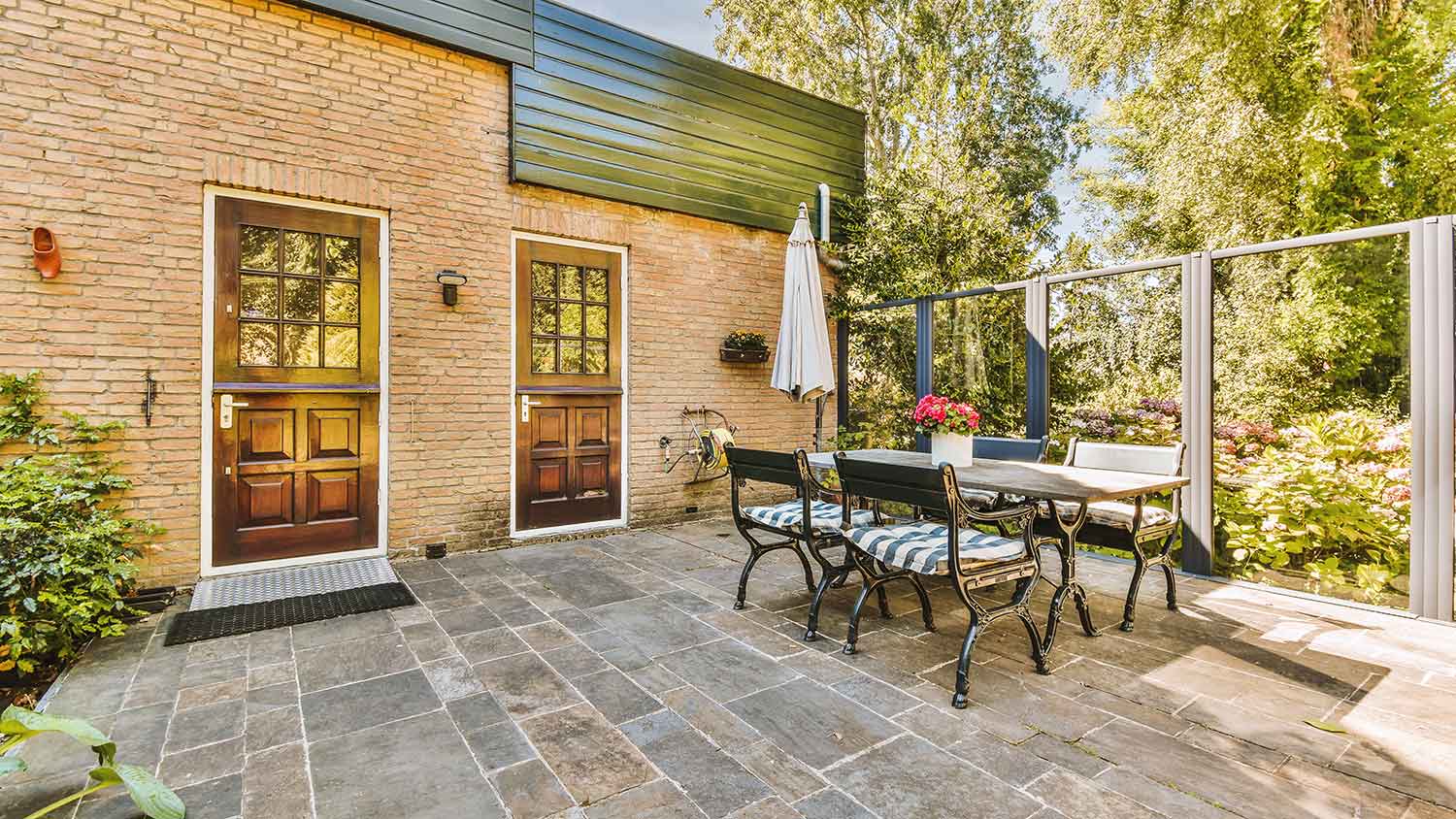
Looking to build a patio in Los Angeles, CA? Use this patio cost guide to get an idea of how much your exterior project will come out to.
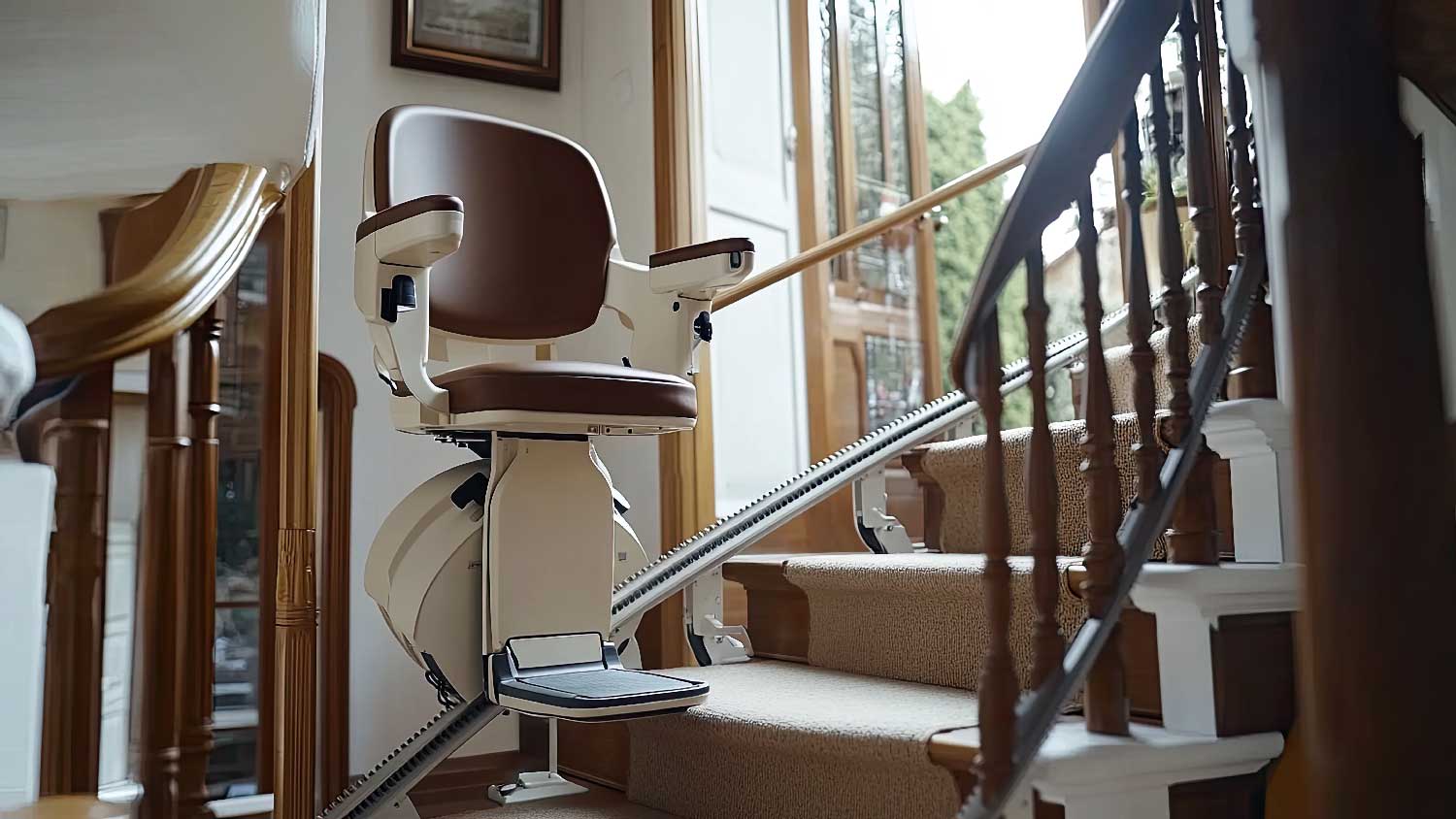
Thinking about an elevator installation? Learn about design options, average costs to expect, and how to hire the right local pro for your home.
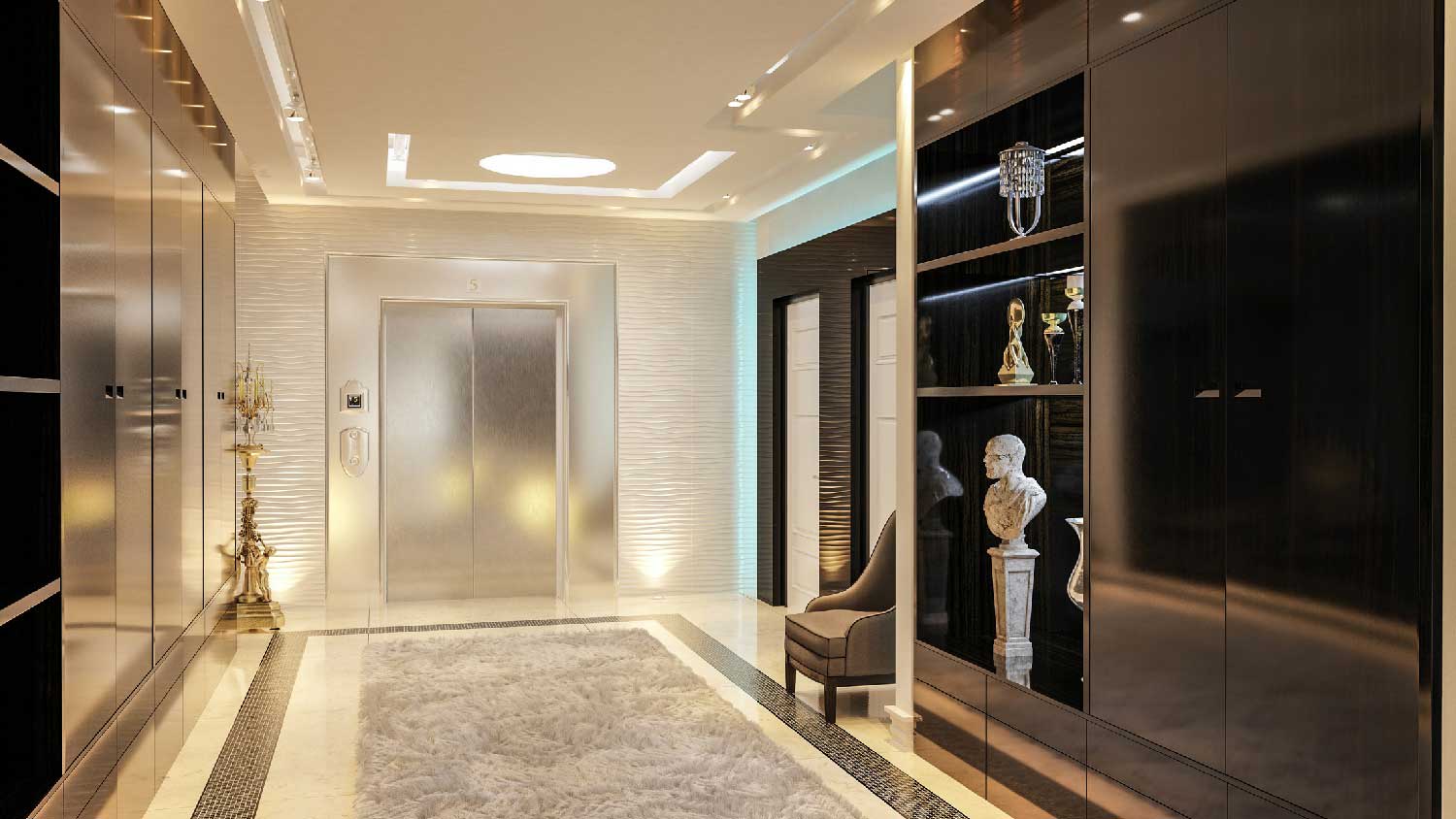
Elevators boost your home’s accessibility while adding a touch of style and value. Learn about the best professionals for installing a home elevator.
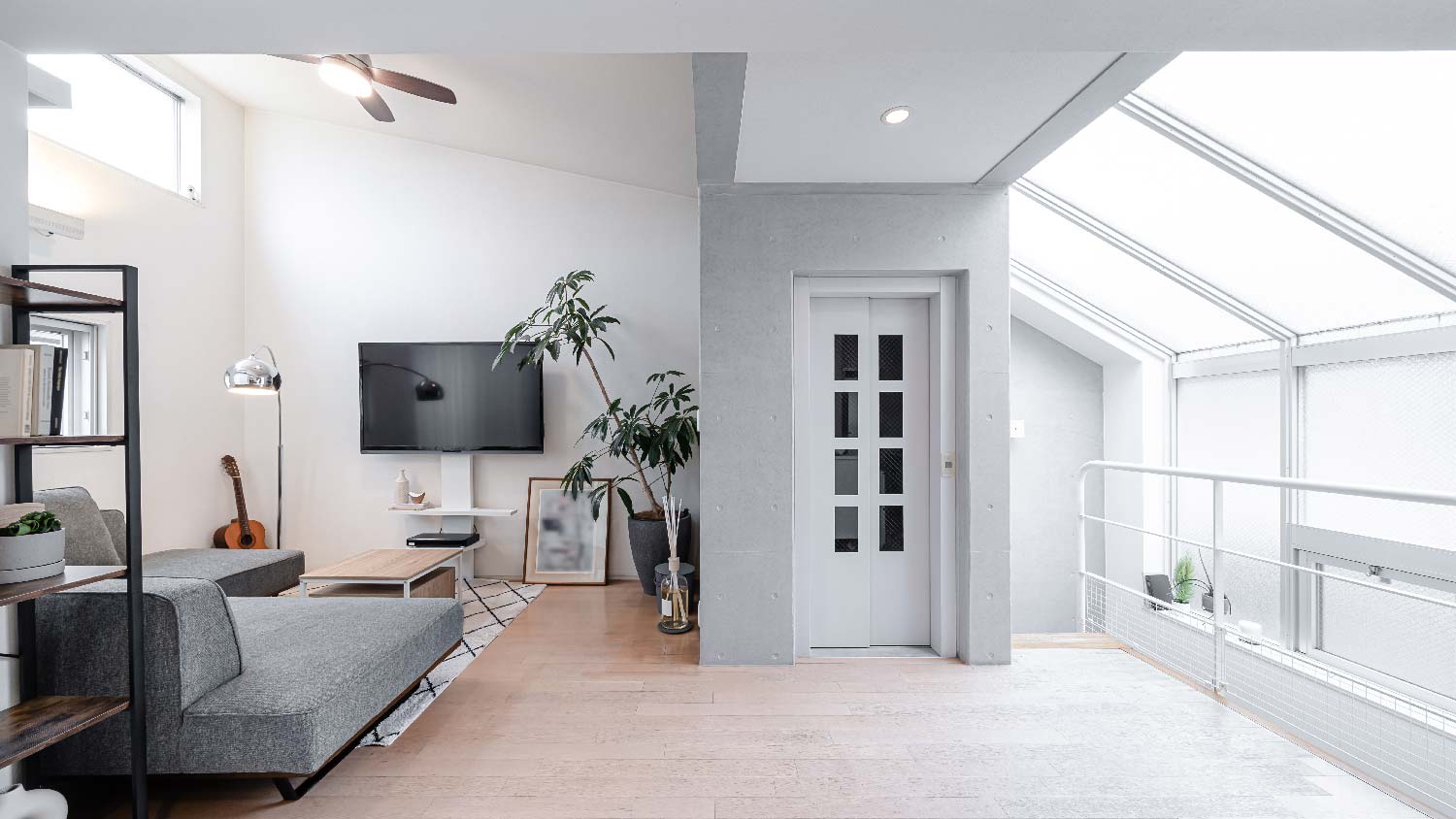
Home elevators can develop problems over time, so it's important to be able to diagnose the issue yourself. Stay tuned to learn more.