

Are you struggling with a pest problem? DIY pest control can be effective without being expensive. Here’s how much it’ll cost to bug bomb your house.
Sneaky bloodsucker or pesky stinker? Know how to spot the culprit

Kissing bugs vs stink bugs differ in feeding habits, as kissing bugs feed on your blood while stink bugs feed only on plants and crops.
Kissing bugs carry serious health risks because they can transmit the parasite that causes Chagas disease, while stink bugs pose no threat to you.
You can prevent kissing bugs by sealing cracks in your walls and doors, removing wood piles near your home, and minimizing outdoor lighting at night.
Hiring a local exterminating professional removes persistent kissing bug infestations and provides reliable guidance on sealing entry points to keep your home protected.
Kissing bugs and stink bugs might sound like they belong in the same quirky insect club, but they couldn’t be more different. One is a sneaky bloodsucker that can cause serious health risks, while the other is a smelly plant pest that annoys your nose and potentially your garden.
Let’s break down the major differences between kissing bugs and stink bugs so you can handle each with care.
No need for a magnifying glass: You can differentiate a kissing bug from a stink bug easily once you learn their individual characteristics. From size and color to host preference and health risks, this table breaks down the main differences so you can tell one insect from the other.
| Type of Difference | Kissing Bugs | Stink Bugs |
|---|---|---|
| Size | ½–1 inches | Less than 1 inch |
| Color | Dark Brown/Black | Green/Brown |
| Host preference | Humans/Animals | Plants, Fruit, Crops |
| Habitat | Outdoors, Near Animal Nests | Gardens, Fields, Indoors |
| Disease | Can carry disease | Do not carry disease |
Though both are insects that sometimes invade your home, kissing bugs and stink bugs look very different. Here’s a closer peek at what sets these two pests apart.
Kissing bugs are generally larger and slimmer than stink bugs, measuring about ½ to 1 inch long with an elongated body built for under-the-radar feeding. Stink bugs tend to be smaller and thicker, averaging less than an inch long, with their signature shield-shaped body giving them a wider, bulkier look.
Stink bugs are usually green, brown, or mottled, with their shield-shaped body giving them a more camouflaged appearance that blends into plants and foliage. Kissing bugs, on the other hand, have a dark brown or black body with distinctive orange or red markings along the edges, giving them a more striking appearance.

Since they rely on blood to survive, kissing bugs attach themselves to humans, dogs, cats, or other mammals for their meals. They are nocturnal feeders, and are often attracted to sleeping hosts by body heat and carbon dioxide.
In contrast, stink bugs feed exclusively on plants. They suck the sap from fruits, vegetables, and crop plants with their specialized mouthparts, causing damage to gardens and even agricultural fields.
Kissing bugs and stink bugs can both make their way inside, but their preferred habitats set them apart. Kissing bugs like to hide in cracks, crevices, and animal nests, especially near places where humans or pets sleep, since they come out at night to feed. They thrive in warmer regions and are drawn to blood hosts.
Stink bugs, on the other hand, are plant lovers that spend most of their time in gardens, orchards, and crop fields. When the weather cools down, they tend to slip indoors to seek warmth, though they won’t cause harm to you or your pets.
The lifecycles of kissing bugs and stink bugs follow the same basic insect stages, but with different habits and timing. Stink bugs undergo incomplete metamorphosis, but their nymphs feed on plants in lieu of blood. They pass through five nymphal stages before becoming adults, with lifespans between 7 and 9 months.
Kissing bugs also go through incomplete metamorphosis, beginning as eggs, then progressing through several nymph stages before reaching adulthood. While both bugs grow through gradual changes, the big difference is that kissing bugs are blood feeders at every stage, while stink bugs remain plant pests throughout their lives.

Because they feed on blood, kissing bugs can transmit the parasite Trypanosoma cruzi, which causes Chagas disease, making their choice of host a serious health concern. Without treatment, Chagas disease can lead to lifelong health issues and, in severe cases, be fatal.
Unlike kissing bugs, stink bugs pose no direct threat to humans or animals, and their host preference explains why they are primarily considered agricultural pests rather than health hazards.
Keeping kissing bugs out of your home is a more urgent need since they carry disease, but stink bugs can wreak havoc on your nose and your garden. Here’s how to prevent both bugs.
To get rid of kissing bugs, you’ll need to make your home less inviting. Start by sealing cracks and gaps in your walls, doors, and windows, and install screens to keep bugs out. You can also remove piles of wood, rocks, or debris near your house, as these provide hiding spots for these nocturnal nightmares.
For this reason, it’s best to keep outdoor lighting to a minimum at night, since lights attract kissing bugs. These methods can help keep these bugs at bay, though you should hire a local exterminator to remove persistent infestations.
You can keep stink bugs out of your home for good by sealing cracks or gaps in windows, doors, and walls, and by removing weeds, overripe fruit, and debris where stink bugs can hide. If they do get inside, use a vacuum to remove them, since they release a strong odor that’s hard to quickly get rid of when crushed. These steps help minimize infestations and keep both your home and plants safe from these smelly intruders.
A reliable team for moves across state. My switch to a new place needed careful lifting through tight hallways. The movers checked the doorway first, then carried heavier pieces with slow, controlled movements. Their patience helped prevent damage, and I?d choose them again.
This company does it right. Firstly, I want to say that Landan was a joy to work with. He was so kind, transparent, and had everything under control. His entire team showed up ready to work and they were all very respectful of the fact that we were in an office space. A little backstory – we...
 Krumlauf Floors
I had FabClean 614 clean my apartment, and she did an outstanding job. She was so professional and efficient. My apartment looks absolutely spotless every surface, every corner, all cleaned to perfection. Definitely highly recommend FabClean 614 if you're looking for top-notch cleaning...
 Fab Clean 614
Raven and crew does absolutely fantastic job. They are very professional if any concerns were to occur with any of her work she always took responsibility and finished out with a great job. I have worked with her business for a year and have always been satisfied. Very trusted business and...
 Creations of Transformation LLC
I would recommend this company to anyone! He showed up on time, was friendly, completed a very difficult repair on our dryer vent cover, was responsive, and pricing was extremely fair and competitive. I would have him back to do any of our repairs or cleanings without hesitation!
 U.S.A. Dryer Vent, LLC
Best cleaning I've had at my property
Ace Fireplace Services' chimney sweep service is truly exceptional. They used advanced technology to ensure a thorough cleaning process, and my chimney has never looked better. I highly recommend their services.
 Ace Fireplace Services
This company went above and beyond with their work, chimney sweeps are usually pretty messy, but the clean up was spot on.!! Josh explained every thing that he was doing, and the things that he was checking to make sure the chimney was safe for me and my family. He was very professional,...
 Supreme brick & chimney
Good workers and they do a good job.
 Mira Construction
Mary Cleaning Service is fantastic! The entire team is professional and pay a great deal of attention to detail. They do such a thorough job of cleaning my house. I would definitely recommend!
From average costs to expert advice, get all the answers you need to get your job done.
Are you struggling with a pest problem? DIY pest control can be effective without being expensive. Here’s how much it’ll cost to bug bomb your house.

Kissing bugs are bloodsuckers that can carry Chagas disease, a serious condition. Find out how to get rid of kissing bugs and keep them away from your home.
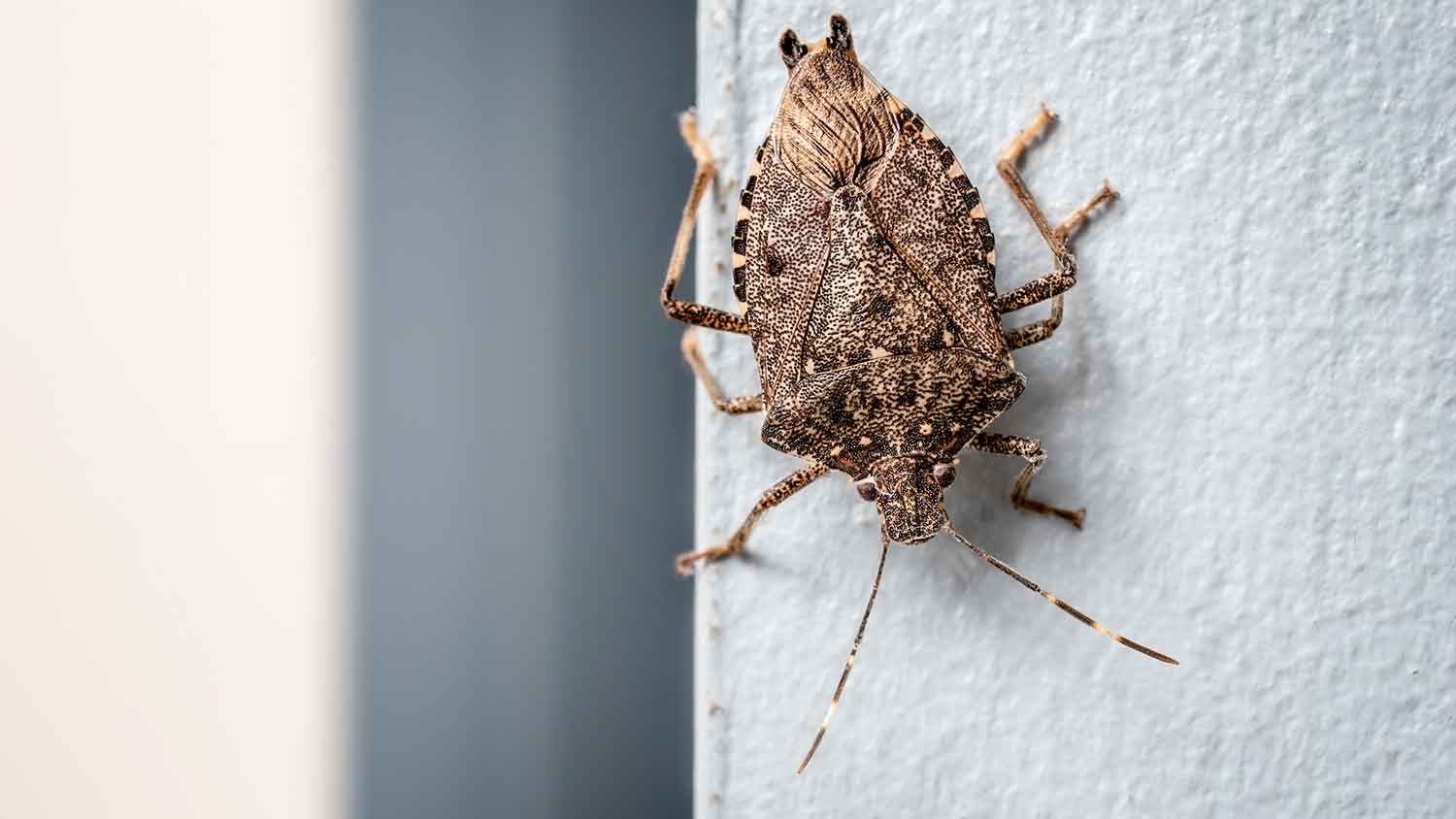
Stink bugs are annoying, but you’ll have to wait for months for a single generation to die out. Here are the details and what you can do.

Wondering how to kill stink bugs—and keep them away, for good? Read on for a DIY guide on how to get rid of stink bugs.
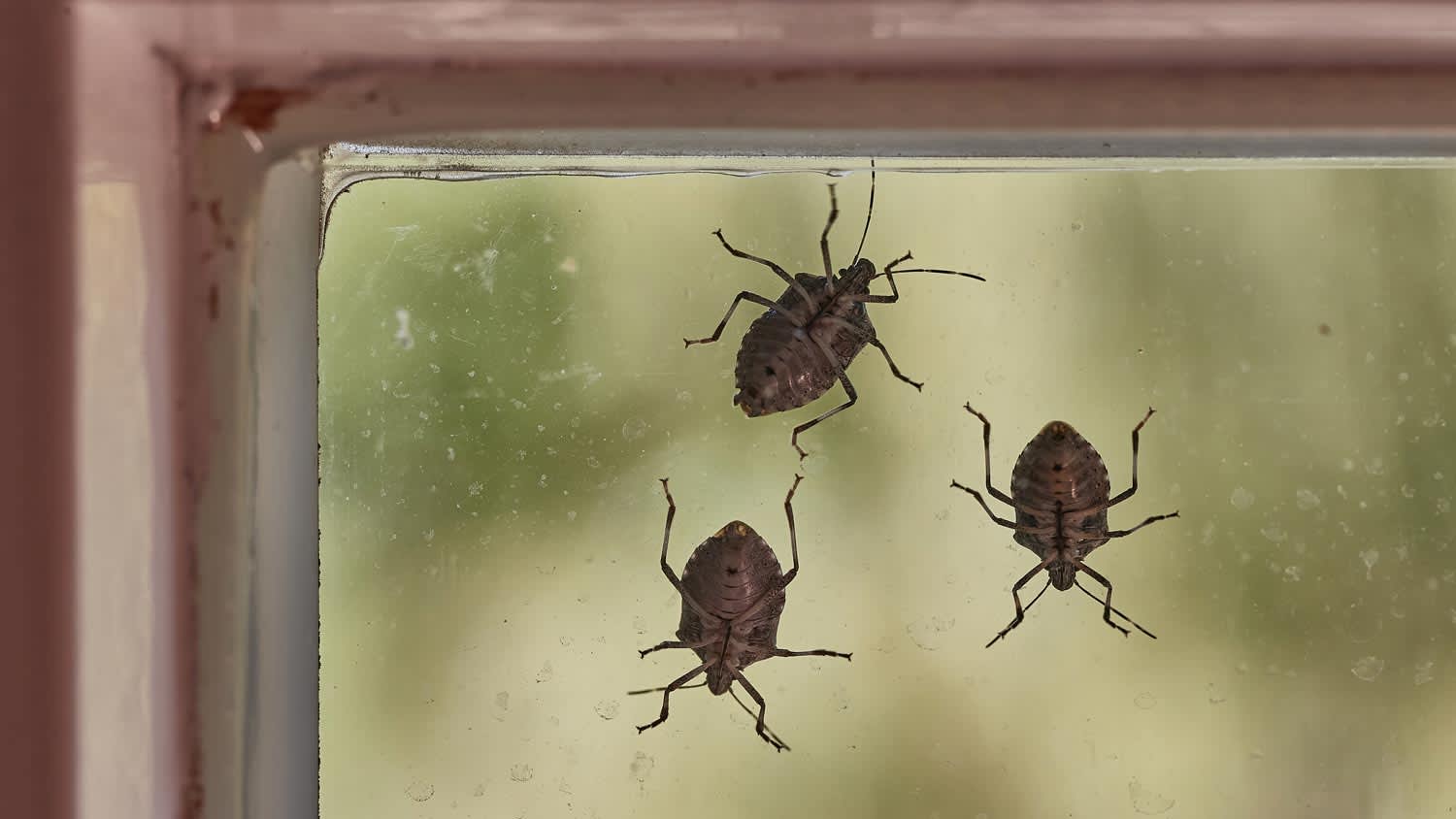
Wondering where stink bugs come from? Learn where these stealthy pests originate from, how they take shelter in your house, and ways to get rid of them.
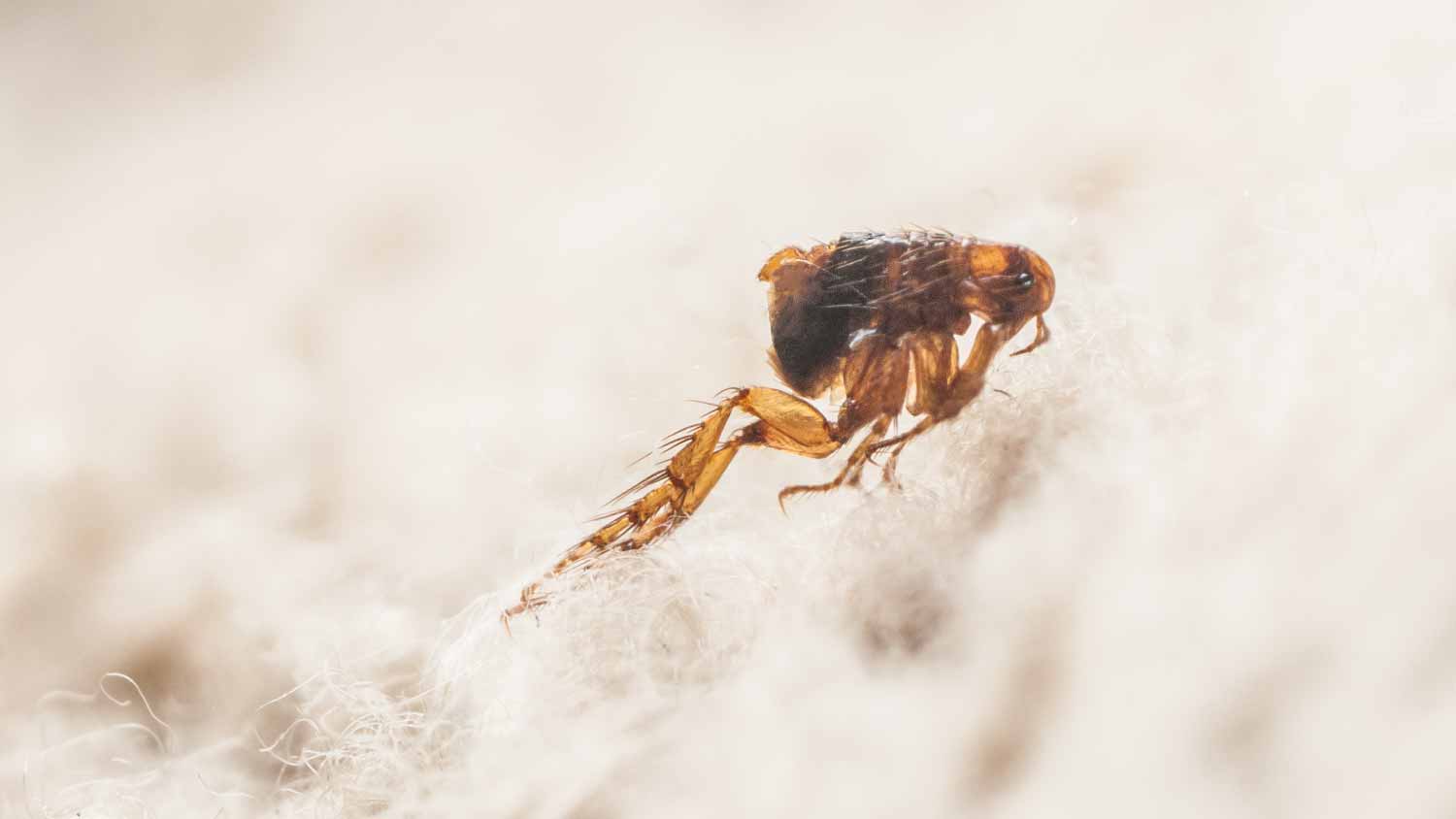
Fleas and bed bugs suck blood and leave itchy bites, but there are key differences, too. Find out the differences between bed bugs vs. fleas.