

Need to fix basement water problems or safeguard your home from damage in the future? Use this basement waterproofing cost guide to budget appropriately.
DIY basement waterproofing can permanently solve some basement moisture issues

A waterproof basement prevents water and moisture from entering through foundation cracks, porous concrete, or poor drainage, protecting your home from structural damage and mold growth.
Expect to pay $5,500 on average for professional basement waterproofing, with costs ranging from $100 to $30,000 depending on the extent of your problem and the solutions needed.
You can seal hairline cracks yourself using hydraulic cement or epoxy, apply waterproof paint to foundation walls, and install a dehumidifier to reduce moisture in your basement.
Hiring a local mold removal professional provides safe mold treatment and complete removal when you discover large sections of mold growth or widespread moisture damage in your basement.
Basements are often a hotspot for standing water, moisture, and all of the related problems they bring, including pest infestation, mold growth, and even structural damage to your home. While some waterproofing jobs are best left to the professionals, there are some things you can do yourself to mitigate moisture and water problems in your basement. In this guide, we’ll explain exactly how to waterproof a basement yourself, when you should call in professionals, and more.
While basements will usually hold up to moisture and naturally prevent water intrusion in most climates for years after construction, they will eventually let liquid water or water vapor into your underhome area. Moisture can get in through cracks in the concrete, which form on virtually all foundations, and it can wick directly through the porous concrete. This can create a slew of problems, including the following:
Water damage
Rotting building materials
Structural damage
Mold growth and decreased indoor air quality
Less comfortable air on your main floors
Decreased indoor air quality
Not only can these problems occur, but they tend to get worse over time, as the space under your home tends to be poorly ventilated, which promotes moisture accumulation. Waterproofing methods can help keep runoff and groundwater away from your basement to prevent problems, as well as remove water and moisture that does get in to stop mold growth, pest infestation, and the rotting of building materials.
According to data from Angi, the most common foundation problem is basement flooding, making up about 29% of reported issues. Another 20% of homeowners reported issues with excessive dampness, while 15% mentioned problems with mold, mildew, and fungus.
The average cost to waterproof a basement is around $5,500, but you could spend anywhere between $100 and $30,000, depending on the extent of the problem and the underlying cause.
Simple DIY solutions like grading your soil, installing downspout extenders, and sealing hairline cracks in your foundation can cost around $100. A slightly more involved combination of solutions that also includes sealing the walls and floor as a DIY project and adding a dehumidifier can cost $600 to $1,000.
If you need additional preventative measures carried out by a professional, your total could be significantly higher.

As with most home repair and maintenance projects, the first step is to figure out where and why the problem exists. Fortunately, concrete walls and floors give up their secrets pretty easily.
First, we recommend a DIY foundation inspection to uncover the likely source of the issue.
Foundation Cracks: Look for foundation cracks that are wider than one-eighth of an inch or have wet spots around them, especially after heavy rain. These are good indications that the cracks are the culprit and that sealing them is your best option.
Efflorescence: If you notice a white, powdery substance on your foundation walls, it’s likely that moisture is wicking in through the concrete and evaporating. An exterior drainage system like a French drain should do the trick, but you might be able to get away with a gutter system and soil gradation.
Standing Water: Standing water is a more severe issue that’s normally caused by a plumbing leak or a major leak through a large foundation crack.
Localized Mold Growth: If you find mold growth in your basement bathroom, kitchenette, or exercise area, the humidity created by showers, sinks, stovetops, or heavy breathing could be the culprit.
Puddles on the Floor. Puddling could be a sign of groundwater coming in through your foundation floor, or the result of severe crack leaks or interior plumbing leaks.
Once you know where your issue is stemming from, you can apply the appropriate solution.

There are quite a few ways to waterproof your basement, and the strategies you should use will depend on whether you need preventative measures to ensure that water infiltration doesn’t happen or more intense methods if you need to stop a problem and keep it from happening again.
Your first order of business should be to remove any standing or pooling water and mold from your underhome area to maintain a safe working environment.
Wait until the standing water is gone before attempting any work. Use a wet/dry vacuum to remove puddles from the floor.
Mix one cup of bleach per gallon of water and use a stiff-bristled brush to remove small amounts of mold from affected areas. Always wear gloves and a respirator when working with mold.
For large amounts of mold, hire a mold removal specialist near you to remove it.
In mild cases, a powerful, portable residential dehumidifier might prove effective enough to postpone or avoid other waterproofing approaches.
Place a dehumidifier in a central location. Consider running two of them if the space is large or the basement is particularly humid.
Ensure that you empty the machine’s reservoir often or that its drain line empties directly into a floor drain.
If you’ve noticed leaking, visible gaps, or water damage around windows and doors, you can seal the wall openings to keep water and water vapor out.
Check window wells to ensure the soil level is well below the bottom of the basement windows.
Caulk around basement windows inside and out to prevent water from seeping in.
Caulk around any exterior doors and ensure that the threshold properly seals against the floor to prevent rainwater from trickling underneath.
Clear out any debris over drains that sit at the bottom of exterior stairs that lead to a basement door. Proper drainage will help prevent leaking.
Cracks can occur anywhere on the floor or walls of your foundation. If you find flat cracks that are less than one-eighth of an inch wide, you can usually seal them yourself without much of an issue.
Use a soft brush to remove loose dirt and debris from cracks. Be gentle, and stop to call in a professional if you notice pieces of your concrete foundation coming up.
Mix a small amount of hydraulic cement with water according to the manufacturer’s directions until it reaches a thick but workable consistency. You can also opt for a one-step foundation crack sealer, which is usually epoxy.
Fill the cracks by forcing the cement or epoxy into them with a putty knife. Wear latex or similar gloves to prevent skin irritation.
Work quickly as hydraulic cement begins to cure within a few minutes.

Applying a waterproof paint substance to your basement walls won’t stop liquid water from coming in, but it will help reduce how much water vapor makes its way inside. This isn’t a standalone solution, but it can be a great supplement to other solutions.
Scrub the walls clean of dirt, debris, efflorescence, salt, lime, mildew, or mold. You’ll need to reach bare concrete for the waterproof paint to adhere properly.
Remove any existing paint with wire brushes or hire a paint removal specialist to sandblast the walls and floors if necessary.
Apply three coats of waterproof paint with a roller or brush to areas suspected of leaking or seeping water.
Apply two coats of the same waterproof paint to all other concrete surfaces.
Most of the methods you can use to waterproof the inside of your foundation are easy to do, but they’re considered reactive since they address water and moisture after they’ve entered your underhome space. Using preventative measures outside your home is often a better and more permanent solution.
You can often reduce basement water and moisture problems by changing the landscaping in your yard to improve runoff. A proper slope away from your home will help direct water toward your yard rather than toward your foundation.
Dig out window wells until the soil is several inches below the bottom of the windows.
Use a shovel and an iron rake to grade the soil away from your foundation. The ideal slope is about 1 inch per foot for five to ten feet around the perimeter of your house.
Ensure that the soil doesn’t reach the height of the home’s siding or sill plate.
Remove any vegetation within a foot of the foundation.
Refrain from watering or installing an automatic watering system near the foundation.
Making sure you have a properly functioning gutter system is one of the most effective ways to reduce the risk of a damp basement.
Check your gutters for holes, leaks, and proper slope when it’s raining, or add water with a garden hose to do spot checks. Call in a gutter professional if you find issues.
Install downspout extenders to the ends of the downspouts to move runoff at least four feet away from your foundation.
Clear out any clogs or blockages that might cause runoff to flow over the sides of your gutters and fall next to your foundation.
An exterior drainage system is often the best preventative measure if your gutter system isn’t doing enough to mitigate moisture issues. Some foundation drainage systems—like footing drains—aren’t suitable for DIY installation, but experienced DIYers can often tackle French drain installation.
Dig a trench around the perimeter of your property that’s between one and two feet in length and around one foot wide. Slope the trench downward toward one area for disposal.
Dig a connecting trench from that low point to an area on your property where you can safely direct excess runoff. You may need to consult a professional to ensure the area is suitable and legal. Slope this trench downward as well, away from your property.
Lay a perforated drain pipe in the trench with the perforations facing upward.
Connect the pipes.
Carefully backfill the trench with gravel.
Basement waterproofing is an art rather than a science, so there are a few tips to keep in mind to help you get a waterproofing system that will work for your specific property.
Start with a foundation inspection and do your best to find the source of the problem and the underlying cause.
Get help from a basement waterproofing company near you to come up with a plan and series of waterproofing methods for your property.
Tailor your solution based on your soil type and climate. Areas with heavy rain and absorbent clay soil typically need more extensive waterproofing systems.
Combine exterior and interior waterproofing methods for both preventative and reactive measures and redundancy.
DIY the solutions you feel comfortable with, but always call in a pro for things like sealing wide or uneven foundation cracks, installing an interior drainage system, or excavating close to your foundation.

Foundation waterproofing might only require minimal work, in which case DIY solutions might suffice and eliminate the risk of a damp basement. Feel free to DIY the following waterproofing strategies if you’re comfortable with them:
Sealing windows and doors
Installing a portable dehumidifier
Grading soil away from your home
Making sure your gutter system is working properly
Applying waterproof paint to the inside of your foundation
Clearing stairwell drains to avoid clogs
If your waterproofing system requires any of the following, we suggest calling in a professional for the best results:
Installing an interior drainage system, like a sump pump or basement floor drain
Applying waterproof paint, damp proofing, or a protective membrane on the outside of your foundation
Installing a footing drain
Fixing issues with gutters and downspouts
Sealing large or uneven foundation cracks
Treating large sections of mold
Installing a permanent dehumidifier
Installing a vapor barrier in your basement
Additionally, we strongly recommend calling in a professional to help you find the source of the leak, identify the underlying issue, and help come up with a comprehensive waterproofing plan that will keep your basement safe and dry.
It’s also worth mentioning that DIY work doesn’t come with any guarantee, while many professional jobs come with a basement waterproofing warranty that helps ensure you won’t have recurring problems.
Finished Basements Plus was wonderful from beginning to end! First, they came out quickly for an estimate. I had 4 estimates and theirs was by far the best. (2 of the estimates were more than $20K higher than for the exact same work). Beyond their fair pricing, the work was excellent. They...
 Finished Basements Plus Inc.
Amazing job. Efficient and quick without compromising quality. Basement feels brand new. Would use them again in a heartbeat.
 AffordaPro Restoration
Window Depot did an amazing job installing the windows in my basement! The process from start to finish was by far more than what I expected. I would highly recommend Window Depot if you want professionalism from the the consultation to the installation. Dont settle for mediocre when you can...
 Window Depot USA of Central Ohio
They cleaned my very dirty basement. They were prompts, quick, thorough and their price was fair.
 JDE House Cleaning LLC
I am very pleased with the services performed by OTS. Bless my late Mother, but she was a bit of a pack-rat. The basement of her home was crammed with 40+ years of "stuff," and the other companies I contacted were concerned with possible mold contamination of the items due to the musty smell...
The company was very easy to work with. My family is now able to enjoy a space that at one point, only collected junk!!!! I feel like i have a whole new addition to the house!!! Wonderful work Blurock on our basement, will recommend!
 BluRock Services, Inc.
Excellent work. Opted for the service contract which provides spring and fall checkups and deduction on maintenance charges which seems to be a good value. Initial dehumidifier for our large basement was undersized. They replaced unit after it failed with a larger unit and charged only for...
 Total Comfort Heating & Cooling Inc
We had water in our basement and Roto Rooter was original contact to evaluate the situation. We were informed that our sewer main was fractured and needed repair. We received their estimate and then looked for counter offers. Ohio Basement Authority came with the best quote for the work. Once...
 Ohio Basement Authority
Called Mark on a Thursday morning. Not really knowing if he could help me or not. I was having driveway, flooding issues due to a clogged channel drain and I was trying to figure out what direction to take. Heavy rains had come on Monday and again on Thursday leading to flooding in my garage...
 Mark Rodgers Construction
Due to major obstruction they could not unclog thd drain without tearing up the basement floor. <br /> <br />
 #1 Plumbing Repair LLC
From average costs to expert advice, get all the answers you need to get your job done.
Need to fix basement water problems or safeguard your home from damage in the future? Use this basement waterproofing cost guide to budget appropriately.

An unfinished basement has a lot of potential for a family room or guest suite. So how much does it cost to finish a basement? Read on for all cost factors.
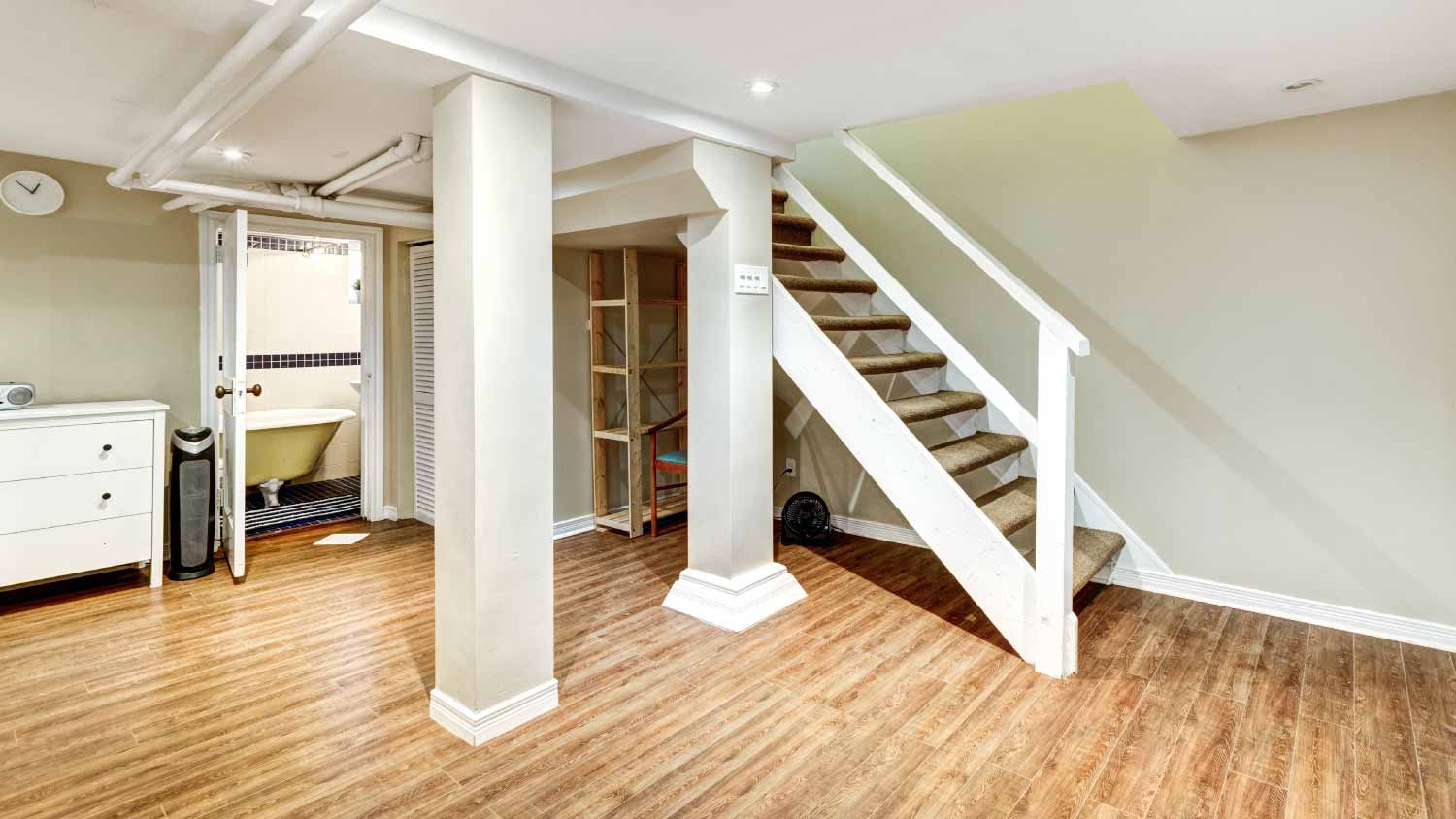
Unearth the root causes of water seepage in your basement floor. Explore effective solutions to keep your basement dry and your home protected.
Can’t seem to get rid of the moisture and mold in your basement? Learn why basements tend to hold moisture and how to get rid of moisture in the basement.

Struggling with a damp basement? Learn about basement waterproofing and how these tips can help keep your basement safe from the elements.

Waterproofing your basement is important to protect your home. Follow these tips to ensure that you hire the right waterproofing contractor for the job.