

Skunks may be cute, but they reek of smelly trouble for your home. Here are nine surefire ways to keep these pesky critters from invading your property.
Woodchucks may not chuck wood, but they can do a lot of damage

Natural woodchuck deterrents include predator urine, castor oil, cayenne pepper, and crushed garlic, which you can spread around your property to repel them.
Expect to pay $150 to $200 for professional woodchuck removal, with costs reaching $500 when you need help removing a large infestation.
Exclusion fencing made from metal mesh keeps woodchucks out of your yard when you install it at least three feet tall and one foot underground.
Hiring a local wildlife control professional provides reliable help with safe removal and relocation, keeping your family and pets protected throughout the process.
Woodchucks are one of the most stubborn pests you might find in your yard or garden. They eat voraciously and love to tunnel under lawns, driveways, and building foundations, which can cause serious damage. However, if you suspect a woodchuck is living nearby, there are several strategies for dealing with them and minimizing that damage without harming the animals. Let’s go over how to keep woodchucks away from your home for good.
Woodchucks are commonly called groundhogs or whistle pigs, the latter name stemming from their high-pitched sounds. These medium-sized mammals have brownish-gray fur, weigh five to 10 pounds, and are roughly 16 to 20 inches long with a four- to seven-inch furry tail. They're primarily active from spring through fall and hibernate underground in the winter.
A woodchuck's diet consists mainly of plants, many of which can be found in household gardens. Foods they enjoy include apples, beans, cabbage, cucumbers, dandelions, grasses, tomatoes, zucchini, and much more.
If they have a reliable food source, woodchucks stay within 100 feet of their burrows.
Woodchucks usually live alone, though mothers with young will share a burrow. The average cost to remove a groundhog ranges from $150 to $200, depending on where the burrow is located and the method used to trap it.

Before you start thinking about wildlife removal costs, you'll need to confirm that you're actually dealing with woodchucks. There are several ways to identify a woodchuck infestation. You may spot them walking around your lawn or poking their head out of a burrow entrance. They're most active in the early morning or evening, which is when they tend to feed.
A common sign is missing or damaged vegetables. Woodchucks eat about a pound and a half of vegetation each day, so their impact on gardens is usually obvious. You may have a woodchuck on your hands if you notice missing or chewed-on plants or vegetables.
Woodchuck droppings are small, cylindrical, and dark in color. You may see them near burrow entrances or feeding areas.
Once a woodchuck has made its home, it sticks to its territory. Woodchucks tend to create well-worn pathways between their burrows and the places they feed. These paths may be noticeable as trampled grass or vegetation.
If you have a dog, you may notice it gets agitated or barks and digs at specific areas on your property. This could be a sign that your dog has picked up on the scent of a woodchuck.
Finally, you may notice burrow entrances. Woodchucks like to burrow in discreet spots, such as:
Along the edges of shrubs
Under wood piles, decks, or sheds
Along the walls of a house or porch
A woodchuck burrow entrance is about a foot across and may have a mound of soil built up around it. Secondary entrances usually lack a mound.

To keep woodchucks away from your home for good, use a combination of yard maintenance, repellents, and exclusion fencing. Here are some of the top woodchuck deterrents.
If you don't currently have a woodchuck infestation and you want to keep it that way, the first step is to make your property inhospitable for them by doing the following:
Routinely prune and mow to remove ground cover that woodchucks can eat or hide in
Harvest ripe fruits and vegetables right away
Pick up produce that may have fallen from trees or bushes
Remove brush, wood piles, and other potential hiding spots
Woodchucks have a strong sense of smell and are sensitive to certain natural irritants. Some of these can be spread on garden plants, while others can be spread around your property.
Predator urine is an effective woodchuck deterrent that creates the illusion of danger for them. Home improvement stores sell fox, coyote, wolf, and bobcat urine, though having pets urinate around your property can also do the trick. Likewise, spreading used kitty litter in and around burrow entrances may serve the same purpose.
Groundhogs dislike castor oil, blood meal, talcum powder, ammonia, and lime. If you want a food-safe option to spread on plants, you can spread cayenne powder, crushed red pepper flakes, or crushed garlic. Some stores sell chemical repellents that claim to work on groundhogs, but these tend to be ineffective.
No matter which repellents you choose, they won’t last permanently and must be routinely reapplied. Try different combinations of repellents in other areas to see which technique is most effective for your needs.
Rather than simply spread repellents, you can deter woodchucks by planting things they dislike. Woodchucks avoid the following plants due to their scents, tastes, or textures:
Herbs: Woodchucks dislike the strong smell of mint, oregano, and thyme
Allium: Crops such as onions, garlic, and chives also have a strong deterrent smell.
Chrysanthemums and marigolds: These flowers double as an insect repellent.
Roses: Roses have thorny branches that woodchucks won’t cross.
Holly and yucca: Rather than thorns, spiky leaves on these plants deter woodchucks.
Place these plants alongside one another in rows around the perimeter of areas you want to protect from woodchucks. You can also use repellent materials instead of mulch, such as pine needles and thorny branches, which are uncomfortable for groundhogs to walk on. Keep your natural barrier well-maintained and rotate plants to keep woodchucks from getting accustomed to them.
Despite higher material costs and labor requirements, fencing is the most effective method to keep woodchucks away. Build a fence from metal mesh with openings less than one inch wide. Make it at least three feet tall aboveground and one foot below ground. Bend the bottom six inches and the top foot of the fencing outward to prevent digging and climbing.
Some homeowners add electric fencing for extra protection. If you do this, ensure that you install a warning sign nearby to prevent injury.
Follow these steps to install exclusion fencing:
Plan the fenced area and gather your materials.
Mark fence post locations and ensure they're evenly spaced.
Dig a hole for each post with a post-hole digger or auger.
Insert the posts and secure them with soil, gravel, or concrete.
Unroll the fencing material taut along the perimeter and staple or clip it to the posts.
Install a gate as needed per the manufacturer's instructions.
There are other methods for preventing or removing woodchucks, but not all of them are safe or recommended. Some methods to avoid include:
Live traps: Trapping a woodchuck live then requires you to relocate it. This is often illegal, and handling a woodchuck yourself can be dangerous.
Kill traps: Kill traps are effective, but they often harm unintended targets, such as other animals, pets, and small children.
Poison bait: Like kill traps, poison bait can harm unintended targets. It is also inhumane since it kills the animal slowly.
Burn gas cartridges: Just like poison, these cartridges are considered inhumane since you’re releasing noxious gas into their burrows. This method is also dangerous because it involves flames, which could cause significant damage if near combustible materials.
While many homeowners attempt to keep woodchucks away on their own, there are situations in which the best approach is to contact a local wildlife control company.
Whether your DIY attempts have failed, you're dealing with a large population, or you're concerned about the safety of your family, pets, or property, professional animal control can take away the stress and labor involved in woodchuck mitigation.
On average, expect a total woodchuck removal cost between $150 and $200, though you may pay as much as $500 to have a large infestation removed.
One of my old tall evergreen trees was suddenly leaning toward the busy street in front of my house. I submitted a request for an emergency tree inspection, and Alejandro, owner of Cajete Tree Service, contacted me immediately and arrived to look at it just 20 minutes later. We agreed the...
 Cajete Tree Service LLC
Wonderful. I am going to have them remove and replace my driveway in the spring.
 All Star Paving and Sealing
Lyle did a great job removing asbestos shingles from our front porch roof. They worked together with our roofer to make sure that the new roof was able to be installed on the same day that Lyle removed the asbestos shingles.
 Lyle Environmental
Involved an extensive bathroom remodel, including removing tub & installing walk in shower, new drywall, custome tile work to ceiling, plumbing, etc. Overall, job was done on time and on budget. Nick & his team were very professional and had high attention to detail. Quality was great. Highly...
 Stamos Flooring and Remodeling LLC
Extremely well. Ohio Tree Care is my go to company for all tree care and snow removal services. they are professional, knowledgeable and affordable. I manage five camps in 33 counties and Ohio Tree Care has serviced every one of our properties. Highly recommend.
 Ohio Tree Care Inc
A team of 2 spent 5 hours, cleaning top to bottom (removed all light fixture and cleaned.... impressive!!!)
 Luzia's Cleaning
I would have given an "A" rating were it not for the devil being in the details. 1. The van rear doors, when open, expose the track area and that had not been cleaned. Noticeable only when you look for it and then it's obvious. 2. Was able to get 99.5% of the dog hair out of the cargo area...
 614 Detail
Great Job!!! Martin called me after I requested a estimate on Home Advisor. He was very professional and actually went the same day and looked at the tree I needed removed gave us a estimate and I felt it was very aggressive so I did not even call for any other bids. I asked him how soon he...
 Reyes Tree Service LLC - Home Facebook
Mike and his crew did a great job working through a very challenging task. The job required a full demolition of our ceiling, removing the blown in insulation and removing all the material from the site daily. It involved multiple inspections from the city and many challenges to get the...
 Rising Height Unlimited
Removed various items (furniture, lamps, other junk) from my home. They were on time, personable, professional, etc. I can't say enough positive things about this company. <br />
From average costs to expert advice, get all the answers you need to get your job done.
Skunks may be cute, but they reek of smelly trouble for your home. Here are nine surefire ways to keep these pesky critters from invading your property.

Keep your pets, livestock, and poultry safe by learning how to keep wolves away. Plus, find out what’s attracting them to your home in the first place.

Foxes are opportunistic scavengers, so you don’t want to give them an excuse to park on your property. Learn how to keep foxes away from your yard.
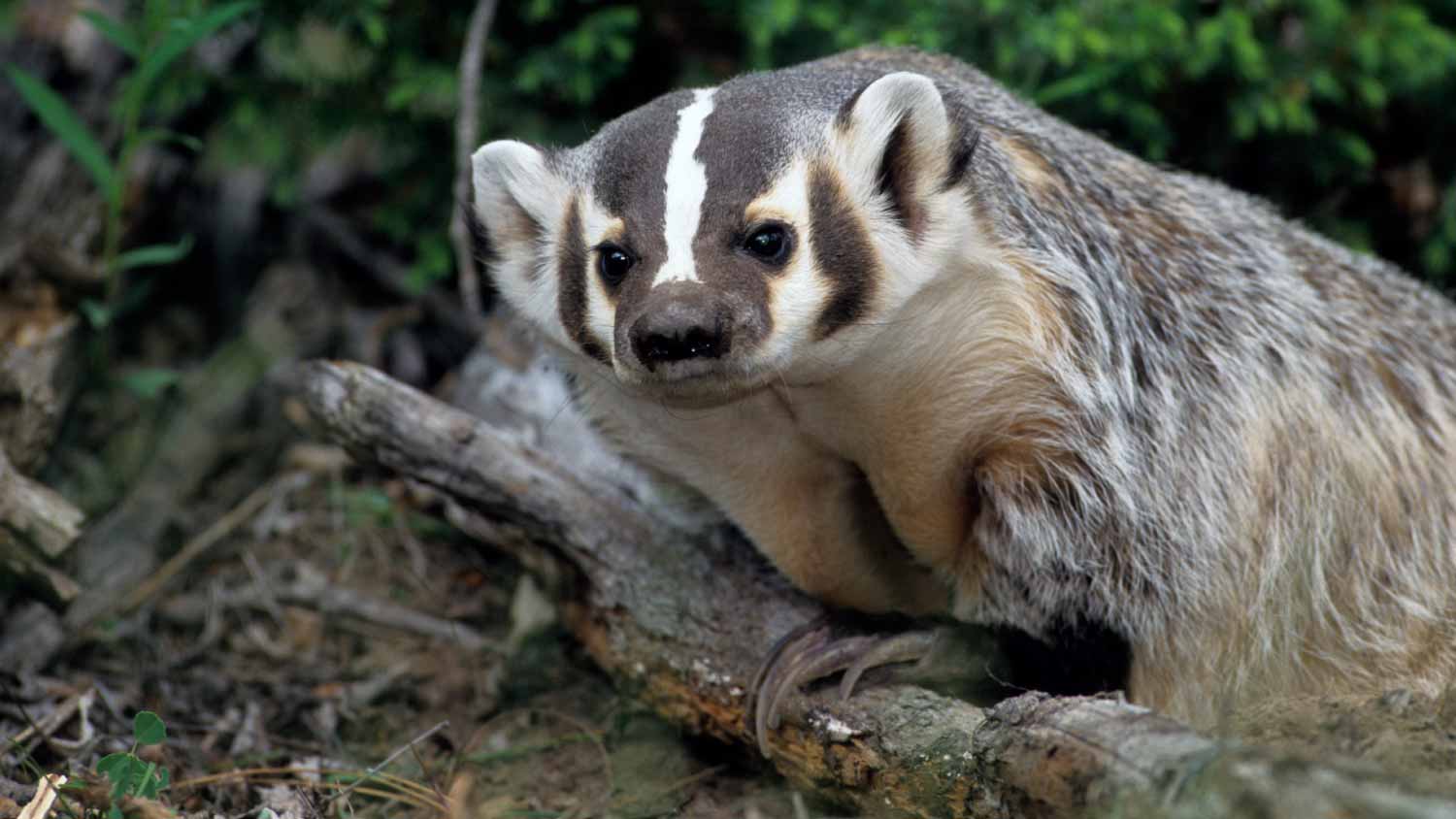
Learn how to keep badgers away in a safe and humane way. They’re cute, but you don’t want them taking up residence in your home and garden.
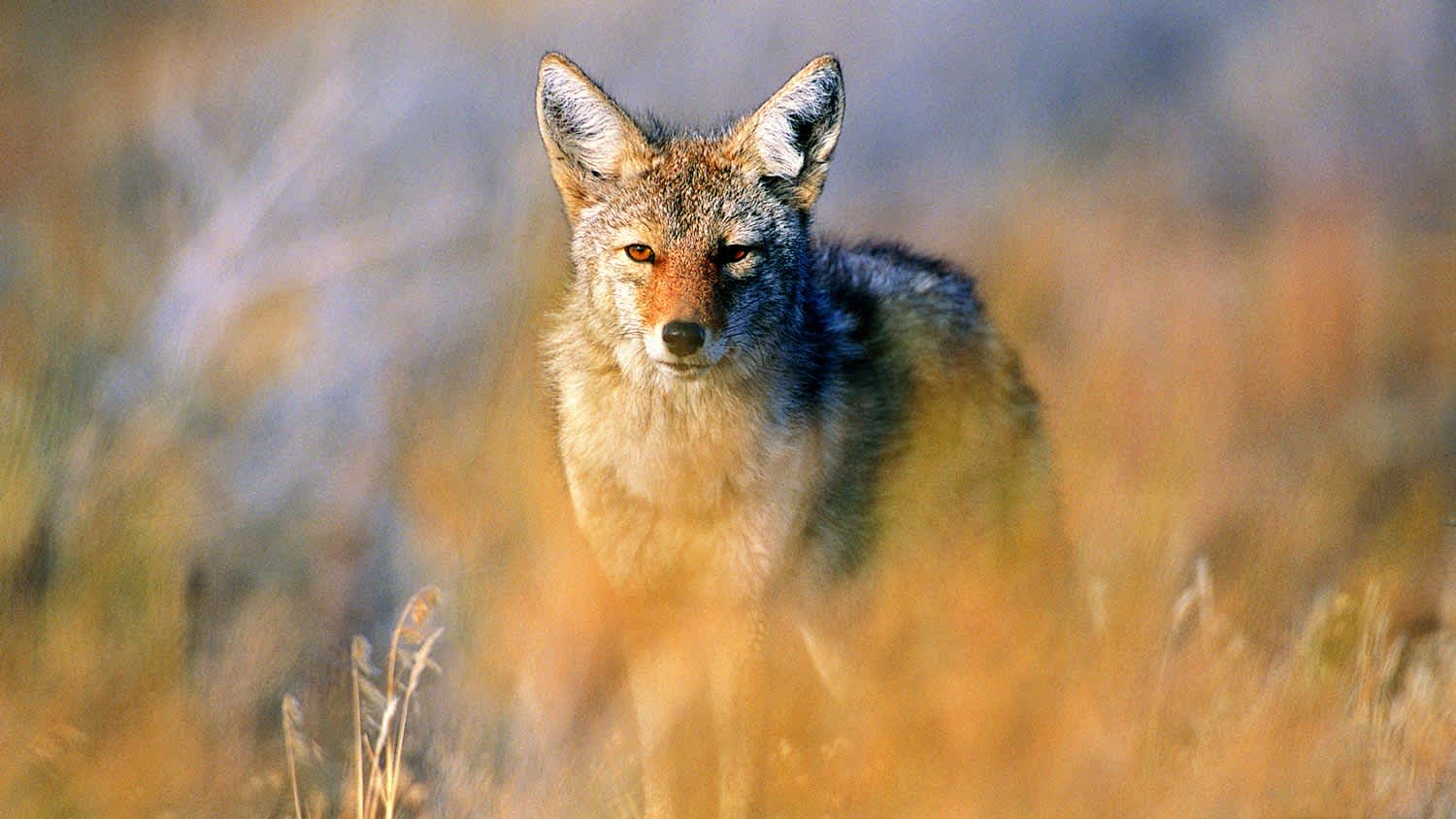
Learn how to keep coyotes away from your home. Simple strategies to help stop crafty coyotes from using your yard as a crash pad.

Skunks aren’t aggressive, but they emit a noxious, lingering spray when under threat. Learn how to get rid of skunks around your home to avert their aroma.