
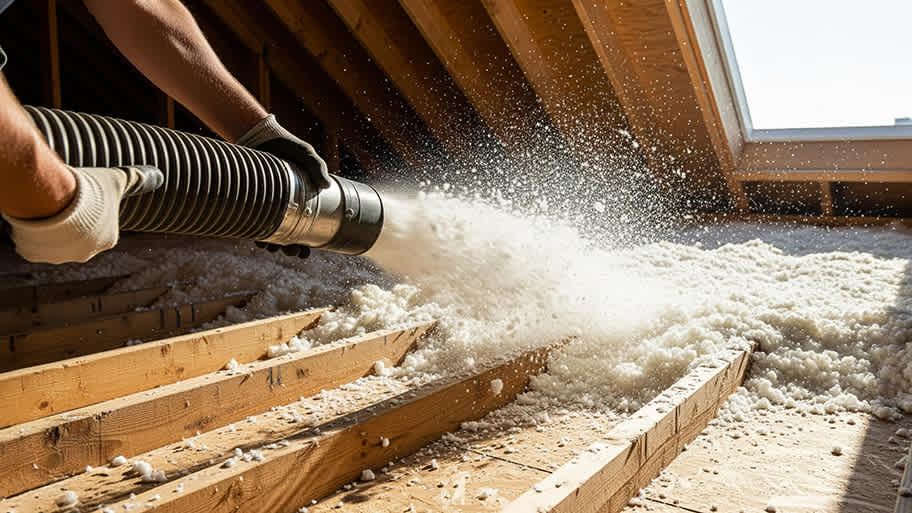
The cost of blown-in insulation costs varies depending on the type of insulation, labor, prep work, and more. Learn more about the cost factors in this guide.
Keep the cold out and the heat in

Wall insulation keeps your home comfortable year-round by blocking cold air in winter and hot air in summer while reducing energy costs.
Expect to pay around $1,850 for professional installation, though fiberglass materials cost $0.30 to $1.50 per square foot for DIY projects.
Choose insulation based on your climate's R-value needs, inspect for moisture issues, and wear proper safety gear to protect against skin and respiratory irritation.
Hiring a local insulation company keeps you safe from irritants and wiring hazards while ensuring proper coverage, correct R-values, and long-term moisture prevention.
Want to make your home more comfortable, lower your energy bills, and keep noise from traveling from one room to the next? Adding insulation is the way to go. Learn more about how to install wall insulation to keep your home cozy in the winter and chill in the summer.
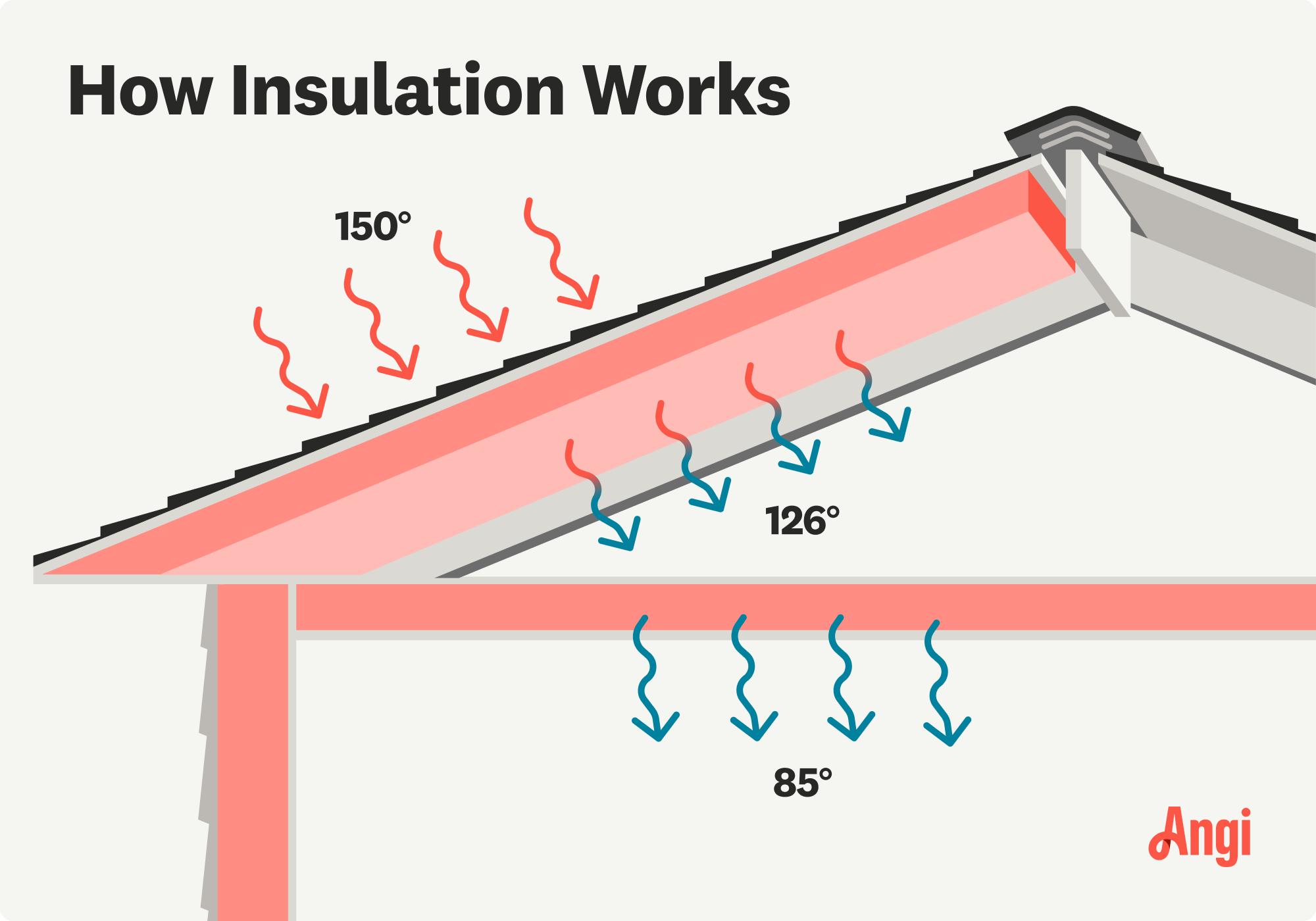
Adding insulation to your home's walls offers many benefits. Let's start with the big one: Insulation helps you regulate the temperature inside your home. In the winter, it keeps cold air outside, and in the summer, it keeps hot air from getting in.
At the same time, insulation also helps to seal up your home, preventing air leaks that can impact moisture levels. With better humidity control, you'll feel more comfortable.
Then there are the sound benefits. If you feel like you can hear everything that goes on in your home or that noise from the outside world is constantly seeping in, insulation will help to block it, providing better sound protection.
On the cost-savings side, a properly insulated home means you can set your thermostat to a cooler temperature in the winter or a higher one in the summer, lowering your utility bills and helping you use less energy.
The cost of insulation depends on the type, your home's size, and whether you DIY or work with a professional. Where you install the insulation also affects the final price tag, with the average project cost coming in at $1,850.
In terms of insulation types, fiberglass tends to be the most budget-friendly, costing between $0.30 and $1.50 per square foot, while rockwool and wood fiber insulation are at the upper end of the price range.
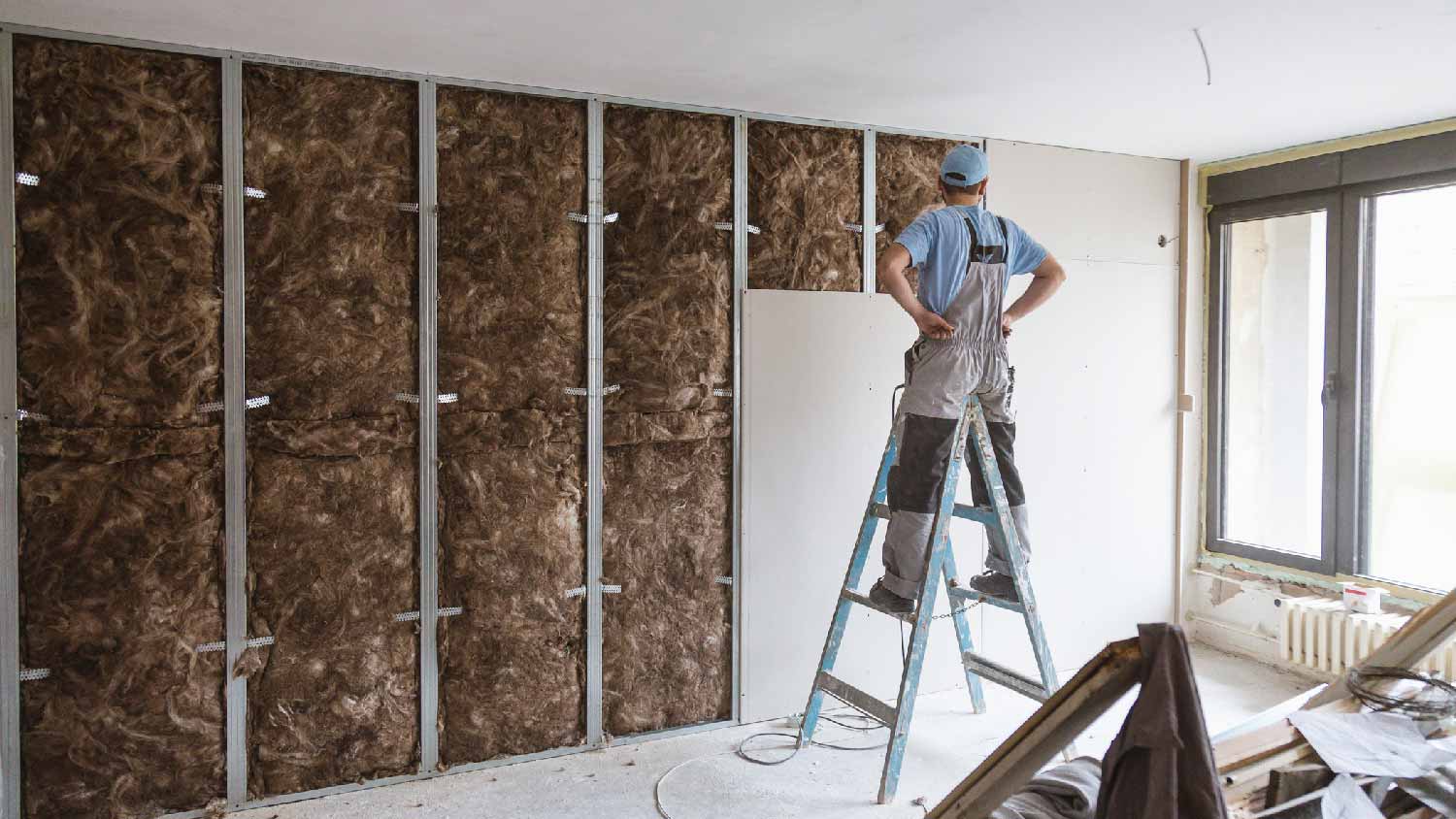
Before you start your insulation project, take some time to determine what you need and to detect any issues in your home.
Choose the right insulation: Insulation's R-value determines how well it prevents heat transfer. The R-value you need depends on the climate in your area.
Inspect your home: If you see signs of moisture problems, you'll most likely need to install vapor barriers. If there are air leaks, they should be filled and blocked before proceeding.
Add a cushion: Measure your walls and calculate how much insulation you'll need, then add a little extra to account for waste or mistakes.
Play it safe: Before you start, make sure you have the right safety gear, including gloves, goggles, and a mask. Long-sleeved shirts and pants are also a must, as the insulation material can be very irritating.
How you install wall insulation depends on the type of walls in your home and whether you're starting with finished or unfinished walls. If you're redoing a room or building your home from scratch, the walls will most likely still be open, meaning you can easily install batt or roll insulation. If you're adding insulation to pre-existing drywall or plaster walls, spray foam or loose-fill insulation is the way to go.
If you're starting with open walls, roll or batt insulation is the best choice. Insulation batts are sold in lengths that are the same as the height of an average room, meaning less work for you in the end.
Before you begin, put on your protective gear, including your mask, goggles, and gloves.
To install roll or batt insulation, position it between two studs on the wall, with the brown paper side facing into the room. Oftentimes, roll or batt insulation perfectly matches the width between studs, so you don't have to cut it down. If you're using roll insulation, you'll need to cut it to a length that matches the height of your walls.
The insulation should fit snugly between the two studs. If you'd like, you can staple the brown paper facing the studs for extra security.
Do you live in an older home with plaster walls or existing drywall? You can still add insulation, and you don't even have to take down the current walls.
You can insulate existing walls with loose-fill or spray foam insulation. To do so, you'll need to drill holes in the wall at several points, slide a tube into the hole, and blow the insulation in using a blowing machine.
As with roll or batt insulation, it's important to wear safety equipment, including eye protection, a mask, and gloves, when working with blown-in insulation. Also, note that certain types of spray foam insulation can only be installed by an insulation professional.
According to Angi data, over 70% of homeowners looking to install batt and roll insulation are installing it in exposed or unfinished walls. Because this type of insulation comes in large sheets, the walls must be exposed. Otherwise, you’ll need to factor in the cost of opening up the wall and closing it back up.
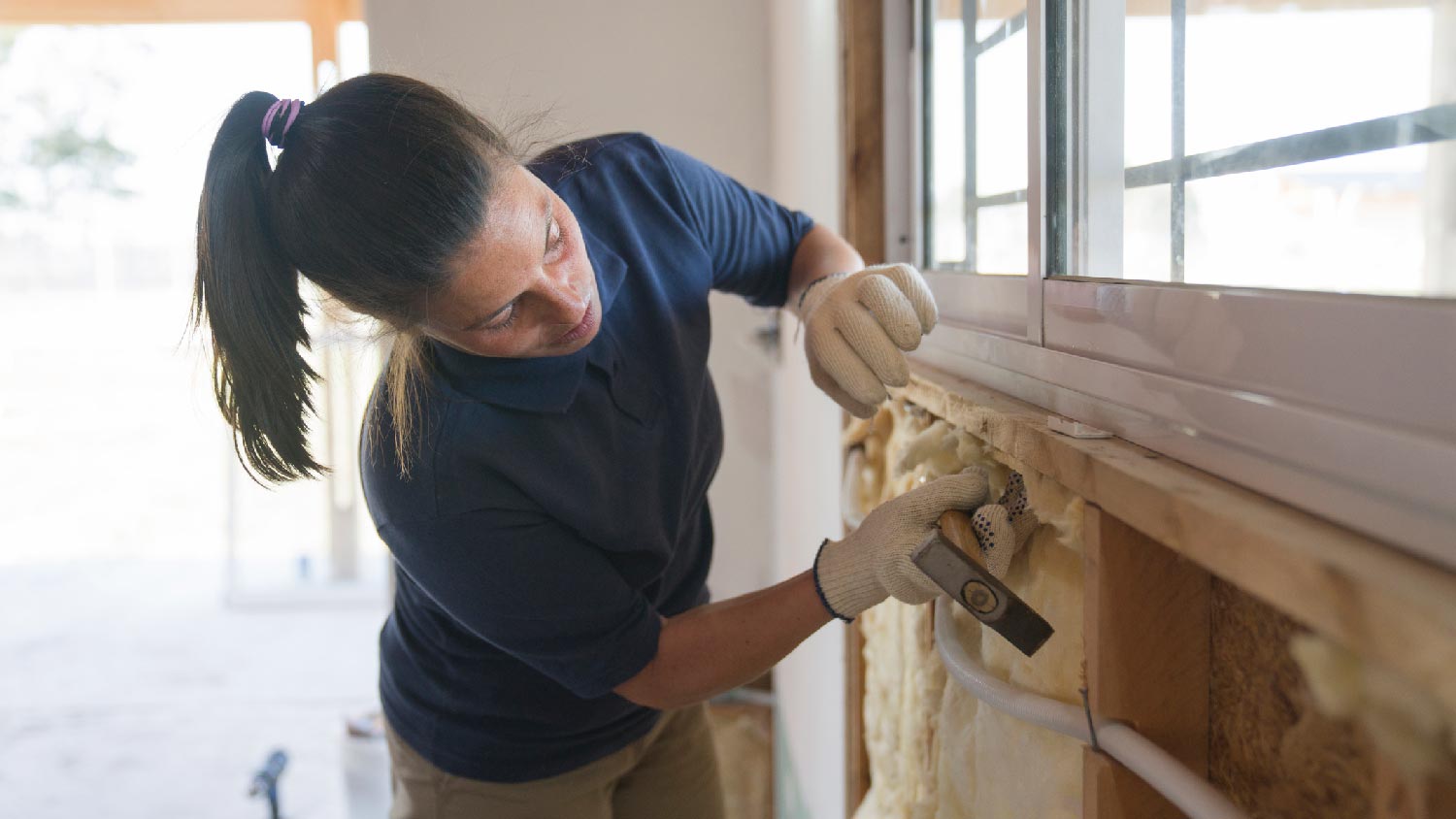
Insulation is definitely not one-size-fits-all. The type you choose will depend on your home's location and condition, and your budget will also influence your final decision.
Don't ignore the R-value: The R-value may be the most important number to know when choosing insulation. The EnergyStar program has a handy chart to help you choose the right R-value based on your local climate and your home's existing insulation.
Be aware of what's lurking behind your walls: Pipes and other obstructions can help you choose the right type of insulation. For example, pipes can get in the way if you're adding spray foam or loose-fill insulation and can make it impossible to install rigid foam insulation.
Depending on the size and scope of your project, not to mention the type of insulation you want to install, hiring a professional insulation company near you to do the job is often the way to go. In fact, for certain types of insulation, such as open-cell spray foam, you need to hire a pro rather than try and DIY.
I would recommend this company to anyone! He showed up on time, was friendly, completed a very difficult repair on our dryer vent cover, was responsive, and pricing was extremely fair and competitive. I would have him back to do any of our repairs or cleanings without hesitation!
 U.S.A. Dryer Vent, LLC
Best cleaning I've had at my property
I conferred with 2 other contractors before Armstrong Electric. Nick and his crew showed me that the project was not as convoluted as the other contractors made it appear to be. They completed the entire project on time. They were professional, friendly and cleaned up after at completion. I...
 ARMSTRONG ELECTRIC, LLC
The technician was very professional and friendly. He answered all my questions and was very thorough. He left the fireplace area very clean . He inspected from the roof and advised me as to other work that might need to be done. There was no pressure there. I was very satisfied with the...
 Supreme brick & chimney
Our exterior looks brand new thanks to Custom Paint Jobs LLC. Theyre the best in town!
 Custom Paint Jobs, LLC
Excellent experience with hiring Tether House to Mount our 77’ Samsung TV in our bedroom. Fast, friendly, and knowledgeable. Highly recommend.
 Tether House
The techs on my project, Shawn and Cliff, were great. They were prompt, courteous, and efficient. I am very happy with the results and would definitely contact Mr. Electric for any future electrical projects.
 Mr. Electric of Columbus
We had our houses windows and back door replace this summer by Window Depot USA of Central. He gave us grate advise and saved my family lots money. The team did a fantastic job with installation. If you need help, they sure get job done right!
 Window Depot USA of Central Ohio
Beginning with the estimate, Larry and Peyton were super helpful in getting my new condo's interior re-painted. Not only was the job well done, but also done in a super timely manner as promised.
 Five Star Painting of Plain City and Powell
Great job...edging and pre clean up went well with a great job with seal coat. Friendly, efficient and professional.
 All Star Paving and Sealing
From average costs to expert advice, get all the answers you need to get your job done.
The cost of blown-in insulation costs varies depending on the type of insulation, labor, prep work, and more. Learn more about the cost factors in this guide.
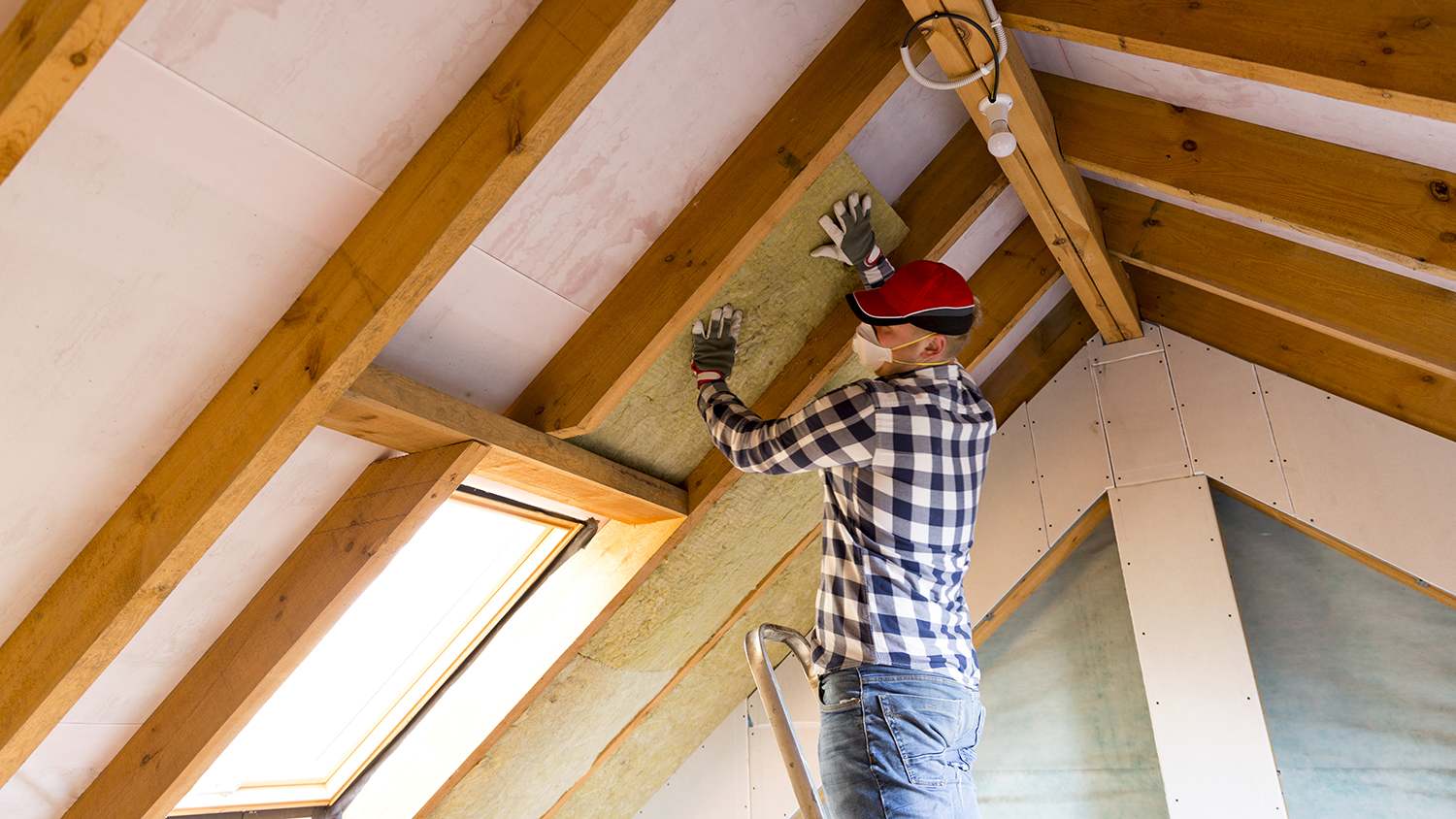
Discover roof insulation costs, including average prices, key cost factors, and expert tips to help you budget and save on your next project.
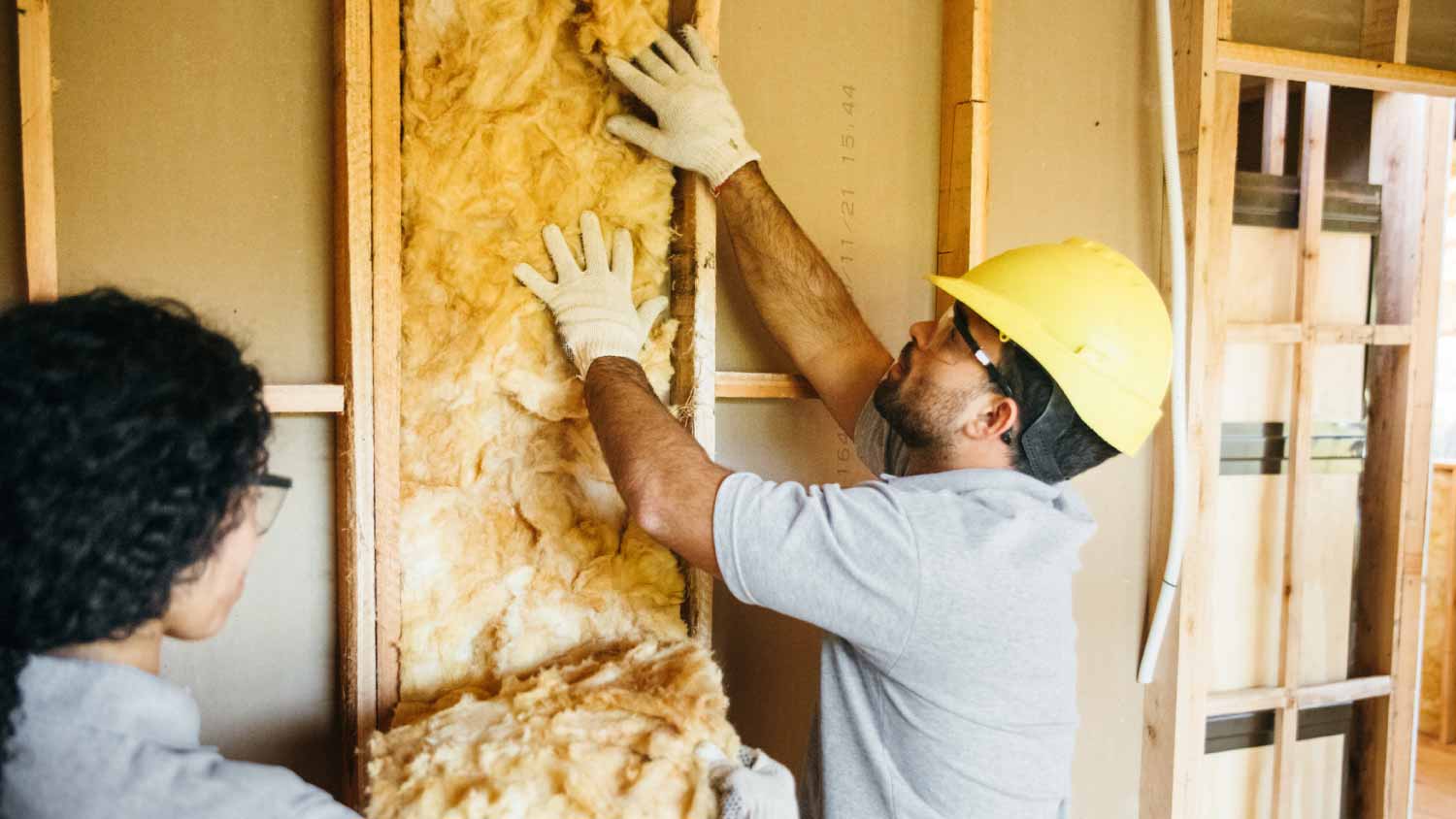
How much does it cost to insulate a wall? This guide breaks down the associated costs and variables to consider when setting your project budget.

Wondering how much insulation to buy? Use our calculator to determine how much insulation you need based on your home's square footage and R-value needs.
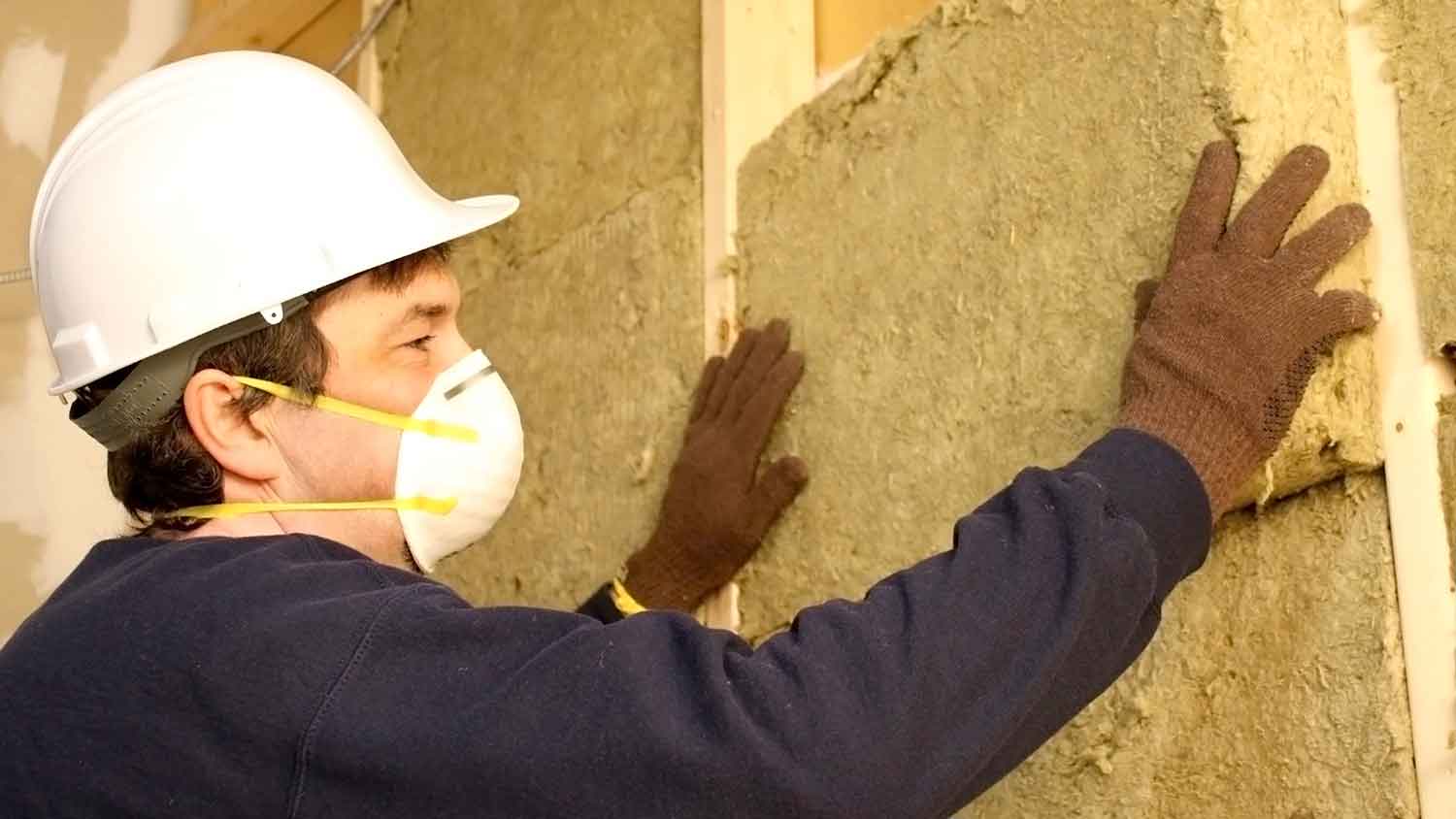
Looking for a qualified batt insulation installer? Learn how to find, vet, and hire the right pro to improve your home's energy efficiency.
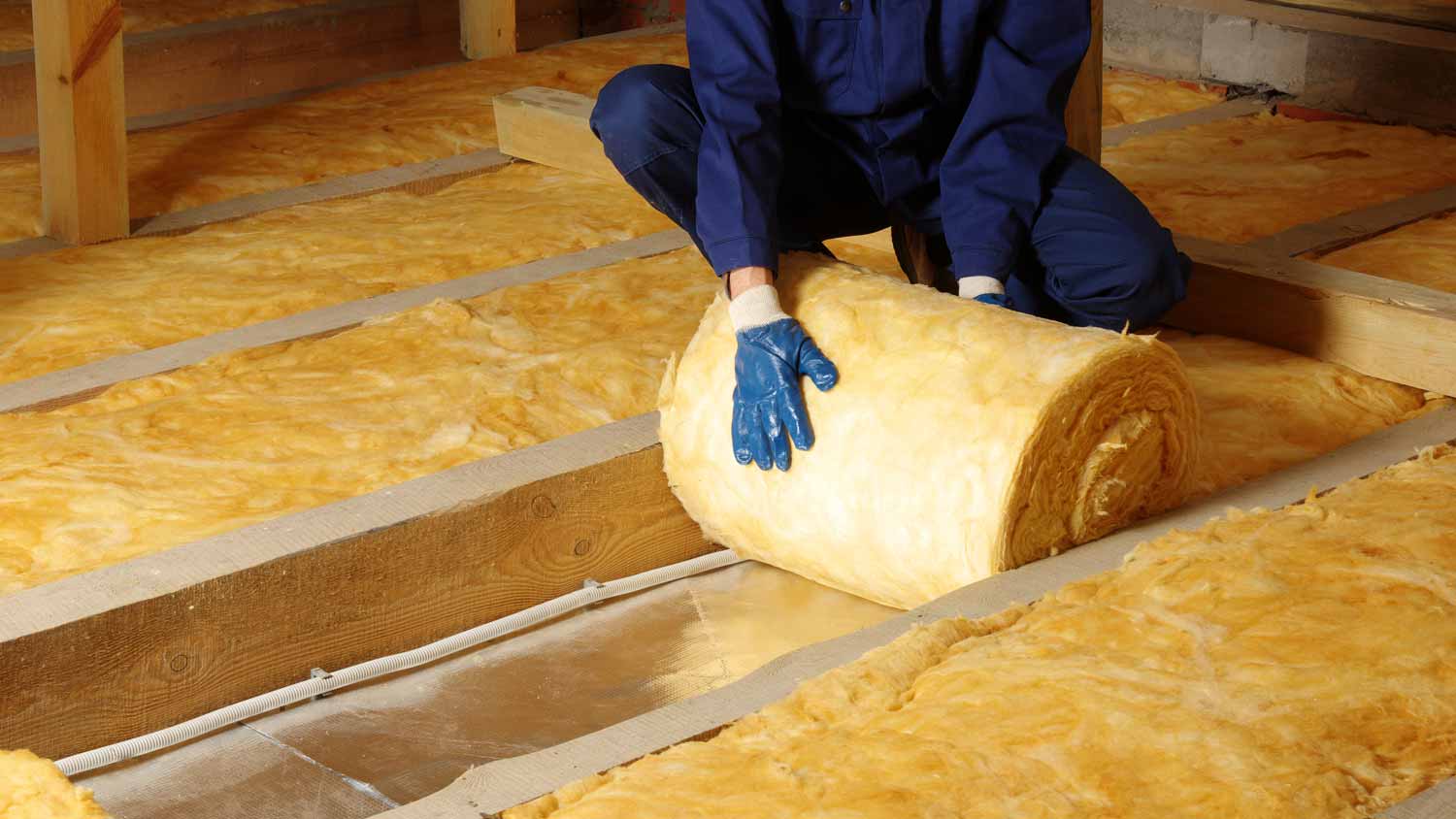
What is insulation? This behind-the-scenes home fixture will maintain comfortable temperatures in your home no matter the season. It’ll lower energy bills, to boot.