New insulation can make your home more comfortable and boost energy efficiency. Use this insulation cost guide to get an accurate estimate for the installation.
Finding the right batt insulation installer ensures proper installation and energy savings

Professional batt insulation installation handles air sealing, vapor barriers, and choosing the right insulation thickness for your climate, preventing gaps and compression.
Fiberglass batt insulation fits tight budgets and standard walls, while mineral wool offers better fire resistance and sound control for your home.
Proper batt insulation installation helps your rooms stay more comfortable year-round by reducing drafts and keeping insulation evenly placed between studs.
Hiring a local insulation company provides expert guidance on air sealing and vapor barriers, so your insulation fits snugly without gaps or compression.
This article was created using automation technology and thoroughly fact-checked and edited by an Angi Editor in accordance with our AI policy.
When you're looking to hire a batt insulation installer, you're seeking a specialized contractor who installs pre-cut fiberglass or mineral wool insulation panels in your walls, attics, floors, and ceilings. Proper installation is essential for energy efficiency—even small gaps can reduce efficiency by up to 25%. Professional installers understand vapor barriers, air sealing, ventilation requirements, and building codes, making this batt insulation installer hiring guide essential for homeowners.
Professional batt insulation installers offer comprehensive services beyond just installing insulation batts. They provide expertise in air sealing, vapor barrier installation, insulation removal and replacement, and energy efficiency assessments to ensure optimal home comfort and performance.
New batt insulation installation in walls, attics, floors
Air sealing around penetrations, chases, and framing joints
Vapor barrier installation and moisture control systems
Old or damaged insulation removal and replacement
Energy audits and insulation performance assessments
Proper R-value selection for your climate zone
Installation around wiring, piping, and other obstructions
Compliance with building codes and RESNET standards
Ventilation system coordination and implementation
Insulation upgrades for existing homes
Batt insulation installation costs depend on several factors, including the type of material you choose and where you're installing it. Fiberglass batt insulation costs $0.30 to $1.50 per square foot, making it one of the most affordable options. Mineral wool insulation costs $1.40 to $4 per square foot and offers better insulating properties than fiberglass. Your total cost will also depend on square footage, site preparation needs, whether old insulation needs removal, and regional price variations.
Proper planning before contacting a batt insulation installer helps you get accurate quotes, ensures the project meets your needs, and protects you from hiring unqualified contractors. Taking time to prepare project details and research contractor qualifications leads to better results and fewer surprises.
Understanding your specific insulation requirements before contacting professionals ensures you get accurate estimates and the right solution for your home. Calculate the square footage of areas needing insulation, including walls, attic, and floors.
Identify accessibility challenges like tight spaces or obstructions that installers will need to work around. Evaluate whether air sealing improvements are needed, what vapor barrier requirements apply to your climate, and whether any moisture or ventilation issues need addressing before installation begins.
Checking licensing, insurance, and bonding requirements protects you from liability and ensures quality workmanship. While batt insulation installation doesn't always require specialized licensing like spray foam does, state and local requirements vary. Verify that installers have state contractor licensing where required and carry both general liability and workers' compensation insurance.
Request references from past clients and review their portfolio of completed projects. Confirm they have knowledge of local building codes and RESNET Grade 1 installation standards, which ensure proper installation without gaps or compression.
Interviewing at least three contractors and obtaining written estimates protects you and ensures competitive pricing. Comparing proposed solutions—not just prices—helps you identify the best value and approach for your project. Different installers bring varying levels of expertise, equipment, and installation methods. Written estimates create accountability and prevent misunderstandings about project scope. Make sure to agree on these items in writing:
Down payment amount and schedule
Payment structure milestones or completion
Final payment terms and conditions
Project timeline start and completion date
Specific deliverables including R-value, materials, and air sealing
Warranty coverage, including labor and materials
Cleanup and disposal responsibilities
Asking the right questions during initial consultations helps you identify qualified, reputable installers and avoid potential problems. These questions reveal the contractor's expertise, professionalism, and commitment to quality work. The answers you receive will help you compare contractors and make an informed hiring decision based on qualifications, experience, and approach to your specific project needs.
Are you licensed and insured in this state?
How long have you been installing batt insulation?
Can you provide references from recent similar projects?
What type of insulation do you recommend for my specific needs?
How do you handle air sealing and vapor barriers?
What installation standards do you follow (RESNET Grade 1)?
How long will the installation take?
What warranty do you provide on labor and materials?
Do you provide free written estimates?
Proper installation directly impacts your home's energy efficiency—even small gaps reduce insulation performance by up to 25%, leading to higher energy bills and uncomfortable temperatures. Qualified professionals understand critical details like air sealing, vapor barriers, and ventilation that DIY installers often overlook, ensuring your insulation performs as intended. Experienced batt insulation installers near you ensure compliance with building codes and RESNET Grade 1 standards, protecting your investment and qualifying you for energy efficiency tax credits.
Inspect the completed work to ensure all areas are properly filled without gaps or compression. Verify that vapor barriers are correctly installed and all penetrations are sealed. Confirm the final payment arrangements match your contract terms and request copies of all warranty documentation for both labor and materials. If you're satisfied with the work, consider leaving an online review and agreeing to serve as a reference for the installer.
If you’re good people wanting to do business with good people, hire Matt. He is a consummate professional and utterly competent. He installed a water heater in my home at a price that beat competitors by hundreds of dollars with a promise to support the unit for its life (even after its 6 yr...
 Greene's Plumbing Services
I would recommend this company to anyone! He showed up on time, was friendly, completed a very difficult repair on our dryer vent cover, was responsive, and pricing was extremely fair and competitive. I would have him back to do any of our repairs or cleanings without hesitation!
 U.S.A. Dryer Vent, LLC
Best cleaning I've had at my property
I conferred with 2 other contractors before Armstrong Electric. Nick and his crew showed me that the project was not as convoluted as the other contractors made it appear to be. They completed the entire project on time. They were professional, friendly and cleaned up after at completion. I...
 ARMSTRONG ELECTRIC, LLC
Our exterior looks brand new thanks to Custom Paint Jobs LLC. Theyre the best in town!
 Custom Paint Jobs, LLC
Excellent experience with hiring Tether House to Mount our 77’ Samsung TV in our bedroom. Fast, friendly, and knowledgeable. Highly recommend.
 Tether House
The techs on my project, Shawn and Cliff, were great. They were prompt, courteous, and efficient. I am very happy with the results and would definitely contact Mr. Electric for any future electrical projects.
 Mr. Electric of Columbus
We had our houses windows and back door replace this summer by Window Depot USA of Central. He gave us grate advise and saved my family lots money. The team did a fantastic job with installation. If you need help, they sure get job done right!
 Window Depot USA of Central Ohio
Beginning with the estimate, Larry and Peyton were super helpful in getting my new condo's interior re-painted. Not only was the job well done, but also done in a super timely manner as promised.
 Five Star Painting of Plain City and Powell
Great job...edging and pre clean up went well with a great job with seal coat. Friendly, efficient and professional.
 All Star Paving and Sealing
From average costs to expert advice, get all the answers you need to get your job done.
New insulation can make your home more comfortable and boost energy efficiency. Use this insulation cost guide to get an accurate estimate for the installation.

The cost to insulate a basement varies based on materials, size, and other factors, as well as how much of the work you wish to perform yourself.
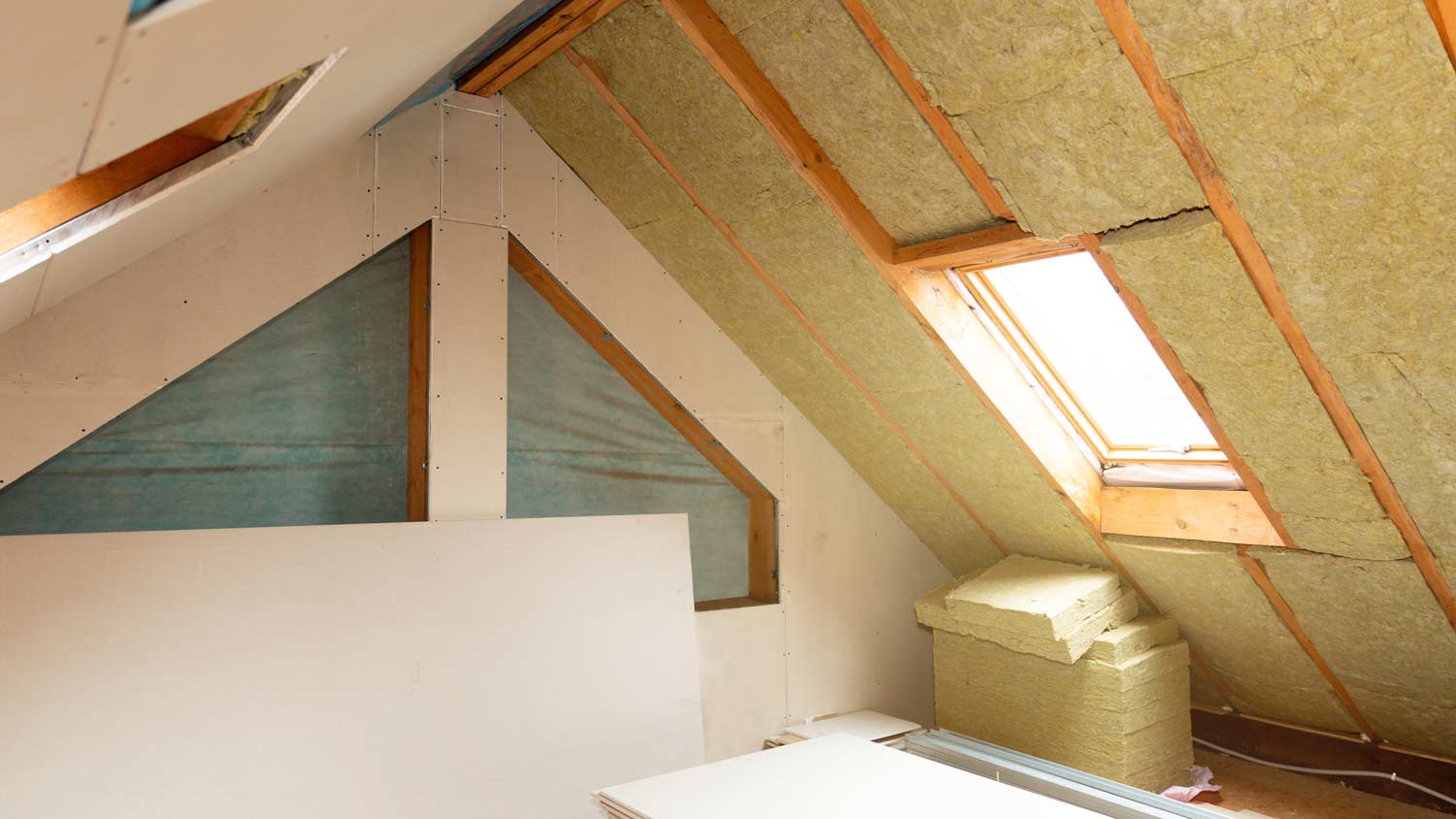
Your home's ceiling insulation cost will depend on several factors, including the project size, the type of insulation you use, and the R-value.
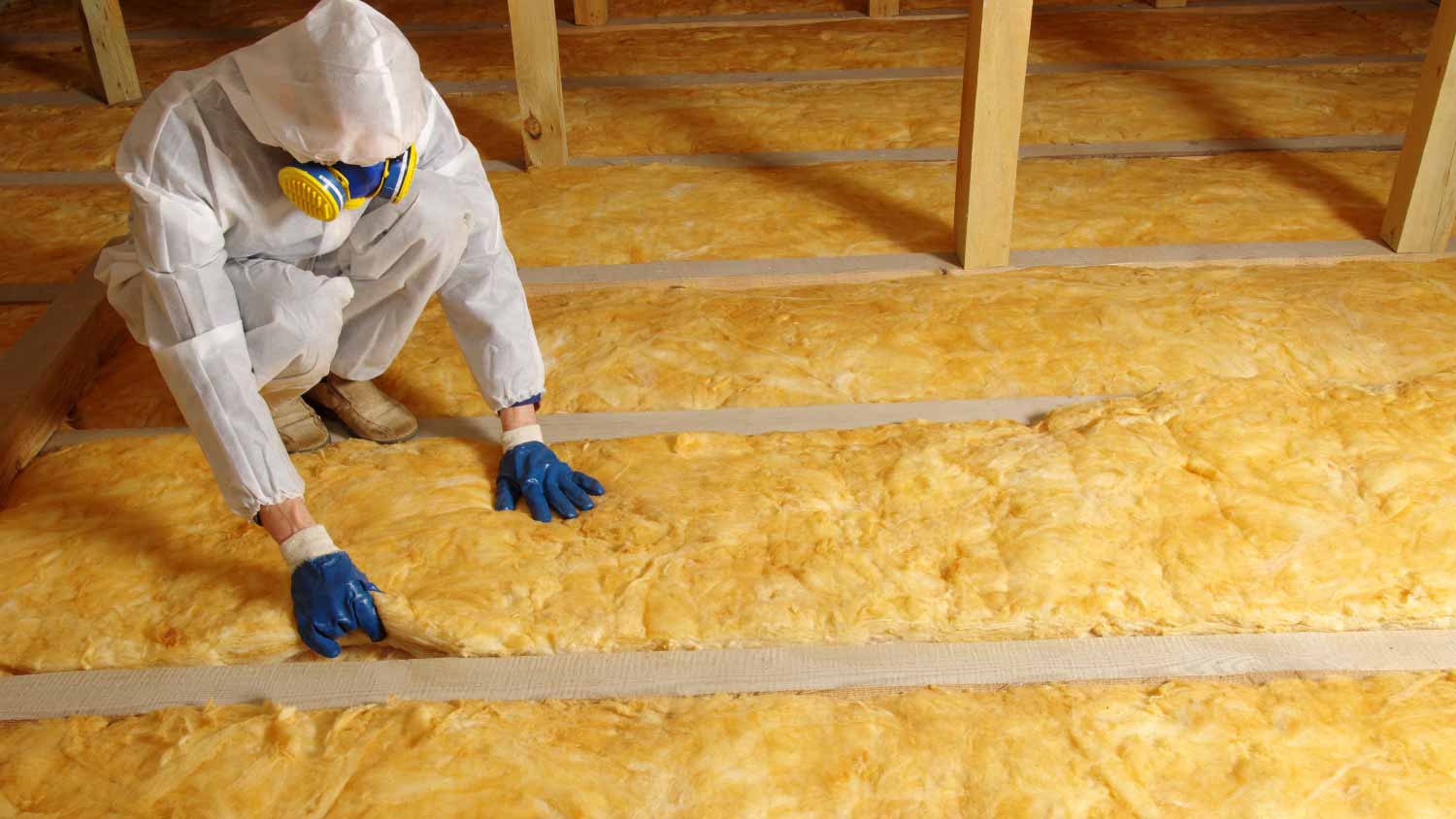
Home insulation has many benefits: it’s energy-efficient, environmentally friendly, and cost-effective. It’s worthwhile but requires planning. We’ve laid out the key things to know before installing home insulation.
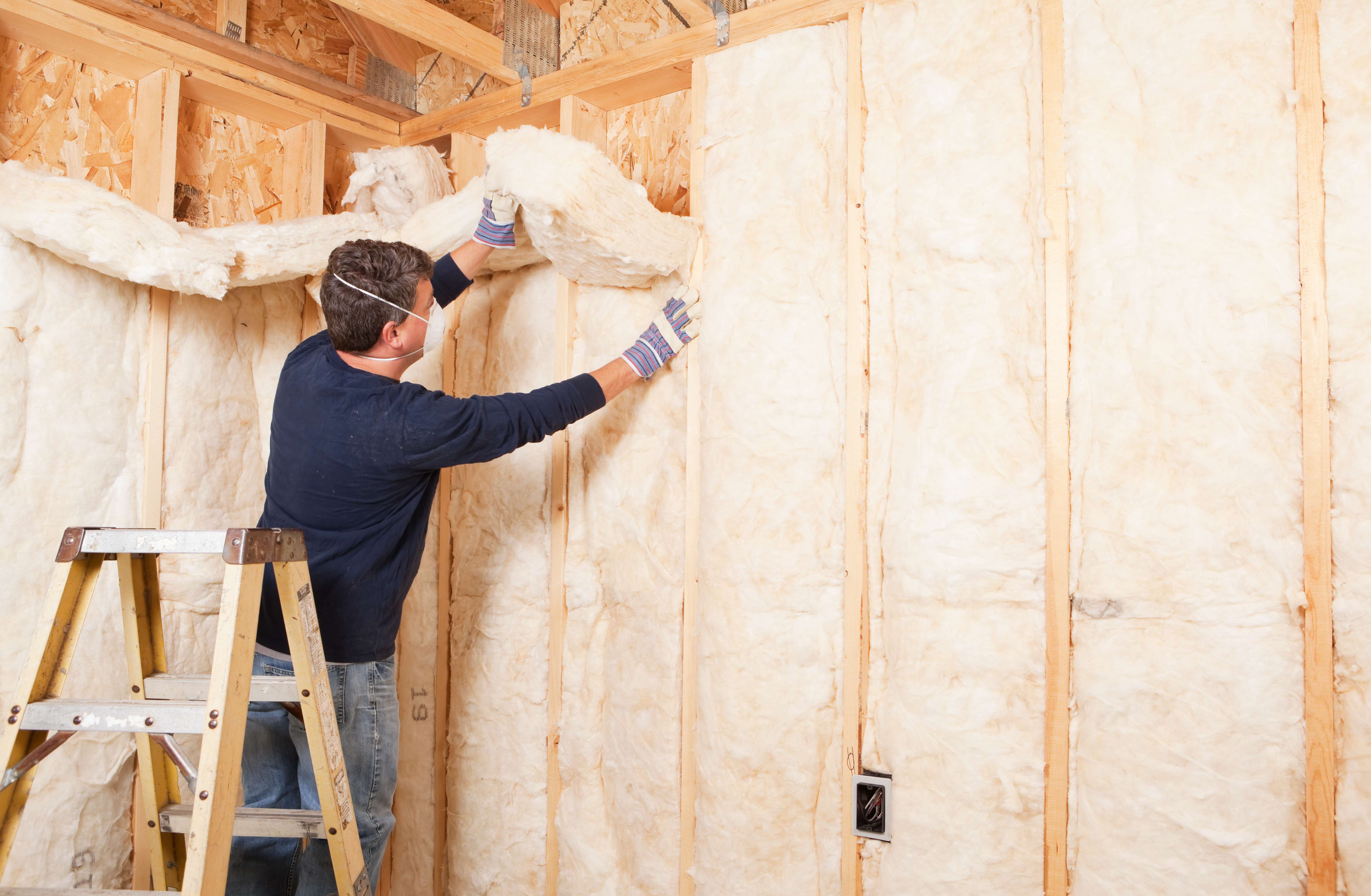
Batt and roll insulation serve the same purpose, but which one is better for you depends on several factors. Our guide outlines what you need to know to make the right choice.

If you need to add insulation to your home, you’re likely wondering, who installs insulation. Learn why it’s best to hire an insulation pro for this project.