
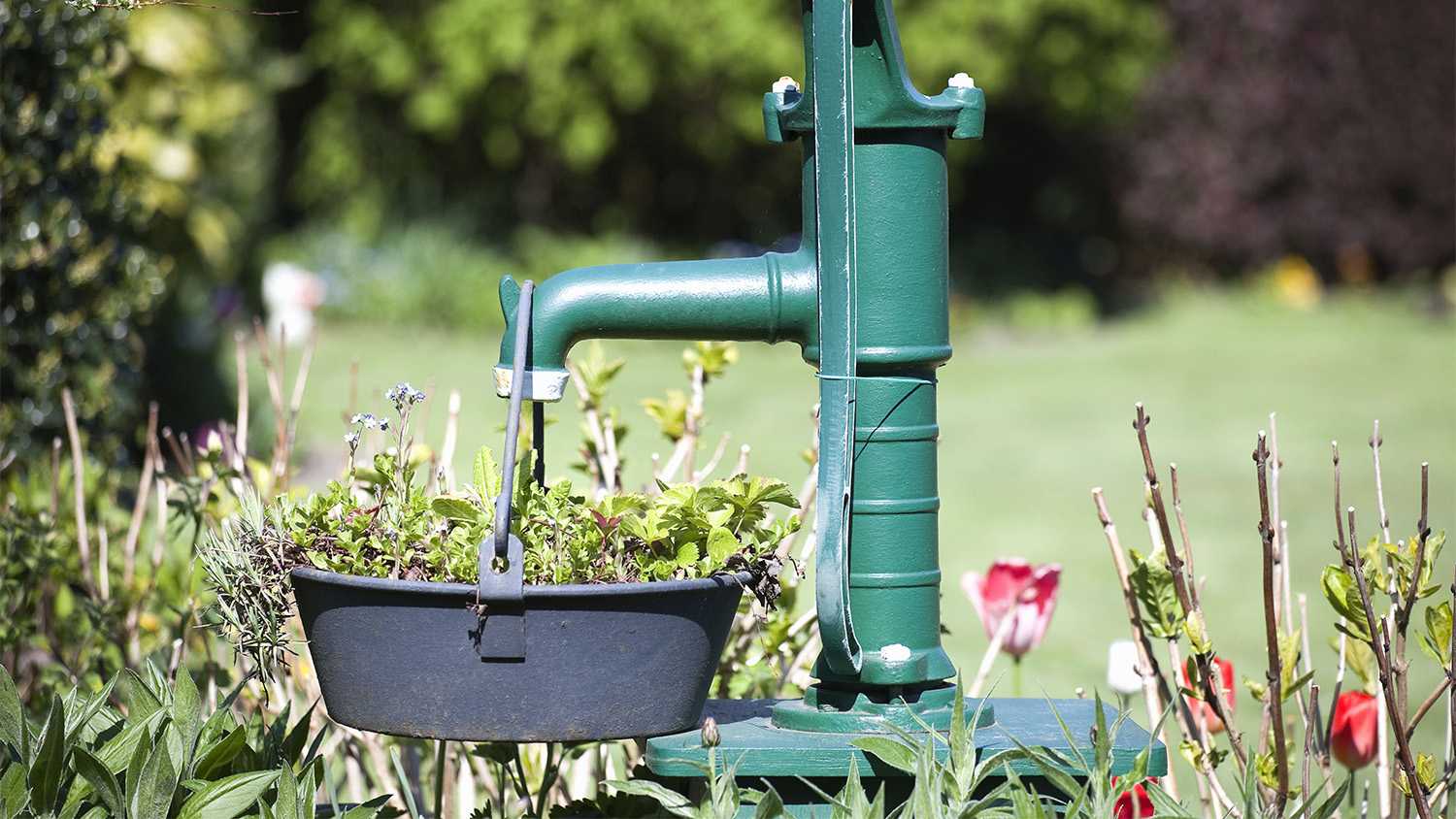
Your well tank replacement cost will vary depending on a few key factors, such as the size and capacity of the well pressure tank.
Talk about a high-pressure situation

Raising the water pressure in a house with a well starts with checking for clogged pipes and fixtures, as sediment and mineral buildup restrict your water flow.
Expect to pay $373 or more for professional well pump repairs, and $300 to $700 for well pressure tank replacement when components fail.
You can adjust your pressure switch setting to increase water pressure, turning the large center nut clockwise to raise both cut-on and cut-off levels.
Hiring a local well pump repair service professional provides reliable help with pressure adjustments and component replacements, keeping your system running safely and efficiently.
Using a well as your water source has several benefits, but it can also come with a common (and unpleasant) side effect: low water pressure. However, there are a few tricks you can try in order to boost your well’s water pressure without hiring a professional. Below, we’ll explain how to increase water pressure from a well for more enjoyable showers, easier dishwashing, and faster laundry cycles.
Wells provide lower water pressure than municipal water. In a municipal system, water pressure is around 60 pounds per square inch (psi). But in well systems, it ranges from 28 to 40 psi.
However, if your well water barely drips out of your faucets and fixtures, you may have an issue with your well system. Fixing it could be as simple as unclogging a pipe, or it might require you to replace the well pressure tank, change the well pump, or repair another component.
Sometimes, fixing a well’s low water pressure doesn’t cost anything. For example, the solution could be as simple as clearing out a blocked pipe or adjusting the pressure switch—both of which are approachable DIY tasks.
But when certain parts of your well system stop working, you’ll have to pay to replace them. The exact prices depend on the broken component and the amount of labor required to replace it. For example, a new well pressure tank costs between $300 and $700, but the cost of a well pump replacement ranges from $975 to $2,800.
Water dribbling out of your taps isn’t the only sign of low well water pressure. Here are some other indications:
Sputtering faucets
A pump that runs for long cycles
A pump that constantly turns on and off
Murky or odd-smelling water
In many cases, it’s possible to increase your well’s water pressure yourself with just a little elbow grease and some basic tools and supplies. Here are three methods to try before calling a professional.
Blocked pipes, faucets, and fixtures are common culprits of low water pressure in well systems. That’s because well water is more likely to have sediment, minerals, and hard water buildup—all of which can clog your plumbing system. If you’re struggling with low water pressure, check for these issues first.
Look at each faucet’s aerator—the piece of mesh in the tap. Use a wrench to pull it off and inspect it for chalky deposits, which indicate mineral buildup inside your pipes. You can try to clear it yourself with a drain snake and cleaning solution, or you can call a plumber to do a deeper clean of the entire well plumbing system.

Pressure switches have three settings: 20/40, 30/50, and 40/60 psi. The cut-on pressure is the lower of the two numbers, and it represents the psi at which the pump will turn on. The cut-off pressure, on the other hand, is the psi at which the pump shuts off. By changing the pressure switch setting, you may be able to increase your well’s water pressure.
Here’s how to adjust the pressure switch on your well pump:
Switch off the power supply to your well pump.
Remove the pressure switch cover and find the air valve at the top of the tank.
Check the current psi with a tire pressure gauge. It should be 2 to 3 psi less than the cut-on pressure.
With a wrench or screwdriver, turn the large center nut clockwise to raise both the cut-on and cut-off pressure. Don’t adjust it above 40/60 psi.
To create consistent water pressure throughout your home, you can hire a pro to install a constant pressure system. These systems start to increase water pressure when it drops by more than 2 psi—much lower than the 20 psi threshold of traditional well pressure tanks.
Constant pressure systems come in a variety of designs. If you aren’t sure which one is best for your home, a plumber or well professional can point you in the right direction.
There are certain steps you can take to prevent low water pressure issues (and the pricey repairs that can accompany them). These include:
Installing a water softener to banish mineral-rich hard water from building up inside your pipes.
Inspecting your faucets’ aerators regularly and removing any chalky residue.
Replacing narrow pipes with wider ones, which are better at providing high water pressure. Your pipes should be 1/2 to 1 inch in diameter.
Book annual plumbing inspections and well inspections to make sure your system is in good condition and to identify problems early.
You may be able to improve your well’s water pressure on your own, depending on what’s causing it. For example, adjusting a water pressure tank switch and clearing blocked pipes are straightforward tasks that don’t require any specialized tools or equipment.
If these tips don’t fix your low-pressure problem, bring in a professional. A local well repair pro can pinpoint the cause of your low water pressure and determine the right solution to increase it without damaging your well or plumbing system.
I have used Columbus Worthington Air for years and recommend them whenever I have a chance. The staff is quick, courteous, and well-trained.
 ARS Columbus Worthington Air
This service was great. My air conditioner went out during the heat spell that we had. My husband has health issues and they came out that night and at 9:30pm the air conditioner was fixed and running. We are sooo very thankful, this is the company I will be using from now on and would...
 Mr. Mechanical Ohio
Joseph did a great job with the staircase and trim. Timely and efficient, clear communication about the work, very fair pricing. For the stairs in particular, done very skillfully in an old house (1893) in a tight spiral, and very creative with how to do the handrail. Did a nice job with...
 Vouis Trim Carpentry L.L.C.
Great experience!! Dion was prompt, professional and very polite. He is hands down the best plumber I have ever used.
 Mercenary Remodeling & Handyworks
Cole has been handling plumbing and general contracting for our four properties over the past three years, and he’s always done a great job. Most recently, he installed a sink and countertop in our retail store where none existed before, and it turned out exactly how we needed. He’s...
 ANB Renovations LLC
Matt is a consummate professional. The work turned out to be far more difficult than expected and rather than turn the job down, Matt rose to the occasion and completed a near impossible task. I can not recommend Greene's Plumbing Service more highly. On a scale of 1-5 I would give Matt a...
 Greene's Plumbing Service
The technician was very professional and friendly. He answered all my questions and was very thorough. He left the fireplace area very clean . He inspected from the roof and advised me as to other work that might need to be done. There was no pressure there. I was very satisfied with the...
 Supreme brick & chimney
Custom Paint Jobs LLC pays attention to every detail, ensuring a job well done every time.
 Custom Paint Jobs, LLC
When we had the winter freeze, I called Quantum Waterworks Waterline & Drain Cleaning Services and within 1 hour I received an e-mail and he sent someone out the next day and he was on time, he was nice and did the job quickly and cleaned up after himself. We had a leak in our kitchen from...
 Quantum Waterworks Waterline & Drain Cleaning Services, LLC
From the beginning , every appointment was met with punctuality! The day of installation, they arrived on time and worked tirelessly all day until the job was finished. ( Even through a very heavy down pour) Ilia, the owner is a professional, knowledgeable, and fair man. He is absolutely, and...
 Window Depot USA of Central Ohio
From average costs to expert advice, get all the answers you need to get your job done.
Your well tank replacement cost will vary depending on a few key factors, such as the size and capacity of the well pressure tank.

A water pressure booster can add a lot of volume for a small price. Discover booster pump installation costs and cost factors in this guide.
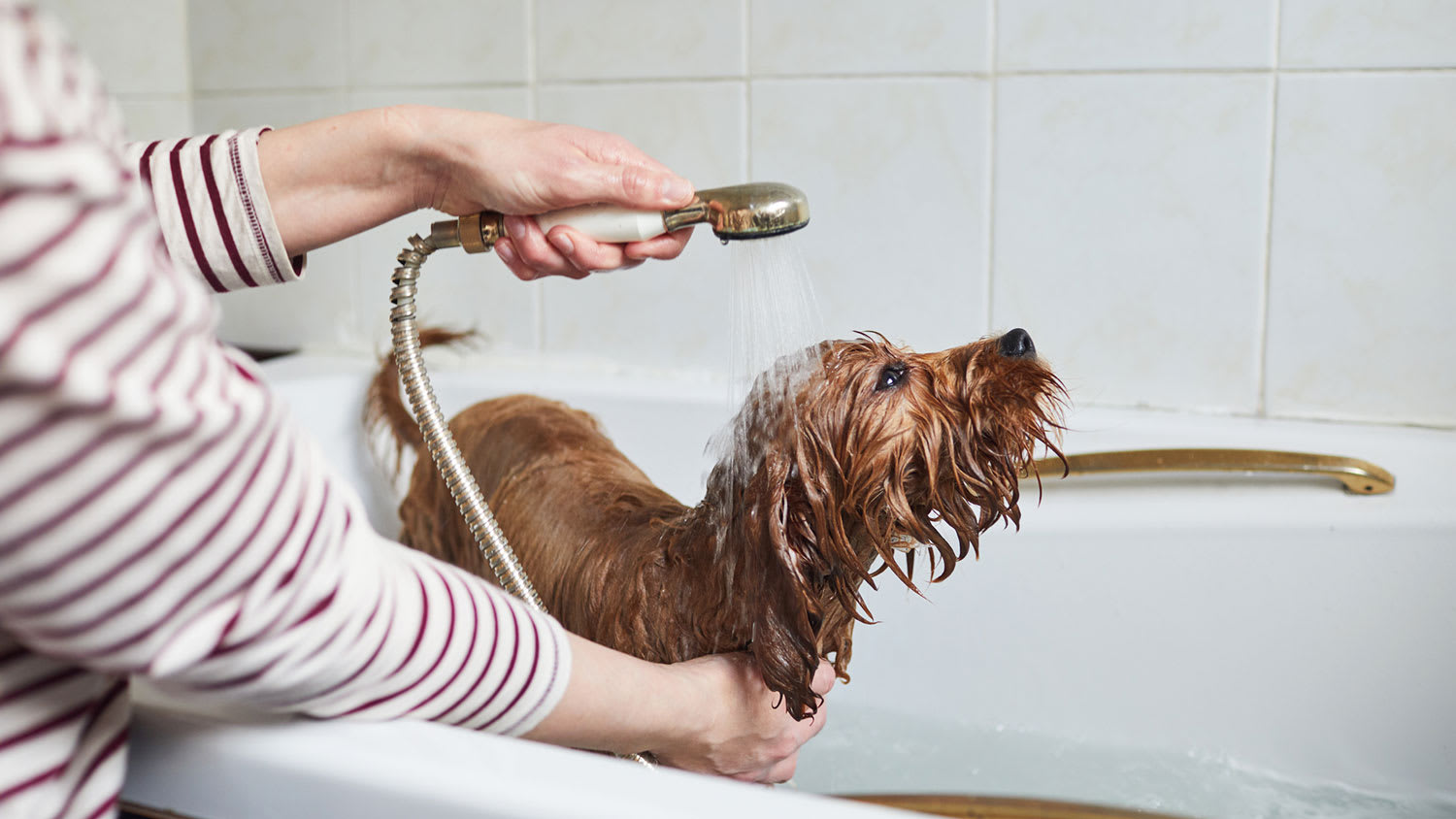
Knowing how to increase water pressure in your home can save you time around the house. Keep reading to learn how you can get a higher water pressure.

Low water pressure is frustrating. That’s why we made this guide to help you learn how to get more pressure from your well for a shower that feels just right.

When your home water pressure isn’t delivering the power you need, give it a quick boost by learning how to adjust the pressure switch on your well pump.
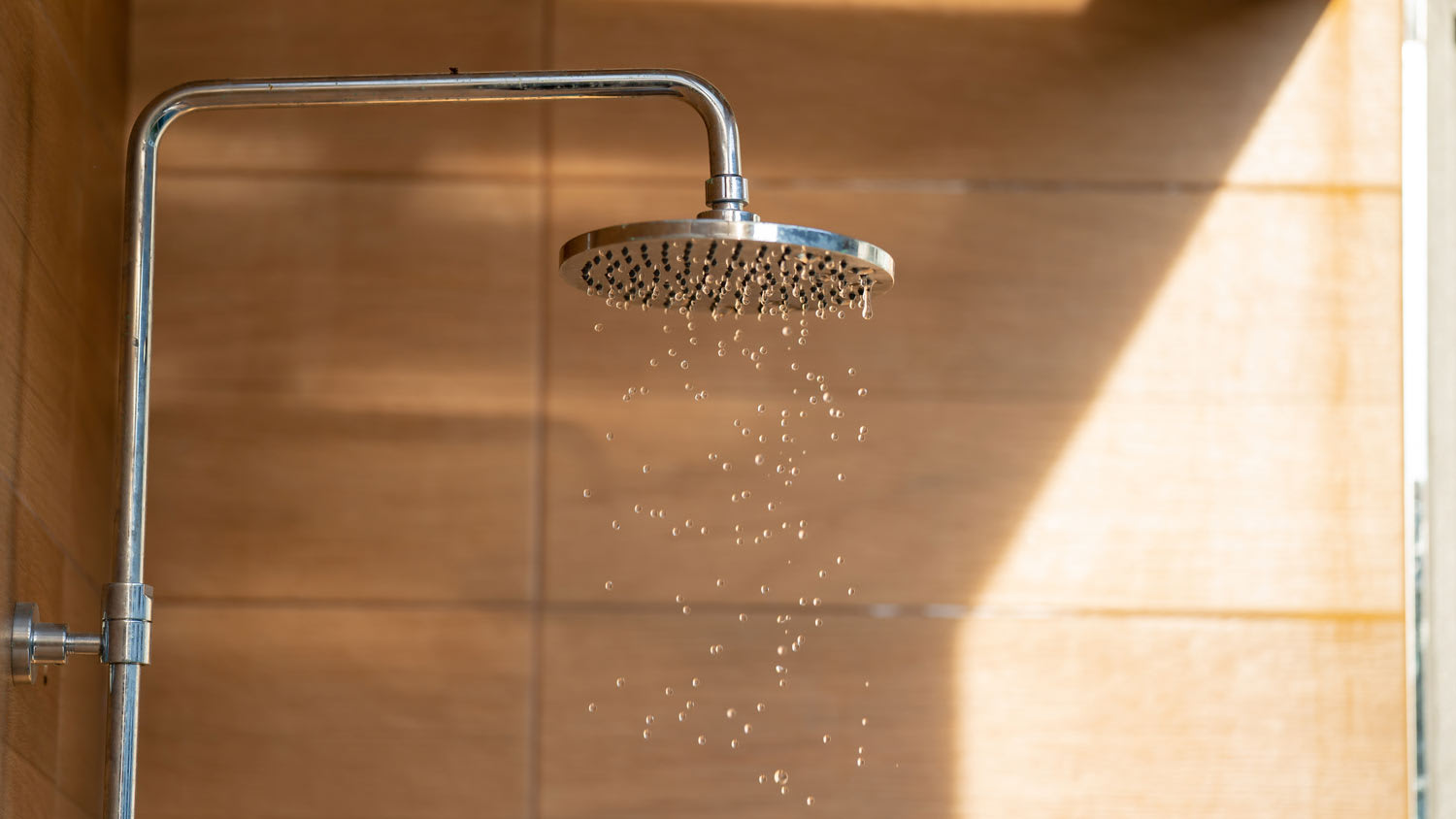
Well pump pressure helps water get where it needs to go. Learn how much pressure a well pump should have before you start adjusting.