

Find out how to get rid of ladybugs and the look-alike harlequin ladybird in your home using inexpensive remedies and plenty of prevention to combat infestations.
Don’t let mealybugs make a meal out of your plants

Hand sanitizer as a mealybug treatment isn't ideal because it contains ethanol that can harm your plants, while rubbing alcohol works better and protects foliage.
Professional pest control costs $200 to $600 on average when mealybugs persist, with smaller problems starting as low as $50 for targeted treatment.
You can eliminate mealybugs by spraying your plants with rubbing alcohol or insecticidal soap, letting it sit for hours, then rinsing thoroughly with water.
Hiring a local exterminating professional provides reliable support for persistent infestations, helping you protect plants and prevent mealybugs from spreading throughout your garden or greenhouse.
You carefully curated your garden, and now mealybugs are helping themselves to your plants. How do you get rid of these ultra-sneaky, sap-sucking bugs? If you and your greenery have been victimized by the sap-starved ravaging of mealybugs, you can fight back. Learn various treatments that’ll help you get rid of mealybugs once and for all.

Mealybugs are itty-bitty sap-sucking insects in the Pseudococcidae family that target a variety of indoor and outdoor ornamental plants and citrus trees. The name “mealybug” comes from the cornmeal-like white sticky powder that covers their bodies. They’re also characterized by their sweet, sticky excretion—called honeydew—that attracts ants and can cause black sooty mold.
Adult female mealybugs attach themselves in clusters on the underside of plants, typically along the veins of the leaves. Males are active fliers, while the slow-moving females and young “crawlers” stay on plants and feed.
Plants that are most susceptible to mealybugs include soft-stemmed tropical plants and succulents, such as:
Orchids
African violets
Coleus
Begonias
Cactus
Fuchsia
Dracaena
Amaryllis
Spotting mealybugs on plants can be tricky due to their small size and tendency to hang out on the undersides of leaves and petals. Females are egg-shaped and usually about 0.4 inches long. Adult males are tiny and gnat-like flying insects that are rarely seen near the feeding site.
Here are the main symptoms of mealybugs on your plants:
Fluffy, cotton-like clusters of tiny bugs
Waxy white reside along plant stems
Yellowed or deformed leaves
Reduced blooming
Stunted plant growth
Sticky “honeydew” excretions that are typically accompanied by ants and black sooty mold

Mealybugs can quickly and discreetly do a number on your plants if left alone. Once you see them, immediately quarantine the affected plants so they won’t have a chance to spread.
The good news is that there are a number of organic pest control methods that are highly effective at getting rid of mealybugs on plants, as well as a few pesticides. Choose whichever treatment works for you and you’ll choke out the mealybugs before they can do any further damage.
Insecticidal soap, or a water/dish soap solution in a spray bottle, can get rid of mealybugs by suffocating them. Simply spray a generous amount all over the plant and let it marinate for four to six hours. Follow this with a gentle rinse from your sink or hose to remove the bugs and leftover soap.
Rubbing alcohol (70% Isopropyl alcohol) is a highly effective natural mealybug killer. Mix a diluted solution of 1 part alcohol to 3 parts water in a spray bottle, then spray down the entire plant. You can also add a squirt of dish soap to this mixture for maximum effectiveness. After four to six hours, rinse it off gently with your sink or hose.
The United States Environmental Protection Agency warns against the use of insecticides, citing harmful ecological effects such as catastrophic insect drifts and reduced biological diversity. There are also numerous other side effects of using pesticides, such as the poisonous effects they can have on humans, pets, and wildlife by affecting the nervous system, irritating skin and eyes, and more.
Chemical insecticides may not be an effective mealybug treatment due to the waxy coating on their bodies. If you do choose to go the pesticide route, look for poisons containing pyrethroids like permethrin, cyfluthrin, or bifenthrin. Follow the manufacturer’s instructions for treating your plants.

You can get rid of mealybugs on your outdoor plants by inviting beneficial insects to your garden. Naturally occurring predators of mealybugs include ladybugs, brown and green lacewings, spiders, and minute pirate bugs.
Tall plants and trellises leave lots of room for spiders to build their homes, while these delicious, fragrant plants can attract your insect allies:
Cosmos
Marigold
Fennel
Goldenrod
Butterfly weed
Geranium
Dill
Spearmint
Once you’ve gotten rid of those ravenous, fluffy little monsters, upkeep is just as important to prevent them from coming back.
Here are the best ways to keep mealybugs off your plants:
Examine your plants: Keep a regular lookout for mealybug signs and symptoms. Physically remove any bugs you see on your plants before they can take over.
Swab leaves weekly with rubbing alcohol: Use a cotton swab soaked in 70% isopropyl alcohol to remove individual insects from potted plants.
Rinse off plant foliage: For hardy plants that can withstand the pressure, hit them weekly with a stiff blast from your hose to remove any insects.
Wipe plant foliage with neem oil: Apply neem oil (oil derived from the neem tree) every two weeks to repel mealybugs and affect their feeding capabilities.
Feed your plants less often: Reduce fertilization practices to help lower nitrogen levels, as high nitrogen content attracts the mealybugs.
Inspect new plants for mealybugs: Check new plants for the white, fuzzy insects before adding them to your collection (especially in a greenhouse).
If you continue to have issues, contact a local exterminator for help.

If mealybugs or other pests are relentlessly plaguing your plants, a pro might be able to help. A professional pest control service costs $200 to $600 on average, but smaller problems can go for as little as $50. Get in touch with a local lawn pest control service to learn more about treatment options.
Mealybugs frequently hitch a ride on the plants you bring home, so it’s extremely important to inspect every new addition. They’re also attracted to moisture and high nitrogen levels in plants. Avoid overwatering and use fertilizer sparingly if you have repeat mealybug offenders.
Mealybugs don’t munch on the leaves themselves. Instead, they prefer to suck the sap found in stems, roots, fruits, and leaves.
Hand sanitizers aren't ideal for mealybug treatment. Hand sanitizers typically contain ethanol as an active ingredient, and this can harm your plants. 70% isopropyl (rubbing alcohol) is gentle on plants yet highly effective on mealybugs, so it’s the far superior choice.
A reliable team for moves across state. My switch to a new place needed careful lifting through tight hallways. The movers checked the doorway first, then carried heavier pieces with slow, controlled movements. Their patience helped prevent damage, and I?d choose them again.
This company does it right. Firstly, I want to say that Landan was a joy to work with. He was so kind, transparent, and had everything under control. His entire team showed up ready to work and they were all very respectful of the fact that we were in an office space. A little backstory – we...
 Krumlauf Floors
I had FabClean 614 clean my apartment, and she did an outstanding job. She was so professional and efficient. My apartment looks absolutely spotless every surface, every corner, all cleaned to perfection. Definitely highly recommend FabClean 614 if you're looking for top-notch cleaning...
 Fab Clean 614
Raven and crew does absolutely fantastic job. They are very professional if any concerns were to occur with any of her work she always took responsibility and finished out with a great job. I have worked with her business for a year and have always been satisfied. Very trusted business and...
 Creations of Transformation LLC
I would recommend this company to anyone! He showed up on time, was friendly, completed a very difficult repair on our dryer vent cover, was responsive, and pricing was extremely fair and competitive. I would have him back to do any of our repairs or cleanings without hesitation!
 U.S.A. Dryer Vent, LLC
Best cleaning I've had at my property
Ace Fireplace Services' chimney sweep service is truly exceptional. They used advanced technology to ensure a thorough cleaning process, and my chimney has never looked better. I highly recommend their services.
 Ace Fireplace Services
This company went above and beyond with their work, chimney sweeps are usually pretty messy, but the clean up was spot on.!! Josh explained every thing that he was doing, and the things that he was checking to make sure the chimney was safe for me and my family. He was very professional,...
 Supreme brick & chimney
Good workers and they do a good job.
 Mira Construction
Mary Cleaning Service is fantastic! The entire team is professional and pay a great deal of attention to detail. They do such a thorough job of cleaning my house. I would definitely recommend!
From average costs to expert advice, get all the answers you need to get your job done.
Find out how to get rid of ladybugs and the look-alike harlequin ladybird in your home using inexpensive remedies and plenty of prevention to combat infestations.

Pantry moths multiply fast, so time is of the essence. Find out how to get rid of pantry moths and eradicate the pests taking over your kitchen.
Bed bugs are infamous for sticking around. Calling a bed bug removal pro is the best way to solve this problem for good: Here’s who to contact.

Left unchecked, indoor or outdoor cricket problems can become a nuisance. Here's how to get rid of crickets in the house with five different effective methods.

Need to get rid of pesky pantry bugs from your kitchen? Follow our step-by-step guide to learn more.
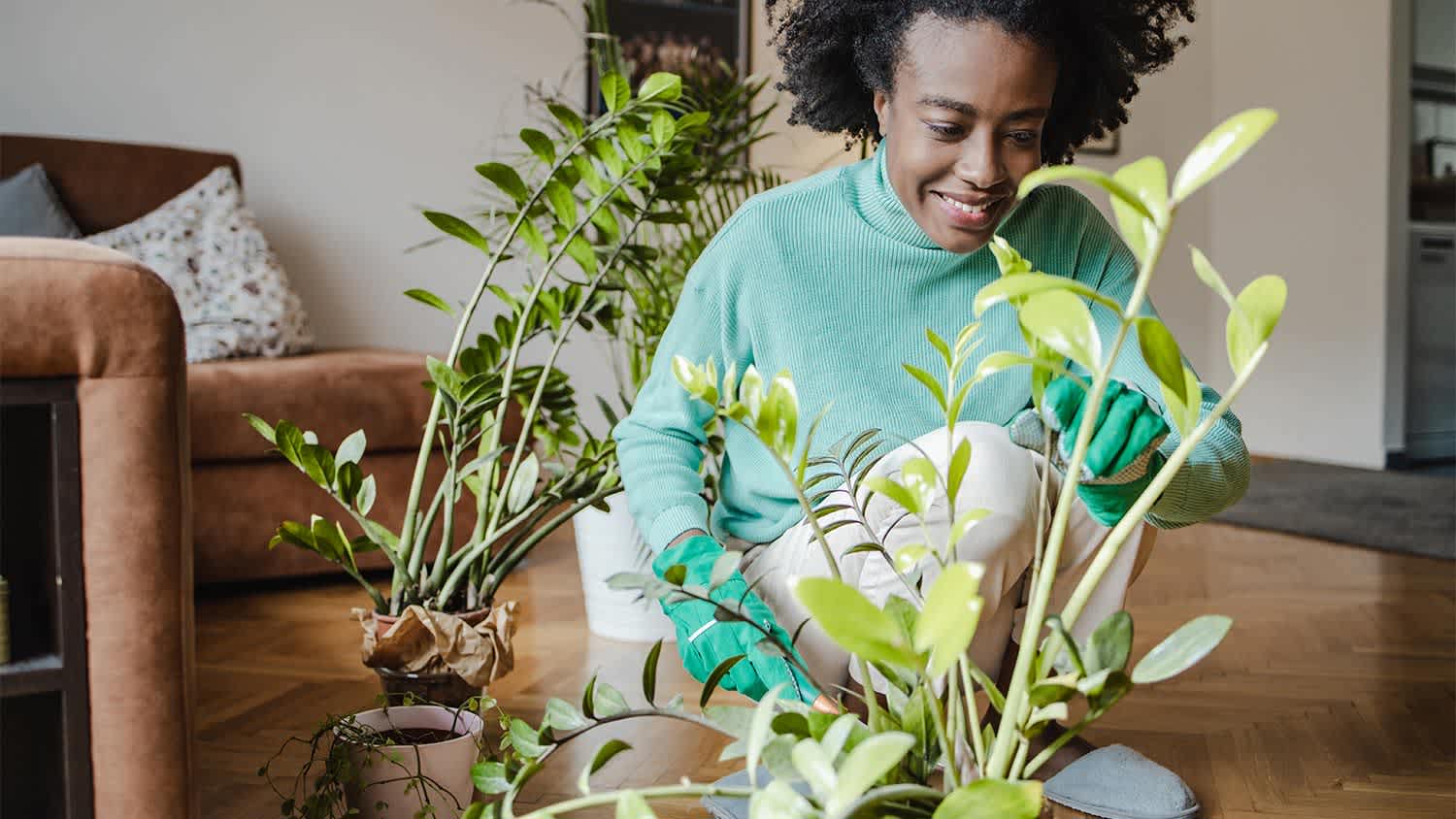
You can treat many houseplant insects with insecticidal soap or neem oil. Read on to learn about the most common type of plant pests and how to get rid of them.