
•
Discover the average chimney tuckpointing cost, key price factors, and expert tips to help you budget and save on your next chimney repair project.
Everything you need to know to build a smokin’ hot chimney
 - Derek Rose.png?impolicy=thumbnail)
The two main types of chimneys are masonry chimneys built on-site from brick or stone and prefabricated metal chimneys assembled in factories.
Expect to pay $6,500 for masonry chimney installation or $1,000 to $10,000 for rebuilding, while prefabricated chimneys cost around $3,750 on average.
Your choice between different chimney types depends on your budget, desired lifespan, maintenance preferences, and whether you prioritize traditional aesthetics or quick installation.
Hiring a local chimney repair professional keeps your installation safe and code-compliant, handling masonry work or metal flue setup with proper ventilation and structural support.
Sitting by the fireplace on a cold evening is a timeless comfort. That’s one of the reasons that fireplaces and, consequently, chimneys remain popular today, even though there are modern heating alternatives. Whether you’re building or buying a house, it’s worth knowing the ins and outs of fireplace and chimney design; the two go hand in hand and affect the interior and exterior of the home. Most chimneys are sorted into two categories: masonry chimneys and prefabricated chimneys. We’ll explain both types in our detailed chimney guide below.
| Type of Chimney | Life Span (in Years) |
|---|---|
| Masonry | 50–100 |
| Prefabricated | 10–30 |
Requests for chimney sweeping account for over half of all chimney maintenance services, and about one-third are for inspections. A certified chimney sweep can handle your maintenance needs, including cleaning your chimney as you prepare for the winter months.

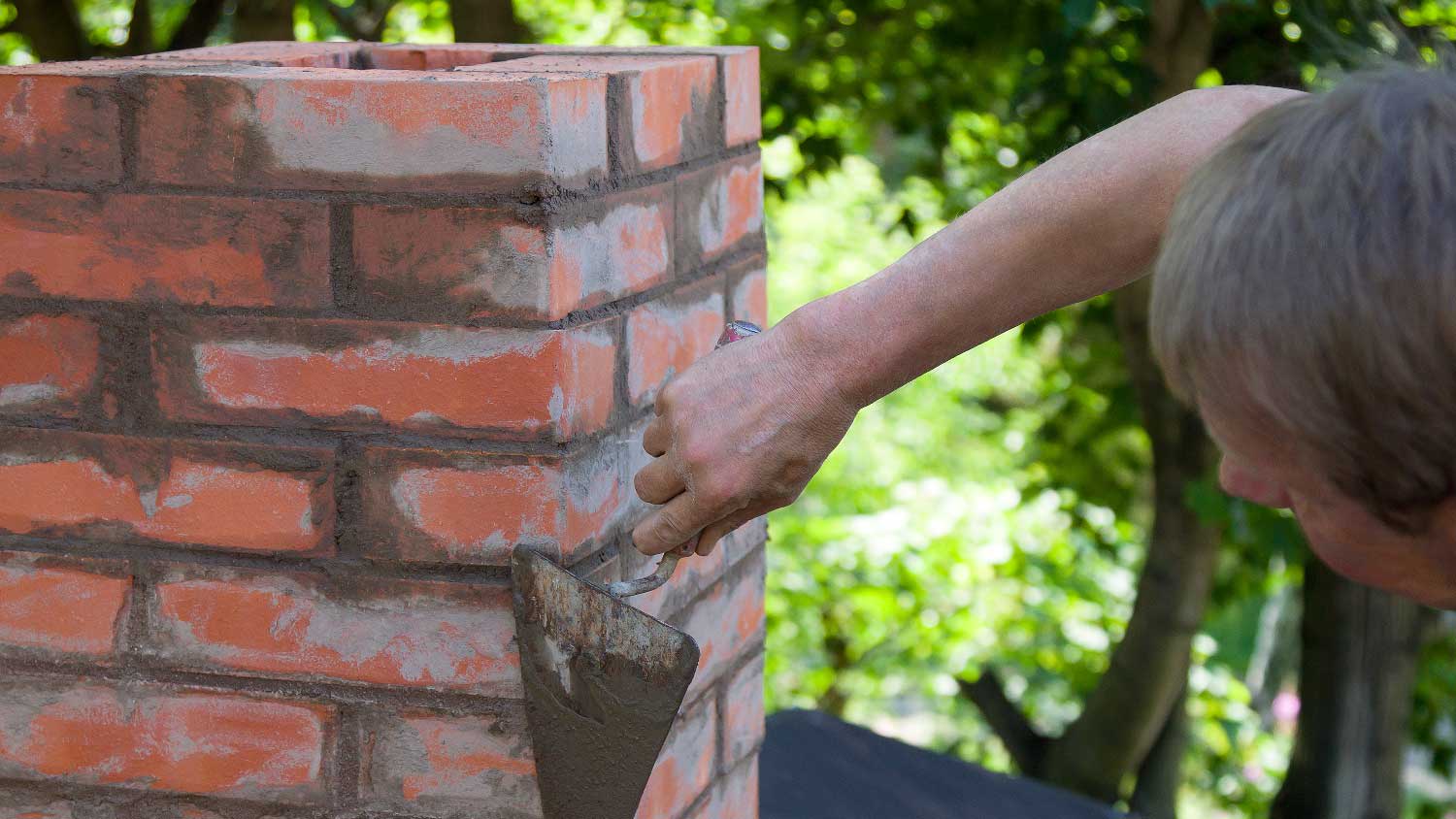
If asked to picture a chimney, the first image that likely pops into your mind is a masonry chimney. They have been around for centuries and are widely considered the traditional style. The name stems from the masonry materials used to build them, specifically brick, stone, or concrete. They are typically paired with wood-burning fireplaces but can work with gas-powered fireplaces too. Another key characteristic is that masonry chimneys are built at the site of the home—literally brick by brick—rather than prefabricated at a separate location.
Masonry chimneys are more expensive to build and repair than prefabricated ones. While figures vary based on the materials used (brick tends to be cheaper than stone) and the size of the project, installing a masonry chimney costs around $6,500 on average. Rebuilding a masonry chimney ranges anywhere from $1,000 to $10,000. However, there are benefits to spending more for a masonry chimney, including aesthetic appeal and an increase in home value.
Masonry chimneys also come in endless shapes and designs. Perhaps the most common style is a square brick chimney, and there’s an array of crowns and caps that can make every chimney feel unique.
| Pros | Cons |
|---|---|
| Long-lasting | More expensive than prefabricated |
| Aesthetic beauty and diversity of designs | Prone to cracking, especially the mortar |
| Increase home value | Require more maintenance |
| Superior heat reflection | More susceptible to water damage |
Best for:
Home buyers who prefer an ageless, natural look
Maximizing the heat from your fireplace

The other primary type of chimney, and one that’s gained popularity in recent decades, is a prefabricated chimney. The term relates to how these chimneys are pre-built in factories, either in pieces or in their entirety, and then transported to home construction sites. As a result, they are also referred to as “factory-built chimneys.”
The vast majority of prefabricated chimneys are made of metal. Sometimes prefabricated chimneys and metal chimneys are considered two different categories, but for simplicity’s sake, most contractors and chimney inspectors consider them the same thing. It’s rare to find a metal chimney that hasn’t been prefabricated or, inversely, a prefabricated chimney that isn’t made of metal.
Prefabricated chimneys are easy to spot on rooftops because of their cylindrical metal pipes and caps. While they are less eye-catching than a stately brick chimney, they offer several advantages, one of which is cost. Prefabricated chimneys typically cost $100 to $150 per linear foot, making for an overall average price of $3,750. They can also be installed quickly and require little maintenance. Bear in mind that prefabricated chimneys have shorter lifespans than masonry ones, so they may need to be replaced if you stay in the house long enough. If so, you’ll have to contact a local chimney repair expert.
| Pros | Cons |
|---|---|
| Affordable to install and repair | Shorter lifespan than a masonry chimney |
| Less likely to leak or have animals enter | Not as visually appealing |
| Suit most house styles | Less heat-efficient than brick and stone |
| Require less upkeep | More susceptible to storm and fire damage |
Best for:
Homeowners on a budget
Those who don’t want to fret about consistent maintenance
With modern advances in indoor heating, not every house needs a chimney. So, how do you know if the house you’re building needs one? Here’s how to tell based on the type of fireplace you own or are planning to install:
It’s necessary to have a chimney for heating sources that emit smoke. That means fireplaces that burn wood, coal, or pellets as fuel always require a chimney.
When it comes to gas-burning fireplaces, chimneys are not always necessary. Most gas fireplaces require a ventilation system to safely diffuse emissions like carbon monoxide; however, it doesn’t have to be a traditional chimney flue that ventilates through the roof. Instead, all that might be required is a pipe that ventilates through the wall behind the fireplace. Some gas fireplaces are even designed to be vent-free and can be set up anywhere in the house.
The last option is an electric fireplace. One of their biggest benefits is that they don’t require a chimney or vent to work.
Whether you have a masonry chimney or a metal one, it’s best to hire an expert for installation or repairs rather than attempt the job yourself. The DIY route is appealing because it would eliminate the cost of labor, but chimneys are dangerous work. Not only are they high up and require precarious tip-toeing on rooftops, but there are health and safety risks if the job is done improperly. Those risks include exposure to toxic fumes like carbon monoxide, structural collapse, and house fires.
Positive experience. As previously stated, the replacement/repair could not be completed (no fault of the plumbing tech) b/c misinformation was rec?d by property management maintenance. Thanks to the plumbing tech for your efforts. Appreciate you!
 The Waterworks
Carpet repair done well. Scheduling was easy. Showed up on time.
 BR Flooring Installation
I would recommend this company to anyone! He showed up on time, was friendly, completed a very difficult repair on our dryer vent cover, was responsive, and pricing was extremely fair and competitive. I would have him back to do any of our repairs or cleanings without hesitation!
 U.S.A. Dryer Vent, LLC
Ace Fireplace Services came to the rescue for my chimney repair. They were quick to pinpoint the issue and worked their magic to fix it. My chimney is now in excellent shape, and I'm a satisfied customer.
 Ace Fireplace Services
100% satisfied with the work done by Supreme Brick & Chimney. Josh responded to my Angi request very quickly and squeezed our house into his schedule only a couple business days out. The chimney cleaning process was extremely clean with ZERO dirt going anywhere besides in Josh's vacuum. Very...
 Supreme brick & chimney
On Sunday 2/26 I requested quotes via Angi from 4 refrigerator repair businesses. Northwest Appliance responded to me Monday morning (2/27) and my refrigerator was repaired by noon the same day. Great communication, they did everything they said they would. The technician had the parts on...
Description says they handle window repair including rotten hardwood - they called me back right away but didnâ t leave a voicemail. I followed up 3 days later and they said they donâ t do that kind of work.
 Window-Gurus
They arrived on time repairs performed quickly very porvesinal
 Property-Tech Industries
Mike and his crew did a great job working through a very challenging task. The job required a full demolition of our ceiling, removing the blown in insulation and removing all the material from the site daily. It involved multiple inspections from the city and many challenges to get the...
 Rising Height Unlimited
Mr. Lopez was super nice and professional. He repaired our drywall just as he described during the estimate phase. Our dining room wall looks great again! Thanks Mr. Lopez!
From average costs to expert advice, get all the answers you need to get your job done.
Discover the average chimney tuckpointing cost, key price factors, and expert tips to help you budget and save on your next chimney repair project.
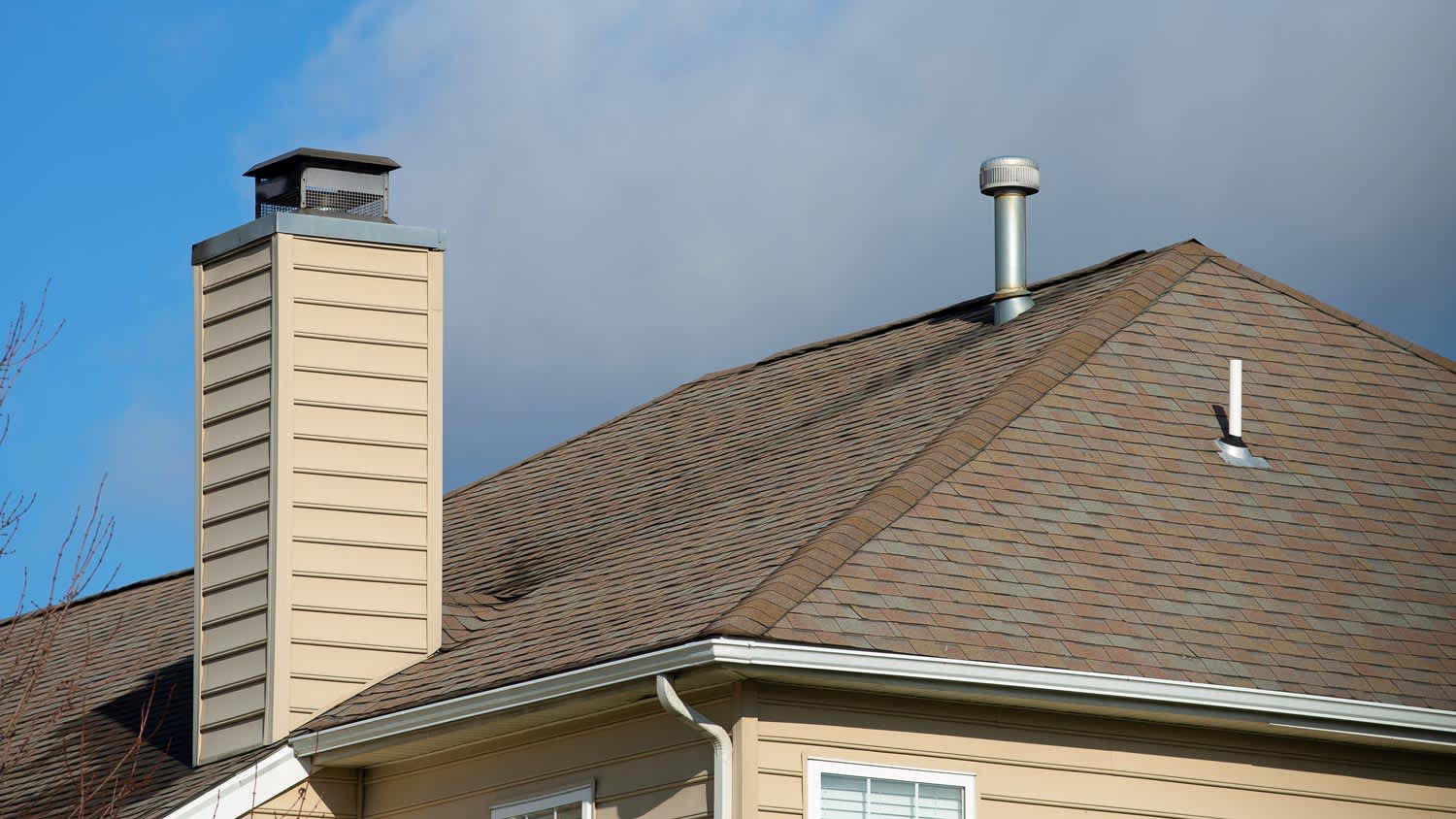
Find out the average chimney cap replacement cost, key price factors, and ways to save and budget for your chimney cap project.
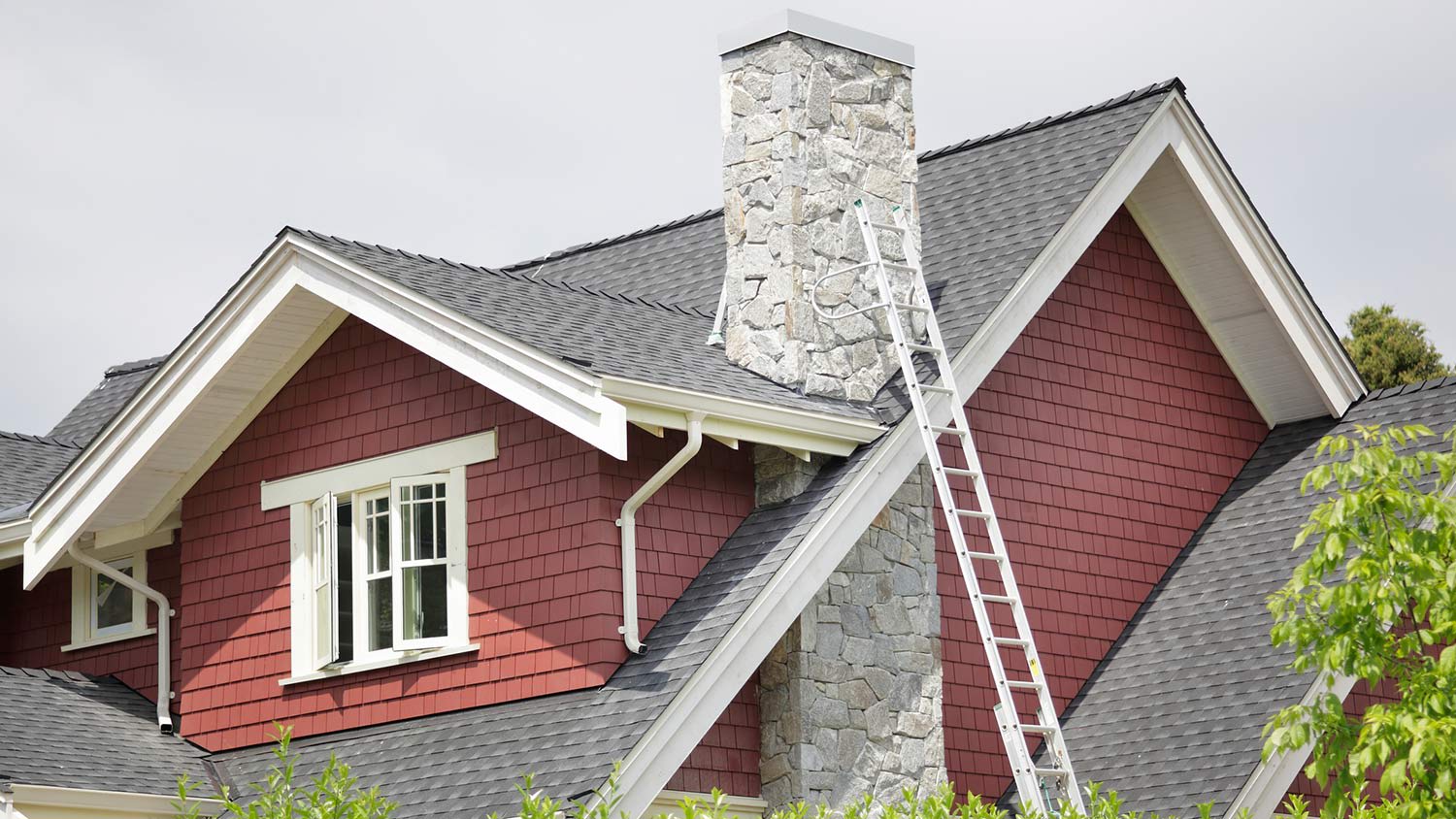
The typical chimney removal costs between $1,000 and $10,000, but much of that price depends on whether it’s a full or partial removal. Get the full cost breakdown here.
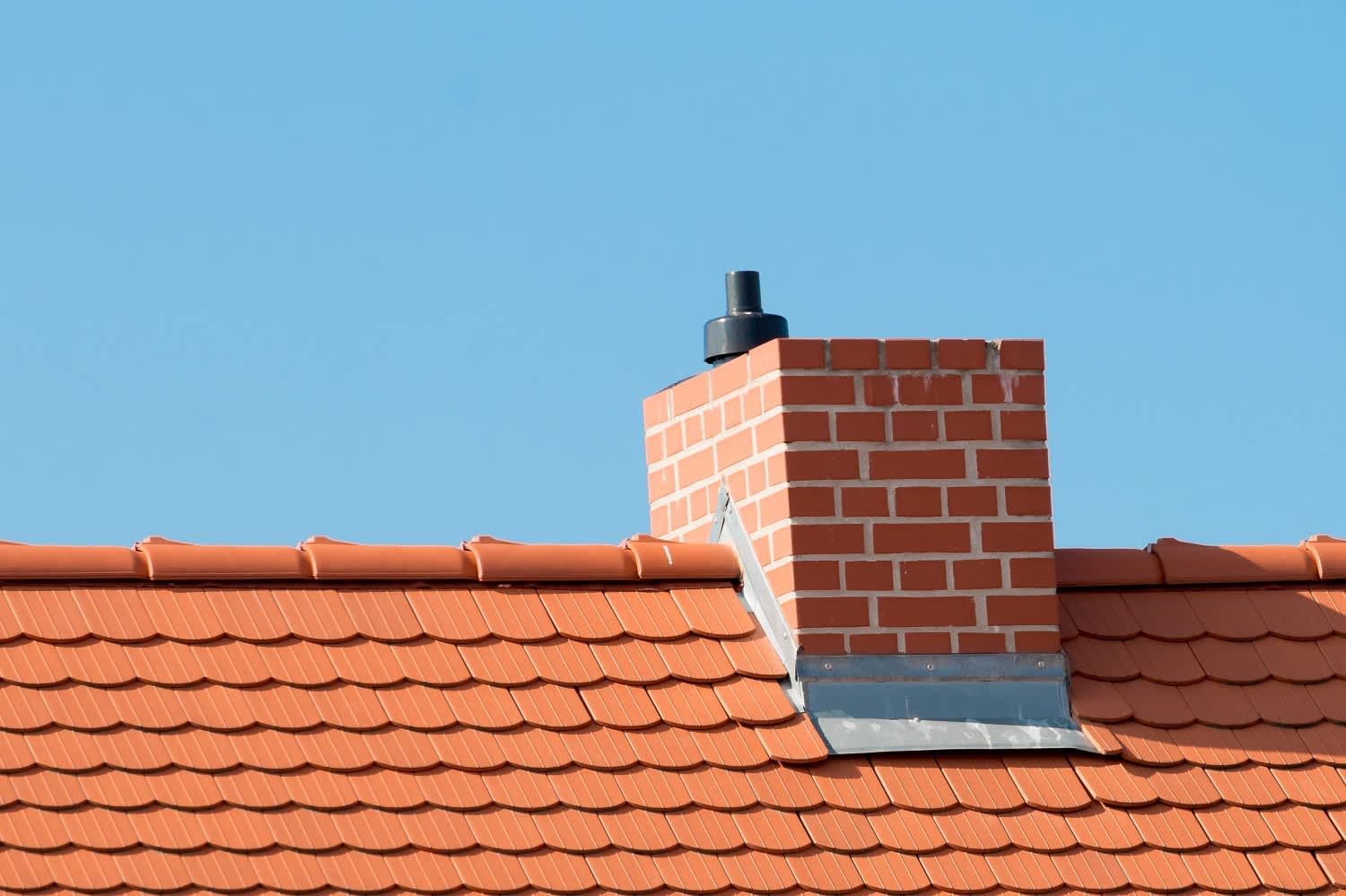
Your chimney liner is a major piece of your fireplace. But what is it and what does it do? Learn the different types of flue liners and whether you need one.
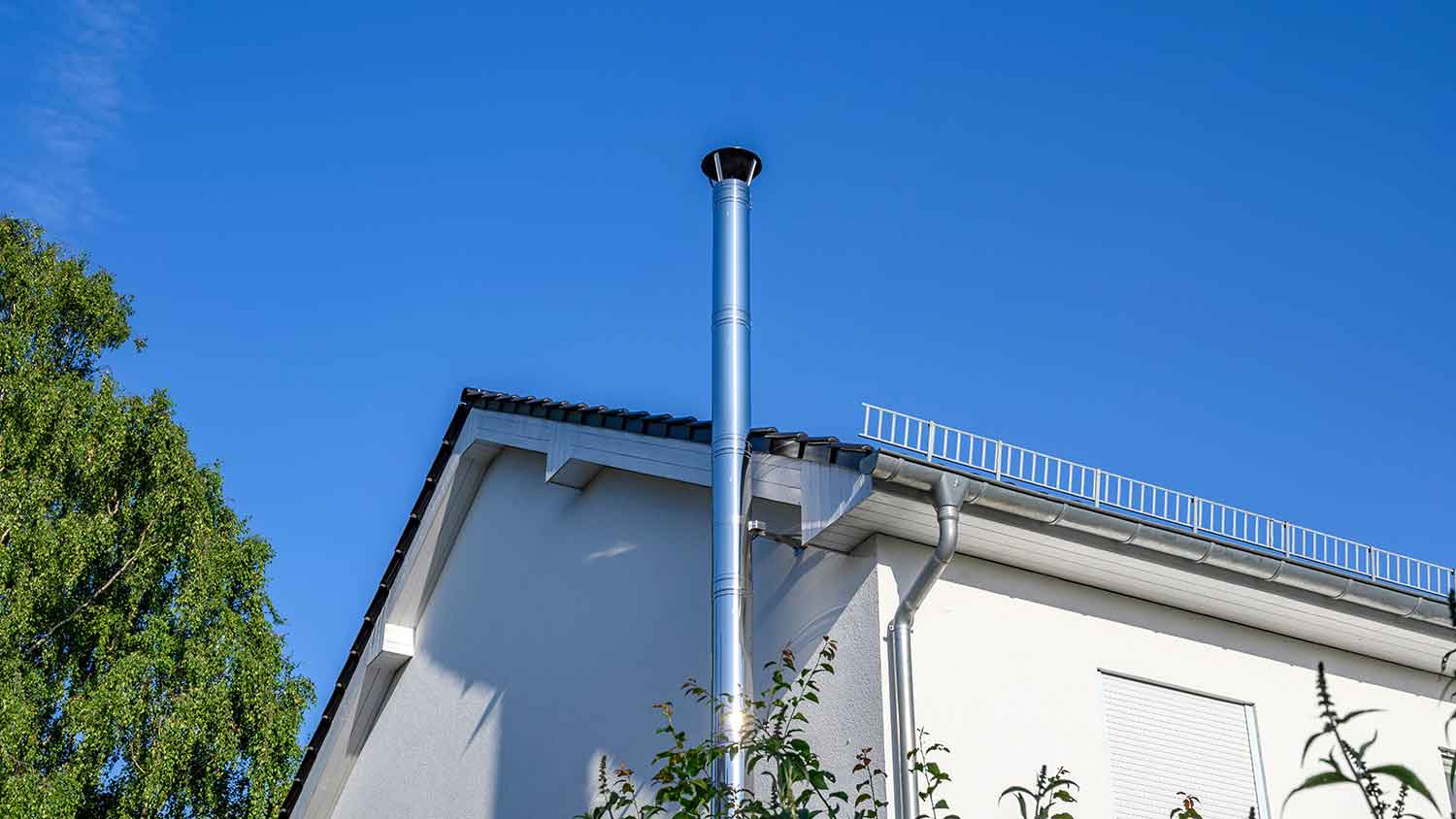
Oversized flues lead to chimney corrosion, freeze/thaw damage, and an uncomfortable draft. Here are the standard chimney flue sizes to ensure proper integration.
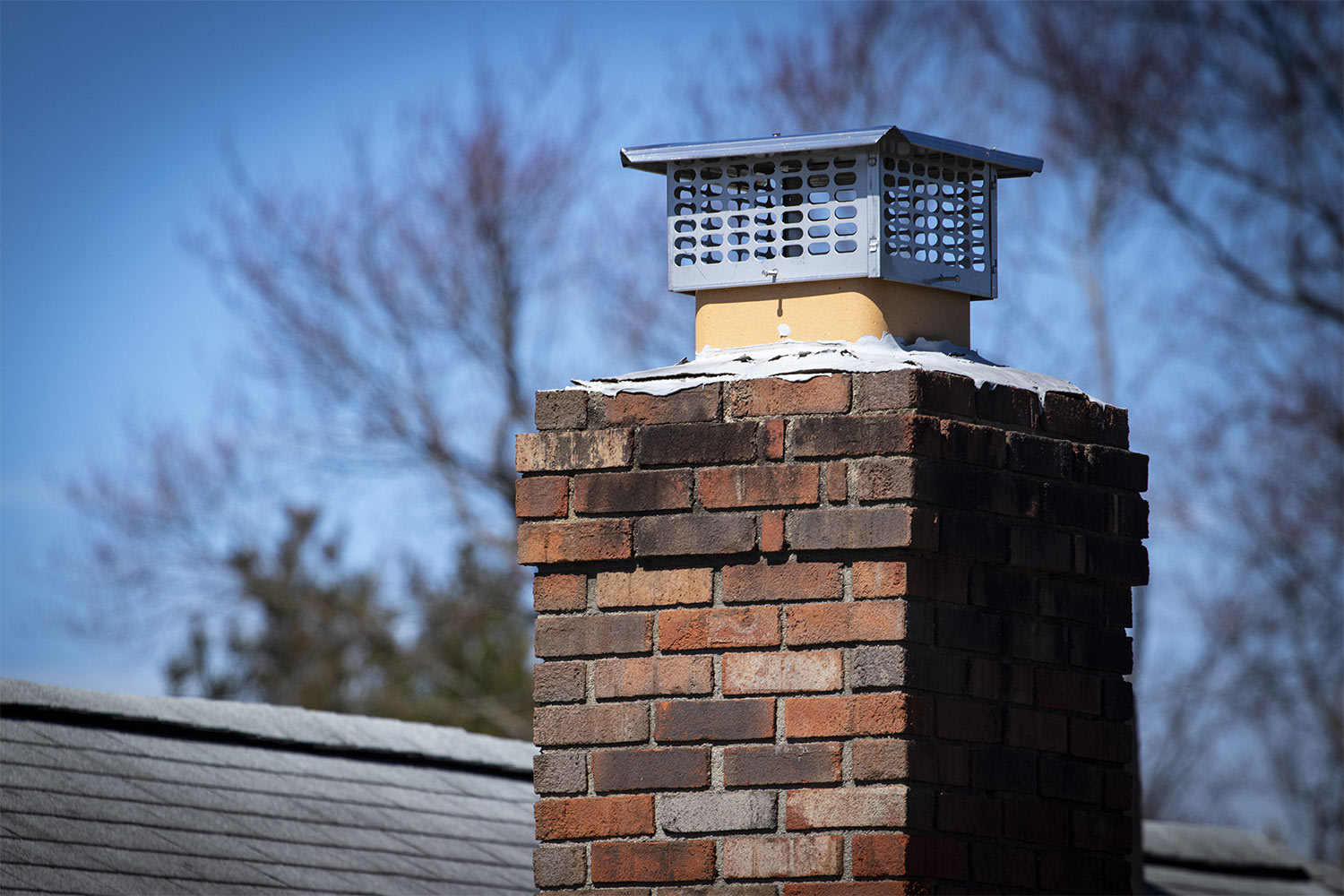
Not all chimneys have caps, but most fireplaces can benefit from having one. But what is a chimney cap, and why is it important? Our guide breaks it all down.