
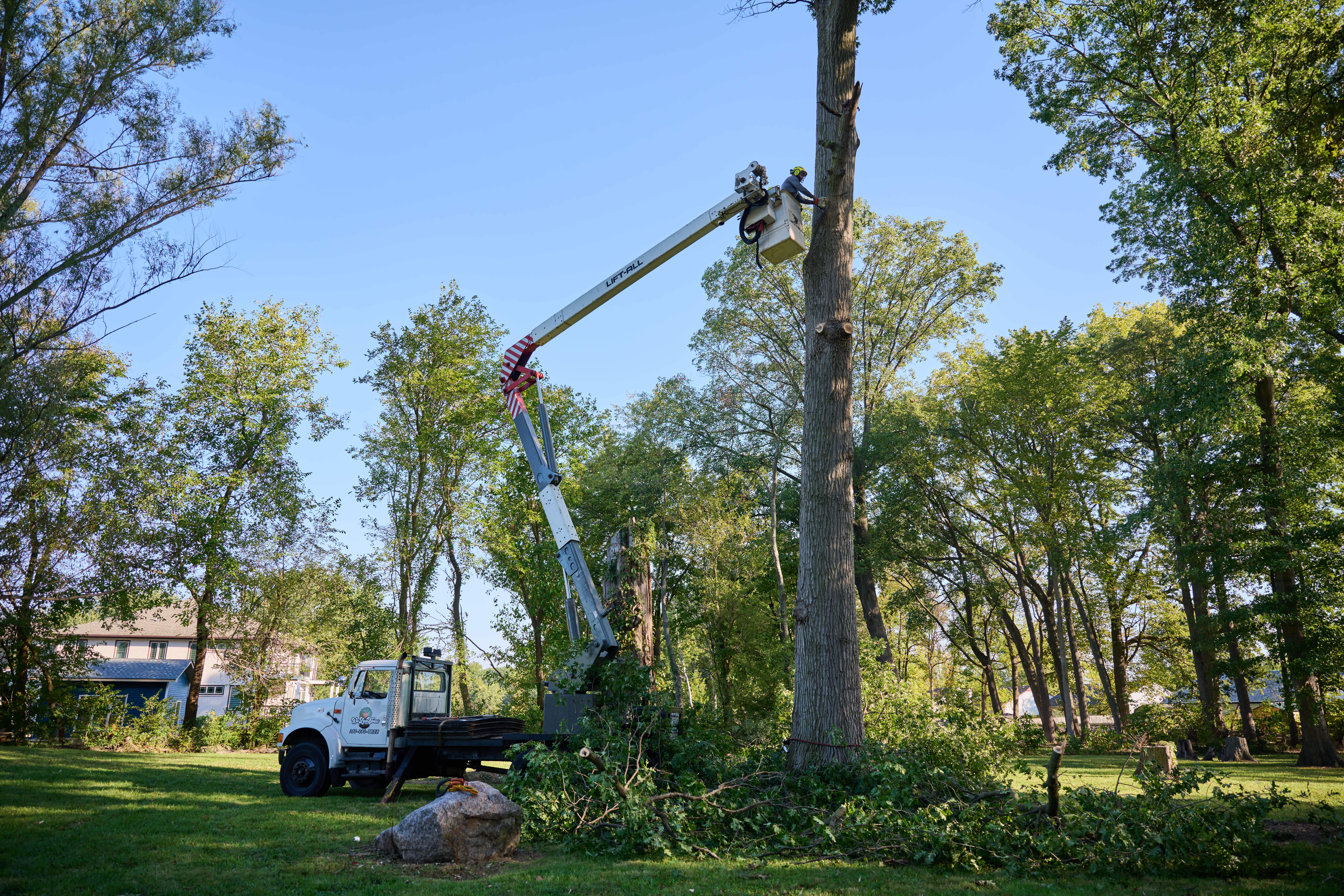
The most significant factor in tree removal costs is the amount of debris. Read on to learn more about the average tree debris removal costs in Philadelphia, PA.
Tree service costs depend on your project and location. Check with a local pro for your specific job.

The diameter and height of your tree are the two most influential cost factors to consider.
Trees that are closer to your home, outbuildings, fences, or other structures will take more time to remove and will cost more.
The most common tree species in Philly is spicebush, which grows to just 15 feet tall and will usually cost below the local average for removal.
The average lot size in Philadelphia is under 1,300 square feet, so many homeowners will have to pay more for safe, manual tree removal near structures.
The average cost of tree removal in Philadelphia is $770, and most residents pay between $205 and $2,052 for the service. Your exact price will depend on the size of the tree, whether it’s hardwood or softwood, and the location on your property. The most common tree species in Philly is the spicebush, which is on the shorter end and will often cost well below the local average for removal.
Tree removal costs in Philadelphia can range from $154 all the way up to $10,260, depending on a few important factors. Be sure to consider all of the following to get an accurate estimate for your tree removal project.
A tree's size affects several main tree removal cost factors—how long it takes to cut down, the methods your pro can use for removal, the accessibility to higher branches, and possible interference from other trees, power lines, or structures. For example, take a look at the primary tree removal price ranges by size:
| Tree Size | Average Cost |
|---|---|
| Up to 30 feet | $170–$520 |
| 30–60 feet | $500–$1,400 |
| 60–80 feet | $900–$1,700 |
| Over 80 feet | $1,200–$2,300 |
The price tends to increase once the tree grows over 80 feet high, which is possible with certain species native to Boston. At this stage, your team will need to bring in a crane to access its branches, which will add at least $500 to your total, including the truck rental and additional staff.
Also, keep in mind that trees get wider with age, and larger trunk diameters make the tree removal process more challenging and time-consuming. In many species, branches and root systems also expand quite far in either direction, adding up to a possible multi-day project to safely remove the tree from the area without affecting other utilities.

Some trees can grow to a very stately 100 feet tall or more, and these tree species tend to be much more expensive to remove once fully grown.
The most common tree species in Philadelphia is spicebush, which tops out at just 15 feet tall. These trees will more often cost closer to $205 to remove. Cherry, ash, oak, walnut, and maple trees are also prevalent in Philly, though, and these hardwoods will drive costs much higher, both because of their height and because of the wood density.
Tree-of-heaven, one of the most common invasive species in Philadelphia, can reach up to 90 feet tall, making it one of the more expensive species to remove.
| Type of Tree | Average Removal Cost | Important Details |
|---|---|---|
| Oak | $230–$2,300 | Some states forbid the removal of these heritage trees |
| Tree-of-heaven | $230–$2,300 | Most common invasive tree species in Philadelphia |
| Japanese Knotweed | $2,300–$11,400 | Highly invasive shrub, some states prohibit their possession |
| Aspen | $1,150–$2,100 | Enormous poplar tree, have complex root systems |
| Pine | $290–$1,700 | Philadelphia has mandates for evergreen tree coverage in public spaces |
| Maple | $290–$2,300 | Can grow 100 feet high and have large branches |
| Ash | $290–$2,100 | Striking leaf colors in Autumn, can reach 80 feet in height |
| Cedar | $290–$1,700 | False cedars are common in North America while “true” cedars are native to places with high altitudes |
Most of the time, you aren’t going to want to keep the tree stump after the tree is removed. Grinding is a common option for removing stumps, and stump grinding costs an average of between $140 and $450 in Philadelphia.
Removing a tree can also leave behind a trail of branches, bark, leaves, and the tree itself. The company might haul away your tree for about $80, put it through a chipper for an average cost of $110, or split it into firewood for your home at about $80.
Where your tree is located will affect your removal costs, as it will dictate the steps in the tree removal process.
Trees that are located near your main home, outbuildings, and other structures, like fences, will often require more care to avoid damage, and a longer and more involved removal process will drive labor costs higher. Unfortunately, since the average lot size in Philadelphia is just under 1,300 square feet, the likelihood is that your tree is near a structure and will require careful removal.
This is especially true if your tree is located near power lines or electrical poles. Some areas in Philly have underground power lines, but not all do. Expect costs to be much higher for safe removal if your tree is near an above-ground power line.
Accessibility to the tree also matters, as your crew may be forced to remove the tree manually and haul away the debris if they can’t get cranes and wood chippers safely onto your property.
When you hire a tree removal service in Philadelphia, most of your total cost will go toward labor. The cost of living in Philly is 14% higher than the national average, so labor costs will also tend to be higher than average.
In some cases, you may also need to consider permit fees, but only if you’re carrying out large-scale site clearing.
Removing trees from your property won’t increase your home value in most cases, and it may even decrease it if you’re removing trees that contribute to better curb appeal. The exception would be a tree that poses a risk to your home or safety on your property, as most buyers will see these as liabilities and may be willing to pay more if they don’t have to deal with removal after closing.
To help homeowners plan their next project, Angi provides readers with carefully researched cost data and upholds strict editorial standards. We start with national average project costs, which we collect by analyzing competitor information, retailer material costs, and input from professional contractors. We then apply local price index data to calculate location-specific estimates that reflect what homeowners typically pay in their local area. To do that, we use data from the U.S. Bureau of Economic Analysis (BEA), including its Regional Price Parities (RPPs), which measure price differences across cities. This helps us account for differences in labor, materials, and overall cost of living, so estimates in higher- or lower-cost areas better reflect real-world local pricing.
Every estimate undergoes a thorough editorial review to verify accuracy, consistency, and alignment with observed market conditions.
Want to help us improve our cost data? Send us a recent project quote to [email protected]. Quotes and personal information will not be shared publicly.
I received excellent service and support from Andrew 6/13/26..
 SOS GEEK TV & Computer Repair
I recently hired a cleaning service and was extremely satisfied with the experience. The professional arrived on time and demonstrated a great level of organization and efficiency. The cleaning was done thoroughly, with special attention to areas that are often overlooked. Additionally, the...
 Pearls Cleaning Service
I first asked to just do the lawn and trim trees but my wife wanted a full yard clean out, replace shrubbery and create space for a garden and it was no problem they did the entire job effortlessly, quickly and at a very fair price. Thank you fellas
Excellent service. Cleaned my house really well. On time every time. Great service.
 FMR Maintenance and Detailing INC.
Fast service, great customer experience
 Glenwood Engineering, LLC
Friendly service that was on-time. Would definitely use these guys again.
 James and Family Renovations
The quality of work was very good. I like their communication. I would use the service again.
 Roof Gurus, Inc
I was very satisfied with the service from your company. The guys were great
 Safe House
Excellent service and I was very happy with it.
 Spade Concrete, LLC
Reliable, thorough service at a reasonable price!
 Alexa's Cleaning
From average costs to expert advice, get all the answers you need to get your job done.
The most significant factor in tree removal costs is the amount of debris. Read on to learn more about the average tree debris removal costs in Philadelphia, PA.
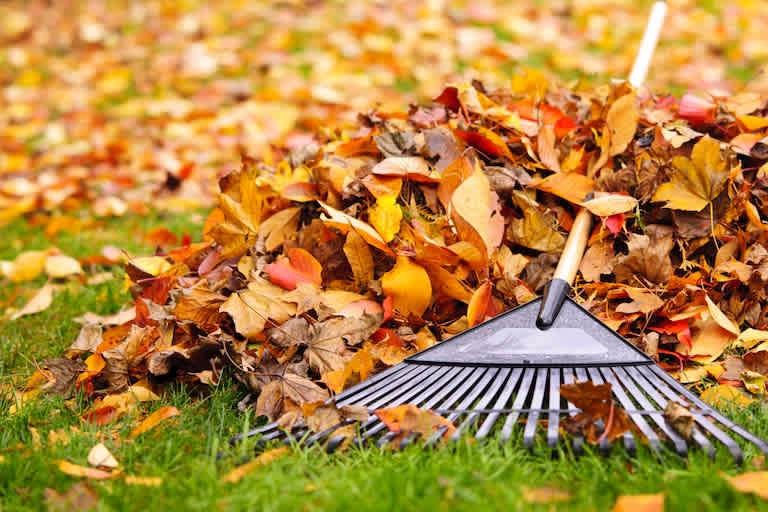
Find out the average leaf removal cost in Philadelphia, PA. Learn what you can expect to pay for local yard clean-up services and prepare your lawn for fall.

If you discover a wasp nest near your home, you’ll want to remove it ASAP. Learn about wasp nest removal costs in Philadelphia, PA in this guide.
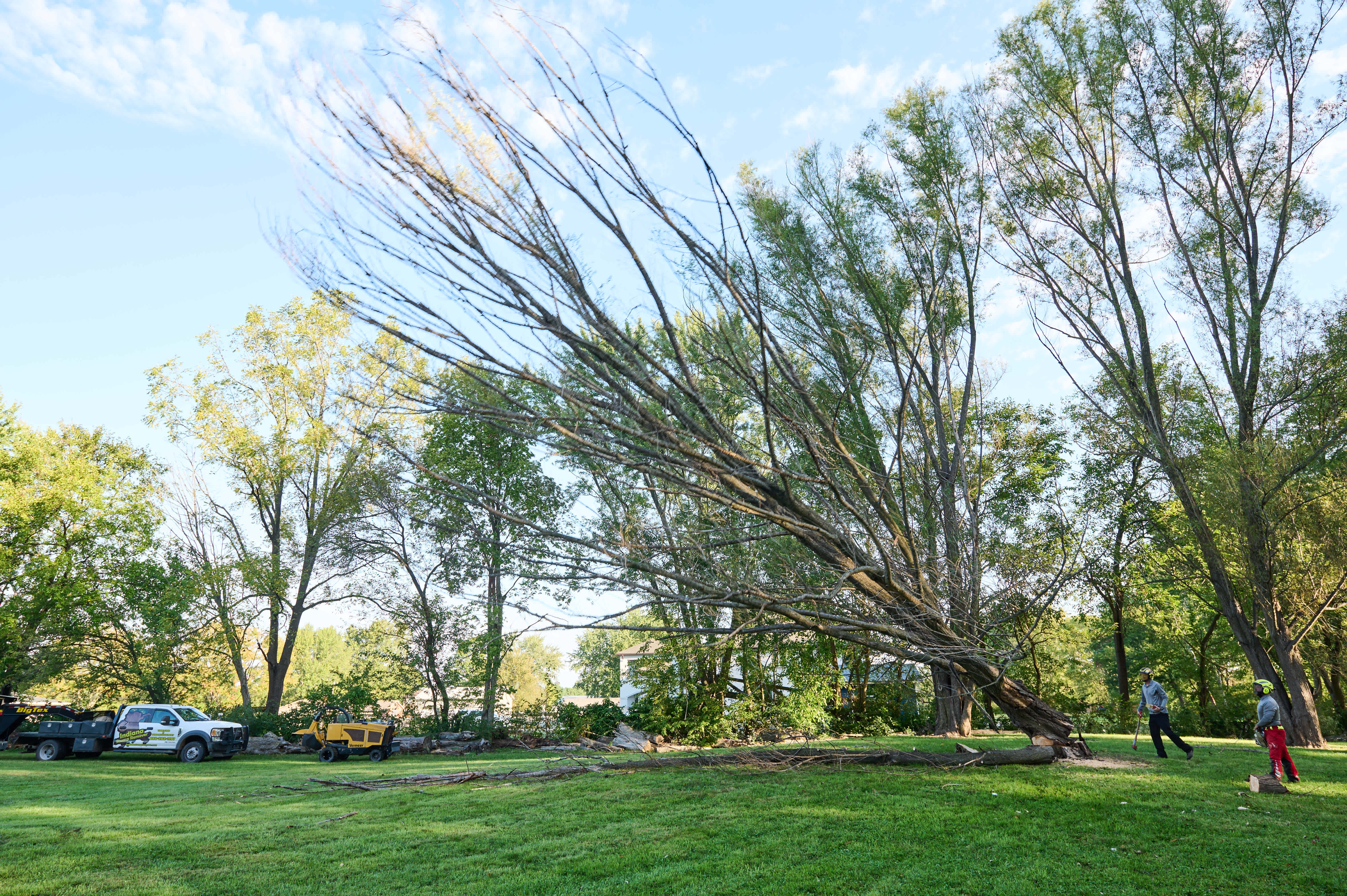
Need a tree removed from your yard? Learn how to negotiate tree removal to get the best rates on having dangerous trees removed from your property.

Weather getting colder? The cheapest time of year for tree removal is right on the horizon. This guide will show you how to plan your project and save.
Find out the average bat removal cost in Philadelphia, PA. Learn what you can expect to pay for local wildlife control services to safely exclude bats.